Table of Contents >> Show >> Hide
- Why Choose Natural Linen Laundry Bags?
- 1. The Carrying-Strap Linen Laundry Bag
- 2. The Striped Linen Laundry Bag
- 3. The Hanging Natural Linen Laundry Bag
- 4. The Oversized Drawstring Linen Laundry Bag
- How to Use Linen Laundry Bags the Smart Way
- Natural Linen vs. Cotton, Mesh, and Plastic Laundry Bags
- Design Ideas for a Better Laundry Area
- Buying Checklist for Natural Linen Laundry Bags
- Experience Notes: Living With Natural Linen Laundry Bags
- Conclusion
There are household objects that do their job quietly, thanklessly, and with the glamour of a forgotten sock under the bed. The laundry bag is usually one of them. It gets stuffed into a closet, dragged down a hallway, tossed in a car trunk, or abandoned beside the washing machine like a soft-sided monument to procrastination. But what if a laundry bag could be practical, breathable, reusable, and attractive enough that you did not feel the need to hide it before guests arrived?
That is where natural linen laundry bags earn their domestic-science diploma. Made from flax fiber, linen has long been prized for its strength, breathability, quick-drying nature, and relaxed texture. It is the fabric equivalent of someone who looks effortlessly put together while also remembering to bring snacks. A natural linen laundry bag can organize dirty clothes, separate delicates, hold linens, store seasonal textiles, and even travel well without looking like a gym locker escaped into your bedroom.
This guide explores four natural linen laundry bag styles worth considering: the carrying-strap bag, the striped linen bag, the hanging laundry bag, and the oversized drawstring bag. Each one solves a slightly different household problem, from small-space laundry chaos to weekend travel to the eternal question: “Where did all these towels come from?”
Why Choose Natural Linen Laundry Bags?
Natural linen laundry bags sit at a sweet spot between utility and design. Plastic hampers can crack, synthetic bags can trap odor, and flimsy fabric sacks can give up dramatically when asked to carry one more hoodie. Linen, by contrast, is a woven textile made from flax fibers. It is naturally strong, breathable, and good-looking in a quiet, old-world way that makes even a pile of laundry feel slightly more civilized.
Linen Is Breathable
Breathability matters more than most people think. Dirty laundry often contains moisture from towels, workout clothes, socks, sleepwear, and that one T-shirt you wore while “just quickly cleaning the garage.” A breathable fabric bag allows air to circulate better than a sealed plastic bin or coated synthetic sack. That does not mean you should store damp towels for a week and expect miracleslinen is useful, not magicalbut it can help reduce the musty, trapped feeling that comes from poor airflow.
Linen Is Durable
Linen fibers are known for strength, which makes the fabric a smart material for household goods that get handled often. A laundry bag has a rough career. It is pulled, dragged, overfilled, tied, untied, and occasionally asked to carry a mysterious collection of jeans, bedding, and emotional baggage. A well-made linen bag with reinforced seams and sturdy drawstrings can handle regular use while softening with age.
Linen Looks Good in Plain Sight
Many laundry products are designed as if they belong backstage. Natural linen laundry bags are different. Their texture, neutral color, and slightly rumpled charm work beautifully in bedrooms, bathrooms, closets, laundry rooms, dorm rooms, and guest spaces. Instead of hiding the laundry bag, you can hang it on a peg, place it in a basket, or keep it near a closet door without creating visual clutter.
Linen Supports a Reusable Home Routine
A reusable linen laundry bag can replace disposable plastic bags used for laundry transport, dry-cleaning overflow, closet storage, or travel sorting. It also encourages better garment care. When clothes are sorted thoughtfully and stored in breathable bags, they are less likely to become a crumpled, neglected pile that later requires detergent, stain remover, a pep talk, and possibly an apology.
1. The Carrying-Strap Linen Laundry Bag
The carrying-strap linen laundry bag is the practical overachiever of the group. It looks simple, but the strap changes everything. Instead of clutching a drawstring top with one hand while balancing detergent, keys, and your dignity in the other, you can sling the bag over your shoulder or carry it like a soft tote.
This style is ideal for apartment dwellers, college students, anyone using a shared laundry room, or people who regularly transport laundry between floors. The carrying strap gives the bag mobility, and the linen body keeps the whole thing lighter and softer than a rigid hamper. If your laundry route involves stairs, elevators, sidewalks, or a laundromat, this is the natural linen laundry bag that makes the most sense.
Best Uses
Use a carrying-strap linen laundry bag for everyday dirty clothes, travel laundry, dorm-room loads, and trips to a shared washing area. It is also excellent for keeping guest linens together after visitors leave. Strip the bed, tuck sheets and pillowcases into the bag, and carry everything straight to the laundry room without creating a linen landslide in the hallway.
What to Look For
Choose a medium- to heavy-weight linen fabric, reinforced strap stitching, and a drawstring or secure top closure. A bag that is too thin may look delicate but struggle under heavier loads. A bag that is too large may encourage overpacking, which sounds efficient until you try to lift it and briefly understand the life of a pack mule.
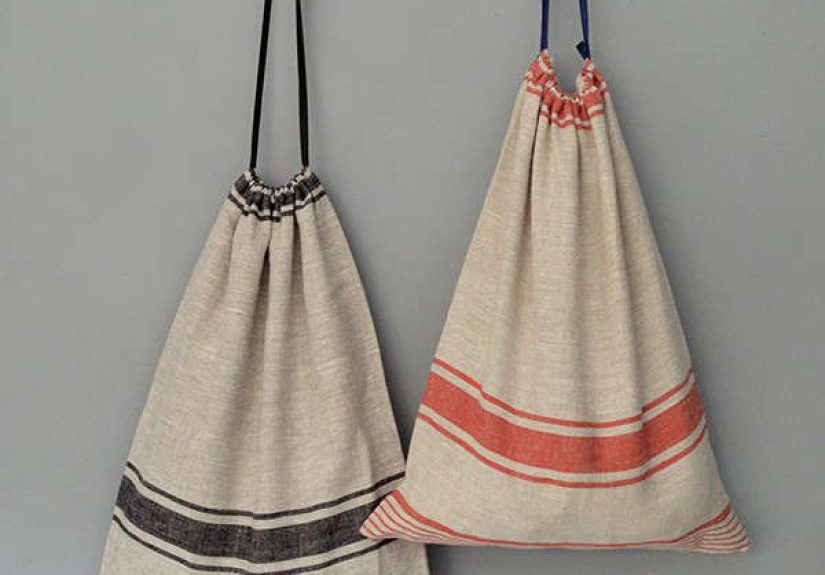
2. The Striped Linen Laundry Bag
If the plain natural linen bag is quiet luxury, the striped linen laundry bag is its cheerful cousin who owns good stationery. Stripes bring a classic household look to the laundry area without making the room feel busy. They also make the bag easier to identify when used for sorting: one stripe pattern for lights, another for darks, another for towels, and one for the clothes that require special handling because they were apparently designed by a committee of fabric divas.
A striped linen laundry bag is especially useful in family homes or shared households. Visual cues help everyone participate in sorting, even the person who claims they “didn’t know” the red sweatshirt should not go in with white towels. The bag becomes both storage and instruction manual, which is domestic efficiency at its finest.
Best Uses
Use striped linen bags for sorting laundry by color, fabric type, or household member. They are also great in children’s rooms because they feel less like a chore container and more like part of the decor. In a guest room, a striped bag gives visitors a polite place to put used towels, which is far better than the traditional guest method of leaving damp things in mysterious locations.
What to Look For
Look for woven or yarn-dyed stripes rather than prints that may fade quickly. A washable linen blend can be practical, but if your goal is a natural linen laundry bag, check the material description carefully. Strong drawstrings, neat seams, and a size that fits your weekly laundry rhythm are more important than decorative details alone.
3. The Hanging Natural Linen Laundry Bag
The hanging linen laundry bag is a small-space hero. It can hang on a wall hook, closet rod, bathroom peg, or the back of a door. This makes it perfect for apartments, tiny laundry rooms, narrow bathrooms, children’s rooms, RVs, cabins, and any home where floor space is already in a committed relationship with furniture.
Because it hangs vertically, this style keeps dirty clothes off the floor while still allowing easy access. It is also one of the cleanest-looking options. A natural linen hanging bag can blend into a minimalist room, farmhouse laundry nook, Scandinavian-style bathroom, or coastal bedroom without screaming, “Behold, the sock collection.”
Best Uses
Use a hanging linen bag for small daily loads, delicates awaiting wash day, reusable cloths, gym clothes, children’s laundry, or bathroom towels. It is also a smart secondary laundry station. Instead of putting one giant hamper in the bedroom, hang smaller linen bags in strategic places: one near the bathroom for towels, one near the closet for clothing, and one near the laundry room for items that need special care.
What to Look For
Pay attention to the hanging loop or handle. It should be wide, well-stitched, and strong enough to hold the bag when full. A flat back panel can help the bag sit neatly against a door or wall. If the bag will hang in a bathroom, choose a place with decent air circulation and avoid stuffing it with wet towels. Linen breathes, but laundry still needs common sense.
4. The Oversized Drawstring Linen Laundry Bag
The oversized drawstring linen laundry bag is the workhorse. It is made for bedding, towels, bulky clothing, seasonal textiles, and large household loads. If the carrying-strap bag is for movement and the hanging bag is for space saving, the oversized drawstring bag is for volume. It is the “yes, I can take all the sheets” option.
This style is especially useful for linen closets and household storage. A large natural linen bag can hold extra blankets, table linens, off-season pillow covers, beach towels, or winter scarves. Because linen is breathable, it is often a better storage choice than plastic for textiles that need airflow. It also looks better on an open shelf, which matters if your storage areas are visible.
Best Uses
Use oversized drawstring linen bags for family laundry, bedding, towels, camping textiles, vacation-house linens, and seasonal storage. They also work beautifully for travel by car. Pack dirty clothes in one large linen bag on the return trip, then empty it directly into the laundry room when you get home. This prevents the classic post-vacation ritual of discovering sandy socks in three different suitcases.
What to Look For
Look for generous dimensions, durable drawstrings, and seam reinforcement. A wide opening is helpful for bulky items. If you plan to use the bag for storage, choose undyed or lightly colored linen to reduce the chance of dye transfer. For laundry transport, handles are a bonus. For closet storage, a label tag can save future you from opening five bags to find the guest sheets.
How to Use Linen Laundry Bags the Smart Way
A linen laundry bag is simple, but using it well can make your whole laundry routine easier. The trick is to treat the bag as part of a system, not just a prettier place to hide chaos.
Sort Before Laundry Day
Instead of waiting until the washer is open to sort a mountain of clothing, create categories from the beginning. Use separate linen laundry bags for lights, darks, towels, delicates, and bedding. This makes wash day faster and helps prevent color transfer, fabric damage, and the tragic shrinking of garments that deserved a gentler fate.
Do Not Overfill the Bag
Overfilling is tempting because laundry is the only household task that appears to multiply when ignored. Still, a stuffed bag is harder to carry, harder to empty, and tougher on seams. Leave enough room to close the drawstring comfortably. If the bag looks like it is holding back a small explosion, it is time for two bags.
Keep Damp Items Moving
Linen is breathable, but damp towels, swimsuits, and sweaty workout clothes should not sit in any laundry bag for too long. Hang wet items to dry before placing them in the bag, or wash them promptly. This helps prevent odors and keeps the bag fresher between cleanings.
Wash the Bag Itself
Your laundry bag carries dirty laundry, so yes, it occasionally needs a bath of its own. Wash natural linen bags according to the care label, usually with cool or warm water and mild detergent. Air drying is often best, though some linen items can tolerate low tumble drying if the manufacturer allows it. Avoid harsh bleach unless the care instructions clearly say it is safe.
Natural Linen vs. Cotton, Mesh, and Plastic Laundry Bags
Different laundry bags have different strengths. Cotton is soft, washable, and widely available. Mesh is useful for delicates because water and detergent can flow through it easily during machine washing. Plastic or coated bags can be helpful for wet swimwear or travel emergencies, but they are less breathable for everyday storage.
Natural linen stands out because it combines breathability, durability, and design appeal. It is not always the cheapest choice, and it may wrinkle, but wrinkles are part of linen’s charm. A linen laundry bag does not try to look like plastic. It looks like fabric, lives like fabric, and gets better with use.
Design Ideas for a Better Laundry Area
Linen laundry bags can help turn a laundry corner into a thoughtful home system. Hang two natural linen bags on wall hooks above a small bench. Place an oversized drawstring bag inside a woven basket for a softer hamper. Use striped linen bags in a mudroom for sports uniforms, towels, and outdoor clothing. Keep a small hanging bag in the bathroom for washcloths and hand towels.
For a more organized look, choose bags in the same color family. Natural, oatmeal, flax, soft gray, and muted blue all pair well with wood, white walls, stone tile, and metal hooks. If your home leans colorful, striped linen adds personality without making the laundry room look like it joined a circus.
Buying Checklist for Natural Linen Laundry Bags
Before buying, think about how the bag will actually be used. A beautiful bag that does not fit your routine will become decorative clutter, which is just clutter wearing a nicer outfit.
- Material: Look for 100% linen or a high-linen blend if breathability and natural texture matter most.
- Weight: Medium-weight linen is a good balance for daily laundry; heavier linen is better for large loads.
- Closure: Drawstrings help contain laundry and make the bag useful for travel or storage.
- Handles: Choose straps or handles if you carry laundry to another room, floor, building, or laundromat.
- Size: Smaller bags are best for sorting; oversized bags are best for bedding and family laundry.
- Washability: A laundry bag should be washable. If it cannot be cleaned easily, it is auditioning for the wrong job.
- Seams: Reinforced stitching matters, especially near handles, loops, and drawstring channels.
Experience Notes: Living With Natural Linen Laundry Bags
After using natural linen laundry bags in a real home routine, the biggest surprise is not how pretty they look, although that helps. The biggest surprise is how much calmer the laundry process becomes when the bags create small, obvious systems. One bag for towels. One bag for darks. One hanging bag for delicates. Suddenly, wash day feels less like a rescue mission and more like a sequence of small, manageable steps.
A carrying-strap linen laundry bag is especially useful in homes where the washer is not conveniently located. If you have to walk to a basement, shared laundry room, or laundromat, a soft bag with a strap beats carrying a hard basket against your hip while trying not to drop socks in public. The strap also helps when carrying bedding because the load can be bulky but not necessarily heavy. It is one of those features that seems minor until you use it, and then every strapless laundry bag begins to look personally unreasonable.
The hanging linen laundry bag shines in bathrooms and bedrooms. It keeps clothing off the floor, which instantly makes a room look tidier. It is especially helpful for small spaces where a traditional hamper blocks a closet door or makes the room feel crowded. A hanging bag behind the bathroom door can collect washcloths and hand towels, while a second one in the closet can hold clothing that needs a gentle cycle. The key is not to overload it. Hanging bags work best when they are emptied regularly, not when they are treated like a fabric elevator carrying three weeks of laundry.
Striped linen bags are excellent for families because they reduce decision fatigue. When the system is visual, people are more likely to use it correctly. Even children can learn that one pattern means towels and another means clothes. Will they always follow the system? Of course not. Children are creative, and sometimes a sock belongs in the toy bin for reasons known only to the sock. But the bag system still helps.
The oversized drawstring linen bag is the most versatile. It works for sheets, blankets, beach towels, and off-season storage. It also makes post-trip unpacking easier. During travel, keep clean clothes in packing cubes or drawers and toss worn clothes into the linen bag. When you get home, the bag goes straight to the laundry room. No sniff tests, no suitcase archaeology, no wondering whether a shirt is clean because it was folded “clean-ish.”
There are a few lessons worth learning early. First, do not put soaking wet items into a linen bag and forget about them. Hang damp towels or swimsuits first. Second, wash the bags occasionally. They are part of the laundry ecosystem, not sacred artifacts. Third, choose the right size. A huge bag sounds convenient, but if you live alone, it may encourage laundry avoidance until the bag becomes a textile boulder. For most households, several medium bags are more practical than one gigantic one.
The best part of natural linen laundry bags is that they make an ordinary chore feel more intentional. They do not fold the clothes for you, sadly. They do not match socks, negotiate with fitted sheets, or remind teenagers that towels can be reused. But they do make sorting, storing, carrying, and organizing laundry easier. In domestic science, that counts as a quiet victory.
Conclusion
Natural linen laundry bags prove that practical household tools do not have to be ugly, disposable, or hidden behind a closet door. A carrying-strap bag helps with transport, a striped linen bag improves sorting, a hanging bag saves space, and an oversized drawstring bag handles bedding, towels, and storage. Together, these four styles create a smarter, calmer laundry routine with better airflow, better organization, and a lot more charm.
If you want a laundry upgrade that does not require remodeling, rewiring, or buying a washing machine that speaks twelve languages, start with the bag. Choose washable linen, sturdy stitching, useful closures, and the right size for your home. Your laundry pile may still existdomestic science has limitsbut at least it will be beautifully contained.
Note: This article synthesizes practical home organization, fabric-care, laundry-care, and sustainable living information from reputable U.S.-focused editorial, consumer, and public guidance sources, rewritten in original language for web publication.