Table of Contents >> Show >> Hide
- Why a Waste Bin Deserves Design Attention
- The Authentics Design Philosophy: Practical, Clean, and Unfussy
- Konstantin Grcic and the Beauty of Everyday Engineering
- Materials: Why Polypropylene Makes Sense
- Colorful Waste Bins and the Psychology of Sorting
- Where Authentics Bins Work Best
- Design Details That Matter More Than You Think
- How Colorful Bins Support Better Recycling Habits
- German Design, Everyday Discipline, and a Little Joy
- Buying Tips: Choosing the Right Authentics Waste Bin
- Care and Maintenance
- Experience Section: Living with Colorful Waste Bins
- Conclusion
Trash cans rarely get invited to the design party. They stand in corners, hide under sinks, and accept banana peels, junk mail, and the occasional mystery object nobody wants to discuss. But every so often, a humble household item steps into the spotlight and says, “Excuse me, I also have cheekbones.” That is the charm of Domestic Science: Colorful Waste Bins from Authentics in Germanya story about how practical German design can turn everyday waste sorting into something cleaner, smarter, and surprisingly cheerful.
Authentics, the German home and accessories brand associated with functional, long-lasting household products, has built a reputation for giving ordinary objects a sharper sense of purpose. The brand works with respected designers and focuses on clear forms, useful details, and durable materials. Its colorful waste bins are not just containers; they are small domestic systems that help people organize life at home, in the office, in the bathroom, and anywhere crumbs and receipts mysteriously multiply.
Why a Waste Bin Deserves Design Attention
Most people think about waste bins only when they smell suspicious or when the bag collapses inside like a defeated parachute. Yet bins shape daily habits. A well-designed bin makes it easier to separate recycling, hide mess, clean quickly, and maintain a pleasant room. A poorly designed one does the opposite: it leaks, tips, clatters, traps odors, and visually announces, “I was bought in a panic.”
Authentics approaches the waste bin as a tool of domestic science. The phrase sounds charmingly serious, like a school lesson involving aprons and clipboards, but the idea is simple: better household objects can improve everyday behavior. Colorful waste bins help people make faster decisions. A blue bin can suggest paper or mixed recycling. A green bin can signal compost or organics. A black bin can serve general trash. Even without universal color rules in every city, color coding brings visual order to routines that are otherwise easy to ignore.
The Authentics Design Philosophy: Practical, Clean, and Unfussy
Authentics is known for industrially produced design objects for everyday life. The company has worked with international designers to create home accessories that favor simplicity and function over decoration for decoration’s sake. That does not mean the objects are boring. In fact, the best Authentics products often have a quiet wink: a curve where you expect a box, a lid that behaves better than expected, a color that makes cleaning day feel less like a punishment.
What makes the colorful waste bins especially interesting is that they do not try to disguise themselves as furniture. They remain bins. They accept the job. But they do it with better proportions, smoother materials, and a visual confidence that works in modern interiors. In a white kitchen, a bright bin becomes an accent. In a home office, a compact paper basket can look intentional instead of accidental. In a bathroom, a small lidded bin keeps visual clutter under control.
Konstantin Grcic and the Beauty of Everyday Engineering
One of the key names connected with Authentics waste-bin design is Konstantin Grcic, the influential German industrial designer born in Munich. Grcic trained as a cabinetmaker before studying design at the Royal College of Art in London, a background that helps explain his precise approach to form, construction, and use. His work often feels logical, geometric, and stripped down, but never lazy. It asks, “What does this object need to do?” and then removes the nonsense.
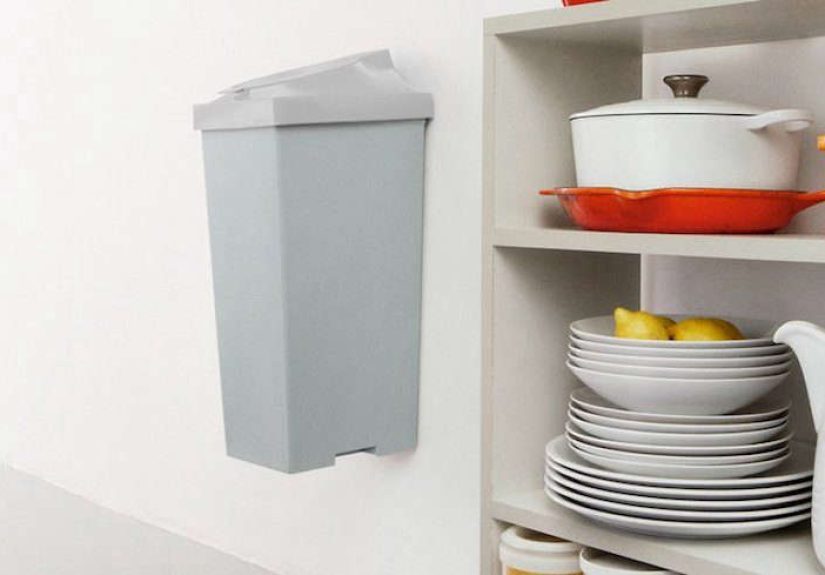
The Authentics Tip pedal bin is a good example. Many pedal bins hide complicated lifting mechanisms inside the body. Grcic’s design simplifies that movement with an external mechanism using metal rods and a rubber hinge. The result is visually distinctive and easy to understand. Instead of pretending the mechanism does not exist, the bin lets it become part of the design language. It is a little like seeing the gears of a good watch, except this watch handles coffee grounds.
Materials: Why Polypropylene Makes Sense
Several Authentics bins and buckets are made from polypropylene, often shortened to PP. In household objects, polypropylene is valued because it is light, durable, moisture-resistant, and easy to clean. Those qualities matter in a bin. A waste container should not be precious. It should survive daily use, tolerate wiping, and remain stable when someone tosses in a crumpled grocery receipt from three feet away with questionable athletic confidence.
Plastic in design deserves thoughtful discussion. The best case for a plastic household product is not that it exists cheaply, but that it lasts, functions well, and reduces the need for frequent replacement. A durable bin that serves for years can be a better choice than a flimsy one that cracks, stains, or becomes annoying after two months. Authentics’ approach works best when buyers treat these bins as long-term tools, not disposable décor.
Colorful Waste Bins and the Psychology of Sorting
Color is not just decoration. It is instruction at a glance. In busy homes, shared apartments, studios, and offices, people often do the right thing only when the right thing is obvious. If recycling requires opening three identical gray lids and reading tiny labels, enthusiasm drops fast. Add color, and the process becomes easier. Paper goes here. Compost goes there. Mystery trash goes in the bin of shame.
Color-coded waste bins can also improve accessibility. High-contrast colors, consistent placement, and clear labels help children, guests, older adults, and people with certain visual or cognitive challenges participate in household sorting. A beautiful waste system should not require a user manual. It should guide people naturally, even before they have had coffee.
Where Authentics Bins Work Best
In the Kitchen
The kitchen is the command center of household waste. Packaging, food scraps, paper towels, bottle caps, and empty cartons all pass through it. A colorful Authentics waste bin can help separate general trash from recyclables or compost. A larger pedal bin works well for daily waste, while smaller matching containers can handle glass, paper, or dry recyclables. The goal is not to create a laboratory under the sink. The goal is to make sorting easy enough that people actually do it.
In the Bathroom
Bathrooms need bins that are compact, easy to clean, and visually calm. Authentics’ bathroom-oriented designs, including rounded forms with controlled openings, show how a small bin can hide contents without becoming fussy. In bathrooms, the best waste bin is polite. It holds cotton pads, tissues, packaging, and other small items without demanding attention.
In the Home Office
The paper basket is the classic office bin, but it does not have to look like a sad wire cage. Authentics’ geometric wastepaper baskets make dry waste feel tidier. A colorful paper bin beside a desk can create an easy system: paper in one container, general trash elsewhere. The result is a workspace that looks more intentional and less like a printer sneezed.
In Kids’ Rooms and Creative Spaces
Children respond well to color-based systems. A bright bin for paper scraps, another for craft waste, and a smaller container for reusable materials can turn cleanup into a game. Designers and artists can also benefit from visible sorting. In creative rooms, waste is often part of the process, and a good bin keeps that process from taking over the floor.
Design Details That Matter More Than You Think
A successful waste bin depends on many small decisions. The rim must hold a bag securely. The lid must close properly. The surface must wipe clean. The footprint must feel stable. The size must match the room. If the bin is too small, it becomes useless by lunchtime. If it is too large, it dominates the space like a plastic monument to leftovers.
Authentics’ best waste-bin designs focus on these practical details. The Tip pedal bin uses a removable ring to secure the liner and conceal excess bag material. That one feature solves a surprisingly common problem: the ugly trash-bag ruffle. It is a small improvement, but small improvements are the backbone of good domestic design.
How Colorful Bins Support Better Recycling Habits
Recycling is not only about good intentions. It is about systems. A person may care deeply about sustainability and still toss a yogurt cup into the wrong bin because the setup is confusing. Clear bins, consistent colors, and simple labels reduce friction. They also reduce contamination, which happens when non-recyclable or dirty materials end up mixed with recyclables.
A home waste station can be simple: one bin for landfill waste, one for mixed recycling, one for paper, and one small container for food scraps if local composting is available. The exact setup should match local rules. In many U.S. communities, recycling requirements vary by city or county, so homeowners should check local guidelines before assigning colors. Design helps, but the local recycling program gets the final vote.
German Design, Everyday Discipline, and a Little Joy
German product design is often associated with discipline, engineering, and restraint. Authentics fits that tradition, but the colorful waste bins add warmth. They prove that functional objects do not have to look severe. A bin can be rational and playful at the same time. It can be serious about sorting and still brighten the laundry room.
This balance is what makes the Authentics approach appealing for modern homes. People want interiors that feel clean and organized, but they also want personality. Colorful bins offer both. They are not loud in the way novelty products are loud. They are confident, practical accents that make a room work better.
Buying Tips: Choosing the Right Authentics Waste Bin
Choose by Room First
Before choosing a color, decide where the bin will live. Kitchens need larger capacity and easy bag changes. Bathrooms need compact, washable designs. Offices need dry-waste baskets that fit under or beside a desk. Laundry rooms may benefit from bins that can handle packaging, lint, and cleaning-product waste.
Match Capacity to Real Habits
A seven-liter bin can be perfect for a bathroom or small office, but it may be too small for a busy kitchen. A 15-liter pedal bin suits many households for daily trash. A 30-liter bin makes sense for larger kitchens, studios, or shared spaces. The right size prevents overflow, and overflow is where civilization begins to wobble.
Use Color with Purpose
Do not choose colors randomly if the bins are part of a sorting system. Pick a color logic and keep it consistent. For example, blue for paper or mixed recycling, green for compost, black for general waste, and white for bathroom trash. Add labels if guests or children will use the system. A beautiful bin is good; a beautiful bin people understand is better.
Think Long-Term
Choose a bin you will not be tired of next season. Bright colors are fun, but the shape and function matter more. Authentics bins work best for people who appreciate long-lasting design, easy cleaning, and objects that quietly improve daily life.
Care and Maintenance
Keeping a polypropylene waste bin clean is usually straightforward. Empty it regularly, wipe the inside with mild soap and water, and dry it before replacing the bag. Avoid harsh abrasives that can scratch the surface. For pedal bins, keep the mechanism free of sticky spills or dust buildup. If a liner ring is included, clean it separately because that part often catches small messes.
Odor control also depends on behavior. Food waste should be removed often, especially in warm weather. Recycling should be rinsed when local rules require it. Bathroom bins should be emptied before small items compress into an archaeological layer. The bin can help, but it cannot perform miracles. It is German design, not wizardry.
Experience Section: Living with Colorful Waste Bins
Using colorful waste bins from Authentics changes the mood of household chores in a surprisingly real way. At first, the difference seems visual. A bright blue or green bin simply looks better than a random plastic container shoved into a corner. But after a few days, the real benefit becomes behavioral. The room feels more organized because the decision-making is easier. There is a place for paper, a place for packaging, a place for general waste, and nobody has to conduct a committee meeting over an empty cereal box.
In a kitchen, the experience is especially noticeable. When bins are clearly separated, cleanup after cooking becomes faster. Vegetable scraps can go directly into a compost container if your local system supports it. Cardboard sleeves and clean packaging can move into recycling. General waste stays separate. The process feels less like “taking out the trash” and more like resetting the room. That small shift matters because households repeat this routine every day.
In a home office, a well-designed paper bin can make the desk area feel calmer. Paper clutter is sneaky. It begins as one envelope, then becomes a pile, then becomes a landscape. A good wastepaper basket gives paper a destination. If the bin is attractive enough to remain visible, it is also more likely to be used. This is one of the secrets of functional design: the best object is the one you do not hide so successfully that you forget it exists.
Guests also respond to visible sorting systems. When bins are color coded and placed logically, people tend to follow the system without asking. A visitor may not know your local recycling rules, but a blue bin labeled “Recycling” and a black bin labeled “Trash” removes most uncertainty. The bins become quiet hosts. They guide behavior without scolding anyone, which is more than can be said for some kitchen appliances.
Parents may find colorful bins helpful for children. Cleanup becomes easier when children can associate colors with categories. Paper scraps in the blue bin. Snack wrappers in the trash bin. Reusable craft pieces in a storage box. The system teaches responsibility without turning the home into a lecture hall. Children enjoy clear rules when the rules are visual, simple, and consistent.
The design also improves how people feel about sustainability. Many eco-friendly habits fail because they are inconvenient or visually messy. Colorful Authentics bins make the routine feel intentional. They suggest that waste sorting belongs inside a designed home, not hidden awkwardly behind a cabinet door. That does not solve every environmental challenge, of course, but it does make daily participation easier. And daily participation is where better habits begin.
The most memorable part of living with these bins is that they make an invisible routine visible in a good way. Waste does not disappear just because a bin is ugly. Recycling does not improve because a container is hidden. A thoughtful bin acknowledges the reality of domestic life: people cook, clean, unwrap, discard, sort, and repeat. Authentics adds color and order to that rhythm. It takes the least glamorous object in the room and gives it a little dignity. Honestly, if a trash can can develop self-respect, there may be hope for the junk drawer too.
Conclusion
Domestic Science: Colorful Waste Bins from Authentics in Germany is more than a design curiosity. It is a reminder that everyday objects shape everyday habits. Authentics’ colorful bins combine German practicality, modern materials, smart engineering, and visual clarity. Whether used in a kitchen, bathroom, office, or creative studio, these bins make waste sorting simpler and interiors more cheerful.
The best household design does not shout. It solves. It turns small annoyances into smoother routines. It makes recycling easier, cleaning faster, and clutter less dramatic. Authentics waste bins prove that even trash deserves thoughtful designand perhaps a decent color palette.