Table of Contents >> Show >> Hide
- What Is Exophthalmos?
- Common Causes of Exophthalmos
- Symptoms of Exophthalmos
- When Is Exophthalmos an Emergency?
- How Doctors Diagnose Exophthalmos
- Treatment for Exophthalmos
- Can Exophthalmos Be Prevented?
- Living With Exophthalmos
- Practical Experiences and Everyday Lessons About Exophthalmos
- Conclusion
Exophthalmos is the medical term for eyes that appear to bulge or protrude forward from the eye sockets. It is also commonly called proptosis or simply “bulging eyes.” While the phrase may sound like something from a cartoon character who just saw the restaurant bill, exophthalmos is a real clinical sign that deserves careful attention.
In many cases, exophthalmos is linked to thyroid eye disease, especially Graves’ disease, an autoimmune condition that can affect the thyroid gland and the tissues around the eyes. However, thyroid disease is not the only possible cause. Infections, inflammation, tumors, trauma, vascular problems, and certain childhood conditions can also lead to one or both eyes pushing forward.
The key point is simple: exophthalmos is not usually a disease by itself. It is a sign that something behind or around the eye may be causing pressure, swelling, or tissue expansion. Understanding the cause is the first step toward choosing the right treatment and protecting vision.
What Is Exophthalmos?
Exophthalmos happens when one or both eyeballs protrude abnormally from the orbit, which is the bony socket that protects the eye. Some people naturally have more prominent-looking eyes because of facial structure or genetics. That is different from true exophthalmos, where the eye position changes due to an underlying medical issue.
Doctors may use the terms exophthalmos and proptosis somewhat interchangeably, although proptosis is often used more broadly to describe forward displacement of the eye from any cause. In everyday health writing, both terms usually refer to the same visible problem: an eye that appears to bulge forward.
Exophthalmos can affect:
- One eye: This is called unilateral exophthalmos and may suggest infection, injury, tumor, bleeding, or a vascular problem.
- Both eyes: This is called bilateral exophthalmos and is often associated with thyroid eye disease, especially Graves’ disease.
Because the eye is delicate and vision is precious, new or worsening eye bulging should always be evaluated by a healthcare professional. Eyes are not exactly known for “wait and see” as a winning strategy.
Common Causes of Exophthalmos
There are several possible causes of exophthalmos. Some develop slowly over months, while others appear quickly and may require urgent care.
1. Graves’ Disease and Thyroid Eye Disease
The most common medical cause of exophthalmos in adults is thyroid eye disease, which is often related to Graves’ disease. Graves’ disease is an autoimmune disorder in which the immune system mistakenly stimulates the thyroid gland, often causing hyperthyroidism, or an overactive thyroid.
In thyroid eye disease, the immune system also attacks tissues around the eyes. The muscles and soft tissues inside the orbit become inflamed, swollen, and sometimes scarred. Since the orbit is a tight bony space with no extra closet storage, the swelling pushes the eye forward.
Thyroid eye disease may cause bulging eyes, eyelid retraction, redness, pressure, dry eyes, double vision, and, in severe cases, vision loss. It can occur in people with Graves’ disease, but it may also appear in people with normal or underactive thyroid function.
2. Orbital Cellulitis and Other Infections
Orbital cellulitis is a serious infection involving the tissues around the eye. It can cause sudden eye bulging, pain, swelling, fever, redness, and difficulty moving the eye. This condition can become dangerous quickly, especially in children, and needs urgent medical attention.
Infections may spread from the sinuses, skin, bloodstream, or nearby facial structures. Treatment often requires antibiotics, and severe cases may need hospital care or surgery to drain an abscess.
3. Tumors or Growths Behind the Eye
A tumor, cyst, or abnormal growth inside the orbit can push the eye forward. These growths may be benign or cancerous. In adults, orbital tumors may include lymphoma, metastases from other cancers, meningioma, or vascular tumors. In children, rare but serious causes may include rhabdomyosarcoma, leukemia, neuroblastoma, or histiocytosis.
One important clue is slow, progressive bulging in one eye. It may not hurt at first, which is exactly why it should not be ignored. The absence of pain does not always mean the absence of trouble.
4. Inflammation Around the Eye
Inflammatory orbital disease, sometimes called orbital inflammatory pseudotumor, can cause swelling, pain, and proptosis. This condition is not a cancer, but it can mimic one. Doctors often use imaging tests and lab work to distinguish inflammation from infection, thyroid disease, or tumors.
5. Injury or Bleeding in the Orbit
Trauma to the face or eye socket can cause bleeding behind the eye. When blood collects in the tight orbital space, it can push the eye forward and increase pressure. This may be an emergency if vision is threatened.
6. Vascular Problems
Abnormal blood vessel connections, such as a carotid-cavernous fistula, can cause pulsating eye bulging, redness, eye pressure, and a whooshing sound in the head. These conditions are uncommon but important because they may require specialized treatment.
Symptoms of Exophthalmos
The most obvious symptom of exophthalmos is one or both eyes appearing to bulge outward. However, many people also experience other eye symptoms, especially when the eyelids cannot fully protect the surface of the eye.
Common symptoms include:
- Bulging or protruding eyes
- Dry, gritty, or irritated eyes
- Redness or inflammation
- Watery eyes
- Eye pressure or discomfort
- Puffy or retracted eyelids
- Difficulty closing the eyelids completely
- Light sensitivity
- Blurred vision
- Double vision
- Pain when moving the eyes
- Reduced color vision or dimmer vision in severe cases
With thyroid eye disease, people may notice a “staring” appearance because the upper eyelids pull back. The whites of the eyes may become more visible above or below the iris. Some people first notice the change in photos, especially when a family member says, “Your eyes look different,” which is not always the kind of photo feedback anyone wants.
When Is Exophthalmos an Emergency?
Some cases of exophthalmos develop slowly, but others require immediate care. Seek urgent medical attention if bulging eyes are accompanied by:
- Sudden vision changes
- Loss of vision
- Severe eye pain
- Fever
- Sudden swelling around one eye
- Difficulty moving the eye
- Double vision that appears suddenly
- Recent trauma to the eye or face
- Bulging of one eye in a child
These symptoms may point to infection, bleeding, optic nerve compression, or another serious condition. Vision problems are best treated like smoke from an engine: maybe it is minor, but you still do not keep driving and hope for the best.
How Doctors Diagnose Exophthalmos
Diagnosis begins with a medical history and physical examination. A doctor will ask when the eye changes started, whether one or both eyes are affected, and whether symptoms such as pain, fever, double vision, thyroid symptoms, or vision changes are present.
Eye Examination
An ophthalmologist may check:
- Visual acuity
- Eye movement
- Color vision
- Pupil response
- Eye pressure
- Eyelid position
- Corneal dryness or damage
- Degree of eye protrusion using an exophthalmometer
An exophthalmometer measures how far the eye protrudes from the orbit. This helps doctors monitor whether the condition is stable, improving, or getting worse.
Blood Tests
If thyroid eye disease is suspected, blood tests may measure thyroid hormone levels, thyroid-stimulating hormone, and thyroid antibodies. These tests help determine whether Graves’ disease, hyperthyroidism, hypothyroidism, or another thyroid disorder is involved.
Imaging Tests
CT scans or MRI scans may be used to look inside the orbit. Imaging can show enlarged eye muscles, inflammation, tumors, abscesses, bleeding, or optic nerve compression. Imaging is especially important when one eye is affected, symptoms are sudden, or the diagnosis is unclear.
Treatment for Exophthalmos
Treatment depends on the cause, severity, and whether vision is at risk. There is no one-size-fits-all treatment because exophthalmos is a sign, not a single disease.
1. Treating the Underlying Cause
If thyroid disease is involved, doctors work to stabilize thyroid function. This may include antithyroid medications, radioactive iodine, beta blockers, or thyroid surgery, depending on the person’s thyroid condition. However, treating thyroid hormone levels alone may not fully reverse eye bulging because thyroid eye disease can follow its own course.
If infection is the cause, antibiotics are usually needed. If a tumor is causing pressure, surgery, radiation, chemotherapy, or another targeted treatment may be considered depending on the diagnosis.
2. Eye Lubrication and Surface Protection
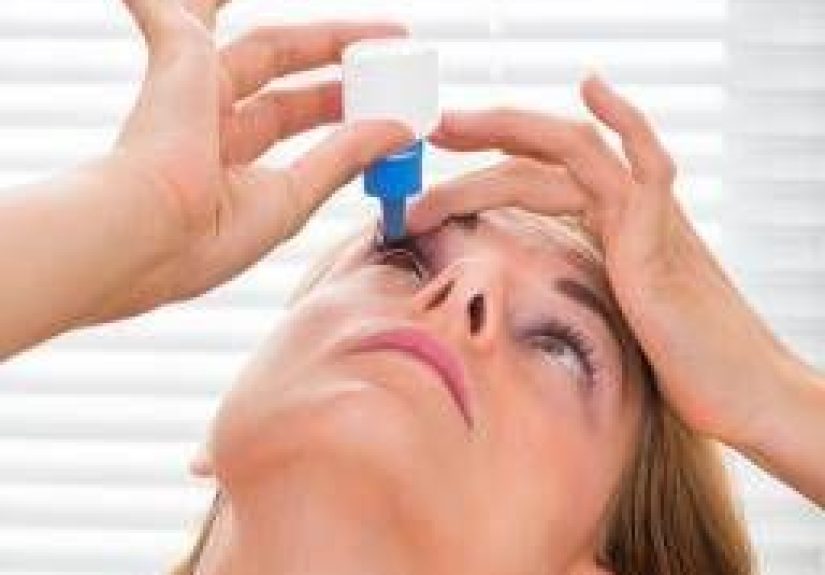
When the eyes bulge, the eyelids may not close completely. This exposes the cornea to dryness, irritation, and injury. Artificial tears, lubricating gels, nighttime ointments, moisture shields, or taping the eyelids closed during sleep may help protect the eye surface.
For mild thyroid eye disease, conservative care may include artificial tears, cold compresses, sleeping with the head elevated, avoiding smoke, and reducing eye strain.
3. Steroids and Anti-Inflammatory Treatment
Corticosteroids may be used to reduce inflammation and swelling, especially in active thyroid eye disease or inflammatory orbital disease. They may be given by mouth, injection, or intravenously, depending on severity.
Steroids can be powerful, but they are not casual “just in case” medicines. They can have side effects and should be used under medical supervision.
4. Teprotumumab for Thyroid Eye Disease
Teprotumumab is a targeted medication used for some people with thyroid eye disease. It works by blocking a pathway involved in the abnormal immune response affecting tissues around the eye. It may reduce eye bulging, swelling, and double vision in selected patients.
This treatment is not appropriate for everyone, and doctors consider factors such as disease activity, severity, medical history, hearing concerns, blood sugar issues, pregnancy status, and overall risk-benefit balance.
5. Treatment for Double Vision
Double vision can happen when swollen or scarred eye muscles prevent the eyes from moving together properly. Treatment may include prism glasses, patching one eye temporarily, medications during the active inflammatory phase, or eye muscle surgery once the condition has stabilized.
6. Orbital Radiation
Orbital radiation may be considered in selected cases of active thyroid eye disease, especially when inflammation affects eye muscles. It is not used for every patient, and specialists weigh the possible benefits and risks carefully.
7. Surgery
Surgery may be needed when exophthalmos threatens vision, causes severe corneal exposure, or leads to persistent appearance or alignment problems after inflammation has stabilized.
Common surgical options include:
- Orbital decompression surgery: Creates more space in the orbit so the eye can move back into a safer position.
- Eyelid surgery: Helps the eyelids cover and protect the eye more effectively.
- Eye muscle surgery: Helps correct double vision caused by muscle restriction or misalignment.
In thyroid eye disease, surgery is often delayed until the disease becomes inactive and stable, unless urgent surgery is needed to protect vision.
Can Exophthalmos Be Prevented?
Not every case can be prevented, especially when autoimmune disease, tumors, or genetic factors are involved. However, people at risk for thyroid eye disease can take practical steps to reduce the chance of worsening symptoms.
Helpful strategies may include:
- Managing thyroid disease carefully
- Keeping regular endocrinology and eye care appointments
- Stopping smoking and avoiding secondhand smoke
- Using artificial tears when dryness begins
- Wearing sunglasses for light sensitivity and wind protection
- Seeking care early for eye redness, pain, bulging, or double vision
Smoking is especially important. People with thyroid eye disease who smoke tend to have a higher risk of more severe symptoms and poorer treatment response. In other words, if your eyes could vote, they would vote against tobacco every single time.
Living With Exophthalmos
Exophthalmos can affect more than vision. It can change appearance, confidence, sleep, reading comfort, driving ability, and daily mood. Some people feel self-conscious in photos or social situations. Others worry that people are staring at them. Those feelings are valid.
The good news is that many causes of exophthalmos can be treated or managed. Early diagnosis can protect the cornea, reduce inflammation, improve comfort, and prevent serious complications. For thyroid eye disease, care often involves a team that may include an ophthalmologist, endocrinologist, oculoplastic surgeon, neuro-ophthalmologist, and primary care clinician.
Practical Experiences and Everyday Lessons About Exophthalmos
People dealing with exophthalmos often describe the experience as confusing at first. The earliest signs may be subtle: eyes feeling dry in the morning, makeup sitting differently on the eyelids, contact lenses becoming uncomfortable, or photos showing a more wide-eyed look than usual. Because these changes can happen gradually, many people blame allergies, lack of sleep, screen time, or stress. Sometimes those things do contribute to irritation, but they do not explain true eye protrusion.
One common experience is the “dry eye spiral.” When the eyes protrude, the eyelids may not fully close during sleep. The cornea dries out overnight, causing burning, watering, redness, and a gritty feeling in the morning. Ironically, watery eyes can be a sign of dryness because the eye is producing reflex tears in panic mode. It is basically the eye’s version of turning on every sprinkler because one houseplant looked thirsty.
Another frequent challenge is double vision. Someone may notice that road signs look split, reading becomes tiring, or stairs feel harder to judge. Double vision can be intermittent at first, appearing only when looking up, down, or sideways. This symptom should be discussed with an eye specialist because it may indicate eye muscle involvement. Prism glasses, temporary patching, or medical treatment may help, depending on the cause and stage of the disease.
People with thyroid eye disease often learn that thyroid numbers and eye symptoms do not always move in perfect harmony. A person’s thyroid blood tests may improve while eye swelling continues, or eye symptoms may begin before thyroid disease is diagnosed. This can be frustrating, but it is a known feature of thyroid eye disease. The immune activity in the orbit can behave like a stubborn guest who keeps talking after the party is over.
Daily habits can make a real difference in comfort. Many patients benefit from preservative-free artificial tears during the day and thicker lubricating ointment at night. Sunglasses can help with light sensitivity and wind. Sleeping with the head slightly elevated may reduce morning puffiness. Taking breaks from screens helps because people blink less when staring at computers, phones, or tablets. A humidifier may also help in dry rooms, especially during winter or in air-conditioned spaces.
Emotional support matters too. Changes in eye appearance can affect self-esteem. Some people avoid photos or feel anxious in conversations because they think others are noticing their eyes. A good care plan should address both medical and emotional concerns. Support groups, counseling, honest conversations with family, and clear explanations from healthcare professionals can make the condition feel less isolating.
The most important lesson is not to dismiss new eye bulging. Early care can prevent complications, especially corneal damage and optic nerve problems. If the eye looks different, feels painful, becomes red and swollen, or vision changes, it is worth getting checked. Exophthalmos is one of those symptoms where being “a little dramatic” about seeking care is actually the responsible move.
Conclusion
Exophthalmos, or bulging eyes, is a visible sign that something may be affecting the tissues behind or around the eye. Graves’ disease and thyroid eye disease are among the most common causes, but infections, tumors, inflammation, trauma, and vascular problems can also be responsible.
Symptoms may include eye protrusion, dryness, redness, pressure, eyelid changes, double vision, and blurred vision. Sudden bulging, pain, fever, or vision loss should be treated urgently. Diagnosis may involve an eye exam, thyroid blood tests, imaging, and specialist evaluation.
Treatment depends on the cause. Options may include artificial tears, thyroid treatment, antibiotics, corticosteroids, teprotumumab, prism glasses, radiation, or surgery. The earlier the cause is identified, the better the chances of protecting vision and improving comfort.
Note: This article is for educational purposes only and does not replace professional medical advice. Anyone with new, worsening, painful, or one-sided eye bulging should contact a qualified healthcare professional.