Table of Contents >> Show >> Hide
- What Are Halston Espresso Cups – Navy?
- Why the Size Works for Espresso
- Why Ceramic Still Wins
- The Power of Navy in a Coffee Corner
- Handmade Appeal Without the Preciousness
- How to Style Halston Espresso Cups – Navy at Home
- Who Will Love These Cups Most?
- Final Thoughts
- A Longer Take: The Experience of Living With Halston Espresso Cups – Navy
- SEO Tags
Note: Clean HTML version for web publishing; source-code clutter removed.
Some kitchen pieces scream for attention. Others walk into the room, straighten their collar, and quietly become the best-dressed item on the shelf. That is the energy of Halston Espresso Cups – Navy. These small-batch ceramic cups have the kind of understated confidence that makes an espresso ritual feel less like a caffeine emergency and more like a stylish daily ceremony. In other words, they are tiny, handsome, and absolutely not here to hold your giant oat milk latte.
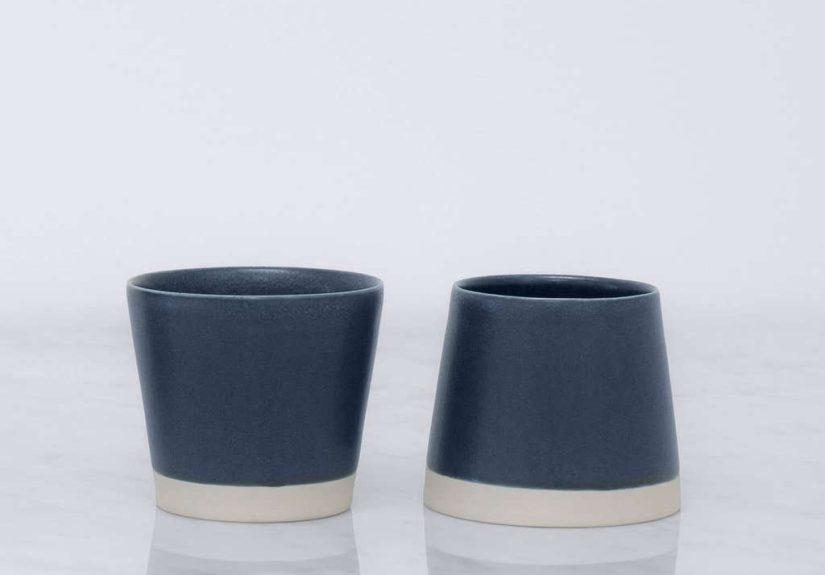
If you are searching for navy espresso cups that feel artisan-made, visually rich, and practical enough for real life, Halston’s appeal is easy to understand. The published product details point to a compact clay cup measuring about 2.25 inches high by 2.5 inches wide, finished in an opaque navy glaze, made in Ireland, and designed for everyday use with dishwasher and microwave compatibility. That combination matters. It means you are not just buying a pretty object for a shelf; you are choosing a cup that can actually keep pace with your morning routine.
This article takes a closer look at what makes Halston Espresso Cups – Navy special, why their size and material work so well for espresso, how the color fits into modern kitchens, and what kind of coffee lover will appreciate them most. And yes, we are also going to talk about the oddly satisfying feeling of serving espresso in a cup that looks like it belongs in a boutique hotel you cannot quite afford but deeply admire.
What Are Halston Espresso Cups – Navy?
At their core, Halston Espresso Cups – Navy are handcrafted ceramic espresso cups with a refined, minimalist look. Published U.S. editorial and retail references describe them as small-batch clay cups made in Ireland, with an opaque navy finish and dimensions that place them squarely in the espresso-cup family. They were also associated with artisan production and hand-finished presentation, which gives them the kind of character mass-market drinkware often struggles to fake.
That matters because espresso cups do a lot of work in very little space. A good demitasse should feel balanced in the hand, proportionate to a single or double shot, and durable enough to survive repeated use. The Halston version appears to lean into exactly that formula: compact footprint, substantial ceramic construction, and a deep navy tone that feels elevated without becoming fussy.
It also helps that the design does not rely on trendy gimmicks. No novelty sayings. No giant ear-shaped handle. No suspiciously motivational quote about “hustle.” Just a clean, contemporary espresso cup that understands the assignment.
Why the Size Works for Espresso
Espresso is a small drink with a big personality, so the cup has to be proportioned correctly. Reviews and buying guides from major U.S. food and coffee publishers consistently point to espresso cups in the roughly 2- to 4-ounce range as the sweet spot, especially when you want room for crema without making the drink feel visually lost in the vessel. In practical terms, the Halston cup’s dimensions line up well with what many experts consider ideal for a single or double shot.
Small cup, better experience
When a cup is too large, espresso can look sad, cool too quickly, and lose some of the visual drama that makes the drink feel special. A more compact cup keeps the serving intentional. It frames the shot properly, gives the crema a stage, and makes the drink feel like a finished piece instead of a tiny accident in a giant mug.
That is one reason espresso cups are often shorter and more compact than standard coffee mugs. You are not meant to disappear into the drink for half an hour. Espresso is brief, concentrated, and theatrical. The cup should match that energy.
Shape helps, too
Home coffee experts often emphasize the importance of cup shape, rim width, and handle comfort. A good espresso cup should be easy to hold, easy to sip from, and substantial enough to feel stable on a counter or saucer. The Halston dimensions suggest a shape that is compact but not cramped, which is exactly what many espresso drinkers want: something small, but not toy-like.
Why Ceramic Still Wins
There are plenty of espresso cup materials out there: glass, porcelain, stainless steel, even the occasional design experiment that looks terrific online and slightly ridiculous in person. But ceramic continues to hold its ground for a reason. It offers warmth, durability, pleasing weight, and a tactile quality that makes a daily coffee routine feel more grounded.
In the case of Halston Espresso Cups – Navy, the clay body is part of the appeal. Ceramic pieces often feel less clinical than glass and less formal than fine porcelain. They bring a softer, more lived-in texture to the table, especially when paired with handcrafted finishes and rich glazes.
For coffee drinkers, ceramic also has a practical side. Many retailers and coffee gear experts note that ceramic and thicker cup materials can help with heat retention, while also offering a comfortable, familiar feel in the hand. That does not mean your espresso will stay hot forever, because physics remains annoying, but it does mean the cup contributes to a better drinking window.
Another plus: the published care details for Halston indicate dishwasher-safe and microwave-safe construction. That is a quiet luxury all by itself. Beautiful is nice. Beautiful and easy to clean is how long-term relationships are built.
The Power of Navy in a Coffee Corner
Let’s talk about the color, because navy espresso cups do something regular white cups simply do not. White is classic, yes. White is also what every café on Earth uses when it wants to play it safe. Navy, by contrast, brings depth. It adds contrast to pale countertops, warmth to wood shelves, and sophistication to a coffee setup without needing to shout.
Design editors regularly describe navy as a nearly neutral shade because it pairs easily with materials like wood, brass, brick, marble, cream, and other blues. That makes Halston Espresso Cups – Navy incredibly flexible in a kitchen or coffee nook. They can lean modern, coastal, Scandinavian, rustic, or quietly luxurious depending on what surrounds them.
What navy pairs with best
If you want the cups to stand out, pair them with warm woods, soft white dishes, or creamy linen napkins. If you want a moodier, more design-forward look, use them beside charcoal, matte black, brushed brass, or stone countertops. Navy also works beautifully with other blue tones, especially dusty blue, sky blue, and gray-blue. Basically, it is the friend at the dinner party who gets along with everyone and still somehow has the best outfit.
Handmade Appeal Without the Preciousness
One of the strongest reasons people gravitate toward small-batch ceramics is that handmade drinkware tends to feel more personal than factory-perfect pieces. Tiny variations in glaze, form, and finish can make a cup feel collected instead of merely purchased. That is a subtle but important distinction.
The Halston line was associated with artisan production, handcrafted Irish ceramics, and small-batch making. That story gives the cups more emotional value. They are not just containers. They are objects with process behind them. For a lot of buyers, especially those building a more intentional home, that matters just as much as size or color.
At the same time, these cups do not appear overly delicate or museum-like. Their appeal lies in balancing craft with usefulness. That is the sweet spot. You want a handmade espresso cup that can survive Tuesday mornings, not just Sunday brunches where everyone pretends to understand single-origin tasting notes.
How to Style Halston Espresso Cups – Navy at Home
If you are adding Halston Espresso Cups – Navy to your kitchen, treat them as part of a small visual story rather than random pieces stuffed into a cabinet. Espresso cups are compact enough to display well, and beautiful enough to deserve it.
1. Build a simple coffee station
Place the cups near your espresso machine, grinder, or moka pot with a tray underneath. Add a sugar bowl, a small spoon jar, and a linen cloth. Suddenly your countertop looks curated instead of caffeinated chaos.
2. Mix with natural textures
Navy ceramic looks especially sharp next to oak, walnut, cane, marble, and brushed metal. If your kitchen already has warm wood shelving or brass hardware, these cups will feel right at home.
3. Use them beyond espresso
Yes, they are espresso cups, but they can also serve a splash of macchiato, an after-dinner decaf, a tiny affogato, or even a dessert portion for dinner parties. Good small cups are surprisingly versatile, and frankly, they enjoy being invited to more events.
Who Will Love These Cups Most?
Halston Espresso Cups – Navy are best for people who care about both utility and atmosphere. They make sense for espresso drinkers, design lovers, gift buyers, and anyone upgrading from “whatever mug was clean” to something more intentional.
You will probably love them if:
- You enjoy a real espresso ritual rather than just caffeine intake.
- You prefer handmade ceramics over glossy mass-market sets.
- You want a color that feels richer than basic white but still timeless.
- You like pieces that look good on open shelves and work in daily use.
- You appreciate home goods with a maker story behind them.
They may be less ideal if you want oversized cups, matching saucers included in every purchase, or a minimalist setup that must be bright white from top to bottom. Navy has personality. Lovely personality, yes, but personality nonetheless.
Final Thoughts
In a world packed with generic coffee accessories, Halston Espresso Cups – Navy stand out by doing the basics exceptionally well. They are compact, richly colored, practical, and rooted in artisan craftsmanship. The published specifications suggest a cup built for the real pleasures of espresso: the warmth of ceramic in your hand, the visual pop of crema against a dark glaze, the satisfying weight of a well-made vessel, and the little bit of ceremony that turns a daily habit into a favorite moment.
They are also a reminder that tiny objects can change the feel of a kitchen in outsized ways. A good espresso cup does not just hold coffee. It shapes the pace of a morning, the tone of a table, and the mood of a home. Not bad for something smaller than a fist.
A Longer Take: The Experience of Living With Halston Espresso Cups – Navy
Living with Halston Espresso Cups – Navy is less about owning a product and more about noticing how a small object can quietly improve the rhythm of everyday life. They are the kind of cups you reach for when you want your coffee break to feel deliberate. Not dramatic. Not performative. Just deliberate. That difference matters more than people think.
Picture a weekday morning. The kitchen is still half asleep. The grinder starts up, the kettle hums, and your espresso machine makes those serious little café noises that somehow convince you that today might be organized after all. Then you pull out one of these navy cups. Immediately, the scene looks better. The deep blue glaze adds contrast against the counter, and the small ceramic form makes the entire ritual feel more refined. You have not changed your life. You have changed the cup. Somehow, it still helps.
That is part of the charm. Handmade-style espresso cups often create a tactile experience that factory-perfect drinkware cannot quite replicate. The slight visual softness, the sense of weight, the way the glaze catches the light, all of it adds a layer of pleasure to a drink that is already built around concentration and intensity. Espresso is quick, but it does not have to feel rushed. A cup like this slows your brain down just enough to register the moment.
They also shine when guests come over. Serve espresso in standard mugs and people accept it. Serve espresso in navy ceramic cups with a thoughtful shape and suddenly the room develops opinions. Good opinions. People ask where you got them. They hold the cup a second longer than necessary. They compliment your “setup,” even if your setup is really just one clean counter, a coffee machine, and the survival instincts of a person who desperately needs caffeine before conversation.
There is also the shelf appeal. Some kitchen items are useful but ugly. Others are attractive but so fragile they feel emotionally exhausting. Halston Espresso Cups – Navy hit a happier middle ground. They look display-worthy on open shelving, but they do not seem too precious for actual use. That is important because the best home goods are not the ones you save for special occasions; they are the ones that make ordinary days feel a little more special without any extra effort.
Over time, these cups would likely become part of a personal routine. Maybe one cup is the Saturday morning favorite. Maybe another is the one you use for decaf after dinner. Maybe they end up serving tiny desserts during holidays, because every well-designed espresso cup eventually gets recruited for affogato duty. Good pieces evolve with the household. They become familiar, useful, and slightly beloved in ways that sound silly until you realize you absolutely do have a favorite cup and would notice immediately if someone chipped it.
That is the real experience here. Halston Espresso Cups – Navy are not trying to reinvent coffee. They simply make the ritual feel better: more composed, more stylish, more tactile, more memorable. For a small ceramic object, that is a pretty excellent résumé.