Table of Contents >> Show >> Hide
- Before We Count Glasses, Let’s Talk About the Glass
- Why People Can Look So Different After the Same Amount
- How People Often Look After 1 Glass of Wine
- How People Often Look After 2 Glasses of Wine
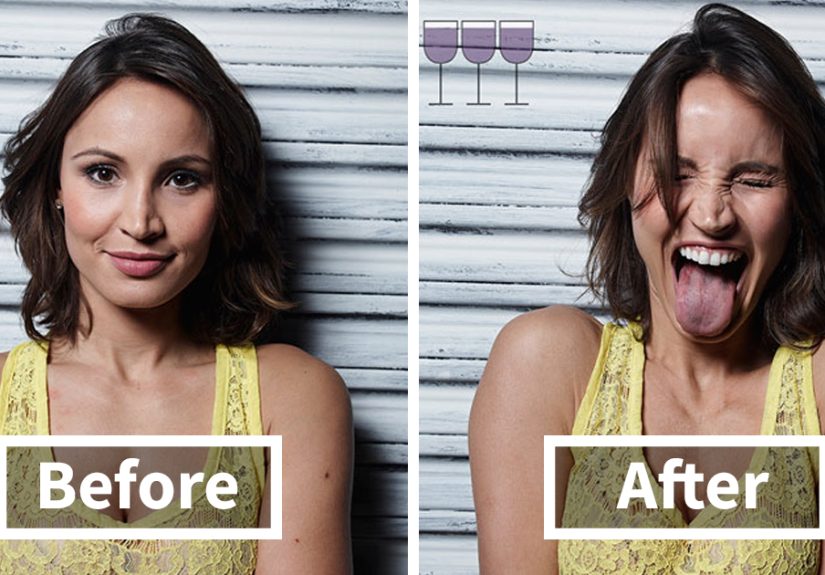
- How People Often Look After 3 Glasses of Wine
- The Red Face Question: Why Some People Flush Fast
- The Next-Morning Version: Why Wine Can Change How People Look Later
- Can You Tell Exactly How Many Glasses Someone Had by Looking?
- Common Experiences People Describe After 1, 2, and 3 Glasses of Wine
- Final Thoughts
Note: This article is for education only. It is not a guide to drinking, and appearance is never a reliable way to judge sobriety or safety to drive.
Wine has a funny way of making people feel like they look mysterious, elegant, and about 14% more interesting than usual. The mirror, however, is a less sentimental creature. After one glass of wine, many people still look more or less like themselves, just a little warmer, softer, and more talkative. After two, the “I am absolutely nailing this conversation” energy may start outpacing reality. After three, the face, eyes, voice, and posture often begin telling a more obvious story.
Here is the catch: there is no universal “one glass face,” “two glass face,” or “three glass face.” A person’s look after wine depends on far more than the number of glasses. Body size, sex, how quickly the wine was consumed, whether food was involved, medications, sleep, hydration, genetics, and even the actual pour size all matter. In other words, three small restaurant tasting pours and three giant “home pour because it has been a week” glasses are not remotely the same thing.
Still, there are patterns. And if you want an honest, readable, SEO-friendly look at how people often appear after one, two, and three glasses of wine, this is your guide. Think of it as part science, part social observation, and part public service announcement for anyone who has ever said, “No, no, I look totally normal,” while blinking at half speed.
Before We Count Glasses, Let’s Talk About the Glass
In the United States, a standard drink is not “whatever fits in the goblet.” For wine, a standard drink is generally about 5 ounces at roughly 12% alcohol by volume. That matters because many modern pours are larger, and many wines are stronger. A generous 8-ounce pour of a higher-alcohol red can quietly turn “one glass” into something much closer to one-and-a-half or even two standard drinks. This is one reason people often misjudge how much alcohol they have actually had.
So when people say they had one, two, or three glasses of wine, the first reasonable response is: “What kind of glass are we talking about here?” A tasting pour? A restaurant pour? A giant bowl-shaped glass that looks like it should come with a string quartet? The answer changes everything.
Why People Can Look So Different After the Same Amount
There Is No Copy-Paste Wine Face
Alcohol affects the brain and body quickly, but not identically from person to person. Some people look flushed after a small amount. Some get sleepy. Some get louder. Some become incredibly affectionate toward appetizers. A few still appear polished and composed long after their judgment has started slipping. That last group is especially misleading, because “looking okay” does not mean “being unimpaired.”
Several things shape how someone looks after drinking:
- How fast the wine was consumed.
- Whether the person ate before or while drinking.
- Body size and body water distribution.
- Biological sex and metabolism differences.
- Medications or other substances in the system.
- Genetic traits, including alcohol flush reaction in some people.
- Fatigue, dehydration, and stress before the first sip even happened.
That is why one person looks mildly rosy after one glass, while another looks like they have been personally betrayed by cabernet. The wine is the same. The biology is not.
How People Often Look After 1 Glass of Wine
After one standard glass of wine, many people still look fairly normal. This is the “subtle shift” stage. If there are visible changes, they are usually small: a little more color in the cheeks, a slightly looser smile, relaxed shoulders, maybe a touch more animation in the eyes or face. Someone who was quiet may become more conversational. Someone who was serious may seem a little softer around the edges.
In public, this is the point where a person may simply look more comfortable. That is why one glass can be visually deceptive. The outside can still seem polished while judgment has already changed a bit on the inside. Mild relaxation and slight loss of judgment can happen at relatively low blood alcohol levels, even before obvious signs appear.
Typical Visual Clues After One Glass
- A warmer complexion or lightly pink cheeks.
- A more relaxed mouth, forehead, and facial expression.
- Slightly more expressive gestures while talking.
- A brighter social mood or easier laughter.
For some people, one glass brings almost no visible change at all. For others, especially people prone to facial flushing, one glass can be enough for redness to show up quickly. This is not a “healthy glow.” In some cases, it is a sign that the body is handling alcohol poorly.
What One Glass Usually Does Not Tell You
It does not tell you the person is safe to drive. It does not tell you their reaction time is normal. It does not tell you their judgment is untouched. One of the biggest myths around alcohol is that a person has to “look drunk” before alcohol is affecting decisions. Real life is ruder than that. Judgment can slip before the face gives the performance away.
How People Often Look After 2 Glasses of Wine
Two glasses is where the social glow often starts trying to become the main character. This is also the stage where visible effects become more likely for many people, especially if the wine was consumed quickly, the pours were generous, or food was nowhere to be found except in dreams.
After two standard glasses, some people begin to look obviously different from baseline. The face may be redder. Eye contact may become either intensely enthusiastic or slightly delayed. Smiles can get wider. Speech can sound a bit faster, softer, louder, or less precise depending on the person. Coordination may still seem mostly intact, but little errors start sneaking in: overreaching for a glass, repeating a point, reacting a beat too late, or laughing at something two seconds after everyone else already moved on.
Typical Visual Clues After Two Glasses
- More noticeable facial flushing or warmth.
- Looser posture and broader hand movements.
- A shinier or slightly tired look around the eyes.
- Conversation that feels more confident than careful.
- Small coordination slips that are easy to shrug off but real.
This is often the stage where people feel more charming than they actually look. That is not an insult. That is alcohol doing one of its oldest tricks: lowering inhibition while also making self-assessment less reliable. The person may believe they look totally smooth, while everyone else is gently noticing that they have now told the same story about the parking situation twice.
Two glasses can also reveal differences between people more dramatically. One person looks rosy and energetic. Another looks sleepy. Another looks physically fine but is already making worse decisions. Wine does not hand out identical costumes.
How People Often Look After 3 Glasses of Wine
Three glasses is often the point where visible changes become much harder to hide, especially if those were true standard drinks consumed over a short period. If the pours were large, the effect can be even more obvious. At this stage, the face, voice, eyes, and body may begin broadcasting what the person still insists is “just being relaxed.”
A person after three glasses of wine may look redder, glassier-eyed, less steady, and less precise in movement. Their face can appear looser or more fatigued. Their speech may slow down, blur slightly, or jump in volume. Expressions may become exaggerated. Timing gets worse. Reactions get sloppier. The body starts negotiating with gravity in a less professional manner.
Typical Visual Clues After Three Glasses
- Clearly flushed cheeks, nose, or upper chest.
- Glassy, watery, or slightly unfocused eyes.
- Reduced coordination, including swaying or clumsy reaching.
- Slower thinking that shows up on the face before the person notices it.
- Speech that may sound less crisp, more repetitive, or less organized.
This is also the point where judgment and reasoning can become noticeably impaired. The person may underestimate risk, miss social cues, or feel more in control than they are. In other words, the face says, “I am doing great,” while the rest of the evidence quietly files an appeal.
When It Stops Being About “Looks” and Starts Being About Risk
If someone has been drinking and seems confused, is vomiting repeatedly, cannot stay awake, has slow or irregular breathing, or cannot be roused, that is no longer a “wine face” conversation. That is an emergency. Heavy drinking can lead to alcohol poisoning, which is life-threatening and requires immediate medical help.
The Red Face Question: Why Some People Flush Fast
One of the most visible alcohol-related changes is facial flushing. Some people turn pink or red after a small amount of alcohol. That can happen because alcohol dilates blood vessels, but in some people it is also tied to alcohol flush reaction, which is linked to difficulty processing alcohol efficiently. Flushing may come with warmth, nausea, hives, headaches, low blood pressure, worsening asthma, or migraines.
For people with rosacea-prone skin, alcohol can also trigger flare-ups, and red wine is often singled out as a common culprit. So if someone looks significantly redder after wine, it may not be a glamorous “wine glow.” It may be irritation, vascular dilation, or a biological warning label wearing a party hat.
The Next-Morning Version: Why Wine Can Change How People Look Later
Sometimes the biggest visual difference does not show up during the second glass. It shows up the next morning. Alcohol can increase urination and contribute to dehydration. Poor sleep and dehydration together can create the classic aftermath: dry-looking skin, puffy face, swollen under-eye area, red eyes, dullness, and an overall “I was apparently audited by merlot overnight” vibe.
Alcohol can also make people sleepy at first while still disrupting sleep quality later. Less restorative sleep can leave the face looking tired and less fresh the next day, even when the person thought the night was fairly moderate. This is why someone may not look dramatically altered during the evening but still wake up looking like their face attended a separate event.
Can You Tell Exactly How Many Glasses Someone Had by Looking?
No. You can spot patterns, but you cannot reliably count drinks from appearance alone. That is an important distinction. One person may look visibly affected after a small amount. Another may look composed while their coordination, reasoning, and reaction time are already impaired. Physical signs often lag behind internal impairment, and common-sense visual guesses are imperfect at best.
So while articles like this can describe what people often look like after one, two, and three glasses of wine, they cannot turn anyone into a human breathalyzer. Appearance is a clue, not a conclusion.
Common Experiences People Describe After 1, 2, and 3 Glasses of Wine
People often describe one glass of wine as the point where the room softens a little. Conversation feels easier. Shoulders drop. A person may feel warmer, more relaxed, and just a touch more willing to say what they were already thinking. In terms of appearance, this often reads as a gentler face, a slightly brighter expression, or a casual ease that was not there 20 minutes earlier. It can seem harmless, and visually it often is subtle. But this is also where people begin overestimating how “normal” they still are.
After two glasses, people often describe a stronger social effect. They may feel funnier, more outgoing, more confident, or more emotionally expressive. Their face may show more color. Their eyes may seem shinier or more relaxed. They may lean in closer when speaking, laugh harder, or become more animated with their hands. At the same time, small mistakes start appearing. The person may interrupt more, react a little more slowly, or lose precision in tiny everyday actions. This is the zone where many people still believe they look completely composed. Their friends, meanwhile, may be privately noting that the volume knob has moved.
After three glasses, common descriptions shift again. People may report feeling loose, sleepy, extra emotional, overly friendly, or less filtered. The face can look flushed, the eyes can look heavier, and the body often seems less exact. Walking becomes less elegant. Sitting down becomes more dramatic than necessary. Texting becomes a creative writing exercise with poor spelling discipline. Even when someone is not dramatically intoxicated, they may look less sharp, less balanced, and less aware of how obvious the change has become.
Another common experience is the mismatch between self-perception and outside perception. A person may feel smooth, witty, and perfectly put together. The people around them may see a redder face, slightly delayed reactions, repeated stories, and a person who is working much harder than they realize to appear normal. Alcohol often lowers the ability to judge alcohol’s own effects. That is part of why the social world is full of people saying, “I’m totally fine,” in tones that make the phrase sound less convincing every time.
There is also the physical-experience side. Some people feel warm and sleepy after wine. Some get headaches quickly. Some flush after one glass and feel awful after two. Others notice dryness, bloating, or puffy eyes the next morning even when they did not look especially different the night before. For people with rosacea-prone skin, wine can trigger visible redness that lingers. For people who sleep badly after drinking, the next-day face can look more worn down than the night itself suggested.
The most useful takeaway from these experiences is not “how to hide it.” It is that alcohol does not wear the same costume on every person. One glass may barely show. Two may show plenty. Three may be obvious, or they may look subtle right up until coordination and judgment reveal what appearance tried to keep secret. That is why the smartest reading of wine-related appearance is not vanity. It is awareness.
Final Thoughts
If you are wondering how people look after one, two, and three glasses of wine, the short answer is this: after one, many people look mostly normal but a little softer or warmer; after two, visible signs often become easier to spot; after three, the face, eyes, voice, and posture frequently begin showing clearer evidence that alcohol has taken the wheel.
But the smarter answer is that wine does not create a universal face. A single glass can visibly flush one person and barely touch another. Someone can look composed while already being impaired. Someone else can look obviously affected after less. The number of glasses matters, but biology, timing, food, genetics, sleep, and pour size matter too.
So yes, wine can change how people look. Sometimes it is a faint blush. Sometimes it is glassy eyes and slower timing. Sometimes it is next-morning puffiness and the unmistakable expression of a face that would prefer a glass of water and several better life choices. Either way, the visual lesson is simple: the mirror can hint, but it does not measure.