Table of Contents >> Show >> Hide
- What Is a HEPA Filter?
- Can You Clean a HEPA Filter?
- Washable vs. Non-Washable HEPA Filters
- Before You Clean: Check These 5 Things
- How to Clean a Washable HEPA Filter
- How to Clean a Non-Washable HEPA Filter
- How Often Should You Clean or Replace a HEPA Filter?
- Signs Your HEPA Filter Needs Replacement
- Common Mistakes to Avoid
- Best Tools for HEPA Filter Maintenance
- Special Tips for Air Purifiers, Vacuums, and HVAC Systems
- Experience Notes: What Real HEPA Filter Cleaning Teaches You
- Final Thoughts: Clean Carefully, Replace Honestly
Cleaning a HEPA filter sounds simple until you are standing over the trash can, holding a dusty pleated rectangle, wondering whether it needs a gentle rinse, a careful vacuum, or a tiny funeral. The truth is that HEPA filter maintenance depends on one very important detail: whether the filter is actually washable.
A true HEPA filter is designed to trap very small airborne particles such as dust, pollen, mold spores, pet dander, and some bacteria-sized particles. That tight filtration is exactly why HEPA filters are useful in air purifiers, vacuums, HVAC add-ons, and certain specialty cleaning tools. It is also why cleaning them the wrong way can turn a hard-working filter into an expensive piece of soggy cardboard.
This guide explains how to clean washable HEPA filters, how to handle non-washable HEPA filters, when to replace instead of clean, and how to avoid the classic “I just ruined my filter in the sink” moment. Your air purifier deserves better. So do your lungs.
What Is a HEPA Filter?
HEPA stands for High-Efficiency Particulate Air. In everyday home products, the term usually refers to a dense pleated mechanical filter that captures airborne particles as air passes through it. A true HEPA filter is commonly associated with capturing at least 99.97% of particles at 0.3 microns under specific test conditions.
That does not mean a HEPA filter is a magical force field. It will not remove every gas, odor, or volatile organic compound unless the device also includes activated carbon or another gas-phase filter. It also does not mean every product labeled “HEPA-type” or “HEPA-like” performs like a certified true HEPA filter. Marketing departments sometimes get very enthusiastic. Your owner’s manual is less glamorous, but usually more honest.
Can You Clean a HEPA Filter?
Yes, but only if the manufacturer says the filter is washable. That sentence deserves its own tiny spotlight. Only washable HEPA filters should be rinsed with water. Many HEPA filters in air purifiers are non-washable and designed to be replaced after months of use. Washing a non-washable HEPA filter can damage the fibers, loosen the seal, reduce filtration performance, and create a damp environment where unpleasant smells can develop.
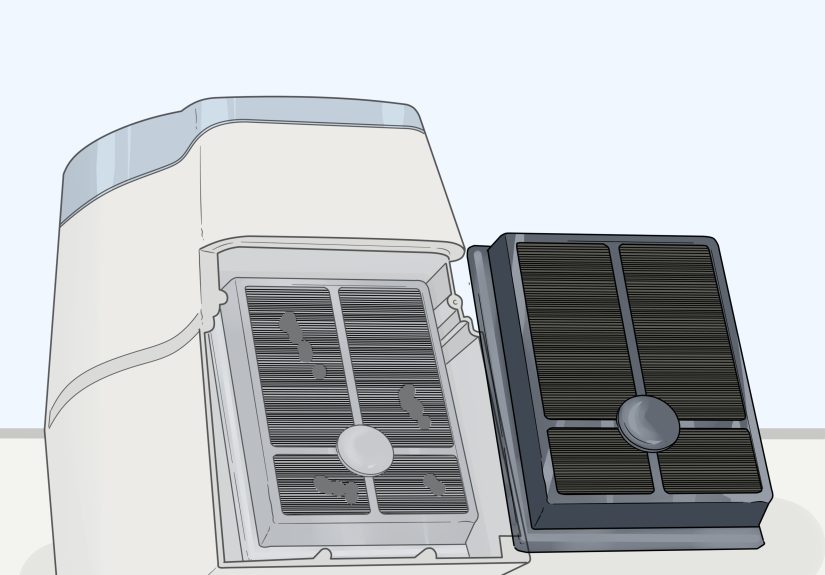
Some machines also have a washable pre-filter in front of the main HEPA filter. This is common in many air purifiers. The pre-filter catches larger particles such as lint, pet hair, and visible dust. Cleaning the pre-filter regularly helps protect the main HEPA filter and keeps airflow from dropping. In many homes, the pre-filter is the real dust drama queen.
Washable vs. Non-Washable HEPA Filters
Washable HEPA Filters
A washable HEPA filter is built to tolerate rinsing. It may be found in some vacuum cleaners, select air purifiers, and certain reusable filter systems. The product manual may use wording such as “washable,” “rinse with water,” “permanent filter,” or “reusable filter.” If the manual gives cleaning steps, follow those exact steps.
Even washable filters do not last forever. Over time, repeated washing, mineral buildup from tap water, rough handling, or age can weaken the filter. If it looks torn, warped, permanently gray, moldy, or smells bad after drying, it is time to replace it.
Non-Washable HEPA Filters
Non-washable HEPA filters are usually replaceable cartridges or pleated filters. These are common in many room air purifiers. They may include a HEPA layer, activated carbon, deodorizing material, or a combined particle-and-carbon filter. Water can damage these layers, especially carbon, adhesives, seals, and fine filter media.
For non-washable filters, maintenance usually means turning off the device, removing loose dust from the housing, cleaning the pre-filter if one exists, and replacing the HEPA filter when the indicator light, schedule, or visible condition says it is time.
Before You Clean: Check These 5 Things
1. Read the Label or Manual
Look for the words “washable,” “rinse,” or “do not wash.” Do not guess based on appearance. Many non-washable HEPA filters look sturdy enough to survive a bath. They are not. They are just confident-looking.
2. Unplug the Device
Always turn off and unplug an air purifier or vacuum before removing filters. This protects you, the device, and the filter. It also prevents dust from being pulled into the machine while parts are removed.
3. Take the Filter Outside if Possible
Removing a dusty filter indoors can release trapped particles back into the room. If you have allergies, asthma, or pets that shed like tiny decorative blizzards, handle the filter outside or near a trash bag.
4. Identify the Filter Layers
Many systems have multiple layers: a pre-filter, a carbon filter, and a HEPA filter. The washable part is often the pre-filter, not the HEPA filter itself. Clean each layer according to its own instructions.
5. Never Use Harsh Chemicals
Bleach, scented cleaners, alcohol sprays, and strong detergents can damage filter material and leave residues that blow back into your room. Clean air should not smell like a swimming pool wearing perfume.
How to Clean a Washable HEPA Filter
Use this method only when the manufacturer clearly says the HEPA filter is washable.
Step 1: Turn Off and Unplug the Appliance
Switch off the air purifier, vacuum, or filtration device. Unplug it before opening the filter compartment. If the device has been running for hours, wait a few minutes so dust settles before removing the filter.
Step 2: Remove the Filter Carefully
Open the cover and slide out the washable HEPA filter. Hold it by the frame, not the pleated media. Avoid shaking it violently. A light tap over a trash bag is fine if the manual allows it, but do not beat it like a dusty rug from an old cartoon.
Step 3: Rinse With Cool or Lukewarm Water
Rinse the filter under gentle running water. Let water pass through the filter in the direction recommended by the manual. If no direction is given, rinse from the cleaner side toward the dirtier side to help push debris out instead of deeper into the filter.
Do not use soap unless the manufacturer specifically allows it. Many washable HEPA filters should be rinsed with water only. Soap can cling to the fibers and reduce performance.
Step 4: Do Not Scrub the Filter Media
Scrubbing can tear the fibers or deform the pleats. If the frame has grime, wipe the frame gently with a damp cloth, but keep brushes away from delicate filter surfaces unless the manual specifically recommends a soft brush.
Step 5: Air-Dry Completely
This is the step impatient people love to ignore. Do not reinstall a damp HEPA filter. Let it air-dry fully in a well-ventilated area. Depending on the filter thickness and humidity, drying may take 24 hours or longer.
Do not use a hair dryer, oven, clothes dryer, heat gun, direct sunlight, or “just a quick blast” from anything hot. Heat can warp the frame, damage seals, or weaken the filter media.
Step 6: Reinstall and Reset the Indicator
Once the filter is bone-dry, reinstall it securely. Close the cover and reset the filter-cleaning light if your model has one. If the device still smells musty after cleaning, turn it off and inspect the filter again. A clean filter should not smell like a forgotten basement.
How to Clean a Non-Washable HEPA Filter
For non-washable HEPA filters, the safest answer is usually: do not wash it. Instead, clean around it and replace it when needed.
Step 1: Turn Off and Unplug the Device
Power down the appliance and unplug it. Remove the cover according to the manual. Avoid forcing tabs or clips, because replacement covers are never as cheap as we emotionally expect them to be.
Step 2: Remove Loose Dust From the Housing
Use a dry microfiber cloth or a vacuum with a soft brush attachment to clean dust inside the filter compartment. Do not push dust into the motor area, fan blades, or sensors. If your air purifier has a dust sensor, clean it only according to the manufacturer’s instructions.
Step 3: Clean the Pre-Filter
If your unit has a washable pre-filter, remove it and rinse or vacuum it as directed. Fabric pre-filters may be washable on some models. Mesh pre-filters may be vacuumed or rinsed. Foam pre-filters may need gentle rinsing and complete drying. Again, the manual is the boss.
Step 4: Lightly Vacuum Only if Allowed
Some manuals allow gentle vacuuming of the outer surface of a non-washable filter. Others warn against cleaning the main filter at all. If allowed, use the lowest suction setting and a soft brush attachment. Do not press hard, crush pleats, or dig into the filter.
Step 5: Replace the HEPA Filter on Schedule
Replace the non-washable HEPA filter when the indicator light turns on, when the manual’s time interval arrives, or when performance drops noticeably. Heavy use, pets, smoke, wildfire season, renovation dust, and high-pollen periods can shorten filter life.
How Often Should You Clean or Replace a HEPA Filter?
There is no universal schedule because homes are not universal. A quiet apartment with no pets will not load a filter like a house with three cats, a shedding dog, open windows, and a hobby involving sawdust. Still, these general guidelines help:
- Washable pre-filter: clean every 2 to 4 weeks, or more often in dusty homes.
- Washable HEPA filter: rinse only as often as the manual recommends.
- Non-washable HEPA filter: replace every 6 to 12 months in many air purifiers, depending on model and use.
- Vacuum HEPA filter: clean or replace according to the vacuum manual, often more frequently if suction drops.
- Carbon filter: replace when odors return or according to schedule; do not wash unless the manual clearly allows it.
Signs Your HEPA Filter Needs Replacement
Cleaning helps only up to a point. Replace the HEPA filter if you notice any of these warning signs:
- The filter is torn, crushed, warped, or separating from the frame.
- The air purifier is louder than usual because airflow is restricted.
- The device runs constantly but room air still feels dusty or stale.
- Visible dirt remains after approved cleaning.
- The filter smells musty, smoky, sour, or chemical-like.
- The filter replacement light stays on after reset and inspection.
- Your allergies flare indoors even though the purifier is running correctly.
Common Mistakes to Avoid
Washing a Filter That Says “Do Not Wash”
This is the big one. Water may make the outside look cleaner, but it can reduce filtration efficiency inside the pleats. A damaged HEPA filter may still fit perfectly while performing poorly.
Reinstalling a Damp Filter
A damp filter can lead to odor, mold growth, and damage to the machine. If you are not sure it is dry, wait longer. Filters are like jeans in a dryer: the waistband lies.
Using Soap on a Water-Only Filter
Soap residue can clog or coat filter fibers. Unless your manual says mild detergent is acceptable, skip it.
Cleaning Only the HEPA Filter and Ignoring the Pre-Filter
The pre-filter catches the big stuff first. If it is clogged, the main HEPA filter works harder and airflow drops. Cleaning the pre-filter is one of the easiest ways to keep the whole system efficient.
Running the Device With Missing Filters
Never run an air purifier or vacuum without required filters installed. Dust can enter the fan, motor, or internal sensors, and the unit may blow particles back into the room.
Best Tools for HEPA Filter Maintenance
You do not need a professional cleaning kit. For most home HEPA filter maintenance, keep these simple tools nearby:
- A microfiber cloth for wiping the housing.
- A vacuum with a soft brush attachment.
- A trash bag for catching dust.
- Clean water for washable filters.
- A towel for setting washed filters down while they air-dry.
- A calendar reminder or marker to track cleaning and replacement dates.
For people with dust allergies, consider wearing a basic mask while handling dirty filters and washing your hands afterward. Filter maintenance should improve your indoor air, not turn you into a sneezing sprinkler.
Special Tips for Air Purifiers, Vacuums, and HVAC Systems
Air Purifiers
Most room air purifiers rely on steady airflow. A clogged pre-filter can reduce clean air delivery, even if the HEPA filter is still usable. Keep the intake and outlet clear, avoid pushing the unit against curtains or furniture, and clean the outer vents regularly.
Vacuum Cleaners
Vacuum HEPA filters often deal with heavier dust loads than air purifier filters. Empty the dust bin or replace the bag before it is overfilled. A packed dust cup can reduce suction and send more debris toward the filter.
HVAC Filters
Most standard home HVAC filters are not true HEPA filters because true HEPA filtration can restrict airflow in systems not designed for it. If your system uses a high-efficiency filter, follow your HVAC manufacturer’s recommended MERV rating and replacement schedule. Installing an overly restrictive filter may strain the system.
Experience Notes: What Real HEPA Filter Cleaning Teaches You
After maintaining air purifiers and vacuum filters in everyday home settings, one lesson becomes obvious: the pre-filter tells the truth before the HEPA filter does. A machine may look clean from across the room, but slide out the pre-filter and suddenly you find a gray sweater made of dust, pet hair, and mysterious household fuzz. Cleaning that first layer regularly often makes the biggest noticeable difference in airflow and noise.
In homes with pets, the maintenance schedule usually needs to be more aggressive than the manual’s “normal use” estimate. A washable pre-filter that looks fine at week two can look like it joined a lint collection club by week four. Long-haired pets, open windows, carpeted rooms, and high-traffic living areas all load filters faster. The same is true during spring pollen season or after nearby construction.
Another practical lesson: drying time is not optional. A washable filter can feel dry on the outside while moisture remains deep in the pleats or foam. Reinstalling it too early may cause a musty smell that makes the whole device seem broken. When in doubt, give the filter more time. Having a spare washable filter can help if you need the machine running daily.
People also tend to over-clean the wrong part. They attack the HEPA filter because it sounds important, but they forget the intake grille, sensor area, fan cover, and pre-filter. Dust buildup around the air path can make the unit work harder even when the filter itself is acceptable. A careful wipe-down of the housing and vents often improves performance without risking damage to the HEPA media.
One more experience-based tip: write the installation date on the filter frame or keep a note in your phone. Filter memory is unreliable. You may think you replaced it “a few months ago,” only to realize that “a few months” was actually last Thanksgiving, before the pie incident. Tracking dates removes guesswork and helps you avoid replacing too early or too late.
Finally, replacement filters are worth buying before the old one is completely finished. If your filter indicator turns on during wildfire smoke, flu season, heavy pollen, or a dusty renovation, waiting a week for shipping can be annoying. Keeping one spare on hand is not dramatic. It is just adulting with cleaner air.
Final Thoughts: Clean Carefully, Replace Honestly
Learning how to clean a HEPA filter is mostly about knowing what not to do. Washable HEPA filters can usually be rinsed gently and air-dried completely. Non-washable HEPA filters should not be soaked, scrubbed, or treated like a dish sponge with ambition. Clean the pre-filter, wipe the housing, maintain airflow, and replace the main filter when its useful life is over.
The best HEPA filter maintenance routine is simple: check the manual, clean the washable parts, keep the device dust-free, and do not try to rescue a filter that is clearly done. A clean filter helps your purifier or vacuum do its job quietly and efficiently. A damaged filter just sits there pretending. And honestly, we already have enough things in the house pretending to help.
Note: Always follow your specific product manual. This article provides general home-maintenance guidance for washable and non-washable HEPA filters, but manufacturer instructions should come first.