Table of Contents >> Show >> Hide
- Why Flower Stains Are So Tricky
- The Golden Rules Before You Start
- How to Remove Flower Stains From Clothes
- How to Remove Flower Stains From Upholstery
- How to Remove Flower Stains From Carpet
- Common Mistakes That Make Flower Stains Worse
- When to Call a Professional Cleaner
- Quick Flower Stain FAQ
- Real-Life Experiences With Flower Stains: What Usually Happens in the Real World
- Final Thoughts
Flowers are lovely right up until they leave a neon-yellow pollen streak on your shirt, a mysterious green smudge on the sofa, or a faint pink blotch on the carpet that somehow appears after the bouquet has already been admired, photographed, and posted online. That is the sneaky power of flower stains: they look innocent, but they can behave like tiny textile saboteurs.
The good news is that most flower stains can be removed when you use the right method for the right surface. The not-so-good news is that panic-cleaning usually makes them worse. Rubbing drives pollen deeper. Hot water can set pigment. Random sprays from under the sink may leave you with a bigger mess and a fresh reason to sigh dramatically.
This guide breaks down exactly how to remove flower stains from clothes, upholstery, and carpet without turning your cleanup into a chemistry experiment gone rogue. You will learn what kind of flower stain you are dealing with, what to do first, which cleaning solutions make sense, and which common mistakes can quietly turn “small stain” into “permanent house memory.”
Why Flower Stains Are So Tricky
Not all flower stains are the same. That is why one spot disappears with a quick rinse while another seems to settle in and sign a long-term lease. In most cases, flower stains fall into one of these categories:
Pollen Stains
Pollen is the usual troublemaker, especially from lilies and other showy blooms. It is powdery, brightly colored, and easy to smear. Once you press it into fibers, the stain gets harder to remove.
Plant Juice or Green Smears
Stem juice, crushed leaves, and grassy residue can leave green or brown marks on fabric and carpet. These stains often behave more like plant-based or soil stains than simple surface dust.
Petal Dye or Natural Pigment
Deep red, purple, orange, and magenta petals can transfer color when they are crushed against upholstery or walked into carpet. This is especially common with wet bouquets, floral centerpieces, and enthusiastic children “helping” with the arrangement.
Mixed Flower Messes
Sometimes a flower stain is an overachiever: pollen, moisture, dirt, and plant sap all show up together. In those cases, you need a patient, layered approach instead of one dramatic cleaning move.
The Golden Rules Before You Start
- Do not rub. Blot, lift, shake, or vacuum instead.
- Start dry when pollen is involved. Water too early can turn loose powder into a deeper stain.
- Check the care label. Clothes, sofas, and rugs all have limits, and they are not shy about enforcing them.
- Test first. Try any cleaner on a hidden area before treating the visible stain.
- Avoid heat until the stain is gone. That means hot water, steam, and the dryer can all wait their turn.
How to Remove Flower Stains From Clothes
If your shirt, dress, jeans, or table linen has been ambushed by a bouquet, work in this order.
Step 1: Remove Loose Pollen or Debris
If the stain is powdery, take the item outside and gently shake it. You can also use sticky tape to lift pollen from the surface. Do not brush it off with your hand, and definitely do not rub it with a wet paper towel unless your goal is to make the stain cling like it pays rent.
Step 2: Rinse With Cold Water
Turn the fabric so the stained side faces down, then rinse from the back with cold water. This helps push stain particles out of the fibers instead of driving them deeper into the cloth. If the mark came from fresh petals, stems, or damp pollen, this step matters even more.
Step 3: Pretreat the Stain
Apply a liquid laundry detergent, enzyme detergent, or stain remover directly to the stained area. Work it in gently with your fingers or a soft toothbrush. Let it sit for about five to ten minutes, depending on the product directions.
For stubborn green or plant-based smears, a detergent pretreat is often more effective than simply tossing the garment into the wash and hoping for the best. Hope is lovely, but it is not a stain remover.
Step 4: Wash According to the Care Label
Launder the item in the warmest water that is safe for the fabric. For many everyday items, cool to warm water works well. For delicate garments, stay gentle and follow the label like it is the final boss of laundry wisdom.
Step 5: Air Dry and Check
Do not put the garment in the dryer until the stain is truly gone. Air dry it first and inspect it in natural light. If you still see a shadow of the stain, repeat the pretreat and wash cycle. Heat can set leftover pigment, which is laundry’s version of “you had one job.”
What About White Clothes?
White clothing gives you a little more room to work, but not unlimited freedom. If a stain remains after washing, an oxygen bleach soak may help on washable colorfast fabrics. For plain white items only, chlorine bleach may be an option if the care label allows it. Never freestyle with bleach on silk, wool, spandex blends, or anything delicate unless you want a second problem.
What If the Item Is Dry-Clean Only?
Do not spot-treat aggressively at home. Blot lightly if needed, avoid soaking the fabric, and take it to a professional cleaner as soon as possible. Tell them exactly what caused the stain. “A flower incident” is colorful, but “lily pollen on silk” is more useful.
How to Remove Flower Stains From Upholstery
Sofas, dining chairs, benches, and headboards love to collect evidence of real life. Flower stains on upholstery are common after parties, birthdays, weddings, or one overconfident attempt to carry a vase and a coffee at the same time.
Step 1: Check the Upholstery Code
Before cleaning, find the fabric code if available:
- W = water-based cleaners are usually safe
- WS = water- or solvent-based cleaners may be used
- S = use solvent-based cleaner only
- X = vacuum only; professional cleaning is safest
If there is no label, test in an inconspicuous area first and use a very light hand.
Step 2: Lift Dry Material First
For pollen, vacuum with an upholstery attachment or use tape to lift the particles. For petal bits or leaf fragments, pick them up carefully without grinding them into the fabric.
Step 3: Blot With a Mild Cleaning Solution
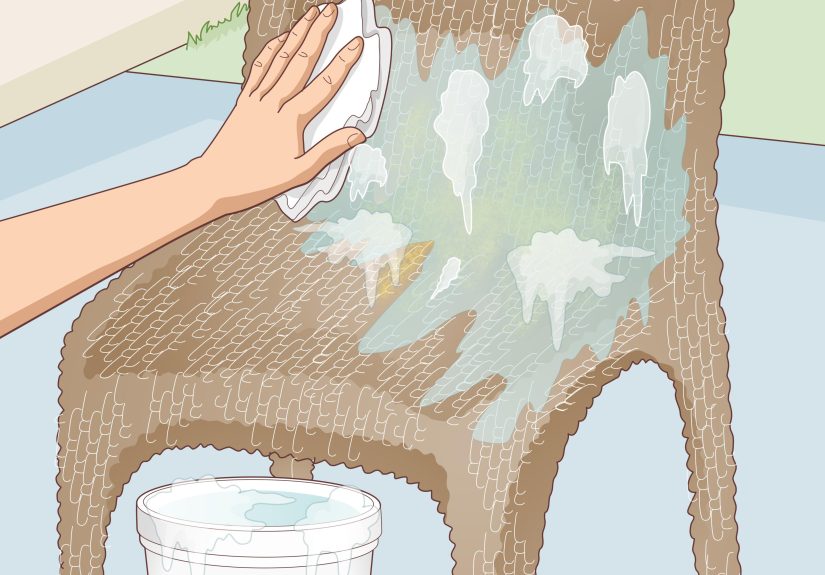
For water-safe upholstery, mix a small amount of mild dish soap or gentle detergent with cool or lukewarm water. Dampen a clean white cloth with the solution and blot the stain from the outside inward. Keep the fabric just slightly damp, not soaked.
If the stain is colorful and still visible, continue blotting with fresh sections of the cloth. Patience helps here. Upholstery often responds to repeated gentle passes better than one dramatic scrub session.
Step 4: Rinse the Area Lightly
Use another clean cloth dampened with plain water to blot away any soap residue. This step matters because leftover cleaner can attract dirt and leave a ring.
Step 5: Dry Thoroughly
Blot with a dry towel, then let the area air dry completely. Open a window or use a fan if needed. Cushion fabric that stays damp too long can develop water marks or smell less like a home and more like a forgotten gym bag.
For Set-In Upholstery Stains
If a flower pigment stain remains, an upholstery cleaner appropriate for the fabric code may help. For some water-safe fabrics, a tiny amount of hydrogen peroxide can work as a backup stain lightener, but only after a spot test and only on suitable colorfast materials. When in doubt, call a professional upholstery cleaner instead of turning your couch into a science fair exhibit.
How to Remove Flower Stains From Carpet
Carpet is excellent at hiding dirt until the light hits it just right and suddenly there is a floral crime scene by the entry table. Flower stains on carpet need quick but careful attention.
Step 1: Vacuum or Lift Loose Material
If the stain is dry pollen or crumbled plant matter, vacuum first. Do not wet it right away. If the stain is fresh and damp, blot gently with a white cloth or paper towel to absorb excess moisture.
Step 2: Mix a Gentle Cleaning Solution
Combine a small amount of clear dish soap with cool or lukewarm water. Use only enough solution to treat the stained area. Carpet hates overwatering, and the pad underneath hates it even more.
Step 3: Blot, Do Not Scrub
Dab the stain with a clean white cloth dipped in the solution. Work from the outside in so the stain does not spread. Continue blotting until the color starts lifting. Change cloth sections often so you are not redecorating the carpet with the same stain you are trying to remove.
Step 4: Rinse Out the Cleaner
Use a separate cloth with plain water to blot out residue. This step is often skipped, and then people wonder why the area gets dingy again later. Cleaner residue is sneaky that way.
Step 5: Wick Away Moisture
Press dry towels or paper towels over the area to absorb moisture. For stubborn spots, place a thick layer of paper towels over the damp area and weigh it down with a heavy object overnight. As the carpet dries, hidden residue may transfer up into the towel.
For Lingering Stains
If the color remains on a light, colorfast carpet, a carefully tested carpet stain remover or a small amount of hydrogen peroxide may help lift what is left. Always spot test first. Avoid bleach and harsh ammonia-based shortcuts unless the carpet manufacturer specifically allows them. Carpets have long memories.
Common Mistakes That Make Flower Stains Worse
- Rubbing the stain immediately. This pushes color and pollen deeper into fibers.
- Using hot water first. Heat can set pigment and make removal harder.
- Skipping the patch test. A stain is bad; a bleached-out stain is worse.
- Overwetting upholstery or carpet. Too much liquid can leave rings, residue, or slow-drying damage.
- Using the dryer too soon. Heat can lock in the last trace of a stain.
- Choosing a random cleaner. “Strong” does not always mean “safe” or “effective.”
When to Call a Professional Cleaner
Sometimes the smart move is not more elbow grease. It is surrender with dignity. Consider professional help when:
- the fabric is silk, wool, velvet, vintage, or dry-clean only
- the upholstery code is S or X
- the carpet is wool or a specialty rug
- the stain has already been heat-set
- you have tried twice and the stain is still smirking at you
Quick Flower Stain FAQ
Can flower pollen permanently stain clothes?
Yes, it can if it is rubbed into the fibers or heat-dried before removal. Fast, careful treatment gives you the best chance.
Does vinegar remove flower stains?
Sometimes vinegar appears in DIY stain solutions, especially for carpet and upholstery, but it is not the first move for every flower stain. Start with the gentlest proven method for the surface, then escalate only if needed.
Can I use steam to remove flower stains?
Not as a first step on fresh stains. Heat can make certain stains harder to remove. It is safer to wait until the stain is mostly or fully gone.
What is the best homemade cleaner for flower stains on carpet?
A mild mix of clear dish soap and cool or lukewarm water is often the safest starting point. It is simple, effective, and far less dramatic than dumping half the cleaning cabinet onto one poor square foot of carpet.
Real-Life Experiences With Flower Stains: What Usually Happens in the Real World
Flower stains rarely happen during calm, organized moments. They show up when someone is rushing to set the table before guests arrive, when a child proudly presents a fistful of backyard flowers, when a bouquet tips over in the car, or when a vase gets moved “just for a second” and somehow leaks onto the upholstered dining chair. In real homes, the stain is usually discovered in stages. First, somebody notices the petals. Then the water ring. Then, a little later, the yellow pollen stripe that looks as though it was applied by a very confident highlighter.
One of the most common experiences is with lilies. They are beautiful, dramatic, and completely unbothered by the chaos they leave behind. A person leans in to smell them, and suddenly there is pollen on a shirt cuff, a dress, or the front of a blazer. The natural instinct is to swipe at it with a hand. That is usually the moment the stain graduates from “maybe removable in five minutes” to “well, this has become a project.” The better move is surprisingly boring: stop touching it, lift the pollen dry, and deal with the fabric carefully. Boring, in stain removal, is often excellent news.
Another very relatable flower-stain moment happens after celebrations. Wedding centerpieces, birthday bouquets, prom corsages, Mother’s Day arrangements, graduation flowers, and dinner party table decorations all tend to leave behind tiny traces. Upholstered chairs pick up damp petal dye. Table runners get green stem smears. Carpet near the buffet catches drips from a vase that looked stable until it absolutely was not. These are not dramatic disasters, but they are annoyingly memorable because they show up after the fun is over, right when everyone wants to sit down and do nothing.
Families with kids or pets know another version of the story. A child makes a “flower soup” in a toy bucket. The dog wags through it. Somebody steps on a petal. Then the carpet gets a pinkish mark and no witness can agree on what happened. In those cases, the stain is often part flower pigment, part dirt, and part mystery. The lesson people learn quickly is that stain removal works best when you slow down, identify the surface, and avoid using every cleaner you own all at once. More product does not equal more progress. Sometimes it just equals sticky residue and regret.
There is also the quiet frustration of delayed discovery. Maybe the bouquet looked fine for two days, but when you finally move it, there is a stain on the wood floor, a splash on the rug, and dried pollen on the curtain. At that point, the cleanup takes longer, but it is still usually manageable. The people who have the best results are not necessarily the ones with the fanciest products. They are the ones who notice the stain, resist the urge to scrub wildly, and follow a sensible sequence. Dry lift first. Blot. Pretreat. Rinse. Dry. Repeat if needed.
The big takeaway from real-life flower stain experiences is simple: most of these messes are fixable, but they punish impatience. Flower stains look delicate because flowers are delicate. That is a trap. Underestimate them, and they settle in fast. Handle them with a calm, methodical approach, and they usually lose the fight. In other words, the bouquet may have had a dramatic exit, but your fabric does not have to live with the encore forever.
Final Thoughts
Flower stains are annoying, but they are not unbeatable. The key is knowing that the right first step depends on the stain itself. Dry pollen needs to be lifted before water touches it. Fabric needs pretreatment and patience. Upholstery needs code-safe cleaning and light moisture. Carpet needs blotting, rinsing, and proper drying so you do not trade one stain for a dingy halo.
Act quickly, stay gentle, and keep the dryer on standby until you are sure the stain is gone. That simple strategy will save more shirts, cushions, and carpets than any frantic midnight cleaning spree ever could. Flowers may be temporary, but the wrong cleaning move does not have to be.