Table of Contents >> Show >> Hide
- 40 “Old Person” Habits That Turn Out To Be Brilliant
- Sleep, mornings, and the joy of being home by 8
- Food habits that feel uncool until your stomach writes you a thank-you note
- Movement, comfort, and the scandal of sensible shoes
- Health habits that once seemed dramatic and now seem… responsible
- Homebody habits and quiet pleasures
- Money, boundaries, and emotional maturity in orthopedic form
- Why These “Old Person” Habits Actually Work
- How To Try These Habits Without Turning Your Life Into a Retirement Community Commercial
- Final Thoughts
- Extra Reflections: What These Habits Feel Like in Real Life
There comes a moment in life when you look down at your hand and realize you are clutching a reusable grocery bag, a weather app, and a tiny pill organizer like they are luxury accessories. Congratulations. You have entered the glamorous world of “old person” habits.
The funny thing is, many of the routines people tease as boring, fussy, or wildly uncool are actually practical, comforting, and weirdly satisfying. Going to bed earlier? Suddenly genius. Saying no to loud restaurants? Honestly, growth. Getting excited about a good vacuum cleaner? That is not aging. That is wisdom with a warranty.
What makes these habits so appealing is not just the vibe of becoming a human cardigan. It is that many of them line up with real health advice around sleep, movement, hydration, nutrition, hearing, sun protection, and healthy aging. In other words, the things that once looked like overcautious behavior now look suspiciously like emotional stability and lower back support.
This article rounds up 40 “old person” habits people mocked until they tried them, then explains why so many of them actually work in real life. Consider it a celebration of routines, sensible choices, and the thrilling power of saying, “No thanks, I’d rather sit somewhere quiet.”
40 “Old Person” Habits That Turn Out To Be Brilliant
Sleep, mornings, and the joy of being home by 8
- Going to bed early instead of treating midnight like a personality trait.
- Waking up early and discovering the morning is peaceful, productive, and suspiciously superior.
- Keeping a regular bedtime, even on weekends, because chaos is overrated.
- Having a wind-down routine before sleep, complete with dim lights and low drama.
- Choosing tea over a late-night energy drink because sleep is hotter than hype.
- Loving a quiet morning with coffee, sunlight, and absolutely no one asking for anything.
- Getting excited about blackout curtains, supportive pillows, and a mattress that means business.
Food habits that feel uncool until your stomach writes you a thank-you note
- Eating breakfast on purpose instead of calling iced coffee a meal.
- Keeping regular meal times because your body likes a schedule more than your group chat does.
- Cooking at home more often and suddenly caring about fiber.
- Getting genuinely excited about soup.
- Choosing whole grains, beans, fruit, and vegetables because digestion has entered the chat.
- Drinking water all day and acting like your giant bottle is a beloved pet.
- Keeping prunes, yogurt, or oatmeal in the house “just in case.”
- Eating dinner earlier and realizing late-night regret is not a food group.
Movement, comfort, and the scandal of sensible shoes
- Taking daily walks for no reason other than it feels good.
- Stretching in the morning and making noises that sound expensive.
- Preferring supportive sneakers over stylish foot torture devices.
- Doing balance or strength exercises because falling is a terrible hobby.
- Using a tote bag, backpack, or rolling cart instead of pretending one shoulder can handle modern life.
- Checking the weather before leaving the house and dressing like consequences are real.
- Putting on a light jacket “just in case” and being correct every single time.
- Sitting down when a chair is available because standing for pride is nonsense.
Health habits that once seemed dramatic and now seem… responsible
- Wearing sunscreen daily, even when it is cloudy.
- Scheduling checkups instead of hoping your body files its own paperwork.
- Taking vitamins or medications with actual consistency.
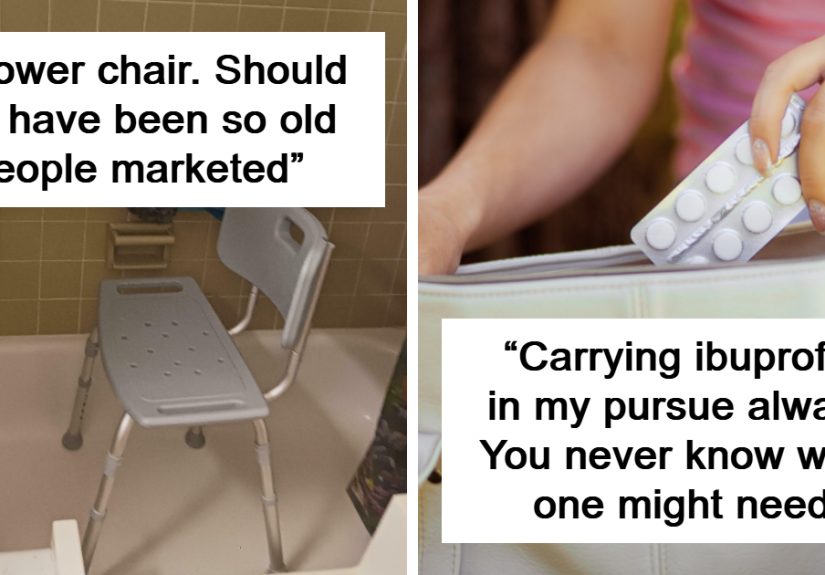
- Using a pill organizer and feeling weirdly powerful.
- Getting your hearing checked instead of saying “What?” like it is a personality quirk.
- Paying attention to blood pressure, cholesterol, or sleep quality before your body starts sending strongly worded emails.
- Choosing to drink less alcohol because sleep, mood, and mornings matter now.
Homebody habits and quiet pleasures
- Staying in on purpose and calling it peace instead of missing out.
- Getting excited about birds, plants, or yard work.
- Doing puzzles, crosswords, or Sudoku and acting like this is wildly entertaining, because it is.
- Reading for fun more often than scrolling for stress.
- Keeping the house tidy enough that future you does not become present you’s enemy.
- Owning blankets for different temperatures like a seasoned domestic strategist.
- Loving stores that sell practical things, from storage bins to garden tools.
Money, boundaries, and emotional maturity in orthopedic form
- Using coupons, comparing prices, and feeling triumphant instead of embarrassed.
- Saying no to plans you do not want to attend, especially loud ones.
- Protecting your peace like it is a luxury item, because frankly, it is.
Why These “Old Person” Habits Actually Work
The real reason these habits become attractive is simple: they make life easier. A lot of them reduce friction. They help you sleep better, feel steadier, think more clearly, digest more comfortably, and recover faster from the everyday nonsense of adult life. You may not start doing them because they are “cool,” but once you notice the payoff, you stop caring whether anyone laughs.
1. Routine is not boring. It is efficient.
One of the biggest shifts people experience as they get older is a sudden appreciation for routine. A consistent bedtime, regular meals, and daily movement can sound painfully unsexy when you are younger. But routine removes decision fatigue. You do not have to negotiate with yourself every night about when to sleep or every morning about whether to move your body. The choice is already made.
That matters more than most people realize. Sleep experts consistently point to regular sleep schedules and good bedtime habits as key pieces of better rest. And once you sleep better, a surprising number of other things stop being terrible. Your patience improves. Your focus improves. Your desire to fight strangers online about nonsense goes down dramatically. Nature is healing.
2. Comfort is a legitimate life strategy
There is a reason sensible shoes, supportive chairs, warm layers, and weather awareness keep showing up in grown-up routines. Comfort is not laziness. It is preventive maintenance. Choosing shoes that support your feet, taking walks, stretching, and doing a little strength or balance work are all practical ways to feel better today and protect mobility tomorrow.
That is especially true because health guidance for aging well emphasizes regular physical activity, not heroic athleticism. Daily walking, flexibility work, and light strength training are not flashy, but they are sustainable. A lot of “old person habits” win because they are realistic enough to repeat.
3. Your digestive system has opinions, and eventually it gets a microphone
Another reason people warm up to these habits is that the body becomes less interested in chaos cuisine. Skipping meals, eating whatever is fastest, and pretending hydration is optional may feel manageable for a while. Then one day your body responds like an annoyed office manager.
That is where breakfast, fiber, water, soup, earlier dinners, and regular meal times begin to look less like grandma behavior and more like elite planning. Diet guidance for adults, especially as people age, repeatedly circles back to fruits, vegetables, whole grains, beans, hydration, and moderation. In plain English: the boring stuff works. Your colon did not ask for a thrill ride. It asked for oatmeal and respect.
4. Preventive habits are less dramatic than regret
Some of the most “old person” behaviors are simply the result of people realizing future problems are annoying. Sunscreen, checkups, hearing tests, blood pressure awareness, and medication routines are not glamorous, but they are deeply practical. These are habits built on one very grown-up realization: avoiding trouble is often easier than fixing it later.
That is also why habits like drinking less alcohol, protecting sleep, and paying attention to hearing or vision become more popular with age. People start noticing that little choices affect energy, mood, concentration, and overall comfort. The body keeps receipts.
5. Quiet is underrated
Then there is the emotional side of all this. Plenty of habits on the list are not about physical health alone. They are about peace. Staying in more often. Reading instead of doomscrolling. Doing puzzles. Birdwatching. Gardening. Saying no to noisy plans. These are not signs that someone has “become old” in a depressing way. They are signs that someone has finally discovered the exchange rate between excitement and serenity.
Many adults spend years mistaking overstimulation for fun. Then one day they sit on a porch, drink tea, identify a bird correctly, and realize the joke was on everyone else.
How To Try These Habits Without Turning Your Life Into a Retirement Community Commercial
The easiest way to adopt these habits is not to overhaul your life in one dramatic weekend. Just pick a few that solve real problems. If you are tired all the time, start with sleep and late-night caffeine. If your body feels stiff, try walking and stretching. If your stomach acts like it is filing complaints, look at water and fiber. If you feel fried, experiment with quieter evenings and firmer boundaries.
The point is not to cosplay as someone who yells at the television volume. The point is to notice which habits make your life calmer, easier, and healthier. You are not giving up youth. You are just upgrading your operating system.
And honestly, a lot of so-called old-person behavior is simply what happens when people become less interested in looking impressive and more interested in feeling good. That is not decline. That is efficiency with orthopedic support.
Final Thoughts
“Old person” habits get laughed at because they look uncool from the outside. But from the inside, they often feel incredible. Better sleep. Better digestion. Better energy. Better boundaries. Better shoes. At a certain point, the thrill of being reckless is no match for the joy of waking up rested, wearing sunscreen, and knowing exactly where your good scissors are.
So yes, maybe you now own a cardigan you are emotionally attached to. Maybe you take vitamins, stretch your hamstrings, and check the forecast with real concern. Maybe you are thrilled by a quiet evening and a high-fiber breakfast. That does not mean you are boring. It means you have discovered that a lot of grown-up habits were funny only until they started working.
Extra Reflections: What These Habits Feel Like in Real Life
What surprises most people is not that these habits are helpful. It is how quickly they become comforting. The first time you go to bed early and wake up feeling clear-headed, it feels like a small miracle. The first time you take a daily walk for a week and notice your mood leveling out, it feels oddly adult in the best way. The first time you drink enough water, eat an actual breakfast, and realize you are not fading by noon, you begin to understand why older adults protect their routines like family heirlooms.
There is also a subtle emotional shift that comes with these choices. You stop trying to win points for being chaotic, spontaneous, or low-maintenance when those things are secretly making life harder. You stop acting like discomfort is noble. A stable bedtime starts to feel less like surrender and more like self-respect. Comfortable shoes stop looking like a compromise and start looking like intelligence. A quiet night at home does not feel lonely; it feels curated.
People also tend to discover that these habits create more freedom, not less. When your sleep is better, your brain works better. When your body is less stiff, more things sound fun. When your meals are steadier and your hydration is better, your energy becomes more predictable. Ironically, the “old person” habits people tease for being restrictive often make daily life feel less exhausting and more open.
Then there is the confidence factor. There is something deeply satisfying about knowing what works for you and no longer apologizing for it. Maybe you carry a sweater, snacks, reading glasses, lip balm, and a backup charger everywhere. That is not overprepared. That is a person who has been humbled by reality and chosen excellence. Maybe you leave a party early, skip a second drink, or turn down plans because you would rather wake up happy than stay out late proving a point. That is not dull. That is range.
In the end, these habits feel “grown up” because they reflect a mature trade-off. You are choosing peace over performance, comfort over image, and consistency over chaos. You are realizing that health is not built in giant cinematic moments. It is built in ordinary routines: a walk, a bedtime, a glass of water, a bowl of soup, a doctor’s appointment kept, a puzzle finished, a jacket packed before the temperature drops. These habits may not look dramatic online, but in real life they are often the reason life feels manageable, pleasant, and surprisingly well put together.