Table of Contents >> Show >> Hide
- What Is Alopecia Universalis?
- The First Shock: When Hair Loss Becomes a New Identity
- The Good Parts Nobody Talks About Enough
- The Bad Parts Are Real, Too
- What 23 Pictures Can Show Better Than Words
- Medical Treatment: What People Should Know
- Daily Life With Alopecia Universalis
- Self-Acceptance Is Not a Straight Line
- How Friends and Family Can Help
- The Funny Side: Because Humor Helps
- Extra Reflections: 19 Years of Living, Learning, and Showing the Full Picture
- Conclusion
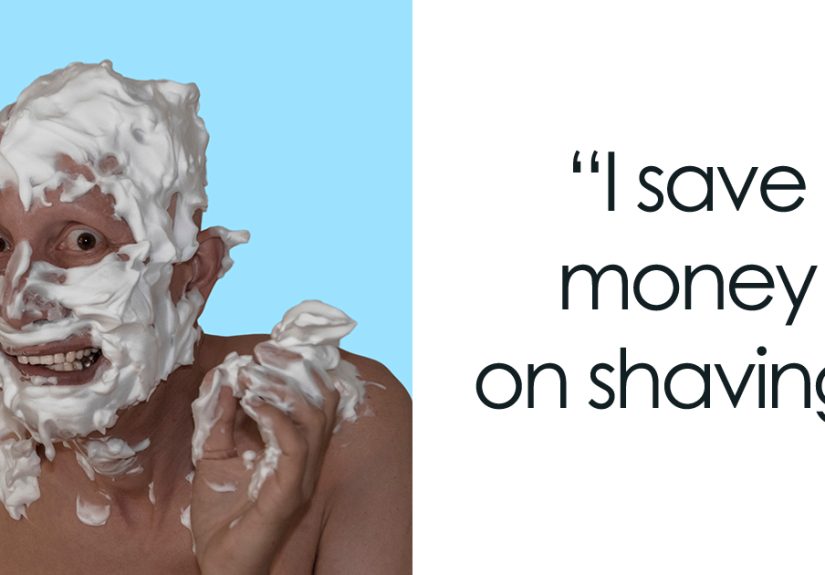
Living with alopecia universalis for 19 years is a little like being subscribed to a lifetime membership club you never signed up for. The benefits? You save money on shampoo, never worry about a bad haircut, and can get ready faster than everyone else in the house. The downsides? People stare, strangers ask questions with the subtlety of a marching band, and your skin suddenly becomes very aware that hair was doing more work than it got credit for.
Alopecia universalis is more than “just hair loss.” It is a severe form of alopecia areata, an autoimmune condition in which the immune system mistakenly targets hair follicles. In alopecia universalis, hair loss can affect the scalp, eyebrows, eyelashes, face, arms, legs, and the rest of the body. For some people, it arrives gradually. For others, it feels like the body suddenly pressed the “delete all” button.
This photo-style story is about the good, the bad, and the surprisingly funny middle ground of living visibly different in a world that loves neat categories. It is about bald heads, missing eyebrows, uncomfortable questions, strong sunscreen, family love, mirror battles, and the strange freedom that comes when you stop apologizing for your own reflection.
What Is Alopecia Universalis?
Alopecia universalis is considered the most extensive form of alopecia areata. While patchy alopecia areata may cause round bald spots on the scalp or beard, and alopecia totalis causes complete or near-complete scalp hair loss, alopecia universalis can cause loss of hair across the entire body.
The condition does not mean a person is unhealthy, contagious, or doing something wrong. Most people with alopecia areata are otherwise healthy. The problem is not laziness, poor hygiene, “too much stress,” or a shampoo that offended the scalp. The central issue is immune activity around the hair follicle, which interrupts normal hair growth. Hair follicles are usually still alive, but they may remain inactive for unpredictable lengths of time.
That unpredictability is one of the hardest parts. Hair may return, disappear again, grow back in patches, change color, or never fully return. Alopecia has the dramatic timing of a soap opera character: it shows up when it wants, leaves when it wants, and refuses to explain its motives.
The First Shock: When Hair Loss Becomes a New Identity
The first stage of alopecia universalis is often not medicalit is emotional. You may start with a small patch and tell yourself it is nothing. Then another patch appears. Then eyebrows thin. Then eyelashes vanish. Suddenly, the person in the mirror looks familiar and unfamiliar at the same time.
For many people, the hardest part is not losing hair itself. It is losing the privacy of blending in. Hair is personal, cultural, fashionable, and emotional. It frames the face. It communicates style. It lets people change their look on purpose. Alopecia removes that control, and control is a big deal when your body seems to be making executive decisions without inviting you to the meeting.
Over 19 years, the mirror can become both an enemy and a teacher. Some days it says, “You look strong.” Other days it says, “Maybe avoid fluorescent lighting and emotional decisions.” Both days are real.
The Good Parts Nobody Talks About Enough
1. Confidence Can Become a Skill
Confidence with alopecia universalis is not something that magically arrives one sunny morning while birds sing and your moisturizer absorbs perfectly. It is built slowly. It starts when you go outside without hiding. It grows when you answer a question without shrinking. It strengthens when someone stares and you remember that their curiosity is not your emergency.
At first, confidence may feel like a costume. Eventually, it can become a habit. After 19 years, a bald head is no longer a crisis. It is a feature. It is the face. It is the photo. It is the person. And on a hot day, it is also excellent ventilation.
2. You Learn Who Sees You Clearly
Alopecia has a way of filtering people. Some respond with kindness, some with awkwardness, and a few with comments that should have stayed in the drafts folder of their brain. Over time, you learn who sees your humanity before your hair loss.
The best people do not treat alopecia like a tragedy. They do not make every conversation about it. They may ask thoughtful questions, but they also ask about your work, your kids, your dinner, your terrible movie opinions, and whether you want coffee. In other words, they remember you are a whole person, not a walking dermatology brochure.
3. Style Gets More Creative
Without hair, style does not disappear. It gets remixed. Hats, scarves, glasses, earrings, tattoos, makeup, bold colors, clean minimalism, and dramatic fashion choices can all become tools for expression. Some people prefer wigs. Some prefer no wig. Some switch depending on mood, weather, outfit, or how many minutes they have before leaving the house.
There is no single “right” way to look with alopecia universalis. Wearing a wig is not insecurity. Going bald is not a political statement unless you want it to be. Drawing on eyebrows is not fake. Skipping makeup is not giving up. The win is having choices.
The Bad Parts Are Real, Too
1. People Ask Questions Without Thinking
Most people are not trying to be cruel. Still, curiosity can land like a tiny emotional brick. “Do you have cancer?” “Can I touch your head?” “Will your hair ever grow back?” “What happened to your eyebrows?” These questions may come from concern, but they can feel exhausting when you are just trying to buy apples, take the bus, or enjoy a normal Tuesday.
A simple rule would improve society overnight: if a question requires someone to explain their medical history in public, maybe save it for a closer relationshipor do not ask at all.
2. The Body Misses Hair in Practical Ways
Hair is not only decorative. Eyelashes help keep dust and sweat out of the eyes. Eyebrows redirect moisture. Nose hair filters particles. Scalp hair helps protect against sun and cold. Without it, daily life needs adjustments.
Sunscreen becomes nonnegotiable. Hats are not just accessories; they are equipment. Sunglasses help protect eyes from wind, dust, and bright light. Cold weather can feel extra rude. A winter breeze on a bare head has the personality of an unpaid bill.
3. The Emotional Weight Comes in Waves
Even after years of acceptance, bad days can still happen. A photo may hit wrong. A child may ask a blunt question. A social event may feel intimidating. Someone may make a joke that is not funny. Living with alopecia universalis does not mean being brave every minute. Sometimes it means being tired, annoyed, sad, or simply bored of explaining.
That does not erase progress. It makes the experience human.
What 23 Pictures Can Show Better Than Words
A photo essay about alopecia universalis can say what medical definitions cannot. It can show the smooth scalp in sunlight, the empty eyebrow line, the confidence in a direct stare, the vulnerability of a close-up, and the humor of posing like a shampoo model while owning exactly zero shampoo.
Here are the kinds of moments 23 pictures can capture:
- A first portrait with no attempt to hide the hair loss.
- A close-up showing the face without eyebrows or eyelashes.
- A family photo where alopecia is present but not the focus.
- A hat collection that is part fashion, part survival kit.
- A sunny-day reminder that scalp sunscreen matters.
- A funny pose celebrating the no-hair lifestyle.
- A mirror selfie on a confident day.
- A quiet portrait on a difficult day.
- A photo showing how glasses can protect and style the face.
- A comparison between wig days and bald days.
- A picture of children seeing difference without judgment.
- A moment of public confidence in a crowd.
- A winter outfit proving that bald heads get cold fast.
- A playful image that turns awkwardness into humor.
- A close-up of skin care products that became daily essentials.
- A portrait showing that masculinity, femininity, and beauty do not require hair.
- A candid laugh, because alopecia does not cancel joy.
- A serious image about the emotional side of the condition.
- A photo of supportive friends or family.
- An image that shows vulnerability without shame.
- A bold fashion shot using accessories instead of hair.
- A simple everyday photo: shopping, walking, parenting, working.
- A final portrait that says, “This is me. All of me.”
Medical Treatment: What People Should Know
There is currently no guaranteed cure for alopecia areata or alopecia universalis, but treatment options have improved significantly. Dermatologists may consider the person’s age, extent of hair loss, health history, and goals before recommending a plan.
For milder alopecia areata, treatments may include topical corticosteroids, corticosteroid injections, minoxidil, or other therapies aimed at reducing inflammation and encouraging regrowth. For severe alopecia areata, including some cases of alopecia totalis and alopecia universalis, oral Janus kinase inhibitors, commonly called JAK inhibitors, have become important options.
FDA-approved JAK inhibitors for severe alopecia areata include baricitinib for adults, ritlecitinib for adults and adolescents ages 12 and older, and deuruxolitinib for adults. These medications are not casual beauty supplements. They affect immune signaling and require medical supervision, screening, and discussion of possible side effects and risks.
Some people choose treatment. Some choose wigs or cosmetic options. Some choose to live bald. Some do all three at different times. None of these choices is morally superior. The best treatment plan is the one made with a qualified clinician and aligned with the person’s health, comfort, budget, and goals.
Daily Life With Alopecia Universalis
Sun Protection Becomes a Lifestyle
A bare scalp can burn quickly. Broad-spectrum sunscreen, hats, and shade become essential. The scalp, ears, neck, and face deserve regular protection, especially outdoors. People who have lost eyebrows and eyelashes may also rely more on sunglasses to protect the eyes from sun, dust, and wind.
Skin Care Gets Simpler and More Important
Without hair, the skin is more visible. Dryness, irritation, razor bumps, or redness can feel more noticeable. Gentle cleansers, moisturizers, and fragrance-free products may help keep the scalp comfortable. The goal is not to create a flawless dome worthy of museum lighting. The goal is healthy, comfortable skin.
Social Scripts Help
Having a few prepared answers can make awkward moments easier. For example:
- “I have alopecia universalis. It is an autoimmune hair loss condition.”
- “No, it is not contagious.”
- “I’m healthy, thanks for asking.”
- “I’d rather not talk about my medical history right now.”
The last sentence is especially useful. Boundaries are not rude. They are emotional sunscreen.
Self-Acceptance Is Not a Straight Line
People love a clean transformation story: first sadness, then courage, then permanent confidence, then inspirational music. Real life is messier. Acceptance may come in chapters. One year you may feel invincible. Another year you may want to hide. One morning you may love your reflection; that evening, a comment can reopen an old bruise.
That does not mean you failed at self-love. It means you are alive.
Alopecia universalis changes appearance, but it also reveals how deeply society connects hair with identity. People call hair a crown, a symbol of beauty, youth, health, gender, rebellion, romance, and personality. Losing it can feel like losing a language. But over time, many people build a new languageone made of expression, humor, honesty, and refusal to disappear.
How Friends and Family Can Help
If someone you love has alopecia universalis, do not make their hair loss the center of every conversation. Let them bring it up when they want to. Compliment them without sounding surprised that they look good. Avoid miracle cures you found at 2 a.m. on the internet. Please do not recommend onion juice unless you are also volunteering your own head for scientific comparison.
Support can be simple: listen, ask what they need, defend them when people are rude, and treat their choices as valid. If they wear a wig, support it. If they go bald, support it. If they change their mind, support that too.
The Funny Side: Because Humor Helps
Humor does not erase pain, but it can make pain less bossy. With alopecia universalis, jokes sometimes become a coping tool. No bedhead. No eyebrow waxing. No clogged shower drain. No emergency haircut before a wedding. No wind ruining your hairstyle. Wind may still attack your eyeballs, but at least your hair remains perfectly absent.
The trick is ownership. It feels different when the person with alopecia makes the joke versus when someone else uses baldness as a punchline. Laughter can be healing when it comes from self-acceptance, not humiliation.
Extra Reflections: 19 Years of Living, Learning, and Showing the Full Picture
After 19 years with alopecia universalis, the experience becomes less like a single event and more like a long relationship with a difficult roommate. At first, alopecia takes up the whole house. It sits on the couch, changes the lights, eats the snacks, and makes every conversation about itself. Eventually, it is still there, but it no longer owns every room.
There are practical lessons. Always check the weather. A sunny day can turn your scalp into toast if you forget sunscreen. A cold day can make you understand why hats were invented with such passion. Keep sunglasses nearby. Wind and dust are not kind to eyes without lashes. Moisturize the scalp, because skin that is always on display deserves care, not punishment.
There are emotional lessons, too. You learn that confidence is not the absence of insecurity. Confidence is walking outside even when insecurity comes along for the ride. You learn that beauty is flexible. You learn that people who love you deeply will not need hair as proof of your worth. You learn that some strangers will stare because they do not understand, and some will stare because they are silently admiring your courage. Since you cannot read every mind, it is better not to rent them space in yours.
You also learn that children are often better than adults at difference. A child may ask, “Where is your hair?” with honest curiosity. An adult may ask the same question while acting like they are interviewing a suspicious vegetable. The child usually accepts the answer and moves on to dinosaurs, snacks, or whether clouds are made of mashed potatoes. Adults could learn from that efficiency.
Family can transform the experience. When children see you as normal, special, funny, loving, and fully present, they help rewrite the story. To them, a bald parent is not strange. It is simply their parent. That kind of love is powerful because it does not need a dramatic speech. It shows up in ordinary moments: a hug, a laugh, a family photo, a small hand touching your head like it is the most familiar thing in the world.
The hardest experiences often come from public spaces. A camera angle, a rude comment, or a long stare can bring back old pain. But the good experiences collect, too. A kind message. A person with hair loss saying, “Your photo helped me.” A friend who treats your bald head like a normal part of the group picture. A day when you leave the house without thinking about alopecia at all. Those moments matter.
Showing the good and bad parts through pictures is valuable because alopecia universalis is often misunderstood. A polished portrait can show confidence, but a vulnerable image can show truth. A funny photo can make people smile, but a serious one can make them think. Together, the pictures say: this condition can be difficult, but it does not make life small. There is still love, parenting, style, work, silliness, strength, exhaustion, growth, and joy.
If there is one lesson from 19 years of alopecia universalis, it is this: losing hair does not mean losing yourself. It may take time to recognize the new reflection. It may take patience to build new routines. It may take courage to be seen. But the person beneath the hairor without the hairwas always there. And sometimes, once the world gets used to the shine, it finally notices the light.
Conclusion
Living with alopecia universalis for 19 years means carrying both the visible and invisible parts of the condition. The visible part is obvious: no scalp hair, eyebrows, eyelashes, or body hair. The invisible part is more complicated: the questions, the confidence work, the practical adjustments, the emotional waves, and the decision to keep showing up.
Alopecia universalis is not simply a cosmetic issue. It affects identity, comfort, mental health, social interactions, and daily routines. Still, it does not define the whole person. With medical guidance, emotional support, sun protection, humor, and self-expression, people with alopecia universalis can live fully, beautifully, and unapologetically.
The good and bad parts belong in the same story. The bad parts deserve honesty. The good parts deserve celebration. And the person living the story deserves to be seen as more than hair loss.