Table of Contents >> Show >> Hide
- What Is the Weight Here Candleholder?
- Why the Name “Weight Here” Works So Well
- The Designers: Why KiBiSi Matters
- Materials: Polystone and Cast Iron
- Design Language: Old-World Candlelight, Modern Shape
- Available Sizes and Styling Flexibility
- How to Style the Weight Here Candleholder
- Why Collectors Still Notice It
- Buying Tips: What to Check Before Purchasing
- Candle Safety Without Killing the Mood
- Who Is This Candleholder Best For?
- Experience Notes: Living With a Candleholder Like Weight Here
- Conclusion
Some candleholders whisper. Menu & KiBiSi’s Weight Here Candleholder + Candlestick walks into the room wearing architectural boots, sets itself firmly on the table, and says, “Yes, I am decorativebut I also have opinions about gravity.” Designed by KiBiSi for MENU, the Weight Here collection is one of those small home objects that proves great design does not need to shout. It simply needs the right silhouette, the right material, and enough confidence to make a single candle feel like an event.
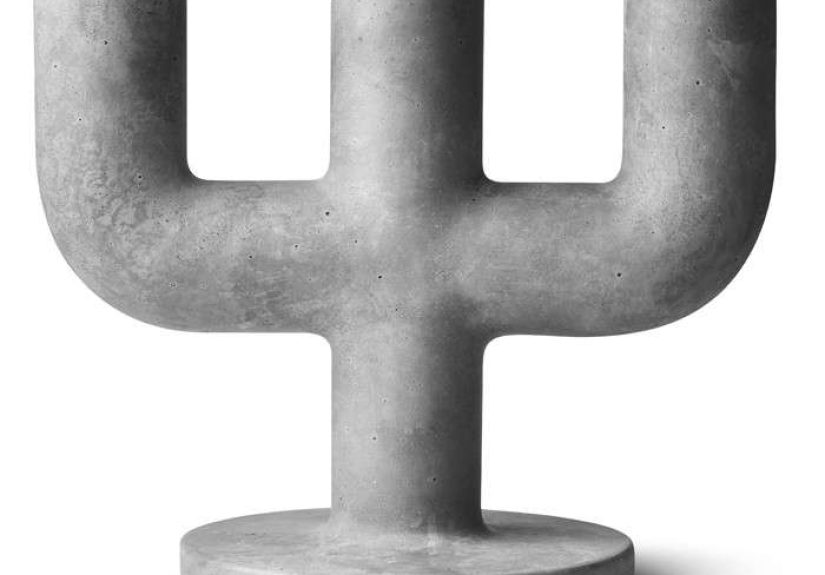
At first glance, the Weight Here candleholder looks simple: a rounded, weighty base, a dark metal candle cup or stem, and a form that nods to old chamber candlesticks while looking perfectly comfortable in a modern apartment. Look longer, though, and the cleverness appears. It combines historic candlelight rituals with Scandinavian restraint, industrial materiality, and a touch of playful drama. It is not merely a place to park a candle. It is a tiny architectural object for the table, shelf, mantel, or bedside corner.
What Is the Weight Here Candleholder?
The Weight Here Candleholder is a family of candleholders designed by KiBiSi for MENU, the Danish design brand now associated with Audo Copenhagen. The collection was created around a strong visual contrast: a stone-like polystone body paired with cast iron candle-holding elements. That combination gives the piece its distinctive personalitysoftly sculptural below, tough and utilitarian above.
The design takes inspiration from traditional chamber candlesticks and candelabras, the kinds of objects once carried from room to room before every hallway had a light switch and every phone had a flashlight. KiBiSi did not copy those old forms literally. Instead, the studio reduced them, modernized them, and made them feel less like antiques and more like design artifacts from a very stylish future monastery.
Why the Name “Weight Here” Works So Well
The name is part joke, part product description, and part design philosophy. “Weight Here” sounds like “Wait here,” which is exactly what the object seems to do. It sits patiently, heavily, and calmly. It does not wobble into the visual noise of a room. It anchors the scene.
That sense of weight matters. Many decorative candleholders rely on sparkle, shine, or ornamental detail. This one relies on mass. The polystone body gives it a grounded presence, while the cast iron adds a dark, tactile seriousness. Together, they create a candleholder that feels dependable, almost furniture-like, even though it is small enough to move around the house.
The Designers: Why KiBiSi Matters
KiBiSi is a Copenhagen-based design collaboration founded by Lars Holme Larsen, Bjarke Ingels, and Jens Martin Skibsted. The name itself combines Kilo Design, BIG architects, and Skibsted Ideation. That background helps explain why the Weight Here Candleholder feels more architectural than decorative. It is not just a pretty tabletop accessory; it has the posture of a miniature building.
KiBiSi’s work often blends product design, architecture, lifestyle, and industrial thinking. With Weight Here, that cross-disciplinary approach is easy to see. The candleholder borrows from history, uses modern materials, and solves a basic household need with unusual clarity. It is practical, but not boring. Sculptural, but not fragile. Minimal, but not cold.
Materials: Polystone and Cast Iron
Polystone for the Body
Polystone is a composite material often used when designers want a stone-like look with a smoother, more controlled finish. In the Weight Here collection, it gives the base a dense, matte appearance. The effect is architectural, almost concrete-like, but refined enough for an interior setting. It works especially well in Scandinavian, modern, Japandi, industrial, and minimalist rooms.
Cast Iron for the Candle Holder
The cast iron component provides contrast. It references old metalworking traditions and gives the piece a tactile, durable feeling. The dark metal also frames the candle flame beautifully. When lit, the candle creates a soft glow above a rugged base, producing a balanced mix of warmth and strength. Think cozy dinner, but with better bone structure.
Design Language: Old-World Candlelight, Modern Shape
The genius of the Menu & KiBiSi Weight Here Candleholder + Candlestick lies in its ability to feel familiar without feeling nostalgic in a dusty way. Traditional chambersticks often had handles and saucers for carrying candles through dark rooms. Weight Here borrows that memory, then strips it down into a clean, contemporary form.
The result is a candleholder that works in many design settings. On a rustic table, it feels honest and tactile. On a marble counter, it adds contrast. On a black metal shelf, it looks almost gallery-ready. On a bedside table, it brings atmosphere without demanding velvet curtains, dramatic music, or a secret passage behind the bookcase.
Available Sizes and Styling Flexibility
The Weight Here collection has appeared in several sizes, including smaller versions for standard candles and larger versions for block or pillar-style candles. This makes the series especially flexible. A small version can serve as a single accent on a nightstand. A medium candleholder can become part of a dining table arrangement. Larger versions can work on a console, fireplace mantel, or low coffee table where their sculptural mass has room to breathe.
For the best visual effect, avoid over-decorating around it. Weight Here already has character. Pair it with simple linen napkins, a ceramic vase, a low bowl, or a stack of art books. If you add too many competing objects, the candleholder may look like it showed up to a party where everyone is talking at once.
How to Style the Weight Here Candleholder
1. Use It as a Dining Table Anchor
On a dining table, the Weight Here candlestick creates an immediate focal point. A pair of matching holders can frame a centerpiece, while a single holder can make a small round table feel intentional. Because the form is substantial, it works best with simple place settings: neutral plates, matte flatware, glassware without too much pattern, and perhaps one organic element such as eucalyptus or olive branches.
2. Place It on a Mantel
A mantel is a natural home for this piece. The weight of the base visually balances framed art, mirrors, and ceramics. If your mantel leans traditional, Weight Here adds a modern edit. If your mantel is already contemporary, it reinforces the look without becoming repetitive.
3. Pair It With Books and Stoneware
The candleholder looks excellent beside design books, handmade bowls, and textured ceramics. The polystone base connects visually with clay, concrete, plaster, and natural stone. This makes it useful for layered interiors where the goal is quiet richness rather than shiny perfection.
4. Let It Stand Alone
Some objects need friends. This one does not. A single Weight Here candleholder on a shelf can look deliberate and complete. That is especially helpful for small apartments, where every decorative object needs to earn its square inches.
Why Collectors Still Notice It
Because some listings describe the original Menu Weight Here candleholder as discontinued, it has become more interesting to design collectors and fans of Scandinavian home accessories. Discontinued design objects often gain appeal because they are no longer just products; they become snapshots of a brand era, a designer collaboration, and a particular design mood.
That does not mean every piece becomes wildly valuable. Condition, size, finish, market demand, and authenticity all matter. Still, Weight Here has several collector-friendly qualities: a notable design studio, a recognized Danish brand, durable materials, and a strong visual identity. It is the kind of object that can survive changing trends because it was never chasing them too desperately in the first place.
Buying Tips: What to Check Before Purchasing
If you are shopping for a Menu & KiBiSi Weight Here Candleholder + Candlestick on the resale market, examine the listing carefully. Look for clear photos of the base, metal candle cup, underside, finish, and any markings. Ask about chips, cracks, scratches, wax residue, and whether the candleholder sits flat. A little patina can be charming; structural damage is less charming, unless your decor theme is “auction house mystery box.”
Also confirm the size. The collection includes different versions, and photos can be misleading without measurements. A small taper candleholder and a large block-candle version serve different purposes. Check candle compatibility as well. The right candle should fit securely without forcing, leaning, or wobbling.
Candle Safety Without Killing the Mood
A candleholder can be beautiful and still demand common sense. Always place candles on a stable, heat-resistant surface. Keep open flames away from curtains, books, dried flowers, paper decorations, and anything else that might turn ambiance into a phone call to the fire department. Do not leave burning candles unattended, and blow them out before leaving the room or going to sleep.
Trim candle wicks before lighting to reduce high flames and soot. Keep the wax area clean, and avoid placing candles in strong drafts from fans, vents, or open windows. The Weight Here design feels sturdy, but no candleholder is a license to ignore basic fire safety. Good design creates atmosphere; safe use keeps the atmosphere from becoming newsworthy.
Who Is This Candleholder Best For?
The Weight Here Candleholder is ideal for people who like design objects with presence. It suits homeowners and renters who prefer fewer, better accessories over shelves crowded with small decorative filler. It is especially appealing if your taste leans Scandinavian, industrial, architectural, monochrome, or warm minimalist.
It may not be the best choice for someone who wants ornate crystal, bright colors, or highly delicate decoration. Weight Here is not fussy. It is not trying to look like jewelry. It is closer to a tiny monument for candlelight, which sounds dramatic until you place one on a table and realize that, yes, that is exactly what it is.
Experience Notes: Living With a Candleholder Like Weight Here
Using a candleholder like Menu & KiBiSi’s Weight Here changes how a room feels because it introduces weight in the visual sense as much as the physical one. Many accessories decorate a surface, but this kind of object organizes it. Place it on a table, and suddenly the table has a center. Place it on a shelf, and the shelf has rhythm. Place it near a reading chair, and the corner begins to feel intentional rather than leftover.
In everyday use, the best thing about a substantial candleholder is that it slows down the room. Lightweight decor can feel temporary, as if it might be moved the moment you need space for a coffee mug. Weight Here feels settled. That grounded quality makes it especially satisfying in busy homes where surfaces are constantly changing. Mail arrives. Keys land. Someone leaves a charger in a place no charger should live. Yet the candleholder remains calm, almost politely judging the chaos.
For dining, it works beautifully when the rest of the table is relaxed. Imagine a simple weeknight meal: white plates, pasta, a bowl of salad, maybe bread if everyone behaved at the grocery store. Add one dark, sculptural candleholder with a clean taper candle, and the meal feels upgraded without turning into a formal performance. It is the difference between “we ate dinner” and “we had dinner.” Small distinction, big mood.
In a living room, the experience is more about texture. The matte base plays well with wood grain, wool throws, ceramic lamps, and stone trays. During the day, it reads as sculpture. At night, it becomes functional atmosphere. That dual role is what makes well-designed candleholders worth owning. They do not disappear when the candle is unlit. They continue contributing shape, contrast, and personality.
One practical lesson: choose candles carefully. A beautiful holder can look awkward with the wrong candle height, color, or diameter. Neutral tapers are the safest choice for smaller versions; cream, ivory, warm gray, charcoal, and muted earth tones usually work best. For larger block-candle versions, avoid overly scented or brightly colored candles if you want the object to remain the star. Let the flame provide the drama. The candleholder already brought the architecture.
Another experience-based tip is to leave breathing room around it. Weight Here looks strongest when it has a little negative space. Do not crowd it with too many trinkets, tiny plants, framed photos, and seasonal decorations all at once. It has a calm, sculptural identity, and that identity becomes clearer when the surrounding surface is edited. In other words, give it space to be quietly impressive. It has earned the square footage.
Conclusion
Menu & KiBiSi’s Weight Here Candleholder + Candlestick is a small object with a surprisingly large design vocabulary. It combines historic candleholder references, Scandinavian minimalism, architectural mass, and tactile materials into one memorable piece. Whether used on a dining table, mantel, shelf, or bedside surface, it brings a grounded sense of atmosphere that feels both old and new.
Its appeal comes from balance: soft shape and hard metal, tradition and modernity, utility and sculpture. For anyone who loves meaningful home accessories, Weight Here is more than a candleholder. It is a reminder that good design can make even a quiet flame feel considered, composed, and just a little bit legendary.