Table of Contents >> Show >> Hide
- Why New York Rooftop Gardens Matter
- Types of Rooftop Gardens in New York City
- Famous and Inspiring New York Rooftop Gardens
- How New York Policies Encourage Greener Roofs
- Best Plants for New York Rooftop Gardens
- Design Tips for a Successful Rooftop Garden
- The Lifestyle Appeal of Rooftop Gardens
- Challenges of Rooftop Gardening in New York
- Personal Experiences and Practical Impressions of New York Rooftop Gardens
- Conclusion: The Future Is Growing Above Us
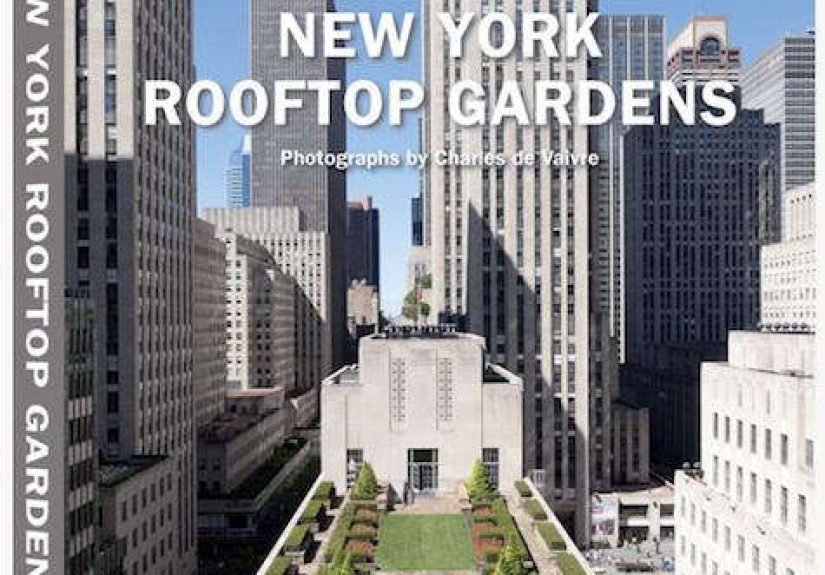
New York City has never been shy about aiming upward. Skyscrapers, water towers, penthouses, fire escapes, rooftop barsthe city has always treated the sky like extra real estate with better lighting. But lately, something greener has been happening above the honking taxis and coffee-fueled sidewalks: New York rooftop gardens are turning blank roofs into living, breathing spaces.
These elevated gardens are more than pretty patches of sedum and tomatoes posing for Instagram. They help manage stormwater, cool buildings, support pollinators, reduce the urban heat island effect, and give New Yorkers a rare chance to hear bees instead of brake pads. In a city where a “backyard” can mean one folding chair beside a trash can, rooftop gardens feel almost rebelliouslike nature found the service elevator and refused to leave.
From commercial green roofs to rooftop farms, museum terraces, school gardens, apartment co-op oases, and ambitious climate infrastructure, rooftop gardening in New York has become a serious part of urban sustainability. It is also changing how residents, architects, developers, and city agencies think about unused space. The roof is no longer just where pigeons hold meetings. It is becoming a climate tool, a community space, and sometimes even a vegetable farm with a skyline view.
Why New York Rooftop Gardens Matter
New York is dense, paved, and famously dramatic about weather. Heavy rain can overwhelm combined sewer systems, summer heat can make asphalt feel like a frying pan, and traditional roofs often absorb heat without offering much in return. Rooftop gardens help soften these problems by adding vegetation, growing medium, drainage layers, and sometimes irrigation systems to surfaces that would otherwise be bare.
A well-designed green roof can absorb rainfall, slow runoff, provide insulation, and create habitat for insects and birds. In simple terms, it gives the building a hat that also happens to drink water, feed bees, and look charming in golden-hour light. That is a very productive hat.
Stormwater Management
Stormwater is one of the biggest reasons rooftop gardens matter in New York. When rain falls on conventional roofs, sidewalks, and streets, it rushes into drains. During heavy storms, that runoff can contribute to sewer overflows and flooding. Green roofs capture some of that water in soil and plant systems, releasing it more slowly through evaporation, plant uptake, and drainage.
This is why rooftop gardens are often discussed alongside rain gardens, bioswales, permeable pavement, and other forms of green infrastructure. They act like small sponges scattered across the skyline. One roof will not save the city from a thunderstorm, but many roofs working together can reduce pressure on drainage systems.
Cooling the City
New York summers can feel like standing inside a toaster that has career ambitions. Rooftop gardens help reduce heat by replacing dark, heat-absorbing surfaces with plants and growing media. Vegetation cools the air through evapotranspiration, while the added roof layers can reduce heat transfer into buildings.
For property owners, that can mean better thermal performance. For residents, it can mean a more comfortable roof deck or terrace. For the city, it contributes to the larger fight against the urban heat island effect, where dense built environments become hotter than surrounding areas.
Habitat in the Sky
New York rooftop gardens also create habitat where almost no one expects it: above convention centers, apartment buildings, offices, and schools. Bees, butterflies, beetles, birds, and other urban wildlife can use these elevated green spaces as stepping stones across the city.
The Javits Center is one of the most famous examples. Its massive green roof has become known not only for stormwater and energy benefits but also for supporting birds, bees, and other wildlife on Manhattan’s West Side. It proves a point New Yorkers understand well: if you provide decent real estate, somebody will move in.
Types of Rooftop Gardens in New York City
Not all rooftop gardens are the same. Some are lightweight ecological systems designed mainly for stormwater and insulation. Others are farms, terraces, outdoor lounges, research sites, or private gardens with enough container plants to make a nursery jealous.
Extensive Green Roofs
Extensive green roofs are usually lighter, shallower, and lower-maintenance than intensive rooftop gardens. They often use hardy plants such as sedum, grasses, and drought-tolerant perennials. Their main purpose is environmental performance: stormwater retention, insulation, roof protection, and heat reduction.
These roofs are common on commercial, institutional, and residential buildings because they can cover large areas without requiring the same structural load or maintenance needs as deeper garden systems. Think of them as the practical New Yorker of rooftop landscapes: efficient, tough, and not interested in nonsense.
Intensive Rooftop Gardens
Intensive rooftop gardens use deeper growing media and can support shrubs, small trees, vegetable beds, seating areas, paths, and more complex planting designs. They are heavier, more expensive, and more maintenance-intensive, but they can function like full outdoor rooms.
These gardens are often found on luxury residential buildings, hotels, offices, museums, and community-focused projects. They may include irrigation, lighting, furniture, planters, pergolas, and wind protection. In other words, they are the rooftop version of “I just came up here for five minutes” and then somehow staying for two hours.
Rooftop Farms
Rooftop farms take the concept a step further by growing food at scale. Brooklyn Grange is one of the best-known examples in New York City. It operates rooftop farms in Brooklyn and Queens and has helped popularize soil-based rooftop agriculture in the United States.
These farms grow vegetables, herbs, and flowers while also hosting educational programs, events, and community activities. They show that New York rooftops can be productive agricultural spaces, not just places to put mechanical equipment and mysterious locked doors.
Container Rooftop Gardens
For many residents, the most realistic rooftop garden begins with containers. Planters, raised beds, grow bags, and modular systems allow gardeners to create flexible green spaces without rebuilding the entire roof.
Container gardens are especially useful for apartment buildings, brownstones, and small commercial properties. They can support herbs, tomatoes, peppers, flowers, native plants, and small ornamental shrubs. The trick is choosing wind-tolerant plants, using lightweight soil mixes, confirming roof access rules, and making sure the structure can handle the load. Plants are delightful; unexpected ceiling problems are less delightful.
Famous and Inspiring New York Rooftop Gardens
New York has many rooftop spaces that show how varied this movement has become. Some focus on food, some on art, some on climate, and some on the simple joy of looking at the city from above without stepping in gum.
Brooklyn Grange
Brooklyn Grange is often the first name people mention when discussing New York rooftop farms. Its farms have grown large quantities of produce, hosted community programs, and demonstrated that rooftop agriculture can be both beautiful and operationally serious.
The appeal is easy to understand: rows of vegetables growing above industrial buildings, with city views in the background. It feels futuristic and old-fashioned at the same timelike a farm from 1890 accidentally landed in a Brooklyn design magazine.
The Javits Center Green Roof
The Javits Center’s green roof is one of New York’s most important examples of large-scale rooftop sustainability. It has been recognized for stormwater capture, energy savings, and wildlife habitat. The roof supports pollinators and birds while helping reduce the building’s environmental footprint.
For a convention center known for crowds, exhibits, and enormous indoor events, the roof adds an unexpected ecological layer. Above the trade shows and escalators, nature is quietly doing its work.
The Met Roof Garden
The Metropolitan Museum of Art’s Iris and B. Gerald Cantor Roof Garden is a beloved cultural rooftop destination. While it is not a green roof in the same technical sense as a stormwater-focused planted roof, it shows another side of rooftop life in New York: public experience, art, skyline views, and seasonal programming.
Visitors go for the art and stay for the view over Central Park. It is one of those rare New York places where people voluntarily slow down. That alone should qualify it for landmark status.
Residential Rooftop Gardens
Across Manhattan, Brooklyn, Queens, the Bronx, and Staten Island, residential rooftop gardens range from modest herb planters to professionally designed terraces. Some are shared amenities in apartment buildings. Others belong to co-ops, condos, townhouses, or private homes.
These spaces can become outdoor dining rooms, pollinator gardens, reading corners, or small farms. In a city where every square foot has opinions about its own value, rooftops offer precious breathing room.
How New York Policies Encourage Greener Roofs
New York City has pushed rooftop sustainability through a mix of laws, incentives, and public programs. Local Laws 92 and 94 require certain new buildings and major roof renovations to include sustainable roofing zones covered by solar panels, green roofs, or a combination of both.
The city also offers information and incentives related to green infrastructure and green roof tax abatements. These programs reflect a larger shift: roofs are no longer treated as leftover space. They are part of the climate strategy.
Green Roof Tax Abatement
The Green Roof Property Tax Abatement Program provides a financial incentive for qualifying properties that install green roofs. The program recognizes that these systems can help absorb rainwater, provide insulation, and reduce heat island effects.
For building owners, incentives can help offset installation costs. For the city, encouraging private properties to add green roofs supports broader sustainability goals. It is a practical trade: you make the roof greener, and the city gives the project a financial nudge instead of just polite applause.
Sustainable Roof Requirements
New York’s sustainable roof laws are especially important because they connect climate policy to construction and renovation. When certain roof work is already happening, the building may need to include solar energy systems, green roofs, or both in the usable roof area.
This approach makes sense because roof replacement is already a major construction moment. Adding sustainability during that window can be more efficient than trying to retrofit later after everyone has packed up the ladders and gone home.
Best Plants for New York Rooftop Gardens
Rooftop gardens in New York face special conditions: wind, heat, sun exposure, freeze-thaw cycles, shallow soil, and limited water. The best plants are resilient, adaptable, and not overly dramatic. In other words, they need the personality of a subway commuter during rush hour.
Hardy Green Roof Plants
Sedum is popular because it tolerates drought, shallow growing media, and intense sun. Other hardy choices may include native grasses, alliums, asters, goldenrod, yarrow, and low-growing perennials suited to dry conditions.
Native and pollinator-friendly plants are especially useful because they support local ecology. A rooftop garden does not need to look wild to be wildlife-friendly. Even a modest collection of flowering plants can help bees and butterflies move through the city.
Vegetables and Herbs
For food gardens, herbs are often the easiest starting point. Basil, thyme, oregano, mint, parsley, chives, and rosemary can do well in containers with proper care. Tomatoes, peppers, lettuce, kale, radishes, beans, and strawberries are also common choices for rooftop gardeners.
The key is matching crops to the site. A windy roof may need sturdy cages, lower-growing varieties, or windbreaks. A blazing-hot roof may require more frequent watering. And mint should usually stay in its own container unless you want it to conquer the entire roof like a tiny green empire.
Design Tips for a Successful Rooftop Garden
Good rooftop garden design begins before the first plant is purchased. The most important questions involve structure, waterproofing, drainage, access, wind, sunlight, safety, and maintenance. A rooftop garden is not just a balcony with ambition. It is a landscape built on top of a building.
Check Structural Capacity
Soil, water, planters, furniture, people, and plants all add weight. Before installing a rooftop garden, property owners should consult qualified professionals to confirm what the roof can safely support. This is especially important for intensive gardens, raised beds, trees, and large planters.
Plan for Drainage and Waterproofing
Water is wonderful for plants and extremely annoying when it appears in the apartment below. Rooftop gardens need proper drainage layers, root barriers, waterproof membranes, and maintenance access. Professional installation is often worth the cost because roof leaks have a special talent for becoming expensive.
Design for Wind
Wind is one of the biggest rooftop challenges in New York. Tall plants may need staking. Lightweight furniture should be secured. Planters should be stable. Wind-tolerant species and protective screens can make the space more comfortable for both people and plants.
Use Lightweight Growing Media
Regular garden soil is often too heavy for rooftops and may drain poorly in containers. Rooftop systems typically use engineered growing media designed to be lighter, well-draining, and appropriate for roof conditions. For container gardens, high-quality potting mixes are usually better than digging up dirt from somewhere else and hoping for the best.
The Lifestyle Appeal of Rooftop Gardens
Beyond climate benefits, New York rooftop gardens offer something emotionally powerful: a place to pause. The city is thrilling, but it is not exactly famous for whispering. Rooftop gardens create little zones of calm where residents can drink coffee, read, garden, host friends, or simply watch clouds move between buildings.
They also create community. Shared rooftop gardens can bring neighbors together in a way elevators rarely do. People who might only nod politely in the lobby suddenly discuss compost, basil, tomatoes, watering schedules, and whether the mysterious plant in the corner is thriving or plotting.
Challenges of Rooftop Gardening in New York
Rooftop gardens are wonderful, but they are not magic carpets with mulch. They require planning, money, maintenance, and realistic expectations.
Cost
Professional green roofs can be expensive, especially when structural upgrades, waterproofing, irrigation, and engineering are involved. However, incentives, energy savings, roof protection, and improved building amenities can help justify the investment over time.
Maintenance
Even low-maintenance roofs are not no-maintenance roofs. Plants need monitoring, weeds may appear, drains must stay clear, and irrigation systems need attention. A neglected rooftop garden can quickly go from “urban oasis” to “botanical mystery novel.”
Access and Safety
Not every roof is designed for regular foot traffic. Safe access, railings, code compliance, lighting, and clear rules are essential. In shared residential buildings, rooftop gardening also requires coordination with boards, landlords, property managers, or building staff.
Personal Experiences and Practical Impressions of New York Rooftop Gardens
Spending time in a New York rooftop garden feels different from visiting a park at street level. At ground level, the city surrounds you. On a roof, the city becomes a backdrop. The noise softens slightly. The light changes. You notice water towers, cornices, fire escapes, church steeples, glass towers, and the tiny choreography of people moving far below.
The first experience many people have with a rooftop garden is surprise. You step out of a stairwell expecting tar, vents, and maybe one suspicious folding chair. Instead, you find planters, flowers, tomatoes, herbs, and a breeze that smells faintly like basil instead of traffic. It feels like discovering a secret room in a building you thought you understood.
One of the most memorable parts of rooftop gardening is how quickly plants change the mood of a place. A bare roof can feel exposed and harsh, especially in summer. Add greenery, shade, seating, and a few pollinator plants, and suddenly the same roof becomes a destination. People linger. They bring iced coffee. They talk more slowly. Someone inevitably says, “We should do this more often,” which is New York code for “this is genuinely nice, and I am shocked.”
For gardeners, rooftop growing teaches patience and humility. Wind can bully tall plants. Heat can dry containers faster than expected. A tomato plant that looked heroic in May may need emotional support by August. Herbs often perform beautifully, especially when placed in sunny, well-drained containers. Basil, thyme, chives, and oregano can make even a tiny rooftop feel productive. There is a special joy in clipping herbs for dinner while looking at apartment windows, antennas, and the skyline.
Shared rooftop gardens can also change the social life of a building. Neighbors who once exchanged only weather-related grunts may start comparing watering techniques or debating whether the peppers are ready. A rooftop garden gives people something low-pressure to care about together. It is easier to talk beside a planter than in a lobby while both parties pretend not to look at the elevator floor numbers.
There is also a sensory reward that is hard to explain until you experience it. The city below stays busy, but the rooftop has its own rhythm. Bees move through flowers. Leaves rattle in the wind. Rain darkens the pavers and fills the soil. At sunset, the plants catch warm light while the surrounding buildings glow. In that moment, a rooftop garden feels less like an amenity and more like a small act of repair.
The best rooftop gardens in New York do not try to erase the city. They work with it. They frame the skyline instead of hiding it. They use tough plants that can handle real conditions. They offer shade where possible, seating where practical, and enough greenery to remind people that nature is not absent from the cityit is just very good at finding unusual addresses.
For anyone thinking about creating a rooftop garden, the most practical advice is to start with the roof, not the plants. Confirm permissions, structure, waterproofing, access, and safety first. Then choose plants that match the site. Start modestly with containers or a small planted area. Learn how wind, sun, and watering behave across the season. Rooftop gardening rewards observation. It is less about forcing a Pinterest fantasy onto a roof and more about building a living space that can survive New York being New York.
Conclusion: The Future Is Growing Above Us
New York rooftop gardens are more than a design trend. They are part of a larger rethinking of urban space. As climate challenges grow, every flat roof becomes a question: should this surface merely absorb heat and shed rain, or could it help cool the city, capture stormwater, support wildlife, grow food, and give people a better place to breathe?
The answer is increasingly green. Rooftop gardens will not solve every urban problem, but they make the city more resilient, more beautiful, and more human. They turn overlooked surfaces into living systems. They give buildings a role in climate adaptation. And, perhaps most importantly, they remind New Yorkers that even in one of the busiest cities on Earth, there is still room for a tomato plant, a bee, and a quiet moment above the noise.