Table of Contents >> Show >> Hide
Personal development during COVID times did not look like a glossy motivational poster. It did not always involve color-coded planners, sunrise yoga, or suddenly becoming the kind of person who says things like “I’m thriving in uncertainty” without laughing. For many people, growth during the pandemic was messier, quieter, and a lot more human than that.
COVID changed daily life in ways that were hard to ignore. Routines collapsed. Work and home blurred together until “commute” meant walking from the bed to the laptop. Social lives moved to screens. Stress, isolation, grief, burnout, and uncertainty became regular houseguests nobody invited. Yet in the middle of all that disruption, many people also started asking bigger questions: What matters most? What habits are helping me? What needs to change? Who do I want to become when life stops feeling like a nonstop group project with chaos?
That is where personal growth entered the picture. Not as a perfect self-improvement fantasy, but as a practical response to a hard season. Some people built healthier routines. Others learned to manage anxiety, set boundaries, reconnect with loved ones, switch careers, pick up new skills, or finally admit that “being busy” was not a personality trait. Personal development and growth during COVID times became less about becoming flawless and more about becoming more aware, more resilient, and more intentional.
Why personal development mattered so much during COVID times
In ordinary life, people often postpone self-reflection. There is always another email, another errand, another weekend plan, another reason to deal with deeper questions later. The pandemic interrupted that rhythm. Suddenly, millions of people had fewer distractions and more emotional pressure at the same time. That combination forced a reckoning.
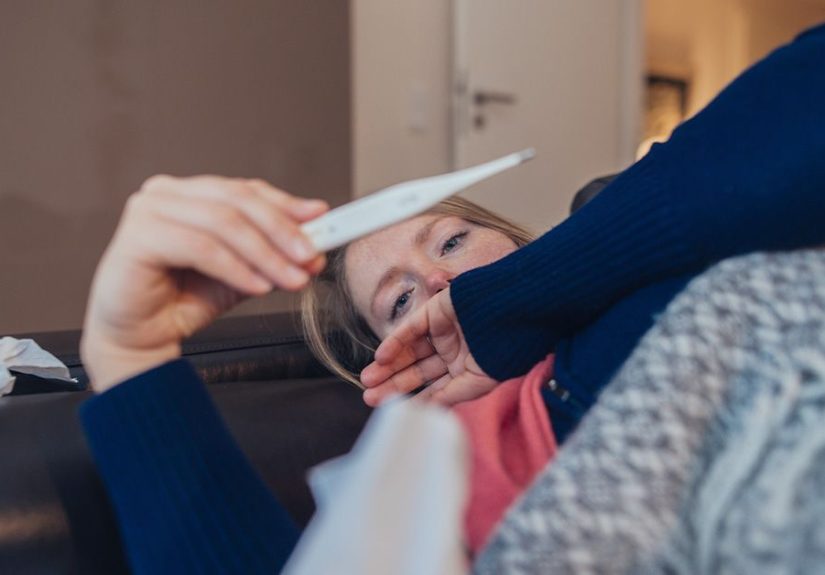
Health organizations and mental health experts consistently noted that the pandemic years brought increased stress, anxiety, depression, sleep problems, loneliness, and burnout. At the same time, they also emphasized practical tools that help people adapt: healthy routines, physical activity, social connection, mindfulness, reduced news overload, rest, and access to mental health support when needed. In other words, personal development stopped being a luxury topic and became part of basic coping.
That shift matters. Growth is not only about ambition. It is also about adaptation. During COVID, personal development often meant learning how to regulate emotions, create structure inside uncertainty, and keep moving forward without pretending everything was fine. That is real progress, even if it does not come with a vision board and a ring light.
How people grew during the pandemic
1. Learning to live with uncertainty
One of the hardest parts of COVID life was unpredictability. Plans changed overnight. Schools opened and closed. Offices went remote. Family gatherings turned into risk calculations. Even simple decisions sometimes felt loaded. Personal growth in this environment began with a difficult lesson: not everything can be controlled.
Many people developed stronger emotional flexibility because they had to. They learned to focus on what they could manage, such as daily habits, communication, sleep, nutrition, movement, and attitude. Instead of trying to solve every global problem before breakfast, they practiced smaller forms of control. That mindset helped reduce overwhelm and build resilience.
This kind of growth may not sound flashy, but it is powerful. The ability to tolerate uncertainty without falling apart is one of the most useful life skills a person can develop. COVID gave people a crash course in it, whether they wanted the class or not.
2. Building routines from scratch
When the normal structure of life disappears, routines become survival tools. During the pandemic, many people discovered that a simple daily rhythm could protect both mood and productivity. Waking up at a consistent time, getting dressed, taking walks, planning meals, limiting doomscrolling, and setting work hours were not tiny habits. They were guardrails.
Personal development during COVID times often started with rebuilding the basics. Sleep became a priority. Exercise became less about aesthetics and more about sanity. Journaling helped people sort out racing thoughts. Hobbies provided relief. Time outdoors felt strangely luxurious, like the world’s cheapest spa with birds instead of cucumber water.
These habits worked because they brought stability to unstable circumstances. A routine does not erase stress, but it gives stress fewer places to run wild. Over time, small habits helped people feel more grounded, capable, and in charge of their day.
3. Taking mental health seriously
Before the pandemic, many people treated mental health like an optional upgrade, something to think about later. COVID made it clear that emotional well-being affects everything: energy, focus, relationships, motivation, and physical health. As a result, more people started talking openly about anxiety, grief, burnout, therapy, boundaries, and emotional exhaustion.
This openness was a major form of personal growth. People began to recognize warning signs in themselves. They learned that stress can show up as irritability, forgetfulness, brain fog, sleep problems, or lack of motivation. They also learned that asking for help is not weakness. It is strategy.
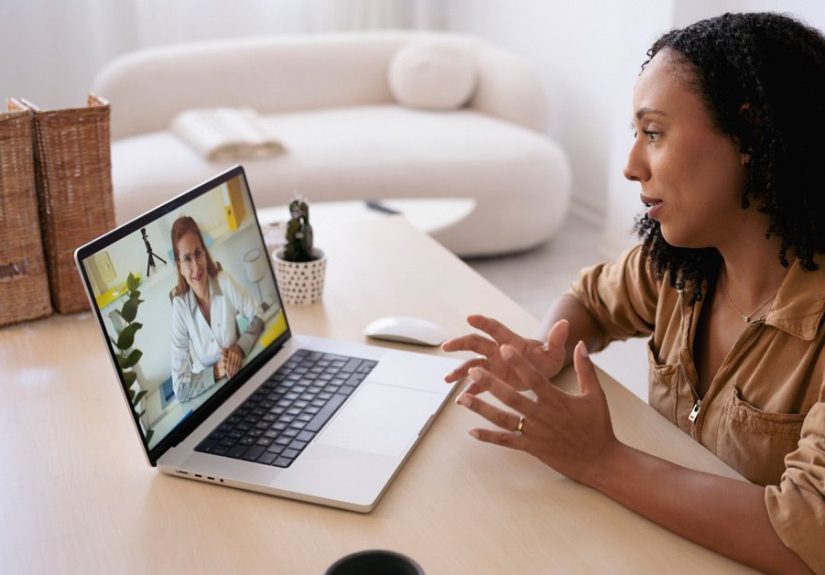
Telehealth and digital support tools also became more common, making therapy and mental health resources easier to access for many people. That did not solve every barrier, of course, but it did help normalize care. For some, COVID became the moment they finally started counseling, practiced mindfulness consistently, or gave themselves permission to rest without feeling guilty.
4. Re-evaluating relationships
Social distancing changed relationships in two opposite ways. Some connections weakened under distance, stress, and different beliefs about risk. Others became stronger through honesty, support, and shared difficulty. Many people realized which relationships gave them energy and which ones left them feeling drained like an old phone battery at 3%.
Personal growth often involves learning how to connect better, and COVID accelerated that lesson. People became more intentional about checking in, expressing care, apologizing, and making time for family or friends. At the same time, they also grew more willing to set boundaries with toxic dynamics.
The pandemic also reminded people that social connection is not a bonus feature. It is essential. Loneliness and isolation took a real toll, which pushed many individuals to value community more deeply. Growth, in this sense, meant understanding that independence is useful, but connection is still part of a healthy life.
5. Rethinking work, ambition, and identity
COVID did not just change where people worked. It changed how they thought about work altogether. Remote and hybrid arrangements forced many workers to ask whether old routines were efficient, healthy, or worth returning to. Some people loved the flexibility. Others struggled with blurred boundaries and constant availability. Most landed somewhere in the middle, learning that productivity without recovery is just burnout wearing business casual.
This period led many people to reassess ambition. Career growth still mattered, but so did purpose, autonomy, family time, health, and flexibility. Some switched jobs. Some started side businesses. Some went back to school. Some did something revolutionary by modern standards: they decided not to build their entire identity around work.
That shift is personal development too. Growth is not always climbing faster. Sometimes it is defining success in a way that actually fits your life.
6. Learning new skills in a digital world
One unexpected bright spot of COVID times was the explosion of online learning. People used virtual tools to take classes, improve technical skills, explore creative interests, attend workshops, and connect with communities they never would have reached in person. From coding to cooking to language learning to leadership courses, the internet became both office and classroom.
Not everyone had equal access to these opportunities, and that gap matters. Still, for many people, the pandemic expanded what learning could look like. They realized growth does not require waiting for the perfect season. Sometimes it starts with a free webinar, a library app, a notebook, and stubborn curiosity.
Learning during hard times also has emotional value. It restores momentum. It reminds people they are still capable of change. When the outside world feels stalled, developing a new skill can create a sense of forward motion.
7. Discovering resilience is often built in small moments
Personal development during COVID times was rarely one giant breakthrough. It was usually a collection of small choices repeated under pressure: going for a walk instead of spiraling, logging off after work, calling a friend, making a therapist appointment, cooking at home, turning off the news for an hour, trying again after a bad week.
That is what resilience often looks like in real life. Not dramatic heroics. Not endless positivity. Just steady, imperfect actions that help a person keep functioning and growing. The pandemic taught many people that resilience is less about pretending to be unbreakable and more about learning how to recover.
Practical lessons we can keep from COVID-era growth
The pandemic may no longer dominate daily headlines the way it once did, but its lessons still matter. Personal development and growth during COVID times left behind several habits worth keeping.
Protect your routine before your routine disappears
A healthy daily structure supports mental clarity. Consistent sleep, movement, meals, breaks, and work boundaries are not boring. They are maintenance for your mind.
Treat mental health like real health
Stress management is not extra credit. It is part of functioning well. Therapy, mindfulness, rest, and emotional honesty belong in the same conversation as exercise and nutrition.
Make connection intentional
Do not wait for closeness to happen by accident. Call people. Schedule time together. Send the text. Show up. Community rarely builds itself.
Redefine productivity
Being productive is useful, but being constantly depleted is not. Growth becomes more sustainable when it includes recovery, creativity, and meaning.
Keep learning, even in small ways
Personal development does not require a dramatic reinvention. Reading, practicing, reflecting, and trying new things in small doses can still transform a life over time.
Examples of personal growth during COVID times
To make this more concrete, here are a few common examples of how people changed during the pandemic:
A burned-out employee learned to log off at a reasonable hour and discovered that boundaries improved both performance and mood. A parent juggling remote work and family life became better at asking for help instead of trying to carry the whole universe alone. A college student struggling with isolation began therapy, created a walking routine, and slowly rebuilt confidence. A laid-off worker used online courses to pivot into a different career. A person who used to avoid difficult conversations started speaking more honestly after the pandemic highlighted how fragile time can be.
None of these stories require perfection. They simply show that growth can emerge from disruption when people respond with reflection, support, and repeated effort.
Experiences related to personal development and growth during COVID times
The experience of personal growth during COVID was often deeply ordinary, which is exactly why it mattered. It happened in kitchens, spare bedrooms, apartment hallways, front porches, and parked cars. It happened while people reheated coffee for the third time, refreshed the news even though they knew better, and tried to remember what day it was. Growth did not arrive with trumpets. It arrived in quiet decisions.
For some people, the experience began with discomfort. Without the usual rush of commuting, social obligations, and packed calendars, there was more room to notice exhaustion, dissatisfaction, and old habits that were no longer working. People started seeing how much of their life had been built on autopilot. That realization was not always pleasant, but it was useful. It pushed them to ask better questions about how they spent time, what they feared, and what they actually valued.
For others, growth felt like learning to be gentle with themselves for the first time. Instead of measuring success only by output, they began noticing whether they had slept enough, eaten well, moved their body, or spoken kindly to themselves. Some discovered journaling. Some started meditating badly at first and then a little less badly. Some cried in therapy, then joked about it afterward, then went back the next week because it helped. That counts as development too.
Relationships also changed shape. Many people felt the sting of distance and the awkwardness of video calls, but they also experienced surprising intimacy. Friends checked in more directly. Families talked more honestly. People learned the value of saying, “I’m not doing great today,” instead of pretending everything was fine. In that sense, growth looked like emotional clarity. It looked like telling the truth sooner.
Work experiences shaped growth in a major way as well. Some people realized they were more adaptable than they thought. They learned new software, managed remote meetings, handled changing expectations, and kept going through uncertainty. Others realized they had been over-identifying with work for years and needed a healthier definition of success. That insight did not always come with instant action, but it planted a seed. After COVID, many people returned to work with sharper priorities and less patience for unnecessary chaos.
There was also a strange kind of pride that came from surviving a difficult season. Not movie-trailer pride. More like quiet respect for the version of yourself that kept trying. The person who learned to cook because takeout was not always realistic. The one who walked every evening because it helped with anxiety. The one who finished an online certificate at midnight after caring for children all day. The one who did not become a brand-new person, but did become a little wiser, softer, stronger, and more aware.
That is the experience many people carry forward now. COVID times were painful, disruptive, and exhausting. But they also revealed hidden strengths, weak spots that needed attention, and values worth protecting. Personal growth did not erase the hardship. It helped people make meaning from it. Sometimes that is the most honest version of development there is.
Conclusion
Personal development and growth during COVID times were not about being endlessly positive in a deeply stressful moment. They were about adapting with intention. The pandemic pushed people to confront uncertainty, protect mental health, rebuild routines, strengthen relationships, rethink work, and keep learning in new ways. Those lessons still matter.
If there is one takeaway worth keeping, it is this: growth does not require perfect conditions. It often begins in disruption, when people start paying closer attention to what supports them and what drains them. COVID was a hard teacher, but it taught many people how to live more deliberately. And that lesson is worth carrying into whatever comes next.