Table of Contents >> Show >> Hide
- What Is a Stinging Nettle Rash?
- Stinging Nettle Rash Pictures: What Does It Look Like?
- Stinging Nettle Rash Symptoms
- Why Does Stinging Nettle Cause a Rash?
- Immediate Treatment: What to Do First
- Best Home Remedies for Stinging Nettle Rash
- Over-the-Counter Treatment Options
- What Not to Do
- How Long Does Stinging Nettle Rash Last?
- When to See a Doctor
- How to Prevent Stinging Nettle Rash
- Stinging Nettle vs. Poison Ivy: How to Tell the Difference
- Can You Be Allergic to Stinging Nettle?
- Are Dock Leaves or Jewelweed Real Remedies?
- Real-World Experience: What a Stinging Nettle Rash Feels Like and What Actually Helps
- Conclusion
A stinging nettle rash is one of nature’s fastest “hello, please stop touching me” messages. One moment you are hiking, gardening, or reaching into a suspiciously leafy patch; the next, your skin is tingling, burning, itching, and raising tiny bumps like it just received terrible news. The good news? In most cases, a stinging nettle rash is uncomfortable but temporary. With the right first aid, home remedies, and a little patience, the irritation usually calms down without drama.
This guide explains what stinging nettle rash looks like, why it happens, how to treat it at home, when to use over-the-counter options, and when symptoms deserve medical attention. It also includes a practical “picture guide” so you know what to look for, plus real-world experience notes to make the advice easier to remember when your skin is yelling at you.
What Is a Stinging Nettle Rash?
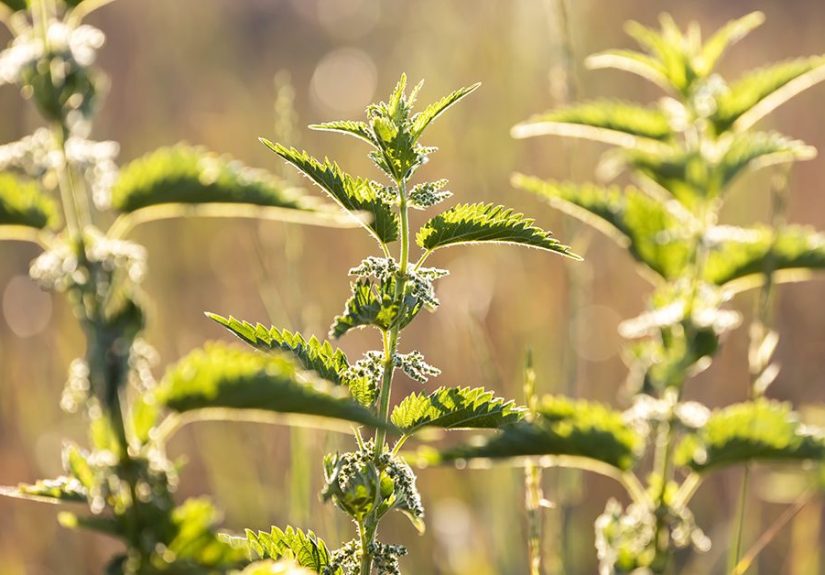
A stinging nettle rash is a skin reaction that happens after contact with the leaves or stems of the stinging nettle plant, commonly known as Urtica dioica. The plant is covered with tiny hollow hairs, often described as needle-like structures. When they brush against skin, the tips can break and deliver irritating compounds into the surface of the skin. That is why the reaction can feel instant: sharp sting first, itching and raised bumps second, regret third.
The rash is a type of contact reaction. It is not contagious, and you cannot “spread” it to another person the way you might spread a cold. However, rubbing the area right after contact may push plant hairs or irritating chemicals deeper into the skin, making the discomfort worse. That is why the first rule is simple: do not rub the sting, even though your brain may be shouting, “Scratch it now!”
Stinging Nettle Rash Pictures: What Does It Look Like?
Since the phrase “stinging nettle rash pictures” is often searched by people trying to identify a mystery rash, here is a clear visual description. A typical stinging nettle rash may appear as:
- Small raised bumps or welts, sometimes similar to hives
- Red, pink, or irritated patches around the sting area
- Thin lines or clusters where the plant brushed against the skin
- Swelling that stays limited to the area of contact
- Skin that burns, tingles, prickles, or itches
On lighter skin tones, the rash may look red or pink. On darker skin tones, it may appear darker brown, purplish, grayish, or slightly raised without dramatic redness. The texture is often more noticeable than the color. Many people describe it as “tiny bumps in a trail,” especially when the nettle brushed across an arm, ankle, calf, or hand.
Common Areas Affected
Stinging nettle rash commonly appears on exposed skin: hands, wrists, forearms, ankles, calves, knees, and sometimes the neck if someone walks through tall growth. Gardeners often get it on the backs of their hands or wrists where gloves and sleeves leave a gap. Hikers may notice it around sock lines or lower legs after walking through moist, weedy trails.
Stinging Nettle Rash Symptoms
Symptoms usually begin quickly after contact. The first feeling is often a sharp sting, followed by burning, prickling, or tingling. Itching may come a few minutes later and can be surprisingly intense. In mild cases, symptoms fade within a few hours. In more noticeable reactions, irritation may last up to a day or longer.
Typical Symptoms
- Immediate stinging or burning sensation
- Itching that may increase after the first few minutes
- Raised bumps, welts, or hive-like marks
- Redness or discoloration around the affected area
- Mild swelling or tenderness
- Tingling or numbness after the burning fades
Most reactions remain local. That means the rash appears where the plant touched the skin. If you develop hives far away from the contact area, swelling of the lips or tongue, wheezing, chest tightness, vomiting, dizziness, or trouble breathing, treat it as a possible severe allergic reaction and get emergency help.
Why Does Stinging Nettle Cause a Rash?
Stinging nettle is not being rude for no reason. The plant’s tiny hairs are a defense system. When touched, these hairs can act like microscopic needles. They may release substances that irritate the skin and trigger pain, itching, and inflammation. Your immune system responds to the irritation, and that response creates the familiar bumps, burning, and redness.
This is different from poison ivy, oak, or sumac. Those plants cause a delayed allergic rash from an oily resin called urushiol. Stinging nettle usually causes a faster, more immediate sting because of direct irritation from the plant hairs. Translation: poison ivy is a sneaky villain; stinging nettle is the villain who kicks the door open and announces itself.
Immediate Treatment: What to Do First
If you just brushed against stinging nettle, the first few minutes matter. The goal is to remove plant hairs and irritants without pushing them deeper into the skin.
Step 1: Stop Touching the Area
Do not scratch, rub, or slap the rash. This is emotionally difficult but medically sensible. Rubbing may worsen the reaction by spreading irritants or embedding tiny hairs.
Step 2: Wash With Soap and Cool Water
As soon as possible, gently wash the area with soap and cool water. Use a light touch. If you are outdoors and do not have soap, rinse with clean water until you can wash properly. Avoid hot water at first because heat can increase blood flow and make itching feel more dramatic.
Step 3: Use Tape to Lift Remaining Hairs
If the skin still feels prickly, press a piece of tape lightly over the area and peel it away. This may help remove tiny plant hairs. Use a fresh piece of tape each time. Do not use this method on broken, blistered, or very sensitive skin.
Step 4: Apply a Cool Compress
Place a cool, damp cloth over the rash for 10 to 15 minutes. Repeat as needed. A cool compress can calm burning and itching without irritating the skin further. Ice packs can help too, but wrap them in cloth and avoid placing ice directly on the skin.
Best Home Remedies for Stinging Nettle Rash
Home remedies can make a stinging nettle rash much easier to tolerate. The best options are gentle, cooling, and anti-itch focused. Skip anything harsh, acidic, heavily fragranced, or “internet famous but skin angry.”
1. Baking Soda Paste
Mix a small amount of baking soda with water to create a thin paste. Dab it gently onto the affected area and let it sit for several minutes before rinsing. Baking soda may help soothe itching for some people. Do not scrub it in, and stop using it if it stings or dries your skin too much.
2. Aloe Vera Gel
Plain aloe vera gel can feel cooling and soothing. Choose fragrance-free aloe if possible. Apply a thin layer and let it dry naturally. Aloe is especially nice when the rash feels hot or tight.
3. Oatmeal Bath or Oatmeal Compress
Colloidal oatmeal is a classic itch-relief option. For a small rash, mix colloidal oatmeal with cool water and apply it as a compress. For larger areas, a short lukewarm oatmeal bath may help calm itching. Avoid very hot baths, because hot water can make itchiness worse.
4. Calamine Lotion
Calamine lotion can help reduce itching and create a cooling sensation as it dries. It is especially useful if the rash is irritating but not open or broken. Apply a thin layer and allow it to dry before covering the area with loose clothing.
5. Cool Compresses
Simple cool compresses are underrated. A clean washcloth, cool water, and 15 minutes of patience can do more than a cabinet full of questionable potions. Repeat several times during the day if needed.
Over-the-Counter Treatment Options
If home remedies are not enough, over-the-counter treatments may help. Always follow the product label, and ask a pharmacist or healthcare professional if you are treating a child, are pregnant, have a skin condition, or take other medications.
Hydrocortisone Cream
A 1% hydrocortisone cream may help reduce itching, redness, and inflammation. Apply a thin layer to the affected area as directed on the label. Avoid using it on open wounds, near the eyes, or over large areas unless a clinician advises it.
Oral Antihistamines
An oral antihistamine may help if itching is intense or if the rash looks hive-like. Non-drowsy options may be better during the day, while some older antihistamines can cause sleepiness. Do not drive or operate machinery after taking a medication that makes you drowsy.
Pain Relievers
If the sting feels sore, an over-the-counter pain reliever may help. Use these medications according to the package instructions and avoid them if you have been told not to take them for medical reasons.
What Not to Do
When your skin is burning and itching, it is tempting to try anything. Unfortunately, some “fixes” make irritation worse. Avoid these common mistakes:
- Do not scratch aggressively. Scratching can break the skin and raise the risk of infection.
- Do not use hot water. Heat can intensify itching and redness.
- Do not apply bleach, alcohol, or harsh chemicals. Your rash does not need a chemistry experiment.
- Do not cover the rash with tight clothing. Friction can make the area more irritated.
- Do not pop blisters. If blisters appear, protect the skin and seek advice if they are large or painful.
How Long Does Stinging Nettle Rash Last?
A mild stinging nettle rash often improves within a few hours. Many cases settle within 24 hours. Some people may have lingering itching, tenderness, or sensitivity for a couple of days, especially if the rash was scratched or the exposure was heavy.
If symptoms are getting worse instead of better, if the rash spreads far beyond the contact area, or if it does not improve after a day or two, consider contacting a healthcare professional. A rash that becomes increasingly painful, warm, swollen, or produces pus may be infected and should be checked.
When to See a Doctor
Most stinging nettle rashes are mild, but some situations call for medical care. Seek help if you notice:
- Difficulty breathing or swallowing
- Swelling of the face, lips, tongue, mouth, or throat
- Dizziness, faintness, chest tightness, or wheezing
- Widespread hives away from the contact area
- Severe swelling, blistering, or pain
- Signs of infection, such as pus, increasing redness, warmth, or fever
- A rash near the eyes, mouth, genitals, or a very large area of skin
- Symptoms that do not improve within 24 to 48 hours
Children, older adults, and people with a history of severe allergies should be monitored more closely. When in doubt, it is better to ask a healthcare professional than to spend the night Googling “is my leg supposed to look like a pepperoni pizza?”
How to Prevent Stinging Nettle Rash
Prevention starts with recognizing the plant. Stinging nettle often grows in moist, rich soil, along trails, riverbanks, ditches, garden edges, wooded areas, and disturbed ground. It has toothed leaves, upright stems, and tiny hairs on the stems and leaves. Some plants grow in colonies, which means if you spot one, there may be a whole leafy neighborhood nearby.
Practical Prevention Tips
- Wear long pants and long sleeves when hiking through dense vegetation.
- Use thick gardening gloves when pulling weeds or clearing brush.
- Tuck pants into socks if walking through tall plants.
- Teach children not to grab unknown plants with bare hands.
- Wash gardening clothes after clearing nettles.
- Remove nettles carefully from high-traffic garden areas if they create a safety issue.
If you need to remove stinging nettles, wear gloves, long sleeves, eye protection, and closed-toe shoes. Pulling is easier when soil is moist. For established plants, roots and underground stems may need removal to prevent regrowth. Do not compost fresh plant material where people may touch it accidentally.
Stinging Nettle vs. Poison Ivy: How to Tell the Difference
Stinging nettle rash usually appears quickly after contact and causes immediate stinging or burning. Poison ivy rash usually appears later, often hours to days after exposure, and is known for intense itching and possible blisters. Stinging nettle is caused by tiny plant hairs; poison ivy is caused by urushiol oil.
Another clue is the pattern. Stinging nettle marks often follow the exact brush path of the plant and may look like small welts or bumps. Poison ivy can appear in streaks too, but the delayed timing and blistering pattern are often different. If you are unsure, treat the skin gently, avoid scratching, and seek medical advice if the rash is severe or spreading.
Can You Be Allergic to Stinging Nettle?
Yes, although severe allergic reactions are uncommon. Most people experience a local skin reaction. However, a serious allergic response can happen. Warning signs include swelling of the mouth or throat, difficulty breathing, wheezing, tightness in the chest, dizziness, vomiting, or hives on areas that did not touch the plant. These symptoms require emergency medical care.
Are Dock Leaves or Jewelweed Real Remedies?
Dock leaves and jewelweed are traditional plant-based remedies often mentioned for nettle stings. Some people swear by them. Others suspect the benefit comes mainly from the cooling moisture and gentle rubbing of plant juice. The evidence is limited, so they should not replace proven first aid like washing, cooling, and using appropriate anti-itch treatments.
If you choose to try a plant remedy outdoors, be careful. Make sure you can identify the plant correctly, do not apply it to broken skin, and stop if irritation worsens. The last thing you need is to treat one plant rash with another plant rash. Nature has jokes, and not all of them are funny.
Real-World Experience: What a Stinging Nettle Rash Feels Like and What Actually Helps
Many people meet stinging nettle the same way: by accident. A hiker brushes a calf against a green patch beside the trail. A gardener pulls weeds with gloves that are just a little too short. A child reaches for an interesting leaf because children are brave, curious, and apparently determined to test every plant’s security system. The reaction usually starts fast. There is a sharp sting first, almost like tiny sparks on the skin. Then comes the warm prickling feeling, followed by raised bumps and itching.
The first experience can be alarming because the rash seems to appear out of nowhere. One minute your skin looks normal; the next, it has tiny welts lined up like a miniature mountain range. People often describe the sensation as a mix of ant bites, mild bee stings, and pins-and-needles. It may feel worse when clothing rubs over it or when sweat gets involved. If you are hiking in summer, congratulations: sweat will absolutely try to join the conversation.
In real life, the biggest mistake is usually scratching too soon. Scratching gives about three seconds of emotional satisfaction and then invites more irritation. The better move is to pause, rinse the area, and keep your hands busy doing something useful, like opening a water bottle or silently judging the plant. Cool water makes a noticeable difference for many people. Soap helps remove remaining plant material. A cool compress later can turn the volume down on the burning and itching.
Gardeners often learn prevention the hard way. Thin gloves may not be enough, especially when pulling nettles by the stems. Longer gloves, long sleeves, and careful handling work better. If nettles are growing near a fence, compost pile, or shaded garden corner, they can come back if roots remain. Removing them after rain, when soil is softer, can make the job easier. Still, even experienced gardeners sometimes get tagged around the wrist, right where the glove ends and the sleeve begins. That tiny gap is basically a VIP entrance for nettle hairs.
Parents dealing with a child’s first nettle rash should stay calm. The rash can look dramatic, but mild cases often improve quickly. Rinse the skin, use a cool cloth, discourage scratching, and watch for unusual symptoms. A simple explanation helps: “The plant poked your skin with tiny hairs, and we’re washing them off.” This makes the situation feel less mysterious and less frightening. For kids, distraction is also medicine-adjacent. A snack, story, or favorite show can help them stop focusing on the itch while the skin settles down.
The most useful lesson from real-world nettle encounters is this: act gently and early. Wash, cool, soothe, and wait. Most stinging nettle rashes are annoying rather than dangerous. They are also memorable enough that you will probably recognize the plant next time. Stinging nettle may win round one, but after that, you will walk into the woods with longer pants, better gloves, and the cautious wisdom of someone who has been personally roasted by a leaf.
Conclusion
Stinging nettle rash can be painful, itchy, and surprisingly dramatic, but it is usually manageable at home. The best treatment starts with gentle washing, avoiding rubbing or scratching, removing remaining plant hairs if needed, and using cool compresses or soothing remedies such as aloe vera, oatmeal, baking soda paste, calamine lotion, or hydrocortisone cream. Most mild rashes improve within hours and fade within about a day.
The key is knowing when a rash is normal and when it needs help. Local stinging, redness, and bumps are common. Trouble breathing, swelling of the mouth or throat, widespread hives, dizziness, severe blistering, infection signs, or symptoms that do not improve should be taken seriously. With smart prevention, good first aid, and a healthy respect for suspiciously fuzzy leaves, you can keep stinging nettle from turning your next hike or gardening session into a tiny botanical betrayal.