Table of Contents >> Show >> Hide
- Why this controversy mattered far beyond a headline
- When language gets political, patient care gets blurry
- This was never only about the CDC
- What patients lose when precise words disappear
- What clinicians and public-health leaders should learn from it
- The bottom line
- Extended reflections: what this looks like in real clinical life
- Conclusion
Note: Source links are intentionally omitted for web publication, but this article is based on real reporting, official public-health materials, and peer-reviewed medical literature.
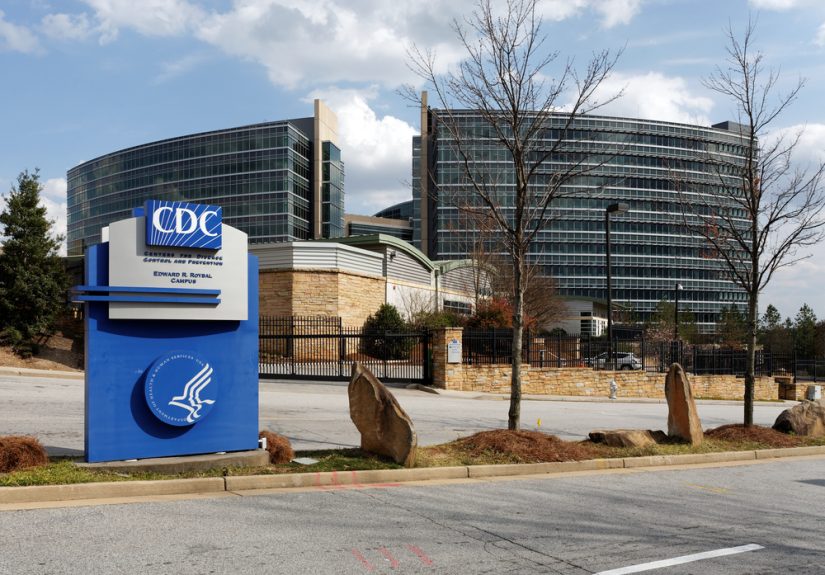
Public health runs on data, trust, and language. Take away any one of those, and the whole machine starts making a noise like an overworked printer in a hospital basement. So when reports surfaced in late 2017 that CDC staff had been told to avoid certain words in budget documents, the outrage was not just about vocabulary. It was about what happens when politics tries to edit the patient chart.
The seven reported terms were not exactly party-crashing curse words. They were vulnerable, entitlement, diversity, transgender, fetus, evidence-based, and science-based. Later, CDC leadership publicly said there were “no banned words” at the agency and reaffirmed that science remained the foundation of its work. That clarification mattered. But so did the original alarm. Because even if this was a language directive limited to budget materials rather than a universal muzzle on every scientist in every hallway, it still sent a chilling message: some patients are politically inconvenient, and some truths are better softened before they reach Washington.
That is what made the episode so disturbing. In medicine, words are not window dressing. They are how clinicians define risk, identify populations, justify resources, explain interventions, and protect the people most likely to be overlooked. If a public-health agency becomes skittish about saying who needs help and why, patient care does not get more neutral. It gets more vague. And vague medicine is rarely the good kind.
Why this controversy mattered far beyond a headline
At first glance, the CDC word-ban story looked like a culture-war oddity with strong “you cannot be serious” energy. But the problem was never simply that a government office might dislike certain terms. The problem was that each reported word pointed to an area where precision saves lives.
“Evidence-based” and “science-based” are not decorative adjectives
Take evidence-based and science-based. In medicine, these phrases are not academic confetti tossed onto PowerPoint slides to impress a room full of exhausted professionals. They are shorthand for a hard-won promise: recommendations should follow data, outcomes, and reproducible research, not ideology, vibes, or the loudest person at the microphone.
Strip those terms from public-health communication, and the loss is bigger than semantics. It weakens the rationale for vaccination campaigns, harm-reduction strategies, HIV prevention, maternal health interventions, and countless screening recommendations. Without evidence-based language, medicine starts sounding like a weather report written by a focus group. Sunny in places, patchy truth, chance of confusion.
“Transgender” is a clinical reality, not a political inconvenience
The word transgender matters because patients do. Public-health agencies collect data on populations so they can identify disparities, direct resources, and design interventions that fit actual lives. If you cannot say “transgender,” how do you describe elevated HIV risk in some communities, barriers to respectful care, gaps in mental-health support, or the importance of gender-affirming services for certain patients?
Erasing the word does not erase the population. It only erases visibility. And invisible patients are the easiest patients to undercount, underserve, and misunderstand. A clinic cannot tailor outreach to transgender adolescents if national health language treats their existence like a typo. A prevention program cannot be built around a blank space.
“Fetus” is not controversial in obstetrics. It is the job description.
The reported discomfort with the word fetus was especially absurd from a medical standpoint. Obstetrics, maternal-fetal medicine, epidemiology, and vital statistics all depend on precise terminology. The CDC and related federal agencies track fetal deaths, pregnancy complications, congenital conditions, and maternal outcomes for a reason: because pregnancy care is not improved by euphemism.
You cannot seriously conduct surveillance, write guidance, or prepare budgets for maternal and infant health while dancing around the vocabulary of pregnancy. That would be like trying to run a cardiology unit that prefers not to say “heart.” Technically creative, clinically ridiculous.
“Diversity” and “vulnerable” help explain who is being left behind
The terms diversity and vulnerable carry real weight in public health, though they should be used thoughtfully. Diversity is not corporate wallpaper. In medicine, it affects trust, communication, cultural understanding, and who gets recognized in research and policy. A more representative health workforce and more inclusive medical education can improve care for a broader range of patients.
As for “vulnerable,” the word can be too blunt when used lazily. Modern health-equity guidance often recommends more precise, person-centered alternatives. That is fair. But there is a huge difference between refining language and forbidding reality. A pregnant teenager with unstable housing, a patient with limited English proficiency, a transgender student facing bullying, or a family living far from care access may all face specific vulnerabilities. Medicine cannot address those risks if policy language refuses to acknowledge them.
When language gets political, patient care gets blurry
Anyone who has worked in or around health care knows that language shapes action. What gets named gets tracked. What gets tracked gets funded. What gets funded has a fighting chance of helping someone before their condition becomes tomorrow’s crisis.
That is why the CDC word-ban controversy hit such a nerve. Budget documents are not glamorous, but they are where priorities become line items and line items become programs. The battle was not over whether a scientist could mutter “science-based” near the coffee machine. It was about whether those ideas could survive the bureaucratic journey that determines staffing, grants, surveillance, research emphasis, and program design.
If a proposal cannot plainly say that transgender people have distinct health needs, that maternal-fetal data matter, or that a recommendation is evidence-based, then the proposal becomes less specific and less honest. And vague justifications tend to lose out when budgets tighten. That is how language edits become care edits.
The soft censorship problem
There is also a subtler issue here: soft censorship. Even when leaders later insist there was no formal ban, the initial signal can still do damage. Once staff hear that certain terms are risky, many will self-edit. They will choose the safer sentence, the foggier memo, the less controversial description. Nobody needs a giant red stamp saying BANNED if the culture already whispers, “Maybe don’t put that in writing.”
That kind of anticipatory obedience is poison for public health. Scientists and clinicians begin translating plain medical reality into politically acceptable mush. “Transgender youth” becomes “certain young people.” “Evidence-based intervention” becomes “an approach informed by multiple considerations.” Soon the document still exists, but the patient inside it has disappeared.
This was never only about the CDC
The deeper fear sparked by the episode was that the nation’s premier public-health agency could be nudged away from direct, scientifically grounded communication. That concern did not come from nowhere. Public health depends on credibility, and credibility depends on the public believing that data will be described clearly, even when the findings are uncomfortable.
When politics starts rearranging the vocabulary of science, trust suffers in two directions at once. Patients wonder whether agencies are being honest. Clinicians wonder whether agencies are still free to say what the evidence shows. Researchers wonder whether naming a problem will make the problem harder to fund. None of that improves health outcomes. It just improves the market for cynicism.
The irony is that the CDC has since published guidance on inclusive communication and scientific integrity that emphasizes honesty, objectivity, respect, and the importance of addressing people accurately. That is a good thing. It also underscores the lesson of the 2017 controversy: the answer to harmful language is better language, not missing language.
What patients lose when precise words disappear
Patients lose recognition
If a population is not named, its needs are easier to ignore. That is true for transgender people, pregnant patients, LGBTQ+ youth, people with disabilities, and communities facing structural barriers to care.
Patients lose data
Public health cannot measure what it refuses to describe. Surveillance, epidemiology, and outcomes research all depend on clear categories and accurate definitions.
Patients lose funding
Budgets reward specificity. When a need is described in vague, politically sanitized language, it becomes easier for decision-makers to treat it as optional or invisible.
Patients lose trust
People notice when institutions suddenly speak in evasive code. Patients who already feel marginalized are especially sensitive to being linguistically erased. They know when the chart, the policy memo, or the agency website is talking around them instead of to them.
What clinicians and public-health leaders should learn from it
The lesson of the CDC word-ban saga is not that every buzzword deserves a gold medal. Some public-health language can absolutely become stale, euphemistic, or too broad. Precision matters. Person-first language matters. Context matters. But precision and erasure are opposites, not cousins.
Clinicians and health leaders should insist on language that is accurate, specific, and humane. That means naming populations clearly, explaining evidence honestly, and updating terminology when better, more respectful options exist. It also means resisting the temptation to sand down medical truth until it fits into a political talking point.
In other words, good health communication should do three things at once: reflect the evidence, respect the patient, and survive contact with reality. If it cannot do all three, it is probably not ready for prime time, let alone a federal budget.
The bottom line
Whether the 2017 CDC episode is remembered as a formal ban, a bureaucratic directive, or a spectacularly bad message that later required cleanup, the central issue remains the same. Public health cannot protect people it is afraid to name. Medicine cannot be evidence-based while acting allergic to the phrase. And government health agencies should never treat clinical vocabulary like contraband.
Because behind every contested word is a real person: a pregnant patient waiting for accurate guidance, a transgender teenager wondering whether the health system sees them, a physician trying to defend an evidence-based intervention, a family who needs science to remain science and not a political weather vane.
When language gets censored, softened, or strategically blurred, those patients do not become safer. They become easier to ignore. And that, more than any headline, is why the CDC word ban felt like an attack on the patients clinicians are trying to treat.
Extended reflections: what this looks like in real clinical life
Now for the part that rarely fits neatly into a policy debate: what this kind of language fight feels like when translated into exam rooms, chart notes, case conferences, and hallway conversations between clinicians who are already running on caffeine and hope.
Imagine a doctor trying to explain why a certain outreach program matters. The patients in question may be transgender adolescents, pregnant patients with high-risk conditions, or families whose health outcomes are shaped by poverty, housing instability, or discrimination. In the clinic, these are not abstract categories. They are names on a schedule, missed appointments after a bus route changes, lab results that arrive late, and medication plans that fall apart because life does not cooperate with policy jargon.
Now imagine that same doctor writing a proposal or a summary and feeling pressure to swap direct language for safer, blurrier substitutes. Suddenly the medical reality gets padded with bureaucratic foam. The patient is still there, but the sentence no longer says exactly who needs help or why. It becomes harder to argue for resources, harder to describe disparities, and harder to sound the alarm early enough to matter.
This is where clinicians feel the damage first. They know that language is not separate from care. It is part of care. The note in the chart affects the next clinician’s attitude. The wording in a grant application affects whether a program gets funded. The label used in a national report influences whether a population is visible in surveillance data. One sloppy phrase can reinforce stigma. One missing word can erase a need. One softened explanation can make an urgent problem look optional.
There is also a moral injury buried in all of this. Clinicians are trained to be precise, especially when precision protects patients. So when institutions appear nervous about naming certain groups or defending evidence-based practices too plainly, the message lands with a thud: tell the truth, but make it politically comfortable. For people who entered medicine to serve those often pushed to the margins, that is a bleak instruction.
And patients notice. They may not know the details of federal budget drafting, but they know when the health system starts sounding evasive. They know when their identity is treated like a controversy instead of a fact. They know when a recommendation sounds strangely timid, as if the institution would prefer not to be quoted speaking clearly. Trust shrinks fast in that environment.
That is why this debate still matters. Not because one list of words became a permanent operating manual, but because it revealed how quickly political discomfort can creep into the language of care. The antidote is not louder rhetoric. It is steadier honesty: say what the evidence shows, say who needs help, and say it in language that treats patients like human beings instead of public-relations problems.
Conclusion
The CDC word-ban controversy still resonates because it exposed something essential about medicine and public health: language is infrastructure. It carries evidence from research to policy, from policy to programs, and from programs to patients. Once that infrastructure is weakened by fear, euphemism, or political editing, the people most at risk are usually the ones already struggling to be seen.
That is why the right response is not silence, and it is not slogan-driven outrage either. It is disciplined clarity. Name patients accurately. Describe disparities honestly. Defend evidence openly. Use humane, inclusive language without sanding away the clinical truth. Health care works best when institutions are brave enough to be precise. Anything less leaves patients paying the price for somebody else’s discomfort.