Table of Contents >> Show >> Hide
- What Is The Serpent and the Rainbow About?
- Where The Serpent and the Rainbow Ranks in Wes Craven’s Filmography
- Critical Reception: Mixed, Respectful, and Still Interesting
- Audience Opinions: Why Fans Still Defend It
- Ranking the Best Elements of The Serpent and the Rainbow
- Ranking the Film Against Other 1980s Horror Movies
- Is The Serpent and the Rainbow Scary Today?
- Opinions on Cultural Representation
- Final Ranking Verdict
- Experiences Related to The Serpent and the Rainbow Rankings And Opinions
- Conclusion
The Serpent and the Rainbow is one of those horror movies that refuses to stay neatly buried. Released in 1988, directed by Wes Craven, and loosely inspired by Wade Davis’s nonfiction book, the film sits in a strange and fascinating corner of horror history. It is part zombie movie, part political nightmare, part travelogue into spiritual fear, and part “please do not watch this right before bedtime unless you enjoy staring suspiciously at your ceiling fan at 2:00 a.m.”
When horror fans discuss Wes Craven, the same giants usually stomp into the room first: A Nightmare on Elm Street, Scream, The Hills Have Eyes, and The Last House on the Left. Yet The Serpent and the Rainbow keeps earning a loyal place in rankings and opinions because it offers something different. It does not rely on a wisecracking dream demon or a masked killer with a kitchen knife. Instead, it digs into fear of burial, loss of control, political violence, cultural mystery, hallucination, and the terrifying question: what if death is not the end, but merely the worst waiting room imaginable?
What Is The Serpent and the Rainbow About?
The movie follows Dennis Alan, played by Bill Pullman, an American researcher sent to Haiti to investigate a mysterious “zombie powder.” The pharmaceutical angle gives the plot a chilly scientific hook: if a substance can make a person appear dead, could it become a revolutionary anesthetic? Naturally, horror movies have a strict rule that any “quick research trip” must immediately become a full-service nightmare buffet.
Once Alan arrives in Haiti, he encounters Dr. Marielle Duchamp, played by Cathy Tyson, and begins investigating stories of people who were declared dead, buried, and later seen alive. But the film is not only interested in medical mystery. It connects the zombie myth to power, fear, spiritual belief, and authoritarian control. Zakes Mokae’s Captain Peytraud, a terrifying figure linked to the Tonton Macoute, turns the story into more than a supernatural puzzle. He represents political terror wearing the face of occult menace.
Where The Serpent and the Rainbow Ranks in Wes Craven’s Filmography
Ranking Wes Craven movies is a dangerous activity. Horror fans can debate this stuff with the intensity of constitutional lawyers and the snack discipline of raccoons. Still, The Serpent and the Rainbow often lands in the middle-to-upper tier of Craven’s work. It may not have the pop-culture dominance of A Nightmare on Elm Street or the genre-changing cleverness of Scream, but it has atmosphere, ambition, and some of the director’s most unnerving imagery.
Top-Tier Craven? Not Quite, But Close
The film is not usually ranked as Craven’s absolute masterpiece. Its final act divides viewers, and some critics argue that the special effects-heavy climax becomes louder and less mysterious than the earlier scenes. However, it regularly earns respect as one of his most distinctive projects. It is more serious-minded than many 1980s horror releases and more culturally rooted than the average studio fright machine.
In a personal ranking of Wes Craven’s major films, The Serpent and the Rainbow comfortably belongs below A Nightmare on Elm Street and Scream, but above several of his lesser-remembered titles. Its strongest competition comes from films like The People Under the Stairs, Red Eye, and New Nightmare. If Scream is Craven playing chess with horror rules, The Serpent and the Rainbow is Craven walking through a cemetery with a medical notebook and a very bad feeling.
Critical Reception: Mixed, Respectful, and Still Interesting
Critical opinion on The Serpent and the Rainbow has always been somewhat split, which may be exactly why people still talk about it. It is not a universally worshiped classic, but it is not dismissed as disposable horror either. Review aggregators and long-running film publications generally show a movie that critics found ambitious, atmospheric, and flawed.
Many positive reviews praise the film’s mood, Bill Pullman’s vulnerable performance, the use of Haitian locations and political tension, and Craven’s skill at making hallucinations feel physically dangerous. The movie’s strongest scenes blur science, dream, and ritual until the viewer is no longer sure which kind of danger is worse. Is Alan being threatened by chemicals, politics, spirits, or his own terrified mind? The answer appears to be: yes, enjoy your nightmares.
More critical opinions point to uneven pacing, a sometimes clumsy outsider perspective, and a finale that shifts from eerie psychological dread into more conventional supernatural spectacle. The movie is strongest when it suggests that reality itself is slipping. It is weaker when it explains too much or turns mystery into a special-effects showdown.
Audience Opinions: Why Fans Still Defend It
Audience opinions are often warmer than the film’s mixed reputation suggests. Many horror fans remember The Serpent and the Rainbow as deeply unsettling, especially if they first saw it on late-night cable, VHS, or some questionable childhood viewing situation supervised by absolutely no responsible adult. The buried-alive sequence alone has probably made more people anxious about coffins than any cemetery brochure ever could.
Fans tend to admire three things most: the unusual zombie concept, the serious atmosphere, and the film’s refusal to treat horror as mere monster business. Unlike many zombie movies, this one is not about shuffling corpses craving snacks made of human brain. Its zombies are closer to victims of social, spiritual, and political violence. That makes the horror feel less like a creature feature and more like a nightmare about being erased.
The Film’s Biggest Strength: Atmosphere
The best ranking category for The Serpent and the Rainbow is atmosphere. On that front, it is easily one of Craven’s most effective films. The sound design, dream imagery, cemetery scenes, shadowy interiors, and feverish transitions create an environment that feels unstable from the beginning. Even ordinary spaces seem infected with threat.
The movie also benefits from Brad Fiedel’s score and John Lindley’s cinematography, which help build a humid, tense, and surreal texture. The film does not always move quickly, but when it locks into its nightmare rhythm, it feels like being trapped inside someone else’s bad dream with no polite exit sign.
The Film’s Biggest Weakness: The Ending
The most common complaint about The Serpent and the Rainbow is its ending. The first two-thirds lean into mystery, dread, and cultural uncertainty. The final stretch, however, becomes more openly supernatural and action-oriented. For some viewers, that shift is exciting. For others, it feels like the film trades its most original strengths for a more familiar horror climax.
This does not ruin the movie, but it does affect its ranking. Great horror often depends on what it withholds. The Serpent and the Rainbow is at its best when the viewer is unsure where belief ends and manipulation begins. Once the film becomes more direct, it loses a little of its spell.
Ranking the Best Elements of The Serpent and the Rainbow
1. The Buried-Alive Horror
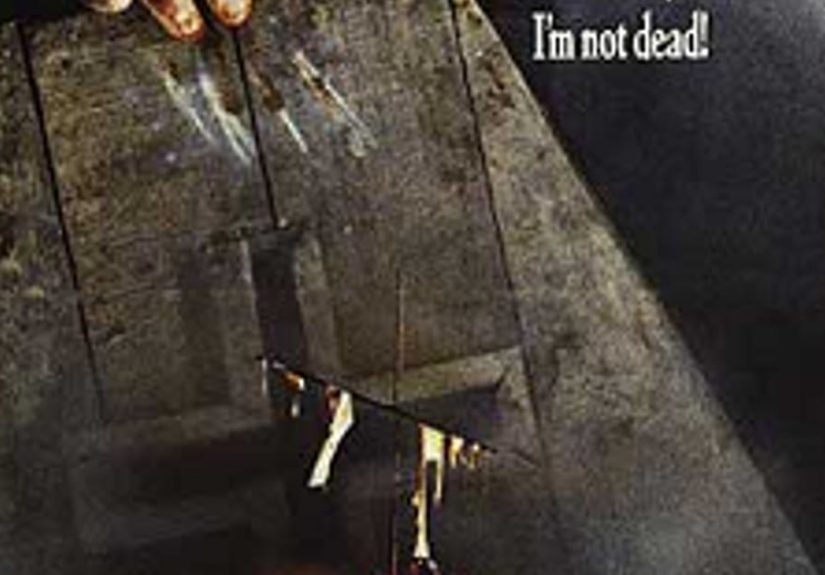
The buried-alive material is the film’s most unforgettable contribution to horror. It works because it taps into a primal fear: being conscious, helpless, and unheard. There are monsters, villains, and visions in the movie, but nothing is more frightening than the idea of waking up underground. That scene alone secures the film a lasting place in horror rankings.
2. Zakes Mokae as Captain Peytraud
Zakes Mokae gives the movie a villain who feels both theatrical and genuinely threatening. Peytraud is not scary simply because he has occult power. He is scary because he represents authority without mercy. His menace is political, spiritual, and physical. That combination makes him one of the most underrated villains in 1980s horror.
3. The Non-Traditional Zombie Concept
Modern audiences often think of zombies as infected hordes, decaying bodies, or sprinting lunch enthusiasts. The Serpent and the Rainbow returns to an older and more disturbing idea: the zombie as a person robbed of agency. That makes the film feel different from the Romero tradition and gives it a unique identity.
4. Bill Pullman’s Performance
Bill Pullman’s Dennis Alan begins as confident, rational, and professionally curious. By the end, he looks like a man whose entire worldview has been dragged through a cemetery, shaken, and returned with missing buttons. Pullman’s performance helps sell the journey from skeptical researcher to terrified survivor.
5. The Political Background
The film’s use of Haiti’s political unrest gives the story a weight that many supernatural horror films lack. It does not always handle the subject with perfect nuance, but it understands that human cruelty can be just as frightening as mystical danger. In fact, the movie is most powerful when both forces appear to be feeding each other.
Ranking the Film Against Other 1980s Horror Movies
The 1980s were a crowded decade for horror. Slashers, creature features, supernatural franchises, and practical-effects showcases were everywhere. Against that competition, The Serpent and the Rainbow stands out less as a blockbuster icon and more as a cult favorite with intellectual ambition.
It does not have the franchise momentum of Friday the 13th, the dream logic celebrity of Freddy Krueger, or the body-horror revolution of David Cronenberg’s work. But it has something rarer: a sense of danger connected to anthropology, politics, religion, and medicine. That blend makes it one of the decade’s most unusual studio horror films.
In an 1980s horror ranking, it would not necessarily crack the top ten for cultural impact. However, in a ranking of “most underrated 1980s horror movies,” it deserves a high position. It is exactly the kind of film people rediscover and then immediately ask, “Why didn’t anyone tell me this was so weird?” To be fair, horror fans probably did tell them. They were just distracted by chainsaws.
Is The Serpent and the Rainbow Scary Today?
Yes, but not always in the way modern audiences expect. Viewers raised on fast editing, jump scares, and digital chaos may find parts of the movie slower than contemporary horror. But the film’s central fears remain effective: loss of control, spiritual violation, medical uncertainty, political violence, and premature burial. Those fears do not expire. They age like cursed wine.
The movie’s practical effects and dream sequences still have power because they feel tactile. There is dirt, sweat, blood, insects, smoke, and panic. The horror has texture. Even when the film becomes exaggerated, it rarely feels sterile. That physical quality helps it survive decades of changing audience taste.
Opinions on Cultural Representation
Any modern discussion of The Serpent and the Rainbow should acknowledge its complicated cultural position. The film brought Haitian Vodou, political unrest, and Caribbean zombie traditions to a mainstream American audience, but it did so through the perspective of an American protagonist and a Hollywood horror framework. That means viewers may find the film fascinating while also noticing simplifications, exoticism, or dramatic liberties.
One reason the movie remains interesting is that it does not treat Vodou purely as a cheap gimmick. It tries, at least more than many older horror films, to present spiritual belief as part of a living culture rather than as random spooky decoration. Still, it is a studio horror movie, not a documentary. Its job is to scare, and sometimes it chooses spectacle over sensitivity.
For today’s viewers, the best approach is to watch it with curiosity and context. Appreciate its craft, atmosphere, and ambition, while also recognizing that Haitian religion and history are much richer than any single horror film can represent. In other words: enjoy the movie, but do not treat it as your complete college course on Haiti. That syllabus needs more than Bill Pullman sweating dramatically.
Final Ranking Verdict
The Serpent and the Rainbow ranks as one of Wes Craven’s most underrated horror films. It is not his cleanest, most influential, or most entertaining work from beginning to end, but it may be one of his most atmospheric and conceptually bold. Its flaws are real: uneven pacing, a divisive climax, and an outsider lens that modern viewers may question. Yet its strengths are equally real: unforgettable nightmare imagery, a unique zombie concept, strong villainy, and a serious attempt to connect horror with politics, medicine, and belief.
As a ranked opinion, the film deserves an 8 out of 10 for atmosphere, a 7 out of 10 for story structure, a 9 out of 10 for originality, and a 10 out of 10 for making coffins seem like the worst possible bedroom upgrade. Overall, it remains a must-watch for fans of Wes Craven, 1980s horror, zombie cinema, and supernatural thrillers that prefer dread over simple jump scares.
Experiences Related to The Serpent and the Rainbow Rankings And Opinions
Watching The Serpent and the Rainbow today feels less like checking off a classic horror title and more like opening a strange old case file. Some horror movies announce themselves immediately: here is the monster, here is the weapon, here is the final girl, please keep your hands inside the ride. This film is different. It creeps in sideways. It begins with curiosity, then slowly convinces you that curiosity is exactly how people get into trouble.
The experience of watching it for the first time can be surprisingly personal. At first, you may think you are simply watching Bill Pullman travel to Haiti to solve a medical mystery. Then the movie starts adding layers: dreams that feel like warnings, rituals that may or may not be supernatural, political threats that are absolutely real, and images that lodge in your mind like splinters. By the time the film reaches its buried-alive terror, the viewer is no longer casually observing. You are measuring your own breathing, which is never a good sign during movie night.
One reason opinions on the film vary so much is that it depends heavily on mood. If someone watches it expecting a fast zombie action movie, they may feel impatient. There are no hordes crashing through mall doors, no chainsaw rescue missions, and no heroic speeches about aiming for the head. But if a viewer approaches it as a fever-dream thriller about identity, belief, and control, it becomes far more rewarding. It is a horror film that asks you to sit in discomfort rather than sprint from one scare to the next.
In conversations with horror fans, the film often becomes a “have you seen this one?” recommendation. It is not always the first Craven movie people mention, but it is frequently the one they bring up when discussing overlooked gems. Someone will praise Scream, someone else will mention Freddy, and then a third person will lean forward like they are sharing a secret and say, “But have you watched The Serpent and the Rainbow?” That is how cult reputations work. They travel by whisper, not billboard.
The movie also creates a different experience on repeat viewing. The first watch is usually about shock and atmosphere. The second watch reveals structure: how the film connects science and spirituality, how Peytraud’s menace grows, how Alan’s confidence erodes scene by scene. Even the flaws become part of the discussion. The ending may be too big, but it is not boring. The cultural lens may be imperfect, but the ambition is larger than many studio horror films of its era.
For a modern viewer, the best experience is to watch it as both entertainment and artifact. It is a 1988 horror film shaped by its time, its director, its source material, and Hollywood’s appetite for exotic mystery. It can scare you, frustrate you, fascinate you, and make you search for more background afterward. That last part matters. A forgettable horror movie ends when the credits roll. The Serpent and the Rainbow lingers, asking questions about fear, death, power, and whether being “mostly alive” is really something anyone should brag about.
Conclusion
The Serpent and the Rainbow remains a strange, ambitious, and memorable horror film that deserves continued discussion in rankings and opinion pieces. It may not be Wes Craven’s most famous work, but it captures a side of his filmmaking that deserves more appreciation: his interest in nightmares that connect to social anxiety, spiritual uncertainty, and real-world danger.
For viewers building a list of essential Wes Craven films, this one should absolutely be included. For zombie fans tired of the same old brain buffet, it offers a more unsettling version of the undead. And for horror lovers who enjoy movies with atmosphere thick enough to need a machete, The Serpent and the Rainbow is still worth digging up. Just maybe leave the coffin shopping for another day.