Table of Contents >> Show >> Hide
- What Makes Mickey Mouse Easy to Recognize?
- Before You Start: Simple Supplies That Help
- Way 1: Draw Mickey Mouse the Easy Face-First Way
- Way 2: Draw a Full-Body Mickey Mouse Step by Step
- Way 3: Draw a More Expressive or Stylized Mickey Mouse
- Common Mistakes When Drawing Mickey Mouse
- Tips to Make Your Mickey Mouse Drawing Look Better Fast
- Conclusion
- Extra Experience and Insight: What Drawing Mickey Mouse Teaches You Over Time
Note: Body-only HTML, cleaned for web publishing, with SEO JSON tags at the end.
If you have ever looked at Mickey Mouse and thought, “That seems easy, it’s just circles,” congratulations: you have fallen into the same cheerful trap as the rest of us. Mickey is simple, yes, but he is sneaky-simple. A tiny change in the ears, eyes, cheeks, or smile can turn him from “classic cartoon legend” into “mysterious rodent who pays taxes.”
The good news is that learning how to draw Mickey Mouse does not require magical powers, a studio full of animators, or a dramatic pep talk from your sketchbook. It mostly requires patience, a few basic shapes, and the willingness to draw some circles that may look a little wonky before they look wonderful. In this guide, you will learn 3 ways to draw Mickey Mouse: a beginner-friendly face, a full-body version, and a more expressive stylized version that gives your drawing extra personality.
Whether you are drawing for fun, helping a child with an art project, practicing cartoon illustration, or simply trying to make your notebook less boring, these methods will help you build Mickey step by step. Along the way, you will also learn how to keep proportions balanced, place facial features correctly, and add finishing touches that make your drawing look polished instead of panicked.
What Makes Mickey Mouse Easy to Recognize?
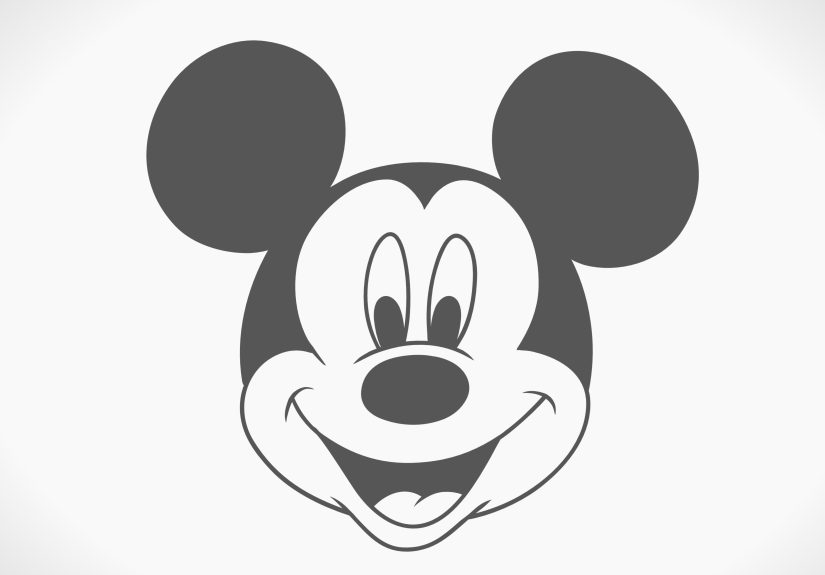
Before your pencil gets to work, it helps to understand why Mickey is so recognizable. His design is built around a handful of memorable features: a round head, two circular ears, large oval eyes, a small button-like nose, rounded cheeks, white gloves, simple shorts, and oversized shoes. The beauty of the character is that the shapes are clean and readable. The challenge is that those clean shapes need to be placed carefully.
Think of Mickey as a lesson in cartoon clarity. He is not overloaded with detail. Instead, every line matters. If the head is too narrow, the drawing feels off. If the ears are uneven, the whole face looks unbalanced. If the smile sits too low, Mickey suddenly looks like he stayed up all night worrying about rent. So the goal is not just to draw fast. The goal is to draw clearly.
Before You Start: Simple Supplies That Help
You do not need anything fancy. A pencil, eraser, black pen or marker, and paper are enough. Colored pencils, crayons, or markers are great if you want to finish the drawing with classic color. If you are practicing digitally, the same steps apply: sketch lightly, refine the shapes, then clean up the final line art.
One more tip before we begin: draw your first lines lightly. Construction lines are your best friends. They are not mistakes. They are tiny scaffolds that help your cartoon stand up straight.
Way 1: Draw Mickey Mouse the Easy Face-First Way
This is the best method for beginners because it focuses on the part everyone recognizes first: the face. If you can draw the head well, you already have the heart of the character.
Step 1: Start with the classic circle trio
Draw one large circle for the head. Then add two smaller circles on top for the ears. Keep the ears fairly even in size and placement. They do not need to be mathematically perfect, but they should feel balanced. This basic silhouette is the visual shortcut that instantly says, “Yep, that is Mickey.”
Step 2: Add face guidelines
Draw a light vertical curve down the center of the face and a horizontal guide across the middle. These lines help position the eyes, nose, and smile. If you want Mickey to face slightly to one side, curve the guidelines gently in that direction rather than keeping them perfectly straight.
Step 3: Sketch the eye area and nose
Mickey’s eyes are usually tall ovals placed close together. Under them, draw a rounded oval for the nose. Keep the nose centered so the expression stays friendly and familiar. Once the nose is in place, the character starts to come alive fast.
Step 4: Build the cheeks and muzzle
Below the nose, draw the muzzle area using curved lines that create puffy cheeks and a rounded snout. This part matters more than many beginners expect. The cheeks give Mickey his warmth and softness. If they are too flat, the face can look stiff. If they are too big, he starts drifting into balloon territory.
Step 5: Add the smile and chin
Draw a wide smile that curves naturally across the muzzle. Then add the lower mouth and chin. A small tongue shape inside the open mouth can make the expression more playful. Keep the smile relaxed. Mickey usually looks upbeat, not like he just heard the world’s funniest joke at maximum volume.
Step 6: Refine the face mask
Mickey’s black face area wraps around the eyes and ears while the lower face stays lighter. Use a smooth curved line to define that edge around the cheeks and forehead. This is one of the key details that makes the drawing look complete rather than like a generic cartoon mouse.
Step 7: Ink and color
Once the sketch looks right, trace your final lines. Erase the guidelines and color the black areas, nose, and eyes appropriately. Keep the face area lighter, and use red for the tongue if you included one.
Why this method works: it teaches the core shapes of Mickey without overwhelming you with hands, shoes, and body proportions. It is perfect for younger artists, beginners, and anyone who wants a recognizable result quickly.
Way 2: Draw a Full-Body Mickey Mouse Step by Step
Ready to level up? This method expands the face into a full character. It is still beginner-friendly, but it introduces body structure, clothing, gloves, and pose.
Step 1: Draw the head first
Use the same head construction from Method 1. Do not skip it. Starting with a solid head makes the body easier to scale correctly.
Step 2: Add the torso and hips
Below the head, sketch a small rounded torso and a slightly wider lower section for the shorts. Mickey’s body is compact and simple. He is not built like a superhero, a basketball player, or someone who spends six days a week doing deadlifts. Keep the shapes light, rounded, and cartoon-friendly.
Step 3: Position the arms and legs with simple lines
Use stick-like guide lines to place the arms and legs before drawing the final forms. This helps you decide the pose. A classic choice is one hand waving and one hand resting at the side. For the legs, keep them short and slightly curved. Cartoon limbs look better when they feel loose rather than rigid.
Step 4: Build the gloves
Mickey’s white gloves are iconic, and they can also be the part where people mutter dramatic things under their breath. The trick is to begin with mitten-like shapes, then divide the fingers simply. Add the cuff at the wrist as a soft band. Do not over-detail the hands. Mickey’s gloves are graphic and clean, not anatomically intense.
Step 5: Draw the shorts and buttons
His shorts are one of the easiest features to recognize. Add two buttons on the front and keep the shorts rounded and high-waisted. These details anchor the full-body version and make the silhouette unmistakable.
Step 6: Add the legs, socks, and shoes
Sketch thin legs leading into oversized shoes. The shoes should be broad and playful, not realistic sneakers with seventeen design panels and suspicious air technology. Add simple sock or shoe-top details above the feet. Mickey’s footwear helps give the body visual weight, so make sure the shoes are large enough to balance the head.
Step 7: Add the tail and refine everything
A thin tail can curve behind the body for extra charm. Once all the major parts are in place, refine the lines, smooth out the shapes, and make sure both sides feel balanced. Then ink and color using classic tones: black body areas, red shorts, white gloves, and yellow shoes.
Why this method works: it teaches character construction. You are not just copying a face. You are learning how the whole cartoon figure fits together from head to toe.
Way 3: Draw a More Expressive or Stylized Mickey Mouse
Once you know the basics, the fun really begins. This method is for artists who want to keep Mickey recognizable while adding more energy, motion, or emotion. Think of it as the “same character, more sparkle” approach.
Step 1: Choose an expression first
Instead of starting with a neutral face, decide what Mickey is doing. Is he grinning proudly? Looking surprised? Waving excitedly? Leaning into a laugh? Expression changes everything. It affects the eyes, mouth, eyebrows, head tilt, and pose.
Step 2: Use action lines
Draw a curved action line through the body to guide the pose. This is especially useful for a waving, running, or dancing Mickey. A gentle curve makes the drawing feel lively and animated. Stiff lines create stiff characters, and nobody wants a cartoon icon that looks like he forgot how knees work.
Step 3: Push the pose slightly
Stylized drawing works best when you exaggerate just a little. Tilt the head more. Raise the hand higher. Curve the smile further. Enlarge the shoe in the foreground if the pose is dynamic. The key is to push the movement without losing the essential Mickey shape language.
Step 4: Simplify details while strengthening silhouette
When drawing a more expressive version, focus on silhouette first. Could someone recognize the character from the outer shape alone? If yes, you are on the right track. In cartoons, a strong silhouette often matters more than tiny details.
Step 5: Finish with confident line work
Use cleaner, bolder lines on the final drawing. Confident line work makes stylized cartoon art feel polished. If your first sketch is messy, that is fine. The sketch is where ideas stretch out and yawn. The final line is where they put on real clothes and become presentable.
Why this method works: it moves you beyond tracing shapes and into actual cartoon performance. You begin to think like an illustrator, not just a copier.
Common Mistakes When Drawing Mickey Mouse
Uneven ears
This is the classic problem. If the ears sit too high, too low, or at different sizes, the whole head looks off. Compare them constantly as you draw.
Eyes placed too far apart
Mickey’s eyes usually sit close together. Too much space between them can make the face feel unfamiliar.
Muzzle too small
The cheek and muzzle area gives Mickey his friendliness. Make it too tiny and the face loses charm.
Shoes too small
Cartoon proportions matter. Big head plus tiny realistic shoes equals visual confusion. Let the shoes be large and playful.
Drawing too dark too early
Heavy first lines make corrections harder. Sketch lightly, then commit when the proportions feel right.
Tips to Make Your Mickey Mouse Drawing Look Better Fast
Practice circles before the full drawing. Use references when learning. Flip your paper or canvas to check balance. Redraw the same pose two or three times instead of expecting magic from attempt one. And most importantly, keep your lines relaxed. Cartoon characters look best when they feel alive, not carved from stone by a very stressed sculptor.
You can also practice parts separately. Spend one page just on eyes. Another page just on gloves. Another on head shapes. Breaking the character into pieces makes the full drawing much easier.
Conclusion
Learning 3 ways to draw Mickey Mouse is really about learning three useful cartoon skills: how to build a face from simple shapes, how to construct a full character with clean proportions, and how to add expression without losing recognizability. Start with the easy face-first version if you are new. Move to the full-body version when you want more control. Then try the stylized method when you are ready to make the drawing feel more animated and personal.
The best part is that Mickey rewards repetition. Every time you draw him, your circles get cleaner, your expressions get stronger, and your confidence grows. So grab a pencil, give those ears the respect they deserve, and remember: even if your first sketch looks a little goofy, that is still better than a blank page staring at you like it pays rent.
Extra Experience and Insight: What Drawing Mickey Mouse Teaches You Over Time
There is something surprisingly satisfying about drawing Mickey Mouse again and again. At first, it feels like a simple cartoon exercise. You think you are just learning how to place ears, shape a smile, and draw gloves that do not look like inflated oven mitts. But after a few sessions, you begin to notice that drawing Mickey is also teaching you bigger art lessons in disguise.
For one thing, Mickey trains your eye to recognize proportion. His design is based on simple forms, but those forms rely on balance. The size of the head compared with the body, the relationship between the ears, the spacing of the eyes, and the curve of the cheeks all need to work together. When one part drifts off, even a little, you can feel it immediately. That makes Mickey a great character for learning visual discipline without making the process boring.
He also teaches patience. Many beginners want the final drawing to look polished in the first thirty seconds. Mickey politely refuses that kind of chaos. He asks you to sketch lightly, adjust lines, erase, compare shapes, and refine. In other words, he teaches the very normal, very human truth that good drawing usually looks awkward before it looks good. That is a lesson worth keeping far beyond cartoon art.
Another experience many artists discover is that Mickey is excellent for building confidence in line work. Because the design is rounded and graphic, you can practice drawing cleaner curves and smoother contours. When you repeat the same head shape several times, your hand gets steadier. When you redraw the smile from different angles, you become more comfortable making expressive choices. Over time, your lines begin to look less hesitant and more intentional.
There is also a nostalgic side to the experience. For a lot of people, drawing Mickey Mouse feels connected to childhood, animation, family movies, theme park memories, or early sketchbook experiments. That emotional connection can make practice feel less like homework and more like play. And play matters. Artists improve faster when they stay curious and relaxed instead of treating every sketch like a final exam with dramatic background music.
Parents, teachers, and beginners often find that Mickey works especially well as a shared drawing subject. Children respond to the familiar shapes, while adults appreciate that the character is simple enough to teach but rich enough to refine. One person can draw the face, another can experiment with poses, and everyone can compare versions afterward. It turns into a creative activity rather than a technical performance.
Most of all, drawing Mickey Mouse reminds you that strong design does not need clutter. A few clear shapes, placed well, can be more memorable than a page full of unnecessary detail. That idea applies to cartoons, logo design, illustration, and even storytelling. Simplicity is not the same as being easy. Good simplicity is carefully built.
So when you practice these three methods, you are not only learning how to draw one famous mouse. You are training your eye, your hand, your patience, and your sense of visual storytelling. That is a pretty generous return for a drawing exercise that starts with three circles and a hopeful little smile.