Table of Contents >> Show >> Hide
- Why Wisdom Tooth Pain Happens in the First Place
- 1. Clean and Calm the Area
- 2. Reduce Pain and Swelling the Smart Way
- 3. Treat the Cause Before It Gets Worse
- Mistakes That Can Make Wisdom Tooth Pain Worse
- What to Eat When a Wisdom Tooth Hurts
- What Wisdom Tooth Pain Often Feels Like in Real Life
- Final Takeaway
- SEO Tags
Wisdom tooth pain has a special talent for showing up at the worst possible moment. It can start as a dull ache while you are trying to enjoy lunch, then graduate into a full-blown jaw drama by bedtime. One minute you are fine, the next minute the back of your mouth feels like it is hosting a tiny rebellion. If that sounds familiar, you are not imagining things. Wisdom teeth can hurt when they do not have enough room to erupt, when gum tissue around them becomes irritated, or when food and bacteria get trapped around a partially erupted tooth.
The good news is that there are smart, evidence-based ways to calm wisdom tooth pain. The less-good news is that home care is often a temporary truce, not a permanent peace treaty. In other words, you may be able to soothe the pain, lower inflammation, and get through the night, but if the tooth is impacted or repeatedly infected, the real fix may require a dentist or oral surgeon.
In this guide, we will cover three practical ways to stop wisdom tooth pain, when to stop experimenting with home remedies, and how to tell whether you are dealing with a minor irritation or a problem that deserves professional care. We will also walk through common mistakes, food tips, and real-life experiences that make this problem feel all too relatable.
Why Wisdom Tooth Pain Happens in the First Place
Before you can calm the pain, it helps to know what is causing the commotion. Wisdom teeth, also called third molars, are the last adult teeth to appear. Sometimes they come in normally and behave themselves. Sometimes they arrive like an uninvited houseguest, wedge themselves into a crowded mouth, and start causing trouble.
Here are the most common reasons wisdom teeth hurt:
- Impaction: The tooth is trapped under the gums or in the jawbone, or it erupts at an awkward angle.
- Partial eruption: Part of the tooth breaks through, but the surrounding gum forms a flap where food and bacteria can collect.
- Pericoronitis: This is inflammation or infection of the gum tissue around a partially erupted wisdom tooth.
- Pressure on nearby teeth: A poorly positioned wisdom tooth can irritate the molar next to it.
- Decay or gum disease: Wisdom teeth are notoriously hard to clean, which makes them easier targets for bacteria.
Symptoms often include throbbing pain, red or swollen gums, jaw soreness, bad breath, a bad taste in the mouth, and difficulty opening the mouth fully. If you are thinking, “Wonderful, my mouth has decided to become a haunted house,” that is, unfortunately, a fairly accurate description.
1. Clean and Calm the Area
The first way to stop wisdom tooth pain is also the simplest: reduce irritation and lower the bacterial load around the tooth. This matters most when the pain is coming from a partially erupted wisdom tooth with angry, swollen gum tissue around it.
Use a Warm Saltwater Rinse
A warm saltwater rinse is the classic home remedy because it is simple, inexpensive, and actually useful. It can help loosen trapped debris, gently reduce irritation, and make the area feel less raw.
To make one, mix warm water with salt, swish gently for about 30 to 60 seconds, and spit it out. The key word here is gently. You are trying to soothe the area, not power-wash your gums into a second crisis.
This can be especially helpful after meals, when food particles like seeds, popcorn hulls, or tiny pieces of chicken have set up camp around the back molar. If your pain seems worse after eating, trapped debris may be part of the problem.
Brush and Floss Carefully
When your gum is sore, the temptation is to avoid that area completely. Understandable, yes. Helpful, not really. If plaque and food stay trapped around the wisdom tooth, inflammation often gets worse. Instead, brush the area gently with a soft-bristled toothbrush. If you can floss between the wisdom tooth and the molar beside it without hurting yourself, do so carefully.
You do not need aggressive brushing. You need patience, a steady hand, and the emotional resilience of someone who knows this is temporary. Gentle cleaning can keep a mild flare from becoming a bigger, nastier one.
Stick With Soft, Non-Irritating Foods
If chewing makes the area throb, give your mouth a little mercy. Choose softer foods for a day or two, such as yogurt, mashed potatoes, oatmeal, scrambled eggs, smoothies eaten with a spoon, soup that is warm but not piping hot, or pasta that does not require Olympic-level jaw effort.
Avoid foods that are crunchy, sharp, spicy, or likely to get wedged into the sore area. Chips, nuts, popcorn, crusty bread, and spicy snacks may taste great, but they are not exactly peacemakers when a wisdom tooth is already acting dramatic.
One Important “Do Not”
Do not place aspirin directly on your gums. This old-school toothache trick can irritate or even burn gum tissue. If you want pain relief, use products the way they are meant to be used, not like you are auditioning for a 1950s home remedy handbook.
2. Reduce Pain and Swelling the Smart Way
The second way to stop wisdom tooth pain is to calm inflammation and numb the area enough for you to function like a regular human again. This is where cold therapy and over-the-counter pain relief can help.
Apply a Cold Compress
If your cheek or jaw feels swollen, hold a cold pack or ice pack wrapped in a cloth against the outside of your face. This can help numb the pain and bring down swelling. Use it in short sessions instead of leaving it on forever. Your face is not a leftover casserole.
Cold compresses are especially helpful when the pain comes with puffiness around the jawline. If the area feels hot, tight, and tender, cooling the outside can provide real relief while you wait for the irritation to settle or for your dental appointment.
Use OTC Pain Relievers Correctly
For many people, over-the-counter pain medicine is the most effective short-term option. Dental pain is often driven by inflammation, which is one reason nonsteroidal anti-inflammatory drugs, or NSAIDs, are commonly recommended as first-line treatment for acute dental pain. Acetaminophen can also help, and some people are advised by their clinician to use the two together.
The safe rule is simple: use the medication exactly as directed on the label or exactly as your dentist, oral surgeon, or doctor told you to use it. If you have a history of stomach ulcers, kidney disease, liver disease, blood thinner use, medication allergies, or pregnancy, talk to a clinician before taking anything. Pain relief should solve one problem, not create three more.
Oral Numbing Gels Can Be Temporary Helpers
Some adults use oral pain-relief gels for temporary comfort. These products can dull the surface pain for a little while, which may help you eat, sleep, or stop obsessively poking the tooth with your tongue. Use them only as directed. More is not better. It is just more.
If you notice worsening swelling, rash, fever, or irritation that does not improve, stop using the product and call a dentist or doctor. Temporary relief is great. Mystery mouth chaos is not.
Know What Medicine Cannot Do
Pain relievers can reduce suffering, but they do not fix an impacted tooth, remove trapped food, or cure an infection that keeps coming back. If the same wisdom tooth flares every few weeks, medication is helping with the smoke, not the fire.
3. Treat the Cause Before It Gets Worse
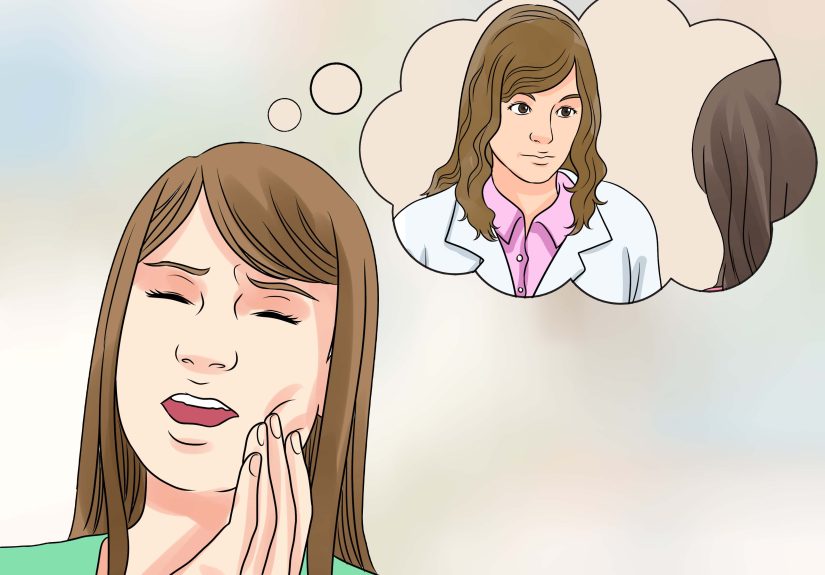
The third way to stop wisdom tooth pain is the one people tend to postpone: get the tooth evaluated. If the pain is repeated, severe, or comes with swelling or foul taste, home care may not be enough. A dentist can determine whether the real issue is impaction, infection, gum inflammation, decay, damage to a neighboring tooth, or another dental problem entirely.
When You Should Call a Dentist Soon
Make a dental appointment if:
- The pain lasts more than a day or two or keeps coming back.
- Your gums are swollen, tender, or bleeding around the wisdom tooth.
- You have a bad taste in your mouth or persistent bad breath.
- It hurts to chew or open your mouth fully.
- The pain radiates into your ear, jaw, or head.
These signs can point to a partially erupted or impacted wisdom tooth that needs more than a salt rinse and positive thinking.
When It Feels More Urgent
Get urgent medical or dental care if you have facial swelling that is getting worse, fever, pus, trouble swallowing, trouble breathing, or significant difficulty opening your mouth. Those symptoms can suggest a spreading infection, and that is not something to “watch for a few more days” while eating mashed potatoes and hoping for a miracle.
Sometimes Extraction Is the Real Solution
If a wisdom tooth is impacted, repeatedly infected, decayed, or damaging nearby teeth, extraction may be the most effective long-term treatment. That does not mean every wisdom tooth must be removed. It means the painful, troublesome ones often need a real exit strategy.
A dentist or oral surgeon may recommend monitoring a wisdom tooth that is not causing problems. But if your mouth has started filing complaints in writing, removal is often what ends the cycle.
Mistakes That Can Make Wisdom Tooth Pain Worse
Even well-meaning people can accidentally escalate the situation. Here are a few common mistakes:
- Ignoring it for weeks: Mild irritation can turn into a more serious infection.
- Poking the area constantly: If your finger keeps visiting the tooth, please retire it from active duty.
- Eating crunchy “test foods” too soon: If tortilla chips hurt yesterday, they will not magically become gentle today.
- Using too much oral numbing gel: Follow directions.
- Assuming antibiotics are the automatic answer: Tooth pain is not always solved by antibiotics, and they are not recommended for many routine localized dental pain situations without signs of systemic illness.
What to Eat When a Wisdom Tooth Hurts
Food will not cure the problem, but it can absolutely influence how miserable you feel. During a flare, aim for foods that are soft, easy to chew, and not likely to lodge around the tooth.
Good choices include:
- Scrambled eggs
- Yogurt
- Oatmeal
- Mashed potatoes
- Smooth soups
- Applesauce
- Cottage cheese
- Soft pasta
- Bananas
Drink water regularly and rinse after eating if food tends to get trapped. Avoid extremely hot foods, carbonated beverages if your mouth feels irritated, and anything crunchy enough to double as landscaping gravel.
What Wisdom Tooth Pain Often Feels Like in Real Life
To make this guide more useful, let’s talk about the kinds of experiences people commonly have with wisdom tooth pain. Not every case looks identical, but the patterns are familiar enough that many readers will recognize themselves immediately.
The first common experience is the slow-burn annoyance. This is the person who notices a mild ache at the very back of the jaw while chewing on one side. At first, it seems minor, almost like something is stuck back there. Then a few days later the gum feels puffy, brushing gets uncomfortable, and suddenly the person is tilting their head toward the bathroom mirror trying to inspect the back molar with the lighting skills of a crime show detective. Often this kind of pain turns out to be a partially erupted wisdom tooth with irritated gum tissue trapping food and bacteria.
The second experience is the why does my whole face hurt? stage. Wisdom tooth pain does not always stay politely in one spot. It can radiate into the jaw, ear, temple, or side of the head. Some people describe it as pressure rather than sharp pain. Others say it feels like their back molar is “pushing” on everything around it. Eating becomes annoying, sleeping becomes harder, and even talking a lot can make the jaw feel sore. This is one reason people sometimes mistake wisdom tooth pain for sinus trouble, ear pain, or a general headache before realizing the culprit is farther back in the mouth.
A third experience is the flare after food gets trapped. Someone eats popcorn, crusty bread, seeds, or shredded meat, and later the gum around the wisdom tooth becomes angry. The taste in the mouth turns unpleasant, the gum feels swollen, and the area may become tender enough that chewing on that side is no longer worth the risk. In these cases, gentle rinsing and cleaning can help, but repeated episodes usually mean the shape or position of the tooth is making hygiene difficult in a way that home care cannot fully solve.
Then there is the post-extraction surprise. Many people expect some soreness after wisdom tooth removal and do fine. But a smaller group develops new or worsening pain a few days later, sometimes with a bad taste or a sharp ache that spreads toward the ear. That pattern can raise concern for dry socket, a complication that needs professional follow-up. It is a good reminder that “I already had the tooth out” does not always mean “any new pain is normal.”
Perhaps the most relatable experience of all is the I waited too long because I hoped it would stop on its own story. People get busy. They have meetings, errands, kids, flights, deadlines, and a remarkable ability to tell themselves that jaw pain is probably “nothing.” Then the swelling starts, the mouth does not open normally, and the problem that could have been a routine dental visit starts demanding center stage. If wisdom tooth pain keeps returning, the most helpful lesson from real-life experience is simple: temporary relief is helpful, but recurring pain deserves a real diagnosis.
Final Takeaway
If you want the short version, here it is: clean the area, calm the inflammation, and do not ignore the cause. Those are the three best ways to stop wisdom tooth pain. Warm saltwater rinses and gentle brushing can help when the gum is irritated. Cold compresses and properly used OTC pain relievers can reduce pain and swelling. But when symptoms are repeated, severe, or paired with swelling, bad taste, fever, or trouble opening the mouth, it is time to see a dentist.
Wisdom tooth pain is one of those problems that can start small and become very memorable very quickly. Treat it early, be kind to your gums, and do not let one stubborn back tooth run your schedule.