Table of Contents >> Show >> Hide
- Quick Triglycerides 101 (So the Rest Makes Sense)
- Way #1: Cut Added Sugar, Refined Carbs, and Liquid Calories (Fastest Diet Lever)
- Way #2: Pause or Dramatically Limit Alcohol (Especially If Your Number Is High)
- Way #3: Move More (And Aim for a Small, Strategic Weight Shift)
- Way #4: Change the Fat Quality (And Consider Omega-3s + Medical Help When Needed)
- A Practical “Lower Triglycerides Quickly” Checklist (No Fluff)
- Common Mistakes That Keep Triglycerides High
- When to Get Medical Help (Don’t DIY This Part)
- Conclusion
- Real-World Experiences (What People Often Notice When They Try These 4 Changes)
Triglycerides sound like a villain in a sci-fi movie (“Tri-GLY-cerides, conqueror of arteries!”), but they’re actually a normal type of fat in your blood.
You need them for energy. The problem starts when your body has too manyoften because extra calories (especially sugar and refined carbs) get converted
into triglycerides and stored for later… and later… and later.
The good news: triglycerides are one of the most “responsive” numbers on a lipid panel. If you make the right changes, you can often see meaningful improvement
in days to a few weeks, and bigger gains over 6–12 weeks. The not-so-fun news: “quickly” doesn’t mean “overnight” or “one magic detox tea.”
(If a tea promises to “melt triglycerides,” it’s probably melting your wallet.)
Quick Triglycerides 101 (So the Rest Makes Sense)
A fasting triglyceride test is typically part of a lipid panel. In general, adults are considered:
normal <150 mg/dL, borderline 150–199, high 200–499, and very high ≥500.
Very high levels matter because they can raise the risk of serious complications and usually require more urgent, structured medical care.
Also important: triglycerides often travel with other “metabolic roommates” like insulin resistance, prediabetes/type 2 diabetes, fatty liver, low HDL (“good cholesterol”),
and extra weight around the waist. So lowering triglycerides usually means improving the whole neighborhoodnot just repainting one house.
Way #1: Cut Added Sugar, Refined Carbs, and Liquid Calories (Fastest Diet Lever)
If triglycerides had a favorite food group, it would be “easy-to-digest carbs”think sugary drinks, sweets, white bread, and snack foods that crunch like
optimism but digest like rocket fuel. When you eat more carbs than your body needs right now, your liver can convert that surplus into triglycerides.
What to do this week
- Fire the liquid sugar first: Soda, sweet tea, energy drinks, fancy coffee drinks, and “juice beverages” can push triglycerides up quickly because they deliver sugar with almost no fullness.
- Swap refined carbs for slower carbs: Trade white rice, white bread, pastries, chips, and sugary cereal for oats, quinoa, brown rice, beans, lentils, and whole-grain breads with real fiber.
- Build a “fiber anchor” into meals: Non-starchy vegetables + beans/lentils + whole grains can help blunt post-meal blood sugar spikes that influence triglycerides over time.
- Watch sneaky sugars: Flavored yogurt, granola, sauces (BBQ, teriyaki), and “healthy” snacks can be sugar delivery systems wearing yoga pants.
Specific examples (because theory doesn’t grocery shop)
- Breakfast upgrade: Replace a muffin + sweet coffee with eggs or Greek yogurt + berries + nuts, or oatmeal topped with chia/flax and cinnamon.
- Lunch upgrade: Replace a sub sandwich + chips with a big salad + chicken/salmon + beans + olive-oil vinaigrette, plus fruit.
- Dinner upgrade: Replace takeout noodles or pizza with salmon, roasted vegetables, and quinoa or lentils.
If you want “quick,” this is where many people feel it first: fewer sugar crashes, better appetite control, and a triglyceride number that starts behaving.
Way #2: Pause or Dramatically Limit Alcohol (Especially If Your Number Is High)
Alcohol can raise triglycerides because it’s calorie-dense, can increase liver fat production, and often shows up with sidekicks (late-night food,
sugary mixers, and questionable decisions). Some people are extra sensitive: even “moderate” drinking can keep triglycerides elevated.
What to do right now
- Take a 2–4 week break if your goal is “quickly,” especially if your triglycerides are high or very high.
- If you drink, simplify: Skip sugary mixers. Choose smaller amounts. Avoid binge patterns (they’re a triglyceride trampoline).
- If triglycerides are ≥500 mg/dL: treat alcohol like a “not right now” item until a clinician clears youthis is the zone where medical guidance matters most.
A lot of people are shocked by how much their triglycerides drop after an alcohol pause. It’s not a moral victoryit’s biochemistry.
Way #3: Move More (And Aim for a Small, Strategic Weight Shift)
Exercise helps triglycerides in two big ways: it improves how your muscles use fat for fuel, and it boosts insulin sensitivity (which influences how much fat your liver produces).
And here’s the motivating part: you don’t need a “perfect body” or a gym membership that smells like brand-new rubber mats.
You need consistency.
Targets that actually work
- Start with 30 minutes most days of moderate activity (brisk walking counts if you can talk but not sing).
- For bigger triglyceride drops + weight support: work toward 200–300 minutes per week of moderate-intensity activity as a longer-term target.
- Add 2 days of resistance training (bodyweight, machines, bands) to support muscle and improve metabolic health.
“Quick” plan if you’re busy
- 10 minutes after meals (especially dinner) can helpthree short walks can be as powerful as one longer session for building the habit.
- Choose a “default workout”: a 20–30 minute walk you can do in normal clothes. Make it boring and repeatable.
- Try intervals once you’re ready: short bursts (like 30–60 seconds faster) can improve fitness efficientlyonly if it’s safe for you.
Weight loss isn’t required for everyone, but if you’re carrying extra weight, even a modest reduction can improve triglycerides.
Think “small, sustainable shift,” not “I will only eat air and regret.”
Way #4: Change the Fat Quality (And Consider Omega-3s + Medical Help When Needed)
Lowering triglycerides isn’t just about eating less fatit’s about eating better fat and choosing foods that calm liver fat production.
Many people accidentally do the opposite: they cut fat, get hungry, and replace it with refined carbs. Triglycerides then throw a party.
Food moves that help
- Replace saturated fats (fatty red meats, butter-heavy patterns) with unsaturated fats like olive oil, nuts, seeds, and avocado.
- Eat omega-3-rich fish 2 times per week (salmon, sardines, trout, mackerel). Omega-3s are associated with triglyceride lowering.
- Choose lean proteins + plants: beans, lentils, tofu, fish, poultry, and Greek yogurt often work well in triglyceride-friendly plans.
- Avoid trans fats and heavily processed “hydrogenated” oils when possible.
Supplements and prescriptions: what’s real (and what’s hype)
Over-the-counter fish oil varies in quality and dose. Prescription omega-3 products exist and may be used under medical supervision for very high triglycerides.
In some people, prescription omega-3s at appropriate doses can lower triglycerides substantiallybut this is a clinician decision, especially if you take other medications.
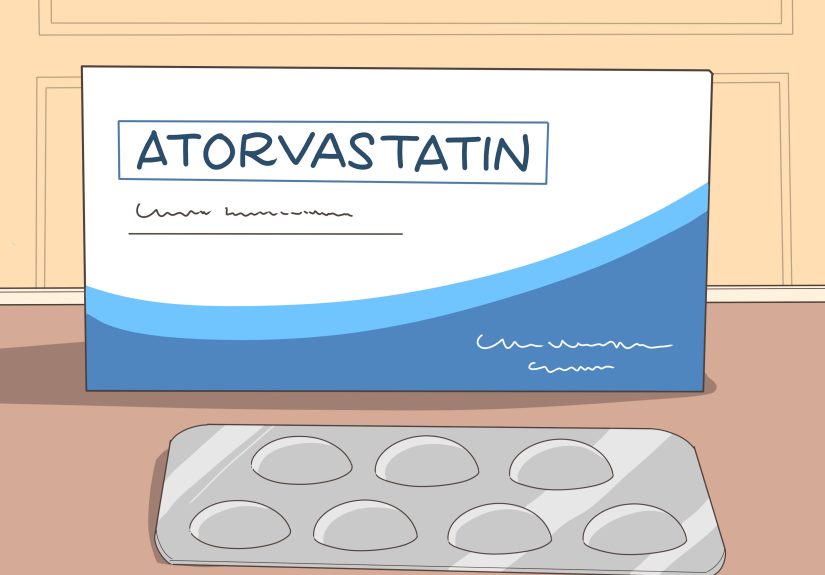
Medications may be appropriate when triglycerides stay high despite lifestyle changes, when cardiovascular risk is elevated, or when triglycerides are very high.
Options may include statins, fibrates, prescription omega-3s, and others depending on your overall risk profile. Also, don’t overlook contributors like uncontrolled diabetes,
hypothyroidism, kidney disease, certain medications, and geneticsbecause you can meal-prep perfectly and still be fighting a hidden upstream issue.
A Practical “Lower Triglycerides Quickly” Checklist (No Fluff)
In the next 48 hours
- Stop sugary drinks (or cut to near zero).
- Plan 2 fish-based meals this week (or discuss omega-3 options with your clinician if you don’t eat fish).
- Walk 10 minutes after dinner.
- If you drink alcohol, pause for 2 weeks (minimum).
In the next 2 weeks
- Make carbs “earn their spot”: mostly high-fiber carbs (beans, lentils, oats, whole grains, vegetables, fruit in appropriate portions).
- Hit 150 minutes/week of moderate activity; add strength training 1–2x if you can.
- Swap butter/cream-heavy patterns for olive oil, nuts, seeds, and avocado.
- Improve sleep and stress routines (because cravings love exhaustion).
In the next 6–12 weeks
- Build toward 200–300 minutes/week if triglycerides and weight management are key goals.
- Recheck labs if your clinician recommends it (timing depends on your levels and risk).
- If triglycerides remain elevated, ask about underlying causes and whether medication is appropriate.
Common Mistakes That Keep Triglycerides High
- Going “low fat” but living on refined carbs: crackers, pretzels, white pasta, snack bars, and “fat-free” sweets can backfire.
- Not counting alcohol as a triglyceride lever: even “just weekends” can matter for some people.
- Eating healthy… but too much: excess calories (even from good food) can still raise triglycerides.
- Ignoring blood sugar: if you have insulin resistance or diabetes, triglycerides may improve dramatically when glucose control improves.
When to Get Medical Help (Don’t DIY This Part)
If your triglycerides are very high (≥500 mg/dL), or if you have a history of pancreatitis, severe diabetes, or multiple cardiovascular risk factors,
work with a healthcare professional promptly. Very high triglycerides can require targeted nutrition plans and medicationthis is not the time for internet roulette.
And even at lower levels, it’s worth discussing your full lipid profile (LDL, HDL, non-HDL cholesterol), family history, blood pressure, blood sugar, and lifestyle patterns.
Triglycerides are one number in a bigger story.
Conclusion
To lower triglycerides quickly, focus on the moves that change your body’s “fat-making chemistry” the fastest:
cut added sugar and refined carbs, pause alcohol, move consistently, and upgrade fat qualitywith medical support if levels are very high
or if lifestyle changes aren’t enough.
No gimmicks required. Just repeatable habits that your liver can’t argue with.
(It may complain a little. That’s normal. Your liver is dramatic.)
Real-World Experiences (What People Often Notice When They Try These 4 Changes)
Here’s the part people don’t always tell you: lowering triglycerides “quickly” often feels less like a single heroic moment and more like a bunch of small,
oddly satisfying wins stacked together. One common experience is how powerful the first 7–10 days can be when someone removes sugary drinks.
A lot of folks report that their cravings change faster than expectedespecially if they replace the drink habit with something that still feels like a treat
(sparkling water with lime, unsweet tea, or coffee with a splash of milk instead of syrup). The funniest pattern is how quickly taste buds adapt:
the “normal” soda starts tasting like candy, and suddenly fruit tastes like it got promoted.
Another frequent experience: people think they need an extreme workout plan, but the real MVP is the post-meal walk. It’s simple,
it’s low-drama, and it doesn’t require “gym confidence.” People who do a 10-minute walk after dinner often say it reduces late-night snacking,
helps digestion, and makes them feel like they “closed the kitchen” without a fight. It’s also the kind of habit that survives busy weeks.
When someone tells me, “I didn’t have time to exercise,” they often do have time to scroll. Ten minutes of walking is basically scrollingjust with better outcomes.
Alcohol changes can be the most eye-opening. Many people assume, “I don’t drink that much,” until they look at what counts as a drink,
how often it happens, and what comes with it (apps, dessert, second dinner). People who take a 2–4 week break frequently notice two surprise benefits:
better sleep and fewer cravings for sugar the next day. That’s a big deal because poor sleep and high cravings can quietly sabotage the “cut refined carbs” plan.
It’s not about being perfect foreverit’s about running a clean experiment long enough to see what your body does.
The fat-quality swap (olive oil, nuts, avocado, fish) tends to feel the most “adult” in a good way. People often say meals feel more satisfying
when they stop fearing all fat and instead choose better fats. The most practical experience-based tip is to make the healthy choice the easy choice:
keep canned salmon or sardines, frozen salmon fillets, or a bag of walnuts around. When dinner time hits and you’re hungry,
your decision-making skills are basically a dial-up modem. Convenience wins.
Finally, there’s the emotional side: lab results can feel like a grade, and that’s rough. The healthier mindset people share is,
“This number is feedback, not a personality.” When someone treats triglycerides like a signalnot a moral judgmentchanges get easier.
You’re not trying to be “good.” You’re trying to make your blood chemistry less chaotic. And the best part?
Even if triglycerides aren’t perfect immediately, these four moves usually improve other things at the same timeenergy, blood sugar, waistline trends,
and overall heart health. That’s a win worth keeping.