Table of Contents >> Show >> Hide
- Why the Grill Pan Still Matters
- Favorite #1: Steakhouse-Style Searing Without Backyard Drama
- Favorite #2: Chicken That Looks Like You Tried Harder Than You Did
- Favorite #3: Vegetables With Actual Personality
- Favorite #4: Seafood and Delicate Foods That Need a Safety Net
- Favorite #5: Bread, Fruit, and Sandwiches That Love a Little Char
- How to Use a Grill Pan Like You Mean It
- Common Grill Pan Mistakes to Avoid
- Extended Experience: Why the Grill Pan Earns Its Keep
- Conclusion
Note: This article is formatted for web publishing, written in standard American English, and based on real cooking guidance without inline source links.
There are kitchen tools you own because you’re practical, and then there are kitchen tools you defend like a proud parent. The grill pan belongs in the second category. It is heavy, ridged, occasionally dramatic, and absolutely determined to make an ordinary Tuesday night look like it came with a patio, string lights, and a playlist called Backyard Confidence. If you have ever wanted grill marks without dealing with propane, weather, mosquitoes, or a neighbor who suddenly becomes a smoke expert, the indispensable grill pan is your indoor answer.
That does not mean a grill pan is a perfect substitute for an outdoor grill. It is not. You will get beautiful searing, concentrated browning, and those signature ridges that make dinner look more ambitious than it was. What you will not get is the same full blast of smoky, open-flame flavor. Still, for home cooks who want year-round grilling energy with less chaos, a grill pan is one of the smartest pieces of cookware in the kitchen.
In this guide, we are celebrating five favorite ways to use a grill pan, why it works so well, and how to make it earn permanent counter-space respect. Consider this your permission to stop treating the grill pan like a seasonal extra and start using it like the weeknight hero it has always wanted to be.
Why the Grill Pan Still Matters
A great grill pan solves a very modern cooking problem: people want food with char, texture, and visual swagger, but they do not always have a yard, a deck, or enough emotional strength to clean an outdoor grill after work. A grill pan steps in with ridges that lift food slightly above rendered fat, helping meats sear while creating those dark lines everyone secretly photographs before eating.
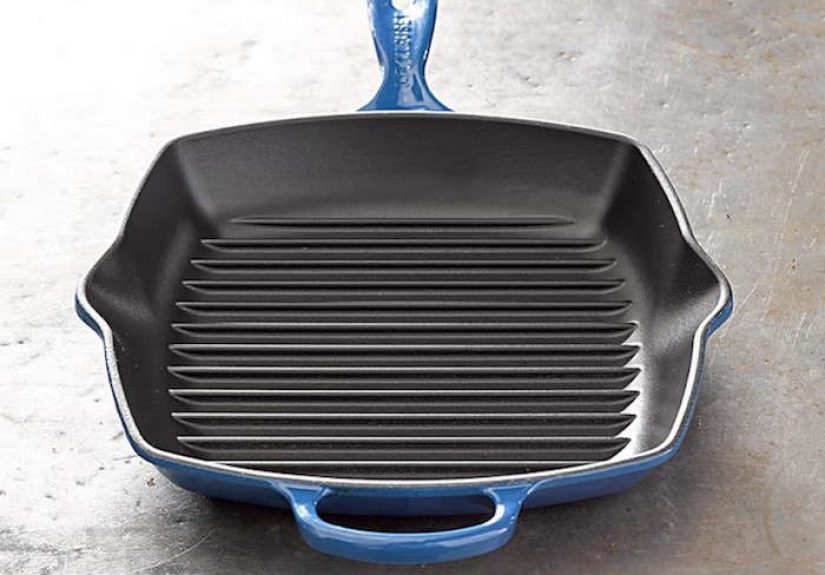
Most serious home cooks gravitate toward cast iron for a reason. Cast iron retains heat beautifully, rewards proper preheating, and can move from stovetop to oven without complaining. Enameled cast iron is also popular because it offers strong heat retention with a little less maintenance anxiety. Nonstick grill pans can be useful for delicate foods, especially fish and vegetables, but they are not ideal for ripping-hot, steakhouse-style heat. In other words, your pan choice should match your cooking style, not your fantasy version of yourself who always remembers to buy cedar planks.
The real magic of a grill pan is versatility. It can handle steak, chicken, zucchini, peaches, sandwiches, shrimp, and even romaine if you’re feeling like the kind of person who grills lettuce on purpose. That is not a gimmick. A grill pan brings texture, speed, and concentrated flavor to foods that would otherwise end up limp, pale, or tragically “fine.”
Favorite #1: Steakhouse-Style Searing Without Backyard Drama
If the grill pan had a campaign slogan, it might be: Make steak at home and look suspiciously competent. This is where the pan shines brightest. A properly preheated grill pan can deliver the deep browning and bold surface contrast that make steak feel restaurant-worthy.
Why steak loves a grill pan
Steak benefits from intense, steady heat. The ridges on a grill pan focus contact points, creating dark grill marks, while the pan’s heat retention helps the meat form a flavorful crust instead of turning gray and sad. Ribeye, strip steak, flank steak, skirt steak, and sirloin all work well, especially when the surface is patted dry before it ever meets the pan.
The trick is patience. Preheat first, season simply, and avoid moving the meat around like you’re searching for a better parking spot. Let the steak sit long enough to brown properly, then rotate it if you want crosshatch marks. If the cut is thick, finish it in the oven after the initial sear. The result is a steak that tastes robust and beefy, with enough visual drama to make you say, “Oh, this old thing?” while serving it.
For best results, rest the steak after cooking. Juices settle, texture improves, and you avoid the heartbreaking moment where all the flavor runs onto the cutting board like it has somewhere else to be.
Favorite #2: Chicken That Looks Like You Tried Harder Than You Did
Chicken on a grill pan is the culinary equivalent of wearing a clean white shirt: simple, dependable, and more impressive than it should be. Boneless thighs, breasts, and even marinated cutlets all benefit from the combination of direct heat and ridge contact.
Why chicken works so well
Chicken picks up grill marks quickly, which means it looks excellent before anyone realizes dinner only took twenty minutes. Boneless thighs are especially forgiving because they stay juicy and develop strong color fast. Breasts work too, but they need a little more care and perhaps a little less ego. Pound thicker pieces to even thickness if necessary, season generously, and do not overload the pan.
A grill pan also makes glazed chicken feel more polished. Think honey-mustard chicken, smoky barbecue chicken, lemon-herb chicken, or a quick pineapple-chicken situation that tastes like summer wandered into the kitchen uninvited and was thankfully allowed to stay. The pan lets sugars caramelize, edges brown, and flavors concentrate.
Use a thermometer when cooking poultry. Pretty grill marks are great, but food safety is still the main character. Chicken needs to reach 165°F internally, and guessing is a terrible hobby.
Favorite #3: Vegetables With Actual Personality
Vegetables on a grill pan are where many skeptical cooks become believers. Zucchini, asparagus, peppers, onions, eggplant, corn, mushrooms, and broccolini all improve when ridges introduce blistering, charred edges, and a little visual swagger.
Why vegetables become more interesting
Grill pans bring contrast. Soft interiors meet seared edges. Sweetness deepens. Water-heavy vegetables lose some of their excess moisture and gain character. Suddenly, a pile of zucchini is not just a side dish. It is a side dish with confidence.
The key is not drowning vegetables in oil. A light coating works better than a bath. Too much oil can create smoke and interfere with browning. Cut vegetables to sizes that make sense, season them assertively, and cook in batches if needed. Overcrowding leads to steaming, and steaming is not the vibe we came here for.
Grilled vegetables also pull double duty. They can go into grain bowls, sandwiches, pasta, salads, wraps, tacos, or an “I absolutely planned this” antipasto platter. One grill pan session can feed several meals, which makes it both delicious and weirdly responsible.
Favorite #4: Seafood and Delicate Foods That Need a Safety Net
One of the smartest uses for a grill pan is cooking foods that might betray you on outdoor grates. Fish, shrimp, scallops, and delicate vegetables often stick, tear, or fall apart when grilled outside. A grill pan gives them structure, control, and a much lower chance of becoming a cautionary tale.
Why delicate foods benefit
The pan creates a safer cooking surface while still giving you concentrated heat and grill-like texture. Firm fish like salmon, tuna, swordfish, or cod can work beautifully, especially when dried well and lightly oiled. Shrimp are excellent on a grill pan because they cook quickly and get attractive sear points without slipping through anything.
This is also the place where nonstick grill pans can make sense, particularly for fish. Still, cast iron remains the favorite for many cooks because of its heat retention and searing ability. You just have to respect the preheat and resist the urge to flip too soon.
Seafood also rewards restraint. A little lemon, garlic, smoked paprika, black pepper, or herb butter can go a long way. The grill pan adds enough character that you do not need to bury everything in a marinade worthy of a chemistry set.
Favorite #5: Bread, Fruit, and Sandwiches That Love a Little Char
This is where the grill pan turns from useful into indispensable. It is not only for proteins and vegetables. It is also terrific for foods that become more exciting with lines, texture, and caramelization.
Unexpected foods that thrive on grill ridges
Halved peaches, pineapple slices, and plums become sweeter and more complex with a little char. Thick slices of sourdough get toasty edges that are perfect for bruschetta or grilled cheese. Panini-style sandwiches benefit from crisp surfaces and warm interiors, especially when paired with a press or another heavy pan.
You can also grill flatbreads, quesadillas, and even romaine hearts if you want a Caesar salad that looks like it has a publicist. These uses matter because they show the grill pan is not just a one-note meat machine. It is a texture-building tool, a flavor booster, and occasionally a show-off in the best possible way.
How to Use a Grill Pan Like You Mean It
1. Preheat with intention
This is not optional. A grill pan needs time to heat evenly, especially cast iron. Give it several minutes over medium to medium-high heat before adding food. Rushing the preheat is the fastest route to sticking, weak grill marks, and disappointment seasoned with denial.
2. Dry the food first
Moisture is the enemy of a good sear. Pat meat, seafood, and many vegetables dry before cooking. Surface water creates steam, and steam does not make attractive grill marks. It makes soggy compromise.
3. Oil lightly and strategically
A thin coat of oil on the food or pan is usually enough. Too much oil can smoke aggressively indoors and reduce clean grill definition. Choose an oil that can handle the heat, and keep the application modest.
4. Control the smoke
Indoor grilling has a smoke ceiling. Open a window, turn on the vent hood, and avoid overheating the pan into oblivion. A grill pan can get beautifully hot without reenacting a small kitchen emergency.
5. Use the oven for thicker cuts
For thicker chicken breasts, pork chops, or steaks, sear on the grill pan and finish in the oven. This gives you the best of both worlds: color outside, proper doneness inside, and less chance of burning the exterior while the center remains suspiciously raw.
6. Learn a few safe internal temperatures
Food thermometers are not mood killers. They are how you avoid dry chicken and undercooked poultry in the same week. Chicken and other poultry should hit 165°F. Fish should reach 145°F. Steaks, chops, and roasts of beef, pork, veal, and lamb should reach 145°F and rest for at least three minutes. That is not overcautious. That is smart cooking.
Common Grill Pan Mistakes to Avoid
First, do not expect the exact flavor of an outdoor charcoal grill. A grill pan offers sear and texture, not a full campfire personality. You can build smoky notes with spices, charred ingredients, and sauces, but the pan is still a pan, not a magic portal.
Second, do not skip maintenance. If you use cast iron, clean it after cooking, dry it thoroughly, and apply a thin layer of oil before storing if needed. The old myth that soap automatically ruins cast iron has largely been retired. Gentle soap is fine; neglect is not.
Third, do not crowd the pan. Give food room so it can brown. If everything is crammed together, moisture gets trapped, temperatures drop, and your glorious indoor grill fantasy becomes a damp sauté.
Finally, do not buy a grill pan and then reserve it for one lonely steak every July. This tool is too useful for seasonal neglect.
Extended Experience: Why the Grill Pan Earns Its Keep
The best way to understand the indispensable grill pan is to look at how it behaves in real kitchens. It shows up when the weather is bad, when dinner needs to happen fast, and when the cook wants something that feels a little more special than a flat skillet can provide. There is a particular satisfaction in hearing the first sizzle when a piece of marinated chicken hits the ridges. The sound promises that dinner is headed somewhere good. A few minutes later, the pan delivers those dark stripes that make the plate look intentional, even if the side dish is just a hurried salad and a heroic slice of bread.
Many home cooks fall in love with the grill pan through vegetables, not steak. A plain zucchini can feel forgettable in the oven, but on a grill pan it picks up smoky-looking lines, browned edges, and a deeper sweetness. The same thing happens with asparagus, peppers, and onions. Suddenly the vegetables are not an obligation. They are the part of dinner people reach for first. That shift matters because tools that make healthy food taste better tend to get used more often. The grill pan quietly helps people cook better by making the better choice more attractive.
Then there is the confidence factor. Some cookware asks for faith. The grill pan asks for attention, then pays you back immediately. Preheat it well, dry your ingredients, add a little oil, and it gives you results you can see. It teaches good cooking habits without sounding bossy. You learn to respect heat, avoid overcrowding, and let food sear before moving it. In that way, the grill pan is a little like a strict but effective coach. It is not always forgiving, but it absolutely improves your game.
The pan also creates a kind of practical luxury. You can grill peaches in ten minutes for dessert, toast bread for a warm sandwich, or cook shrimp that look restaurant-ready on a weeknight. It brings a little restaurant energy into ordinary routines. This is why so many cooks keep returning to it. The grill pan makes small meals feel upgraded. It is not flashy in the way a stand mixer is flashy. It is useful in a deeper, steadier way.
And perhaps most importantly, the grill pan proves its value all year. It works in summer when you want the look of grilling without going outside. It works in winter when the idea of standing over a real grill feels like a personal insult. It works in apartments, small homes, and busy households where convenience matters just as much as flavor. In a kitchen full of gadgets that promise reinvention, the grill pan offers something rarer: dependable improvement. It makes familiar food better, prettier, and more interesting. That is why it becomes a favorite. That is why it becomes indispensable.
Conclusion
The indispensable grill pan is not a novelty and not a backup plan. It is one of the most reliable tools for adding sear, structure, and year-round grilling spirit to home cooking. From steak and chicken to vegetables, seafood, fruit, and sandwiches, it rewards good technique with flavor and visual appeal that feel just a little celebratory. Use it well, care for it properly, and it will keep turning ordinary ingredients into meals that look like you had a much better plan than “What’s in the fridge?”