Table of Contents >> Show >> Hide
A freshly cut lawn is nice. A freshly cut lawn with a design? That is the yard-care version of showing up to a cookout wearing a perfectly pressed shirt while everyone else is in wrinkled flip-flop mode. Lawn mowing designs can turn ordinary turf into a clean, eye-catching outdoor feature without planting a single flower, building a patio, or explaining to your neighbors why you suddenly own seven garden gnomes.
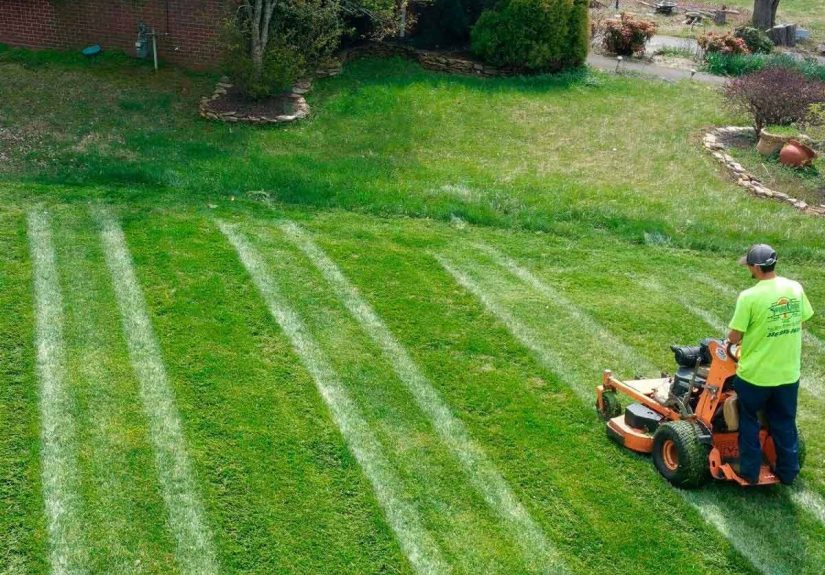
The best part is that most lawn mowing patterns do not require professional equipment. The designs come from the way grass blades bend as you mow. Grass pushed away from you reflects light differently than grass bent toward you, creating those light and dark stripes you see on baseball fields, golf courses, and suspiciously perfect suburban lawns. A mower with a roller or striping kit helps, but a standard push mower or riding mower can still create attractive patterns when the grass is healthy, tall enough, and cut consistently.
Before you start drawing masterpieces across the yard, remember the basics: mow when the grass is dry, keep mower blades sharp, avoid cutting more than one-third of the grass height at one time, and change mowing directions regularly. Good lawn mowing designs should make your yard look better while also supporting healthy grass growth. A beautiful lawn pattern is less impressive if the turf looks like it just survived a desert road trip.
Why Lawn Mowing Designs Work
Lawn mowing designs are not created by cutting grass at different heights. They are created by bending grass blades in opposite directions. When grass leans away from you, it looks lighter because more sunlight reflects off the blade surface. When it leans toward you, it looks darker because you see more shadow. That simple light trick is the secret behind lawn stripes, checkerboards, diamonds, waves, and circles.
For stronger patterns, mow at a slightly higher setting. Taller blades bend more easily and hold the design longer. This is why cool-season grasses such as Kentucky bluegrass, perennial ryegrass, and tall fescue often stripe beautifully. Warm-season grasses such as Bermuda, zoysia, and St. Augustine can also show patterns, though the effect may be subtler depending on blade texture and mowing height.
Healthy turf matters, too. A thin, drought-stressed lawn will not hold a design as well as thick, evenly growing grass. If your lawn has bare patches, weeds, or dull brown tips, start with good mowing habits, watering, fertilizing, and overseeding where appropriate. Think of grass like hair: the better the condition, the better the styling. Nobody gets runway waves from crunchy split ends.
Essential Tips Before Creating Lawn Mowing Patterns
Use the One-Third Rule
Never remove more than one-third of the grass blade in a single mowing session. For example, if you want the lawn maintained at 3 inches, mow when it reaches about 4.5 inches. Cutting too much at once stresses the turf, weakens roots, and can leave the lawn looking scalped instead of stylish.
Keep Your Mower Blades Sharp
Sharp blades slice grass cleanly. Dull blades tear it, leaving ragged tips that turn brown and make even the best mowing pattern look fuzzy. If your lawn looks grayish or frayed after mowing, the mower blade may need sharpening.
Mow Dry Grass
Wet grass clumps, slips under the mower deck, and creates uneven lines. It can also lead to compacted soil if the ground is soft. For clean lawn mowing designs, wait until the grass blades are dry and firm enough to stand upright.
Start With a Border
Mowing a clean perimeter around the lawn gives you space to turn and helps frame the design. It is like putting a picture in a frame, except the picture is grass and the frame smells faintly like gasoline.
8 Awesome Lawn Mowing Designs to Try
1. Classic Stripes
Classic stripes are the easiest and most popular lawn mowing design. They give the yard a crisp, professional look without requiring complicated turns or geometry skills you last used in ninth grade.
To create stripes, choose a straight edge such as a driveway, sidewalk, fence, or property line. Mow one straight pass from one end of the lawn to the other. Turn carefully at the end, then mow the next pass in the opposite direction, slightly overlapping the previous line. Continue across the lawn until the full area is cut. Finish by mowing the perimeter again to clean up turn marks.
For the best visual effect, look several feet ahead instead of staring directly at the mower. This helps you steer straighter. If your first line is crooked, every stripe after it will politely follow the same bad decision. A slow, steady pace produces cleaner results than rushing like you are being chased by bees.
Classic stripes work well on rectangular lawns, front yards, and open backyards. They are also a great beginner pattern because they teach the foundation of most other lawn mowing designs.
2. Checkerboard Pattern
The checkerboard pattern is a step up from classic stripes and gives your lawn the polished look of a sports field. It is bold, organized, and strangely satisfying, especially if you enjoy symmetry.
Start by mowing straight stripes across the entire lawn. Then turn 90 degrees and mow a second set of stripes across the first set. The overlapping light and dark directions create square blocks that resemble a checkerboard. Finish by mowing around the border to tidy the edges.
This pattern looks best on thick grass and larger lawns where the squares have enough room to show. It can also help visually widen or lengthen a yard depending on the direction of the first pass. For front lawns, align the first stripe with the sidewalk or street for a more intentional look.
The checkerboard pattern takes more time because you mow the lawn twice. That means it is not ideal when the grass is already too short or stressed by heat. Use it when the lawn is actively growing and can handle the extra traffic.
3. Diamond Lawn Pattern
The diamond pattern is basically the checkerboard pattern wearing a tuxedo. It feels more decorative because the lines run diagonally instead of straight across the yard. The result is elegant, dramatic, and perfect for homeowners who want the lawn to say, “Yes, I did spend extra time on this, and no, I do not regret it.”
To mow diamonds, start with a diagonal stripe from one corner of the lawn to the opposite side. Use that first stripe as your guide, then mow parallel diagonal lines across the entire area. Next, mow a second set of diagonal stripes at the opposite angle. The crossing lines create diamond shapes.
This design works especially well on square or rectangular lawns. It can make a simple yard look more spacious and formal. The key is getting the first diagonal line right. If the first pass is off, the whole pattern may look like a diamond after too much coffee.
For a stronger diamond effect, mow high enough for the grass to bend and consider using a striping kit. If you are using a riding mower, slow down when turning at the edges to avoid tearing turf or leaving rough arcs.
4. Wave Pattern
If straight lines feel too serious, try a wave pattern. Wavy lawn mowing designs bring movement and personality to the yard. They work beautifully around gardens, trees, curved walkways, and informal landscapes.
Begin by mowing the perimeter. Then create a gentle S-shaped line across the lawn. Keep the curves wide and smooth rather than sharp. After the first pass, follow the same curve on each return pass, using the previous line as a guide. Consistency is more important than perfection.
The wave pattern is forgiving because it does not need ruler-straight lines. However, the curves should be intentional. Random wobbling can make the yard look like the mower operator sneezed for twenty minutes. Gentle waves create a relaxed, flowing design that looks natural and modern.
This pattern is ideal for lawns with rounded beds, patios, or landscape features. It also helps soften boxy yards and adds visual interest without making the design too formal.
5. Circular or Bullseye Pattern
The circular pattern is bold, playful, and excellent for lawns with a central feature such as a tree, fountain, fire pit, birdbath, or garden bed. Instead of mowing back and forth, you mow in rings that expand outward like ripples in water.
Start near the center feature and mow a circle around it. Continue mowing larger circles, keeping each pass evenly spaced. If the lawn is large, take your time and avoid making tight turns that can damage the turf. Once you reach the outer edge, mow the perimeter to clean everything up.
Circular designs are especially useful for awkward lawn shapes because they embrace curves instead of fighting them. They also help direct attention toward a focal point. If your yard has a beautiful tree, a circular pattern says, “Look at this lovely tree.” If your yard has a rusty old birdbath, it says, “Please do not look too closely.”
Use caution on slopes because circular mowing can be tricky and less stable than straight passes. On steep areas, mow across the slope only when safe and follow mower manufacturer guidance.
6. Zigzag Pattern
The zigzag lawn mowing pattern is energetic and modern. It creates sharp angles that stand out more than simple stripes, making it a fun choice for homeowners who want a yard with personality.
To create a zigzag design, plan a repeating angle before you begin. Mow the first diagonal line, then turn at a consistent angle to form a V shape. Continue repeating that angle across the lawn. The trick is keeping the points evenly spaced. Too many uneven turns can turn “bold design” into “mower got confused.”
Zigzags work best on medium to large lawns with open space. They are less practical around lots of trees, beds, or play equipment because frequent obstacles interrupt the design. If your yard has many features, use zigzags in one open section and mow simpler lines elsewhere.
This pattern can also be rotated from week to week. Try a wide zigzag one mowing session and diagonal stripes the next. Changing the pattern reduces repeated wheel tracks and encourages grass to grow upright.
7. Spiral Pattern
A spiral pattern is similar to a circular design but slightly more dynamic. Instead of separate rings, the mower path gradually winds inward or outward in one continuous route. It is efficient, attractive, and surprisingly meditative once you get the hang of it.
To mow a spiral, begin at the outer edge of the lawn and work inward, gradually reducing the size of each loop. You can also begin near the center and work outward, though starting at the outside often makes cleanup easier. Keep each pass evenly spaced and avoid turning too sharply.
This design is great for round, oval, or irregular lawns. It can also reduce the number of hard turns compared with traditional back-and-forth mowing. However, the center can be tricky. As the spiral tightens, slow down and lift the mower deck slightly when needed to avoid scuffing the grass.
The spiral pattern looks especially good when viewed from a deck, balcony, or second-story window. It gives the lawn a custom-designed appearance without requiring a landscape architect or a dramatic home makeover montage.
8. Border Frame With Interior Stripes
The border frame pattern is simple, clean, and highly practical. It combines a strong outer border with neat stripes inside the lawn. The result looks finished, tidy, and intentional.
Begin by mowing two or three passes around the perimeter of the lawn. This creates a frame and gives you turning space. Then mow straight stripes inside the framed area, working from one side to the other. Finish with one final perimeter pass if needed.
This design is excellent for small and medium lawns because it creates structure without requiring a lot of extra mowing. It is also useful for yards with fences, sidewalks, garden beds, or narrow edges where turning can leave messy marks.
For extra impact, alternate the direction of the interior stripes each week. One week, mow front to back. The next, mow side to side. Another week, try diagonal stripes inside the border. You get variety while keeping the same polished frame.
How to Choose the Best Lawn Mowing Design for Your Yard
The best lawn mowing design depends on your yard shape, grass type, mower, and patience level. If you are new to patterned mowing, start with classic stripes or a border frame. These are easy to learn and look good on almost any lawn.
For a formal front yard, choose checkerboard or diamond patterns. These designs look neat, upscale, and deliberate. For a relaxed backyard, waves, circles, and spirals may feel more natural. If your lawn has curves, trees, or garden beds, curved designs often look better than trying to force straight lines around obstacles.
Also consider viewing angle. A pattern that looks dramatic from the street may look less obvious from the porch, and vice versa. The sun matters as well. Lawn stripes often appear more visible in the morning or late afternoon because of the lower light angle. Around midday, the contrast can look softer.
If your grass is short, thin, or recently stressed, avoid complex patterns that require multiple passes. Focus on healthy mowing first. A thick, green lawn with simple stripes will always beat an overworked lawn with a fancy but patchy design.
Common Mistakes to Avoid
Mowing Too Short
Scalping the lawn weakens grass and makes patterns less visible. Taller grass bends better and usually looks greener. Keep your mowing height appropriate for your grass type and season.
Repeating the Same Pattern Every Time
Mowing the same direction week after week can create ruts, compact soil, and encourage grass to lean. Rotate patterns regularly to promote upright growth and a healthier lawn.
Turning Too Sharply
Sharp turns can tear grass, especially with heavy riding mowers. Use the perimeter as a turning zone and make smooth, controlled turns.
Ignoring Lawn Health
Patterns look best on healthy grass. Water deeply but not constantly, feed the lawn according to local recommendations, and repair bare patches before expecting professional-looking results.
Personal Experience: What I Learned Trying Lawn Mowing Designs
The first time I tried mowing stripes into a lawn, I assumed the mower would do most of the thinking. That was mistake number one. A mower is a useful machine, but it does not care whether your lines are straight, your corners are tidy, or your neighbors are quietly judging you through the blinds. I started without a plan, picked no clear reference point, and ended up with stripes that looked less like a baseball field and more like a barcode designed by a raccoon.
The biggest lesson was to slow down. When I rushed, I corrected the mower too often, which made every line wiggle. Once I picked a fixed point at the far end of the lawn and steered toward it, the stripes became much cleaner. Looking ahead instead of down at the mower made a huge difference. It felt strange at first, but it worked the same way driving does: you go where your eyes go.
I also learned that mowing height matters more than most people think. When the grass was cut too short, the design barely showed. Raising the mower deck made the pattern more visible because the longer grass blades bent better. The lawn also looked healthier afterward. Short grass may seem neat for a day, but it often exposes thin spots and dries out faster. Taller grass gives you better color, better texture, and better striping.
The checkerboard pattern was the first design that made people notice. It took longer because I had to mow the lawn in two directions, but the result looked surprisingly professional. The downside was that it created more mower traffic, so I learned not to use it every week during hot weather. It is better as an occasional “company is coming over” pattern than a constant routine.
The wave pattern became my favorite for imperfect lawns. Most real yards are not flawless rectangles. They have trees, beds, slopes, sprinkler heads, dog toys, and that one mysterious low spot everyone pretends not to see. Waves made the lawn look intentional without demanding perfect geometry. They also hid small steering mistakes better than straight stripes.
Another useful discovery was the power of the border. Mowing two passes around the outside before starting the main design made every pattern look cleaner. It gave me room to turn and created a finished edge. Without that border, the ends of the rows looked messy. With it, even simple stripes looked polished.
Finally, I learned that lawn mowing designs are not just about looks. Changing mowing direction helped prevent wheel ruts and kept the grass from leaning the same way all season. The lawn looked more even over time. In other words, patterned mowing can be both decorative and practical. That is rare in yard work. Usually, the pretty option involves more money, more mulch, or a weekend disappearing into a hardware store.
If you are trying lawn mowing patterns for the first time, start simple. Mow dry grass, sharpen the blade, raise the deck slightly, and choose one design. Do not attempt diamonds, waves, spirals, and checkerboards in the same afternoon unless you enjoy turning lawn care into performance art. A clean stripe pattern is enough to make a yard look fresh, tidy, and cared for.
Conclusion
Lawn mowing designs are one of the easiest ways to give your yard a high-impact upgrade without spending much money. Classic stripes, checkerboards, diamonds, waves, circles, zigzags, spirals, and framed borders each bring a different personality to the lawn. Some are formal and polished, while others are relaxed and creative.
The secret is not complicated: keep the grass healthy, mow at the right height, use sharp blades, cut dry turf, and vary your mowing direction. Start with simple patterns, then experiment as your confidence grows. With a little practice, your lawn can go from “freshly cut” to “did someone hire a groundskeeper?” And really, who does not want that tiny moment of neighborhood glory?
Note: This article is based on practical lawn-care guidance commonly recommended by U.S. university extension programs, turf-care professionals, mower manufacturers, and residential lawn maintenance experts.