Table of Contents >> Show >> Hide
- Why Watering Matters So Much for Poinsettias
- 8 Simple Watering Tricks to Make Your Poinsettias Last
- 1. Start With a Healthy Plant Before You Even Water It
- 2. Check the Soil Daily With the Finger Test
- 3. Lift the Pot to Learn Its “Water Weight”
- 4. Remove Decorative Foil or Pot Covers Before Watering
- 5. Water Thoroughly Until It Drains From the Bottom
- 6. Rehydrate Overly Dry Soil the Right Way
- 7. Use Room-Temperature Water, Not Ice Cubes
- 8. Match Watering to Light, Heat, and Humidity
- Common Poinsettia Watering Problems and What They Mean
- How Often Should You Water a Poinsettia?
- Should You Fertilize When Watering?
- Can You Keep a Poinsettia After the Holidays?
- Real-Life Watering Experiences: What Actually Helps Poinsettias Last
- Conclusion
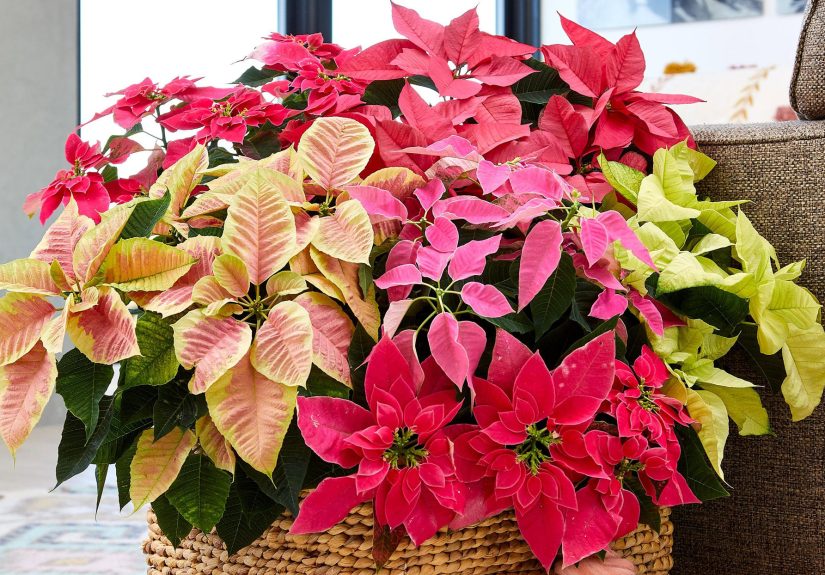
Poinsettias are the unofficial houseplant celebrities of the holiday season. They arrive dressed in red, white, pink, marbled, or speckled bracts, sit proudly on the coffee table, and instantly make the room look like someone with excellent taste lives there. Then, sometimes, three days later, they drop leaves dramatically as if they have just read a bad review.
The good news? Most poinsettia problems are not mysterious. They usually come down to watering. Too much water, too little water, water trapped in foil, water forgotten in a saucer, dry indoor air, or a potting mix that shrinks away from the container can all turn a cheerful poinsettia into a sulking holiday diva. Luckily, keeping poinsettias colorful and full for weeks is not difficult once you know how they actually like to drink.
This guide shares eight simple watering tricks to make your poinsettias last longer, plus practical care tips you can use in real homes with real heating vents, busy schedules, decorative foil, and that one sunny window already occupied by a cat.
Why Watering Matters So Much for Poinsettias
Poinsettias, botanically known as Euphorbia pulcherrima, are often treated like temporary holiday decorations, but they are living tropical plants. Their colorful “flowers” are actually modified leaves called bracts, while the true flowers are the small yellow structures in the center. Those bracts can stay beautiful for several weeks when the plant is kept in bright indirect light, protected from drafts, and watered correctly.
Watering is the part that trips up many plant owners. Poinsettias do not want to sit in soggy soil, but they also do not want to dry out so badly that the leaves wilt. Think of them as guests who enjoy a full glass of water but absolutely refuse to stand in a puddle afterward. The goal is evenly moist, well-drained potting mixnot swampy, not bone-dry, just comfortably damp.
Because poinsettias are usually sold in lightweight soilless mixes, their pots can dry out faster than expected indoors. Heated winter air, bright rooms, small containers, and decorative pot covers all affect how often you need to water. That is why a rigid watering schedule, such as “every Friday,” is less useful than learning to read the plant and its soil.
8 Simple Watering Tricks to Make Your Poinsettias Last
1. Start With a Healthy Plant Before You Even Water It
The best watering routine in the world cannot fully rescue a poinsettia that was already stressed before it came home. When shopping, choose a plant with sturdy stems, deep green leaves, colorful bracts, and small yellow flower buds that are still fresh. Avoid plants with drooping leaves, yellowing lower foliage, soggy soil, or bracts that look bruised or faded.
Also, check how the plant is displayed. Poinsettias hate cold drafts, so a plant sitting near an automatic grocery store door may already be unhappy. If the outdoor temperature is cold, ask for a sleeve or cover before taking it to the car. A chilly trip across a parking lot may be short for you, but to a tropical plant, it can feel like a survival documentary.
Once home, remove the sleeve promptly. Leaving a poinsettia wrapped tightly for too long can trap moisture around the leaves and reduce air circulation. Give it a bright, comfortable spot, then begin your watering routine based on the soil rather than the calendar.
2. Check the Soil Daily With the Finger Test
The simplest watering trick is also the most reliable: touch the soil. Check the top of the potting mix every day, especially during the first week after bringing the plant home. If the surface feels dry to a light touch, it is time to water. If it still feels moist, wait.
You can also use the “top inch” method. Insert your finger about one inch into the potting mix. If that upper layer feels dry but the pot is not completely parched, water thoroughly. If the soil sticks to your finger and feels damp, hold off. Poinsettias like moisture, but they do not appreciate being watered just because you walked by with a watering can and good intentions.
Daily checking does not mean daily watering. In a warm, dry room, a poinsettia may need water every few days. In a cooler room with less light, it may need water less often. The plant’s environment decides the schedule. Your job is to inspect, not guess.
3. Lift the Pot to Learn Its “Water Weight”
Another easy trick is to lift the pot. A well-watered poinsettia feels noticeably heavier than a dry one. After watering and draining the plant, pick it up and notice the weight. Then lift it again the next day and the day after. Soon, you will recognize the difference between “still fine” and “please send refreshments.”
This trick is especially helpful with poinsettias because the soil surface can sometimes be misleading. The top may look dry while the lower mix still holds moisture. Lifting the pot gives you another clue. If the container feels light and the soil surface is dry, water. If it still has weight, wait another day and check again.
For larger poinsettias, you do not have to perform a full arm workout. Simply tip the pot slightly or lift one side. The goal is to develop a feel for moisture, not to add strength training to your holiday checklist.
4. Remove Decorative Foil or Pot Covers Before Watering
Poinsettias often arrive wrapped in shiny foil, decorative plastic, or placed inside a pretty cachepot. It looks festive, but it can also turn into a tiny bathtub. If water collects inside the cover and has nowhere to go, the roots sit in standing water. That is one of the fastest ways to cause yellow leaves, leaf drop, and root rot.
Before watering, remove the plant from its decorative cover if possible. Place the nursery pot in the sink, water thoroughly, and let it drain completely. Once no more water is dripping from the drainage holes, return the plant to its cover.
If you really want to keep the foil in place for display, poke holes in the bottom and set the plant on a saucer. After watering, empty the saucer so the plant is not sitting in runoff. Decorative foil is not the villain; trapped water is. Give that water an exit route, and your poinsettia will be much happier.
5. Water Thoroughly Until It Drains From the Bottom
When a poinsettia needs water, give it a proper drink. Do not sprinkle a teaspoon over the surface and hope for the best. Water slowly and evenly over the potting mix until water runs out of the drainage holes at the bottom of the container. This helps moisten the entire root ball instead of only the top layer.
Thorough watering is important because poinsettia roots are distributed throughout the pot. If only part of the soil gets wet, some roots stay dry while others may become too wet. A slow, complete watering gives the plant a more even moisture supply.
After watering, let the pot drain for several minutes. Then check the saucer, sink, or decorative container and dump any excess water. The phrase to remember is: water deeply, drain completely. It sounds like advice from a wise plant coach wearing gardening gloves.
6. Rehydrate Overly Dry Soil the Right Way
Sometimes poinsettia soil becomes so dry that water runs down the sides of the pot instead of soaking into the mix. You pour water in, it rushes out the bottom, and the plant still looks thirsty. This happens when the potting mix shrinks away from the container or becomes difficult to rewet.
If your poinsettia is extremely dry, place the pot in the sink and water slowly several times, allowing the mix to absorb moisture. You can also set the pot in a shallow tray of room-temperature water for about 15 to 30 minutes, letting the plant absorb moisture through the drainage holes. Afterward, remove it from the tray and allow it to drain fully.
Do not leave the plant soaking indefinitely. Bottom watering is a rescue method, not a spa weekend. Once the root ball is evenly moist again, return to checking the soil daily and watering only when the surface begins to dry.
7. Use Room-Temperature Water, Not Ice Cubes
Room-temperature water is best for poinsettias. These plants dislike cold shock, and icy water can stress roots that are already dealing with indoor winter conditions. The ice cube watering trend may sound convenient, but poinsettias are tropical plants, not tiny refrigerators with leaves.
Fill a watering can or cup and let the water sit until it is comfortable to the touch. Then water the soil directly. Try to avoid splashing the bracts and leaves repeatedly, especially in low-airflow rooms, because wet foliage can stay damp longer than ideal.
If your tap water is very cold in winter, waiting a few minutes makes a difference. You do not need fancy bottled water for most healthy poinsettias. The key is moderation: water that is not freezing, applied to the soil, with excess allowed to drain away.
8. Match Watering to Light, Heat, and Humidity
Your poinsettia’s thirst changes depending on where it lives in your home. A plant near a bright window in a warm room may dry out faster than one in a cooler space. A poinsettia near a heating vent, fireplace, radiator, or drafty door may become stressed and drop leaves even if your watering is mostly correct.
For best results, place poinsettias in bright, indirect light and keep them away from hot or cold drafts. A comfortable indoor temperature is usually ideal. Avoid setting the plant directly above heat sources or in a window where leaves touch cold glass. Both extremes can cause moisture stress.
Low humidity is another winter challenge. Dry air can make the soil dry faster and cause leaves to look tired. Grouping houseplants together, using a pebble tray nearby, or running a humidifier can help create a more comfortable microclimate. Just remember: humidity support does not replace proper watering. The soil still needs to be checked.
Common Poinsettia Watering Problems and What They Mean
Yellow Leaves
Yellow lower leaves often point to watering stress. The tricky part is that both overwatering and underwatering can cause yellowing. If the soil is soggy, the saucer is full, or the foil cover has trapped water, overwatering is likely. If the soil is dry, pulling away from the pot, and the plant feels light, underwatering may be the culprit.
Drooping Leaves
Drooping can mean the plant is thirsty, but it can also happen when roots are damaged by soggy soil. Check before watering. If the mix is dry, water thoroughly and drain. If it is wet and the plant still droops, allow the soil to dry slightly and improve drainage immediately.
Leaves Falling Off
Leaf drop can happen after cold exposure, sudden temperature changes, poor light, or inconsistent watering. If your poinsettia sheds a few leaves after coming home, do not panic. If it drops many leaves quickly, review its location and watering setup. The plant may be reacting to drafts, heat, or trapped water.
Soil That Smells Sour
A sour or swampy smell usually means the potting mix has stayed too wet. Remove the plant from any decorative cover, empty standing water, and let the mix dry to the proper level before watering again. If the pot has no drainage holes, move the plant to a container that drains freely.
How Often Should You Water a Poinsettia?
There is no perfect number of days between waterings. Many poinsettias need water when the soil surface becomes dry, but the timing depends on pot size, indoor temperature, humidity, light, and the type of potting mix. Some plants may need water twice a week. Others may go longer.
The best rule is simple: check the plant daily, water when the surface feels dry, water thoroughly, and drain completely. This approach is more accurate than a schedule because it responds to the plant’s actual needs.
If you enjoy routines, make “checking” part of your routine instead of “watering.” For example, inspect the soil every morning while your coffee brews. If the plant needs water, water it. If not, admire it and move on. This method saves poinsettias from both neglect and overenthusiasm.
Should You Fertilize When Watering?
During the holiday display period, poinsettias usually do not need fertilizer. They were grown by professionals before reaching the store and have enough energy to maintain their colorful bracts for the season. Fertilizing while the plant is in full holiday color is generally unnecessary.
If you plan to keep your poinsettia after the holidays and it begins producing new growth in spring, you can start feeding with a balanced houseplant fertilizer according to the label directions. Until then, focus on good light, steady temperatures, and correct watering.
Can You Keep a Poinsettia After the Holidays?
Yes, you can keep a poinsettia beyond the holidays, though many people choose to compost it once it stops looking decorative. If you want to keep it, continue watering when the soil surface dries and maintain bright light. In spring, you can prune it back, repot if needed, and begin regular houseplant care.
Getting a poinsettia to color up again for the next holiday season requires a strict period of long, uninterrupted darkness each night in fall. It is possible, but it takes commitment. Think of it as plant theater: the poinsettia needs very specific lighting cues before it agrees to make a dramatic comeback.
Real-Life Watering Experiences: What Actually Helps Poinsettias Last
Experience has a way of teaching what plant labels politely leave out. One of the most useful lessons with poinsettias is that the prettiest display spot is not always the best care spot. A poinsettia may look wonderful beside a fireplace, under a heat vent, or near the front door, but those locations can dry the soil quickly or expose the plant to temperature swings. In real homes, moving the plant just a few feet away from hot air or cold drafts can make the watering routine more predictable.
Another practical lesson is that decorative foil should be treated like gift wrap, not plumbing. Many people water right into the foil and assume the plant will use what it needs. Unfortunately, roots do not work like polite dinner guests taking only one cookie. If water sits around the bottom of the pot, the root zone can become oxygen-starved. The simple habit of carrying the plant to the sink, watering until it drains, and returning it to the display pot after a few minutes can dramatically improve how long it looks fresh.
It also helps to stop thinking of watering as a chore and start thinking of it as a quick inspection. When you touch the soil, you usually notice other things too: a yellow leaf beginning to fade, a saucer with leftover water, a pot that feels oddly light, or a plant leaning toward the window. These tiny observations help you make small corrections before the poinsettia turns into a crispy holiday centerpiece.
For busy households, the best system is often a “check daily, water only when needed” routine. Place the poinsettia somewhere you naturally pass each morning, such as near the kitchen or dining area. Touch the soil. Lift the pot. Look for standing water. This takes less than a minute, but it prevents the two classic mistakes: forgetting the plant completely or watering it every day out of guilt.
People who travel during the holidays should water thoroughly before leaving, drain the plant well, and move it away from intense heat or direct sun. A cooler, bright room can slow drying slightly. However, do not leave the pot sitting in a bowl of water “just in case.” That kind of kindness can backfire. If you will be gone for more than a few days, ask someone to check the soil rather than instructing them to water automatically.
Finally, do not panic over one or two dropped leaves. Poinsettias are sensitive to changes in light, temperature, and handling. A little adjustment after moving from greenhouse to store to car to home is normal. What matters is the pattern. If the plant keeps dropping leaves, look at the watering and location together. Most poinsettias last far longer when their roots are moist but never waterlogged, their leaves are away from drafts, and their owners resist the urge to love them with a flood.
Conclusion
Poinsettias last longest when watering is consistent, thoughtful, and based on the plant’s actual condition. Check the soil daily, water when the surface feels dry, remove decorative covers before watering, soak the root ball thoroughly, and always drain away excess water. Keep the plant in bright indirect light, away from heat and cold drafts, and use room-temperature water to avoid stress.
These simple watering tricks do not require expert-level gardening skills. They only require attention. Treat your poinsettia less like a disposable decoration and more like a living houseplant, and it can keep its festive color well beyond the first round of holiday cookies.