Table of Contents >> Show >> Hide
- What Makes GPP Different (and Why Treatment Can’t Wait)
- Step One: Confirming It’s GPP (and Not Something Else)
- Goals of GPP Treatment
- Treating an Acute GPP Flare
- After the Flare: Long-Term GPP Management and Prevention
- Special Situations in GPP Treatment
- What to Ask Your Dermatologist (Bring This List Like a Boss)
- Lifestyle and Home Support (Not a Cure, But Definitely Not Nothing)
- Emerging Therapies and the Future of GPP Treatment
- Conclusion
- Bonus: Real-World Experiences With GPP Treatment (What People Commonly Report)
Generalized Pustular Psoriasis (GPP) is not your average “a little rashy” day. It’s a rare, severe form of psoriasis that can flare fast, cover large areas of skin with painful pustules, and make you feel systemically ill (think fever, chills, fatiguethe whole “I got hit by a truck” vibe). The good news: GPP treatment has gotten smarter, more targeted, and in some cases, dramatically faster-acting than it used to be.
This guide breaks down how GPP is treated in the U.S. todayfrom emergency flare care to long-term preventionusing real-world clinical approaches, practical examples, and the kind of clarity you want when your skin is doing something it absolutely did not RSVP for.
Quick note: This is educational info, not personal medical advice. GPP can be medically urgentif a flare comes with fever, widespread redness, dehydration, rapid spreading pustules, or you feel very unwell, seek urgent care.
What Makes GPP Different (and Why Treatment Can’t Wait)
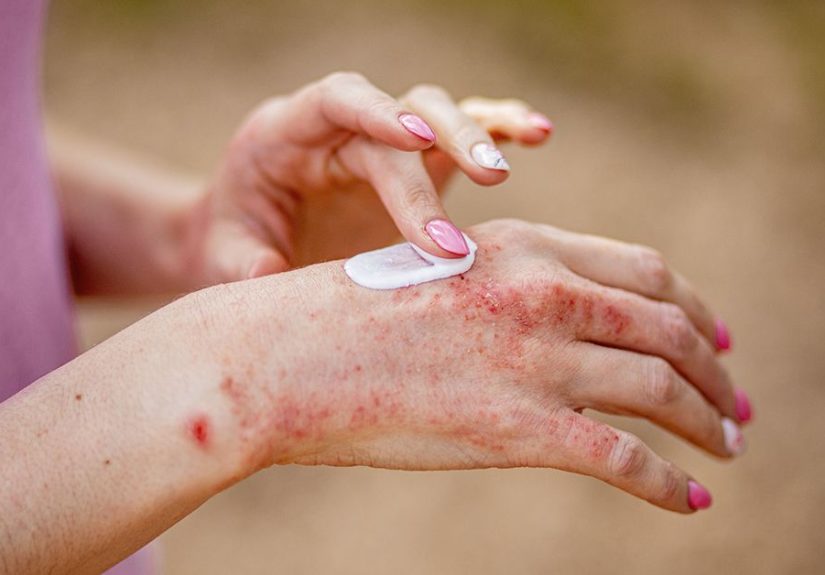
Most people have heard of plaque psoriasisthick, scaly patches that come and go. GPP is different. During a flare, the immune system triggers widespread inflammation that can cause sterile pustules (pus-filled bumps that are not typically caused by infection) on angry-red skin, often with systemic symptoms. Severe flares can disrupt fluid balance, raise infection risk, and sometimes require hospital-level support.
That’s why GPP treatment is usually more aggressive than typical psoriasis treatment. Many patients need systemic therapy (medications that work throughout the body) early, not as a “last resort.”
Common flare triggers (a.k.a. the usual suspects)
- Infections (respiratory infections are classic troublemakers)
- Medication changes (especially abrupt steroid withdrawal or certain drug exposures)
- Stress (yes, your immune system reads your calendar)
- Pregnancy (a specific pustular eruption can occur in pregnancy and needs urgent specialist care)
Step One: Confirming It’s GPP (and Not Something Else)
Because pustules can also appear with infections, drug reactions, or other inflammatory skin conditions, clinicians often move quickly to confirm GPP while starting supportive care.
What evaluation often includes
- History and exam: How fast it started, prior psoriasis, new meds, recent illness, fever, pain.
- Lab work: CBC, inflammatory markers, electrolytes, kidney/liver tests (especially if you’re dehydrated or very ill).
- Skin biopsy: Sometimes used to support diagnosis.
- Rule-outs: If clinicians suspect infection, they may culture lesions or assess for systemic infection.
Why it matters: Treatment choices differ depending on whether this is primarily inflammatory GPP versus an infection or severe drug reaction. In other words, the “right” medication can be very rightor very wrongdepending on the diagnosis.
Goals of GPP Treatment
GPP treatment is usually built around two goals:
- Stop the flare quickly (reduce pustules, redness, pain, fever, and systemic inflammation).
- Prevent future flares (maintenance therapy, trigger management, and monitoring).
Clinicians also balance safety issues like infection risk, pregnancy potential, kidney function, liver health, and what other medications you’re taking.
Treating an Acute GPP Flare
If a flare is widespread or you have systemic symptoms, treatment often looks more like “medical stabilization + targeted therapy” than “try this cream and vibe it out.” Some patients are treated outpatient, but moderate-to-severe flares may require emergency evaluation or hospitalization.
Supportive care (the unglamorous hero)
Even with the best immune-targeting medication, supportive care matters because inflamed skin can leak fluid, disrupt temperature regulation, and feel like it’s on fire.
- Fluids and electrolytes: oral hydration or IV fluids if needed.
- Temperature and pain control: because suffering is not a treatment plan.
- Skin barrier support: bland emollients, non-irritating moisturizers, and sometimes wet wraps in hospital settings.
- Infection assessment: not because GPP pustules are “infectious,” but because broken skin raises risk.
Targeted biologic therapy: IL-36 receptor blockade (Spevigo/spesolimab)
In the U.S., the first specifically approved medication for GPP flares is spesolimab (brand name Spevigo), an IL-36 receptor antagonist. It targets a pathway strongly linked to pustular inflammation. It’s administered by IV infusion in a clinical setting. For many patients, it can rapidly reduce pustules and calm the flare.
Why this matters for patients: Historically, many GPP treatments were borrowed from plaque psoriasis or supported mainly by smaller studies and clinical experience. Having a targeted therapy designed for GPP changes the speed and precision of flare managementespecially for people who have repeated or severe episodes.
Traditional systemic “workhorses” for GPP
Depending on availability, severity, comorbidities, and clinician judgment, acute flares may also be treated with systemic agents long used in severe psoriasis care. These include:
- Cyclosporine: Often used for severe, fast-moving psoriasis variants because it can act relatively quickly. It requires careful monitoring (blood pressure, kidney function).
- Methotrexate: Common in psoriasis care; may be used in GPP but can take longer to kick in. Requires monitoring (liver, blood counts) and is not used in pregnancy.
- Acitretin: An oral retinoid used in pustular psoriasis; not for pregnancy and has strict contraception requirements due to teratogenicity.
- Infliximab: A TNF inhibitor sometimes used in severe pustular or erythrodermic presentations for rapid control (clinician-dependent and situation-specific).
Important nuance: Your clinician may choose different agents depending on how sick you are, how quickly treatment is needed, and what risks are acceptable. “Best” isn’t one-size-fits-all; it’s “best for your current flare and your whole medical picture.”
A word on systemic steroids (prednisone): proceed with caution
Systemic corticosteroids can be complicated in psoriasis. In some settings they may be used briefly for specific medical reasons, but they are also associated with the risk of triggering or worsening severe psoriasis flaresespecially when tapered or stopped abruptly. If you’ve been prescribed steroids and have psoriasis history, make sure the prescriber knows, and coordinate with dermatology whenever possible.
After the Flare: Long-Term GPP Management and Prevention
Once the “fire” is out, the next job is to keep the smoke alarm from going off again. Long-term GPP management usually includes maintenance therapy, trigger reduction, and monitoring for side effects and recurrence.
Maintenance medication strategies
Options can include (depending on your situation):
- Continuation or repeat dosing strategy with IL-36 pathway therapy if flares recur and your clinician feels it’s appropriate.
- Biologics used in psoriasis (e.g., TNF, IL-17, IL-23, IL-12/23 targeting agents) may be considered based on clinical judgment, disease pattern, and available evidence.
- Non-biologic systemic agents like acitretin or methotrexate may be used for ongoing control in selected patients.
Because GPP is rare, long-term plans are often individualized. Many dermatologists also consider the possibility of genetic contributions (like IL-36 pathway involvement) in certain patientsespecially those with early onset or recurrent flares.
Monitoring (because “set it and forget it” is not a medication strategy)
Monitoring depends on the drug, but commonly includes:
- Blood pressure and kidney labs (especially with cyclosporine)
- Liver tests and blood counts (methotrexate and some systemic agents)
- Lipids and pregnancy prevention planning (acitretin)
- Infection screening and vaccines planning (many immunomodulating biologics)
Special Situations in GPP Treatment
Pregnancy and postpartum
Pustular eruptions related to pregnancy require urgent specialist management. Medication choices must prioritize fetal safety and maternal stability. If you’re pregnant (or trying), tell every clinician involveddermatology, OB, primary careso treatment decisions are coordinated.
Kids and teens
Pediatric GPP needs specialty care. Medication approvals, dosing, and safety monitoring differ from adults. In the U.S., spesolimab has expanded indications that include certain pediatric patients, which can change the treatment landscape for adolescents experiencing severe flares.
Older adults and people with chronic conditions
Kidney disease, liver disease, uncontrolled hypertension, recurrent infections, and other conditions can shape which medications are safest. Sometimes the “best” option is the one that treats the flare while minimizing dangerous side effects for your particular health profile.
What to Ask Your Dermatologist (Bring This List Like a Boss)
- Does my current episode meet criteria for a GPP flare, and how severe is it?
- Do I need hospital-level care (fluids, labs, monitoring), or can I be treated outpatient?
- Is an IL-36 receptor inhibitor appropriate for me right now?
- What’s the fastest plan to stop the flareand what’s the plan to prevent the next one?
- What labs do we need before and during treatment?
- What side effects should send me to urgent care?
- Could any of my current medications be triggering flares?
Lifestyle and Home Support (Not a Cure, But Definitely Not Nothing)
Let’s be honest: no amount of kale can out-argue a full immune flare. But lifestyle support can reduce friction on your skin and immune system and improve quality of life.
Practical skin care during and after a flare
- Gentle moisturizing: thick, fragrance-free emollients, especially after bathing.
- Warm (not hot) showers: hot water can worsen irritation and dryness.
- Simple cleansers: avoid harsh scrubs; your skin has been through enough.
- Dress for comfort: soft fabrics, loose fits, breathable layers.
Health habits that can help overall psoriasis management
- Smoking cessation and moderation of alcohol, if relevant
- Stress management (therapy, sleep, movement, support groupswhatever is sustainable)
- Nutrition: some people find anti-inflammatory patterns helpful, but it’s individual
If GPP is affecting your mental health, that is not “extra.” It’s part of the disease burden. Asking for mental health support is a strong move, not a dramatic one.
Emerging Therapies and the Future of GPP Treatment
GPP research has accelerated in recent years, especially around the IL-36 pathway. Clinical trials continue to explore new IL-36–targeting therapies and strategies for preventing recurrent flares. This matters because many people with GPP don’t just have one flarethey have a pattern, and they deserve a long-term plan that’s more sophisticated than “good luck and a stronger moisturizer.”
If you have frequent flares, ask your dermatologist about clinical trials, registries, or specialty centers with GPP expertise. Even if you don’t enroll, specialists who see more GPP often have more refined treatment algorithms.
Conclusion
Generalized Pustular Psoriasis (GPP) treatment is a two-phase mission: rapid flare control and long-term prevention. Acute flares may require urgent evaluation, supportive care, and systemic treatment. In the U.S., targeted IL-36 receptor inhibition (spesolimab/Spevigo) represents a major shift toward GPP-specific therapy, while established systemic agents like cyclosporine, acitretin, methotrexate, and selected biologics remain important tools depending on the clinical scenario.
If there’s one takeaway: treat GPP like the serious condition it is, partner closely with a dermatologist, and build a plan that addresses both today’s flare and next month’s reality.
Bonus: Real-World Experiences With GPP Treatment (What People Commonly Report)
This section is based on recurring themes clinicians hear and patterns reported by patients and caregiversshared here in a general, educational way.
1) The “Is this an infection?” detour is extremely common.
Many people with a first-time GPP flare describe a confusing start: pustules appear, skin turns bright red, and someone (understandably) worries it’s bacterial. It’s not unusual for patients to be given antibiotics early, especially if there’s fever or elevated white blood cells. The emotional whiplash is real: you’re told “it might be infectious,” then later you hear “it’s inflammatory and sterile.” The best outcomes often happen when evaluation is fast, labs are checked, and dermatology is involved earlybecause the right diagnosis unlocks the right treatment.
2) The flare can feel systemicbecause it is.
People often expect skin disease to be “skin only.” GPP laughs at that assumption. Patients commonly report fatigue, chills, sweating, muscle aches, and feeling dehydratedsometimes before the pustules peak. In severe cases, hospital care isn’t about drama; it’s about basics like fluids, electrolyte balance, and monitoring. Many patients later say that supportive care (IV fluids, gentle skin management, pain control) was the difference between “I can survive this” and “I can’t do another hour.”
3) Speed matters, and fast-acting options feel life-changing.
A consistent theme in modern GPP care is relief when a treatment begins working quickly. Patients who respond to targeted therapy often describe a “turning point” within days: fewer new pustules, less burning pain, improved sleep, and a sense that their body is returning to normal settings instead of emergency mode. That psychological reliefrealizing the flare is reversiblecan be as meaningful as the physical improvement.
4) Medication logistics can be surprisingly stressful.
GPP is rare, and rare diseases sometimes collide with practical problems: prior authorizations, infusion scheduling, travel to a specialist center, or confusion about who is coordinating care. Patients often report that having a written plan helps: “If I flare, I go here; these labs get checked; this is the medication plan; this is who to call.” Think of it like a fire-escape planbetter to have it and not need it than the reverse.
5) Long-term prevention is a mindset shift.
After a flare resolves, many patients feel tempted to slam the door on the whole experience and pretend it never happened (honestly, relatable). But those who do best long-term often adopt a prevention mindset: keeping follow-up appointments, doing recommended lab monitoring, reporting early warning signs, and tracking triggers like infections or medication changes. Some keep a “flare diary” on their phone with photos, dates, new meds, and symptoms. It’s not obsessiveit’s data that can shorten future flares.
6) The emotional burden is realand treating it is part of treating GPP.
People commonly describe anxiety about recurrence: “Is that warmth on my skin the start of another flare?” Others feel embarrassed or isolated during recovery because skin shedding and redness can be visible and uncomfortable. Many patients benefit from support groups (online or local), counseling, or simply hearing a clinician say, “This is a serious disease and you’re not overreacting.” A little validation can lower stressand stress reduction is never a bad side effect.
7) Recovery isn’t always instant, and that’s normal.
Even after pustules stop forming, the skin barrier can take time to rebuild. Patients often mention a “recovery phase” with peeling, sensitivity, and fatigue. Gentle moisturizers, soft clothing, and patience are the unsexy but effective tools here. Many people also say the first week they sleep through the night again feels like winning a small Olympic medal.
Bottom line from real-world experience: GPP treatment works best when it’s fast, coordinated, and paired with a prevention planplus enough support to get you through the physical and emotional chaos of a flare.