Table of Contents >> Show >> Hide
- Why This Hazelnut Thumbprints Recipe Works
- Ingredients for Hazelnut Thumbprint Cookies
- How to Make Hazelnut Thumbprints
- Best Jam Pairings for Hazelnut Thumbprints
- Tips for the Best Hazelnut Thumbprints Recipe
- Common Mistakes to Avoid
- Variations to Try
- How to Store and Serve Them
- Why These Cookies Deserve a Spot in Your Baking Rotation
- Experiences and Baking Notes From Making Hazelnut Thumbprints Again and Again
- Final Thoughts
- SEO Tags
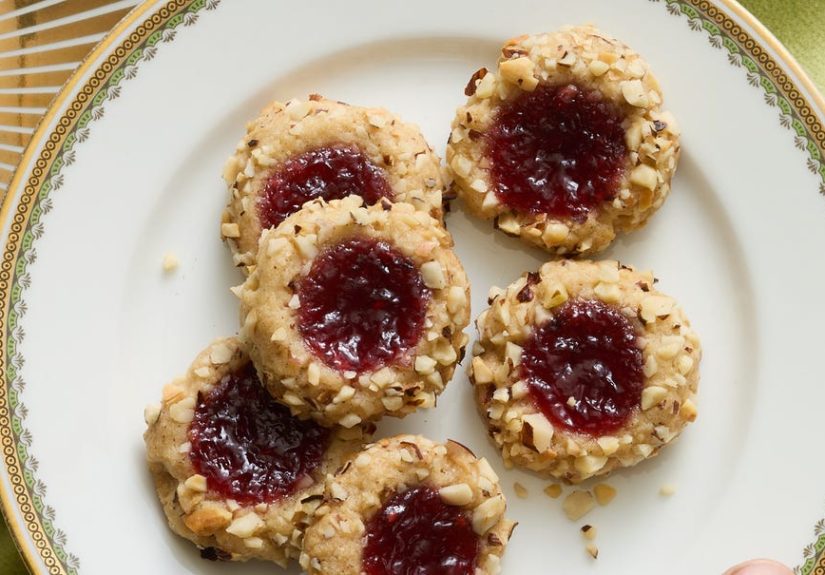
Some cookies show up politely. Hazelnut thumbprints enter the room like they own the dessert table. They are buttery, tender, gently nutty, and topped with a glossy jewel of jam that practically winks at you from the cookie tray. If your usual cookie routine has started to feel a little too predictable, this Hazelnut Thumbprints Recipe is the kind of upgrade that makes people think you suddenly became the organized friend who labels pantry jars and owns matching cooling racks.
What makes hazelnut thumbprint cookies special is their balance. The cookie base is rich but not heavy. The toasted hazelnuts add warmth, crunch, and depth. The jam brings brightness and a little tang. The result is a cookie that feels classic and a bit fancy without becoming fussy. That is a rare trick in baking, and frankly, it deserves applause.
This article walks you through everything you need to make a reliable batch at home, from choosing the best hazelnuts to shaping the cookie wells without cracking the dough. You will also get flavor variations, common mistakes to avoid, storage advice, and a long section at the end on real-life baking experiences that come with making thumbprint cookies more than once. Because the first batch teaches you the recipe, but the second batch teaches you wisdom.
Why This Hazelnut Thumbprints Recipe Works
A great thumbprint cookie should hold its shape, taste buttery without being greasy, and have a filling that stays in place instead of wandering off like it has weekend plans. This version works because it uses a shortbread-style dough, toasted hazelnuts for bigger flavor, and a short chill before baking. That chill is not here to ruin your momentum. It is there to keep the cookies from spreading too much and losing their neat little centers.
Hazelnuts are especially good in thumbprint cookies because they bring more personality than mild nuts. Once toasted, they taste deeper, sweeter, and a little roasty. Pair that with raspberry, apricot, cherry, or even chocolate-hazelnut spread, and you have a cookie that feels tailor-made for holidays, tea breaks, bake sales, and those suspiciously frequent moments when you “just need a little something sweet.”
Ingredients for Hazelnut Thumbprint Cookies
For the cookie dough
- 1 cup raw hazelnuts, divided
- 3/4 cup unsalted butter, softened
- 2/3 cup granulated sugar
- 1 large egg yolk
- 1 teaspoon vanilla extract
- 1 3/4 cups all-purpose flour
- 1/4 teaspoon fine salt
- 1/4 teaspoon cinnamon, optional but lovely
For shaping and filling
- 1 egg white, lightly beaten
- 1/2 to 2/3 cup thick jam or preserves
- Raspberry, apricot, cherry, or strawberry jam work especially well
The hazelnuts do double duty here. Some go into the dough for a deeper nutty flavor, and the rest coat the outside of the cookies for texture and visual appeal. That means every bite tastes intentionally hazelnut-forward instead of merely decorated with a few polite nut crumbs.
How to Make Hazelnut Thumbprints
1. Toast the hazelnuts
Preheat your oven to 350°F. Spread the hazelnuts on a baking sheet and toast them for 8 to 10 minutes, or until they smell fragrant and the skins begin to loosen. Let them cool slightly, then rub them in a clean kitchen towel to remove most of the skins. Do not obsess over every last fleck. This is baking, not a hostage negotiation.
Finely grind 1/3 cup of the toasted hazelnuts for the dough. Finely chop the rest for coating the cookies. Be careful not to overprocess the nuts into hazelnut butter unless you were secretly hoping to take this recipe in a completely different direction.
2. Make the dough
In a large bowl, beat the softened butter and sugar until the mixture looks light and creamy. Add the egg yolk and vanilla extract, then mix until smooth. In a separate bowl, whisk together the flour, salt, cinnamon if using, and the ground hazelnuts. Add the dry ingredients to the butter mixture and mix just until a soft dough forms.
The dough should feel soft but not sticky enough to panic you. If your kitchen is warm and the dough feels too loose, a short chill will make it easier to handle. This is one of those recipes where patience pays you back in prettier cookies.
3. Chill before shaping
Cover the dough and chill it for 30 to 45 minutes. This step helps the butter firm up so the cookies spread less in the oven. It also makes rolling the dough into clean balls much easier. Skip it if you enjoy chaos, but do not say the recipe did not try to help.
4. Shape and coat the cookies
Line two baking sheets with parchment paper. Scoop the dough into 1-inch balls. Dip each ball lightly in egg white, then roll it in the chopped hazelnuts. Place the balls on the baking sheets about 2 inches apart.
Use your thumb, the back of a small measuring spoon, or the rounded end of a wooden spoon to press a neat well into the center of each cookie. If the dough cracks a little around the edges, smooth it gently with your fingers. Tiny cracks are not a crisis. Giant craters are more of a concern.
5. Bake the thumbprints
Bake at 350°F for 12 to 14 minutes, until the edges are lightly golden. If the centers puff during baking, gently re-press them as soon as the cookies come out of the oven. The cookies are still soft at this point, so be careful, but this is the perfect time to fix any disappearing thumbprints.
6. Fill with jam
Warm the jam slightly so it becomes easy to spoon but not runny. Add about 1/2 to 1 teaspoon to each cookie center while the cookies are still warm or once they have cooled slightly. Filling them warm gives the jam a smoother, glossier finish. Let the cookies cool completely before serving or storing.
Best Jam Pairings for Hazelnut Thumbprints
The classic choice is raspberry jam, and there is a good reason for that. Its tart flavor cuts through the buttery richness and plays beautifully with toasted hazelnuts. Apricot is another excellent option, especially if you want a softer, sunnier sweetness. Cherry jam makes the cookies feel more dramatic, while strawberry keeps things familiar and crowd-friendly.
If you want a less traditional twist, try fig preserves, orange marmalade, or chocolate-hazelnut spread. The last one is admittedly a double-hazelnut move, but some days subtlety is overrated.
Tips for the Best Hazelnut Thumbprints Recipe
Toast the nuts first
Raw hazelnuts are fine. Toasted hazelnuts are memorable. Toasting deepens the flavor and makes the cookies taste richer and more complex.
Use thick jam, not watery preserves
If the filling is too loose, it can bubble over the edges or make the centers soggy. A thicker jam gives you neat, glossy centers and better flavor concentration.
Do not skip the chill
Chilled dough is easier to shape and more likely to bake into tidy cookies with defined edges. Warm dough loves to spread. It is very enthusiastic about it.
Make a deeper well than you think you need
During baking, the dough puffs slightly. A shallow indentation can vanish. A deeper well gives the jam somewhere to live instead of somewhere to leak.
Re-press after baking if needed
This is one of the easiest bakery-style tricks. A quick re-press right out of the oven restores the shape and creates a prettier final cookie.
Common Mistakes to Avoid
Overprocessing the hazelnuts: If you grind them too long, they start releasing oils and turn into a paste. Pulse carefully.
Overmixing the dough: Mix until combined, then stop. Overworked dough can make cookies tougher than they need to be.
Overfilling the centers: A generous spoonful sounds charming until it bubbles over and glues itself to the baking sheet.
Using melted butter: Softened butter is correct. Melted butter is how you accidentally create hazelnut cookie puddles.
Storing them too early: Let the jam set before stacking or packing. Otherwise your beautiful cookies will look like they got into a minor traffic accident.
Variations to Try
Chocolate Hazelnut Thumbprints
Add 2 tablespoons cocoa powder to the dough and fill the centers with chocolate-hazelnut spread. These taste like the elegant cousin of a chocolate sandwich cookie.
Orange Hazelnut Thumbprints
Add 1 teaspoon finely grated orange zest to the dough and fill the centers with apricot jam or marmalade. The citrus makes the hazelnut flavor pop.
Holiday Spice Thumbprints
Add cinnamon, a pinch of nutmeg, and a tiny bit of cardamom to create a cozier version for winter baking trays and gift tins.
Mini Hazelnut Thumbprints
Make smaller dough balls for a bite-sized cookie platter. These are especially useful when guests claim they are “just having one.” They are almost never just having one.
How to Store and Serve Them
Once the cookies are completely cool and the filling has set, store them in an airtight container at room temperature for up to 3 days. For longer storage, refrigerate them for about 5 days. Bring them back to room temperature before serving for the best texture.
These cookies also freeze well. Freeze the unfilled baked cookies in layers between parchment paper, then thaw and fill them later. You can also freeze the dough balls before baking. That makes this Hazelnut Thumbprints Recipe especially useful during busy holiday baking seasons when your oven schedule starts looking like airport traffic control.
Why These Cookies Deserve a Spot in Your Baking Rotation
Hazelnut thumbprints are not just pretty cookies. They are practical cookies. They work for cookie boxes, afternoon coffee, brunch sweets, and holiday platters. They feel familiar enough for traditional bakers and interesting enough for people who are bored with plain butter cookies. Most important, they taste like you put in more effort than you actually did, which is one of the noblest goals in home baking.
If you want a cookie that offers texture, flavor, and visual charm without requiring advanced pastry-school skills, this Hazelnut Thumbprints Recipe is a keeper. It is one of those recipes that starts as a seasonal experiment and ends up becoming part of your permanent dessert personality.
Experiences and Baking Notes From Making Hazelnut Thumbprints Again and Again
One of the most interesting things about making hazelnut thumbprints is that the recipe gets better the more familiar you become with the dough. The first time, many bakers treat it like a fragile project. They chill it, roll it, press it, and stare at it as though the cookies might suddenly make a dramatic life choice in the oven. By the second or third batch, the entire process feels more relaxed. You start understanding the texture of the dough in your hands, and that changes everything.
A common experience is realizing that hazelnuts have a much bigger personality than expected. Almonds are mild. Pecans are buttery. Hazelnuts taste toasted, cozy, and almost luxurious. The aroma alone can make the kitchen feel like a holiday bakery, even if you are baking in the middle of the week while wearing socks that do not match. That toasted-nut smell is one reason these cookies leave such a strong impression.
Another thing people notice is how much the jam changes the overall mood of the cookie. Raspberry makes it bright and classic. Apricot makes it softer and a little more elegant. Cherry can make the whole tray feel dramatic in the best way. Even using the same dough, a different filling can turn the recipe into something that feels brand new. This is especially useful if you are baking for a group and want variety without making three separate cookie doughs. It is the culinary version of being efficient and impressive at the same time.
There is also a learning curve with the thumbprint itself. The first attempt is often too shy. A tiny little dent looks cute before baking and nearly disappears afterward. Eventually, most bakers learn to make a deeper well than feels reasonable. Then they learn the magic move of re-pressing the centers after baking. This small step solves half the issues people have with thumbprint cookies, and once you start doing it, it becomes difficult to imagine skipping it.
Texture is another part of the experience that improves with repetition. Freshly baked hazelnut thumbprints have crisp edges and tender centers. On day two, the cookies soften slightly, and the jam settles into the cookie in a way that many people actually prefer. It is one of those rare desserts that can be excellent immediately and still feel even more harmonious after resting. In other words, these cookies understand delayed gratification better than most humans do.
People who bake these for gatherings often mention how quickly they disappear compared with louder, flashier desserts. That is the sneaky power of a good thumbprint cookie. It does not scream for attention with frosting mountains or candy decoration. It simply sits there looking polished and buttery until someone tries one and quietly takes three more. Hazelnut thumbprints have excellent manners and dangerous levels of charm.
There is also something satisfying about how adaptable the recipe is. Some bakers lean into the holiday angle and pack the cookies into tins with parchment layers. Others keep the recipe as an all-year cookie because hazelnuts and jam are not exactly seasonal prisoners. If you like baking with intention, these cookies can be rustic and cozy or neat and giftable depending on how you present them. A dusting of powdered sugar, a drizzle of melted chocolate, or a mix of different jams can change the personality of the tray in seconds.
Perhaps the best long-term experience with this recipe is confidence. Once you have made it successfully, you stop seeing thumbprint cookies as delicate holiday-only treats and start seeing them as reliable, flexible cookies that happen to look elegant. That is a wonderful shift. It means the recipe earns a permanent place in your rotation, not just because it tastes good, but because it behaves well, adapts easily, and makes you feel like a capable baker even on ordinary days.
Final Thoughts
This Hazelnut Thumbprints Recipe proves that a simple cookie can still feel special. With toasted hazelnuts, buttery dough, and a bright jam center, these cookies bring together flavor, texture, and beauty in one small bite. They are easy enough for a weekend bake, polished enough for a holiday platter, and delicious enough to become a repeat recipe long after the festive season ends.
If you want a cookie that looks charming, tastes balanced, and gives your kitchen that warm bakery smell people mysteriously appear for, hazelnut thumbprints are a very good idea. Possibly a dangerous one, if you planned to share.