Table of Contents >> Show >> Hide
- Why Gluten-Free Low-Carb Donuts Are Having a Moment
- Key Ingredients That Make Donuts Gluten-Free and Low-Carb
- A Simple Gluten-Free Low-Carb Donut Blueprint
- Baked vs. Fried: Which Style Works Best?
- Flavor Ideas, Glazes, and Toppings
- How Low-Carb Are These Donuts Really?
- Troubleshooting Gluten-Free Low-Carb Donuts
- Serving, Storage, and Meal-Prep Tips
- of Real-Life Experience with Gluten-Free Low-Carb Donuts
If you’ve ever stared longingly at a box of glazed donuts while clutching your almond milk latte
and thinking, “My blood sugar can’t handle this,” you’re in the right place. Gluten-free,
low-carb donuts are basically the loophole dessert lovers on keto, gluten-free, or lower-sugar
lifestyles have been waiting for. And no, they don’t have to taste like sweetened cardboard.
Inspired by the classic Gluten-Free Low-Carb Donuts recipe on eHowwhich uses
coconut flour, eggs, coconut oil, and a gentle bake at 325°F for cake-style donutswe’ll walk
through how to make your own better-for-you donuts at home, plus how to tweak textures, flavors,
and toppings like a pro.
Pull out your donut pan, preheat your oven, and get ready: donuts are about to move from “cheat
day only” to “hey, this fits my macros.”
Why Gluten-Free Low-Carb Donuts Are Having a Moment
A few years ago, low-carb donuts were a niche recipe hiding in keto Facebook groups.
Now you’ll find dedicated recipes on major food blogs, from almond-flour “cake” donuts with
2–3 grams net carbs each to fried coconut flour donuts modeled after old-school bakery treats.
There are three big reasons these donuts have taken off:
- Gluten sensitivities and celiac disease: More people are avoiding gluten for
health reasons, so traditional wheat-based donuts are off the menu. - Low-carb and keto lifestyles: Sugar + white flour = blood sugar roller
coaster. Low-carb donuts use nut flours and sugar alternatives instead. - Better ingredients: Almond flour, coconut flour, and modern sweeteners like
erythritol and monk fruit taste far better than the “diet” foods of the past.
The result: donuts that look Instagram-worthy, satisfy a serious craving, and still respect your
carb budget. Are they identical to a deep-fried, white-flour donut from your corner shop?
Not exactly. But they get surprisingly closewithout the sugar crash.
Key Ingredients That Make Donuts Gluten-Free and Low-Carb
A gluten-free, low-carb donut recipe isn’t just a regular donut with the sugar swapped out.
The whole structure has to change, starting with the flour and sweetener.
1. Low-Carb Gluten-Free Flours
Most recipes rely on one or both of these:
-
Almond flour: Mild, slightly nutty, and naturally low in carbs. It adds moisture
and a tender crumb. You’ll see it in many keto donuts and gluten-free baked goods. -
Coconut flour: Ultra-thirsty and fiber-rich, a little goes a long way. eHow’s
recipe uses coconut flour for cake-style donuts that firm up as they cool, just like classic
cake donuts.
Some recipes add psyllium husk or xanthan gum to mimic gluten’s
elasticity and improve structure, especially in fried or yeast-raised donuts.
2. Low-Carb Sweeteners That Actually Work
Picking the right sweetener is half the game. Popular options include:
- Erythritol and erythritol blends – Great for baking, with a sugar-like feel and
minimal impact on blood sugar. - Monk fruit sweetener – Often blended with erythritol; it’s known for good flavor
and no bitter aftertaste, making it a favorite in home keto donuts. - Stevia – Very sweet, often used in blends rather than alone because of potential
aftertaste in baked goods. - Allulose – Bakes and browns more like sugar, though some bakers reserve it for
sauces and frostings because it can affect texture in certain baked goods.
For most donut recipes, a 1:1 sugar replacement blend (often erythritol + monk fruit) is the easiest choice.
You’ll get sweetness, structure, and a familiar mouthfeel without real sugar.
3. Eggs, Fats, and Liquids
Without gluten or starch, donuts need extra help with structure and moisture:
- Eggs provide lift and structure. Coconut flour donuts in particular tend to use
multiple eggs because the flour is so absorbent. - Fats like coconut oil, butter, or ghee add richness and help mimic the indulgent
feel of traditional donuts. - Liquid usually comes from almond milk, coconut milk, or buttermilk (or a
dairy-free buttermilk substitute), thinning the batter to something pipeable but still thick.
A Simple Gluten-Free Low-Carb Donut Blueprint
You’ll find dozens of variations online, but most baked low-carb donuts follow a similar pattern,
including the eHow coconut flour donuts and popular almond flour–based recipes.
Step 1: Build the Dry Mix
In a medium bowl, whisk together:
- Almond flour and/or coconut flour
- Low-carb sweetener
- Baking powder (for lift)
- Salt and any dry spices (cinnamon, nutmeg, cocoa powder, etc.)
Keep in mind: coconut flour absorbs a lot of liquid. If a recipe uses only coconut flour, the dry mixture will look relatively small for the number of eggs and liquid you’ll add laterdon’t panic, that’s normal.
Step 2: Whisk the Wet Ingredients
In another bowl, whisk:
- Eggs
- Melted coconut oil, butter, or ghee
- Almond milk, coconut milk, or buttermilk
- Vanilla extract (and other extracts if you’re feeling fancy)
Some keto donut recipes also sneak in Greek yogurt or cottage cheese for protein and tendernessvery on trend with today’s high-protein baking.
Step 3: Combine and Fill the Donut Pan
Pour the wet mixture into the dry and mix just until a thick batter forms.
Coconut flour–heavy batters will look like soft cookie dough and hold their shape, just like in the eHow recipe.
- Grease a 6- or 12-cavity donut pan with oil or butter.
- Spoon or pipe the batter into each cavity, filling about 2/3 to 3/4 full.
- Smooth the tops if needed so they bake evenly.
Most baked low-carb donuts bake between 325°F and 350°F for 15–22 minutes.
They’re done when they spring back lightly when pressed and a toothpick comes out clean.
eHow’s coconut flour donuts bake at 325°F for about 20–22 minutes, then firm up as they cool.
Baked vs. Fried: Which Style Works Best?
Traditional donuts are fried, but many low-carb recipes opt for baking instead. Both approaches can work,
but they offer different pros and cons.
Baked Gluten-Free Low-Carb Donuts
Baked donuts:
- Are easier and less messyno hot oil to monitor.
- Use less fat and are usually lower in calories.
- Have a cake-donut texture that’s perfect for chocolate or powdered “sugar” coatings.
Many popular almond and coconut flour donut recipes (including Wholesome Yum’s keto donuts and Sugar-Free Londoner’s baked mini donuts) go the baked route and still hit that nostalgic donut spot.
Fried Low-Carb Donuts
If you’re committed to that classic fried donut flavor, you can still make it happencarefully.
Some recipes fry coconut flour or specialty low-carb doughs in oil to get that golden, slightly crisp exterior.
Tips for frying low-carb donuts:
- Use temperature-stable oils like avocado oil, refined coconut oil, or beef tallow.
- Keep oil around 350°F and avoid crowding the pan.
- Know that the dough is more delicate than wheat-based dough. Gentle handling is your friend.
For most home cooks, baked donuts are the sweet spotsimpler, more forgiving, and still delicious.
Flavor Ideas, Glazes, and Toppings
Once you have a base recipe, you can flavor your gluten-free, low-carb donuts a hundred different ways.
Here are some tried-and-true ideas.
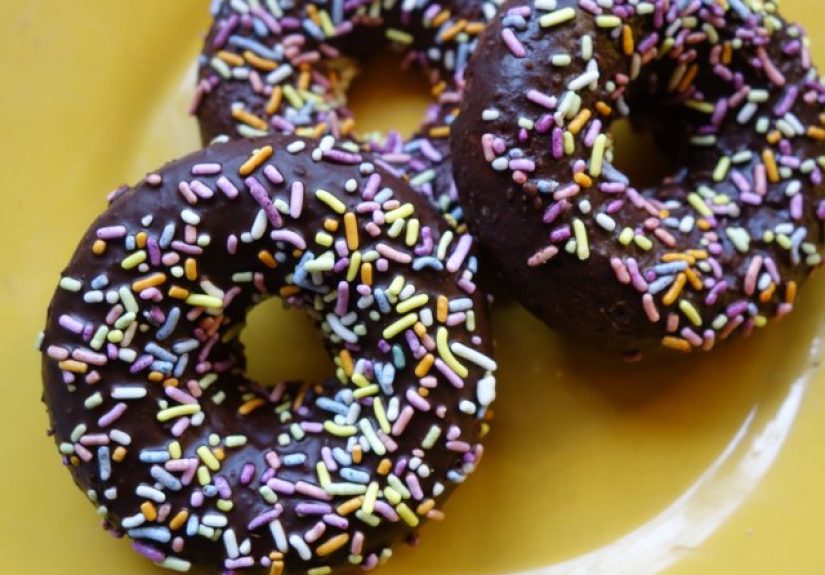
Chocolate-Coated Coconut Flour Donuts
eHow’s version tops coconut flour donuts with a chocolate coating
perfect for anyone who wants something that feels like a bakery treat while still being gluten-free and low-carb.
A basic chocolate glaze can be made from:
- Unsweetened cocoa powder
- Powdered erythritol or a powdered low-carb sweetener
- Heavy cream or coconut cream
- Vanilla extract
Whisk until smooth, dip cooled donuts, and let the glaze set on a rack.
Cinnamon “Sugar” Donuts
Cinnamon sugar donuts were practically invented for low-carb swaps. Mix granulated low-carb sweetener
with ground cinnamon and toss warm donuts in the mixture. Baked keto cinnamon donuts typically use this
approach for a cozy, fall-friendly flavor.
Fun Toppings and Finishes
Try:
- Chopped nuts or unsweetened coconut flakes for crunch.
- Low-sugar dark chocolate drizzle.
- “Powdered sugar” dusting using powdered erythritol.
- Flavor twists like orange zest, espresso powder, or pumpkin spice in the batter.
How Low-Carb Are These Donuts Really?
Carbs vary by recipe, but most baked keto donuts clock in around
1–3 grams net carbs per donut, especially when using almond flour and
low-carb sweeteners. For example, some popular recipes report roughly:
- About 2–3g net carbs per standard-size almond flour donut.
- Roughly 1g net carb per mini donut in some sugar-free recipes.
If you’re tracking macros closely, plug your exact ingredients and serving sizes into a nutrition
calculator. Sweetener blends, chocolate coatings, and toppings can change the carb count more than you’d think.
Troubleshooting Gluten-Free Low-Carb Donuts
First batch not bakery-worthy? It happens. Here’s how to fix the most common problems.
Problem: The Donuts Are Dry or Crumbly
Possible causes:
- Too much coconut flour or not enough liquidremember, coconut flour is extremely absorbent.
- Overbaking. Low-carb donuts don’t always brown deeply; they may be done before they look “golden.”
Fix it by:
- Reducing coconut flour slightly and increasing eggs or milk.
- Checking doneness a few minutes earlier than a traditional donut recipe.
Problem: The Texture Is Too Dense
Almond flour and low-carb sweeteners naturally yield a denser crumb, but extreme density usually means:
- Too little leavening (baking powder/soda).
- Overmixing the batter.
- Using a heavy flour blend without enough eggs or liquid.
Try adding a bit more baking powder, another egg, or a splash more almond milk. Avoid vigorous mixing once you add the dry ingredients.
Problem: The Sweetener Crystallizes or Feels Gritty
Erythritol and some blends can recrystallize as donuts cool, especially in glazes.
To fix it:
- Use powdered sweetener instead of granulated in glazes.
- Consider blends designed for baking that reduce cooling/grittiness.
Serving, Storage, and Meal-Prep Tips
One of the perks of gluten-free, low-carb donuts is how well they fit into a weekly prep routine.
- Short-term storage: Keep baked donuts in an airtight container at room temperature
for up to 2 days, or in the fridge for 4–5 days. - Freezing: Freeze unfrosted donuts in a single layer, then transfer to a freezer bag.
Thaw at room temperature and glaze or coat just before serving. - Reheating: Briefly warm in a low oven or toaster oven to revive texture.
Avoid microwaving for too long, which can make them rubbery.
Serve them alongside coffee, herbal tea, or unsweetened almond milk, and you’ve got a breakfast
(or dessert) that feels indulgent but still fits your eating plan.
of Real-Life Experience with Gluten-Free Low-Carb Donuts
Here’s the honest truth: the first time most people make gluten-free, low-carb donuts, they’re expecting
a perfect Krispy Kreme clone… and then they’re mildly offended when the donut behaves like a health food.
The trick is going in with realistic expectationsand knowing a few insider tricks from people who bake these
all the time.
The first big “aha” moment usually comes from texture. Traditional donuts get their signature chew and stretch
from gluten. With almond and coconut flour, you’re playing in a different league. The texture lands somewhere between
a tender muffin and a cake donut. The eHow-style coconut flour donuts, for example, come out looking almost sponge-like
right after baking, then settle into a denser, cake-like crumb once they cool fully. If you try to judge them hot out
of the oven, you’ll swear something went wrong. Let them cool, walk away, and come back when you’re slightly less impatient.
Sweetness is another learning curve. If you’re used to full-sugar bakery donuts, a donut sweetened with monk fruit and
erythritol will taste a little less “in-your-face.” For a lot of people, that’s actually a good thing.
Once your taste buds adjust to lower-sugar desserts, regular donuts can taste aggressively sweet.
But in the early days, don’t be afraid to bump the sweetener up slightly (while still staying within recipe guidelines)
until you find your happy place.
Many home bakers also discover that toppings are the secret weapon. A basic almond or coconut flour donut is like a blank canvas.
A glossy chocolate glaze, a generous sprinkle of chopped nuts, or a dusting of cinnamon “sugar” can transform a simple donut into
something that feels special enough for a weekend brunch spread. If you ever feel underwhelmed by the base donut, try upgrading the topping
before you give up on the recipe entirely.
Another real-world lesson is that these donuts are surprisingly filling. Traditional donuts can disappear in two bites and
leave you hungry an hour later. Gluten-free, low-carb donuts made with almond flour, eggs, and healthy fats are more satisfying.
You might find that one donut with coffee keeps you full until lunch, especially if the recipe leans on protein-rich ingredients
like cottage cheese or Greek yogurt. That makes them handy not just as a treat but as a strategic breakfast option when you
want something fun that doesn’t wreck your energy for the day.
People who bake these regularly also tend to keep a few tools and ingredients on standby: a nonstick donut pan, a good-quality
1:1 baking sweetener, and a stash of almond or coconut flour. Once those are in the pantry, whipping up a batch becomes almost as
routine as making muffins. Some even bake double batches and freeze them in portions, so “I don’t have time for breakfast” becomes
a weaker excuse.
Finally, there’s the emotional side of it: for someone who can’t eat gluten or who needs to watch carbs closelybecause of diabetes,
insulin resistance, or a low-carb lifestylebeing able to sit down with a donut again feels oddly powerful.
It’s not just about dessert; it’s about being able to join the donut box moment with everyone else, without the
“I’ll just watch” feeling. When a gluten-free, low-carb donut tastes good enough that nobody at the table complains,
that’s a quiet little victory worth celebrating.
So yes, there may be a failed batch or two. There might be some experimenting with sweeteners and bake times.
But once you dial in a recipe that works in your kitchen, you’ll have a go-to treat that respects your health goals,
keeps your blood sugar calmer, and still makes the house smell like a bakery. That’s exactly the balance
gluten-free, low-carb donutslike the ones inspired by eHow’s recipeare meant to strike.