Table of Contents >> Show >> Hide
- What Exactly Is Root Beer?
- Is Homemade Root Beer Safe?
- Tools and Ingredients You’ll Need
- How to Make Root Beer in 12 Simple Steps
- Step 1: Clean and Sanitize Your Bottles
- Step 2: Measure Your Water
- Step 3: Add Sugar and Optional Flavor Boosters
- Step 4: Remove from Heat and Add Root Beer Extract
- Step 5: Add the Remaining Water and Cool
- Step 6: Activate the Yeast
- Step 7: Combine the Yeast with the Root Beer Base
- Step 8: Bottle the Root Beer
- Step 9: Let It Ferment at Room Temperature
- Step 10: Refrigerate to Stop Fermentation
- Step 11: Serve and Enjoy
- Step 12: Store Safely and Adjust for Next Time
- Quick Dry-Ice Root Beer (No Yeast, Same-Day Soda)
- Frequently Asked Questions About Homemade Root Beer
- 500+ Words of Real-World Root Beer Experience (a.k.a. Lessons Learned the Foamy Way)
If you’ve ever sipped a frosty mug of root beer and thought, “I could totally make this at home,” you’re absolutely right. Homemade root beer is part kitchen science experiment, part nostalgia, and 100% delicious when you get it right. Whether you’re channeling old-timey soda fountains or just want a fun weekend project, learning how to make root beer in 12 simple steps is easier than it sounds.
In this guide, we’ll walk through a safe, modern way to make root beer using root beer extract (no banned sassafras oil, promise), plus tips from homebrewers, fermentation fans, and soda nerds across the United States. You’ll end up with a fizzy, foamy, caffeine-free soft drink that tastes like childhood in a glass.
What Exactly Is Root Beer?
Root beer is a sweet, foamy soft drink that originated in North America. Traditionally, it was made by brewing roots and herbs such as sassafras, sarsaparilla, wintergreen, birch bark, licorice root, and more. Over time, it evolved from a low-alcohol “small beer” into the non-alcoholic soda you find in cans and on tap today. Modern commercial root beer is usually caffeine-free, sweet, and heavily carbonated, with a caramel-brown color and frothy head.
Because safrole, a compound in sassafras oil, was found to be carcinogenic in high doses, the U.S. Food and Drug Administration banned its use in foods decades ago. That’s why most store-bought and homemade recipes today rely on sassafras-free extracts or artificial flavorings that mimic that classic taste. That’s good news for you: it’s easier, safer, and more consistent to use extract than to forage in the woods for mystery roots.
Is Homemade Root Beer Safe?
Yeswhen you follow a modern recipe and basic food-safety rules. Here are a few key points before you start:
- Skip real sassafras oil: Use commercial root beer extract labeled “safrole-free” or “FDA compliant.” This is standard in U.S. grocery stores and online.
- Watch fermentation time: Yeast-fermented root beer produces a tiny amount of alcohol and lots of carbon dioxide. Short fermentation (about 12–48 hours) followed by refrigeration keeps alcohol content low and prevents exploding bottles.
- Use plastic bottles if you’re new: Plastic soda bottles are more forgiving than glass. When they feel very firm to the touch, they’re ready to chill.
- Refrigerate promptly: Once carbonated, keep bottles cold to slow fermentation. Don’t leave them at room temperature for days on end.
Follow the steps below and you’ll be well within the range of what homebrewers and family cooks have safely done for generations.
Tools and Ingredients You’ll Need
Basic Equipment
- Large pot (at least 4–5 quarts)
- Measuring cups and spoons
- Food-safe funnel
- Whisk or long spoon
- Clean plastic soda bottles with caps (1- or 2-liter size), or swing-top bottles if you’re experienced
- Optional: thermometer (helpful but not required)
Core Ingredients (Yeast-Fermented Version)
- 1 gallon (about 4 liters) filtered or good-tasting tap water
- 1 1/2 to 2 cups granulated sugar (adjust for sweetness)
- 2–3 tablespoons root beer extract (check the label for recommended amounts)
- 1/8 to 1/4 teaspoon dry yeast (champagne, ale, or bread yeast all work in small quantities)
Optional Flavor Boosters
- 1–2 teaspoons vanilla extract for extra creaminess
- A pinch of ground ginger or a slice of fresh ginger root
- A pinch of cinnamon or a small piece of cinnamon stick
- A tablespoon of molasses or brown sugar for deeper caramel notes
Quick No-Yeast Version (for Same-Day Root Beer)
If you want instant gratification, you can skip yeast and use dry ice to carbonate:
- 4 quarts cold water
- 2–3 cups sugar
- 3 tablespoons root beer extract
- 1–2 pounds food-grade dry ice, broken into chunks
We’ll focus on the yeast method for the main 12-step process, then briefly cover the dry-ice version afterward.
How to Make Root Beer in 12 Simple Steps
Step 1: Clean and Sanitize Your Bottles
Picture 1: A row of sparkling bottles on your counter, ready for action. That’s your starting line.
Wash all bottles, caps, and tools in hot, soapy water, then rinse thoroughly. If you have a brewing sanitizer, use it according to directions. If not, a quick rinse in very hot water is much better than nothing. Clean gear = fewer off-flavors and less risk of funky microbes joining the party.
Step 2: Measure Your Water
Pour about half your water (roughly 2 quarts of the 1 gallon) into a large pot. Keep the remaining water cold in a pitcher or jug. Using a mix of hot and cold water will help you reach a safe yeast-friendly temperature faster later on.
Step 3: Add Sugar and Optional Flavor Boosters
Add your sugar to the pot of water. If you’re using molasses, brown sugar, or spices like cinnamon or ginger, add them now too. Bring the mixture just to a gentle simmer while stirring to dissolve the sugar completely. You don’t need a rolling boil; you’re mostly warming and dissolving.
This sweet syrup is your root beer “base,” the same idea behind what commercial soda makers use, just made right in your kitchen instead of in a giant factory vat.
Step 4: Remove from Heat and Add Root Beer Extract
Turn off the heat and let the hot syrup sit for a minute or two. Then stir in your root beer extract and vanilla extract (if using). Always check the label: some extracts are stronger than others, so the recommended amount may vary. Start with the label amount; you can tweak it next time if you want more or less flavor.
Step 5: Add the Remaining Water and Cool
Pour the remaining cold water into the pot. This helps bring the temperature down quickly. Stir everything well. You want the liquid to be about lukewarmroughly 70–80°F (21–27°C). If you dip a clean finger in, it should feel warm but not hot.
If the mixture is too hot, it can kill your yeast. Too cold, and the yeast will be sluggish and won’t carbonate your root beer properly. Lukewarm is your sweet spot.
Step 6: Activate the Yeast
In a small cup, add 2–3 tablespoons of lukewarm water and your 1/8 to 1/4 teaspoon of dry yeast. Stir gently and let it sit for 5–10 minutes until it looks a bit creamy or foamy. This step “wakes up” the yeast and gives you confidence it’s alive and ready to work.
Yes, the amount of yeast is tiny. That’s intentional. You’re carbonating soda, not brewing a strong beer.
Step 7: Combine the Yeast with the Root Beer Base
Once the root beer base is comfortably lukewarm, pour the yeast mixture into the pot and stir gently. Don’t whisk aggressivelyyou’re not trying to create a foam party just yet. Just mix enough so the yeast is evenly distributed.
Step 8: Bottle the Root Beer
Using a funnel, carefully pour the root beer mixture into your clean bottles, leaving about 1–2 inches of headspace at the top of each bottle. This air gap gives carbon dioxide room to build pressure and dissolve into the liquid.
Screw caps on tightly. Double-check each bottlethis is not the time for “good enough.” Loose caps mean flat root beer; tight caps mean delightful fizz.
Step 9: Let It Ferment at Room Temperature
Place the bottles at room temperature, out of direct sunlight. Ideal temperature is around 68–75°F (20–24°C). Too cold, and fermentation will crawl. Too hot, and your yeast might misbehave.
Check the bottles periodically by gently squeezing them. At first they’ll feel soft and squishy. As the yeast turns sugar into carbon dioxide, the bottles will become firmer. Depending on temperature and yeast activity, this can take anywhere from 12 to 48 hours.
Safety check: When bottles feel quite firmlike a new plastic soda bottle from the storeit’s time to move to the next step. Don’t ignore very hard bottles; that’s your hint they’re impatient to explode if you leave them warm for days.
Step 10: Refrigerate to Stop Fermentation
Once bottles are firm and nicely carbonated, move them to the refrigerator. Cold temperatures slow the yeast almost to a halt, keeping alcohol levels low and preventing more pressure from building.
Let the root beer chill for at least 12 hours, or overnight for best flavor. The bubbles will settle in, and the drink will taste smoother and more integrated.
Step 11: Serve and Enjoy
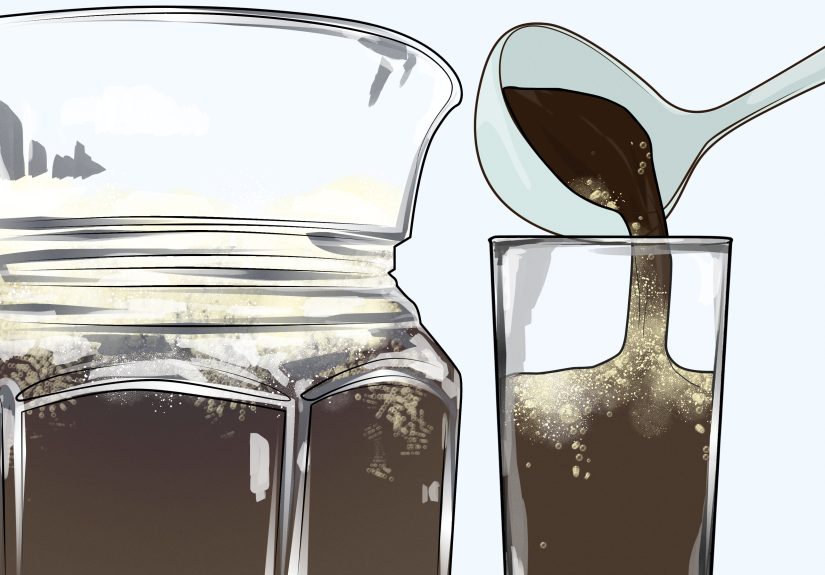
Time for the fun part. Carefully open a chilled bottle over the sinkjust in case your carbonation is extra enthusiastic. Pour into a frosty glass and admire the foamy head.
Want to go full soda-fountain retro? Serve your homemade root beer over vanilla ice cream to make classic root beer floats. Add a stripey straw and you’re basically running your own 1950s diner at this point.
Step 12: Store Safely and Adjust for Next Time
Keep all remaining bottles in the fridge. If a bottle feels very hard after a few days, you can “burp” it by loosening the cap for a second to release a bit of pressure, then tightening it again.
As you taste your first batch, take notes:
- Too sweet? Cut the sugar slightly next time.
- Too mild? Add a bit more extract.
- Not fizzy enough? Let it ferment a little longer before chilling.
Homemade root beer is extremely tweakable, and half the fun is dialing in your favorite flavor and fizz level.
Quick Dry-Ice Root Beer (No Yeast, Same-Day Soda)
If you’re making root beer for a party today and don’t want to wait on yeast, you can carbonate with dry ice. The method is simple:
- In a large, open container (never sealed), mix cold water, sugar, and root beer extract until dissolved.
- Using tongs and gloves, add small chunks of food-grade dry ice to the mixture. It will bubble, fizz, and smoke dramaticallythis is your showstopper moment.
- Stir occasionally until the dry ice is mostly gone and the root beer is chilled and carbonated.
- Once the bubbling stops and no solid dry ice remains, serve immediately.
Important safety note: never seal dry ice in a closed bottle and never drink while chunks of dry ice remain in the liquid. Wait until it’s fully dissolved.
Frequently Asked Questions About Homemade Root Beer
Does Homemade Root Beer Contain Alcohol?
Yeast-fermented root beer typically contains a very low level of alcohol, usually comparable to or lower than naturally fermented foods (like some breads or kombucha) when chilled promptly. The longer it ferments at room temperature, the higher the alcohol content can become. If you’re serving children, pregnant people, or anyone avoiding alcohol, aim for the shortest fermentation time that still gives good fizz and refrigerate quickly.
Can I Use Glass Bottles?
You can, but beginners should stick to plastic soda bottles because they’re much less likely to shatter if over-carbonated. If you do use glass, monitor closely, ferment for less time, and refrigerate as soon as you see strong carbonation.
Can I Make Root Beer Without Yeast or Dry Ice?
Yes. You can make a still (non-carbonated) root beer syrup and mix it with club soda or seltzer water right before serving. Just prepare the flavored syrup, chill it, and then combine with sparkling water to taste.
500+ Words of Real-World Root Beer Experience (a.k.a. Lessons Learned the Foamy Way)
Every homemade root beer recipe looks tidy on paper: heat some water, stir in sugar and extract, add yeast, wait, chill, enjoy. In practice, it’s a little more chaoticand honestly, that’s what makes it memorable.
Most people’s first batch teaches them the same two big lessons:
- Yeast is powerful.
- Plastic bottles are your friend.
It’s incredibly easy to underestimate how quickly yeast can crank out carbon dioxide. Many homebrewers have a story about that one fateful batch that sat on the counter “just one more day” and turned their kitchen into a sticky root beer art installation. That’s why the squeeze test on plastic bottles is so useful. Once a bottle feels like a store-bought soda and you can barely dent it, it’s ready for the fridge.
Another real-world insight: sweetness and flavor are more personal than you think. If you ask five people what “real” root beer tastes like, you’ll hear at least six different opinions. Some want a strong wintergreen note, some love a deep molasses backbone, some want it light and vanilla-forward like a root-beer-flavored cream soda. The first batch you make is your baseline. From there, you can lower the sugar, punch up the extract, add a hint of ginger, or sneak in a spoonful of brown sugar for a toasted, caramel vibe.
Home cooks also quickly discover that water quality matters. If your tap water has a strong chlorine or metallic taste, your root beer will pick it up. Using filtered or spring water can make the difference between “This tastes like childhood” and “This tastes like the pool.” If you’re not sure, do a side-by-side taste test: a glass of plain tap water vs. your filtered water. Whichever you’d rather drink plain is the one you should trust for root beer.
For families, homemade root beer tends to become an event rather than just a drink. Kids love watching the yeast wake up, the bottles firm up, and the foam rise when you finally pour it. It’s a kid-friendly introduction to fermentation and food science, and it feels a lot more magical than buying a 12-pack at the store. Adding the “with pictures” elementsnapping photos at each stepturns it into its own little DIY project page, wikiHow-style. Start with a photo of the ingredients lined up, then one of the bubbly pot, the filled bottles, the first foamy pour, and finally, the proud taste-test crew with mustaches of foam.
Another common lesson: fermentation timing is not a stopwatch, it’s a spectrum. On a warm summer day, bottles may firm up in 12 hours or less. On a cooler fall weekend, the same recipe might take 24–36 hours to reach the same pressure. That’s why using your hands to check bottle firmness works better than relying on the clock alone. Your yeast doesn’t care what the recipe “said” should happenit cares about temperature and sugar.
Many homebrewers eventually explore more traditional, root-based recipes with herbs like sarsaparilla, licorice root, birch bark, and ginger. If you head in that direction, it’s even more important to stick to trusted recipes and avoid using banned or unsafe ingredients. Today’s safrole-free extracts exist for a reason: you get the classic flavor without the health risks. Think of roots and herbs as optional flavor sidekicks, not mandatory leads.
Finally, there’s the best “experience tip” of all: plan your first batch around a moment. Make root beer for a backyard cookout, a movie night, a birthday party, or a holiday gathering. Tell people you made it from scratch, and watch their eyes light up. Serve it in frosty mugs, set out ice cream for floats, and put your most photogenic bottle front and center. By the end of the night, someone will ask for your recipeand you’ll be able to say, “It’s easy, it’s just 12 steps,” because now you’ve actually lived them.
Is homemade root beer slightly more effort than grabbing a bottle off the shelf? Sure. But the moment you hear that first fizzy hiss from a bottle you carbonated yourself, it suddenly feels absolutely worth it.