Table of Contents >> Show >> Hide
- What Is Lutein (and Why Does Your Eye Care Team Love It)?
- Health Benefits of Lutein
- 1) Supports Macular Health and Helps Lower Risk of AMD Progression
- 2) Acts Like a Blue-Light Filter (and an Antioxidant Bouncer)
- 3) May Improve Visual Performance Measures (Contrast, Glare, Visual Comfort)
- 4) Skin Health: A “Nice Bonus” Category
- 5) Cognitive Health: Early Evidence, Not a Miracle Pill
- How Much Lutein Do You Need?
- Top Food Sources of Lutein (Plus How to Actually Eat Them)
- Approximate Lutein + Zeaxanthin in Common Foods
- How to Boost Lutein Absorption (Without Overthinking It)
- Should You Take a Lutein Supplement?
- Lutein-Rich Meal Ideas (So You Don’t Get Bored on Day 2)
- Real-World Experiences: What Getting More Lutein Looks Like (About )
- Conclusion
Lutein is one of those nutrition nerd celebrities that doesn’t get followed by paparazziyet it probably should. It’s a plant pigment (a carotenoid) that your body can’t make on its own, but your eyes (especially the retina) are basically like, “Yes, hello, we’ll take all of that you’ve got.” If you’ve ever wondered why every eye-health article seems to yell “EAT YOUR LEAFY GREENS,” lutein is one of the big reasons.
In this guide, we’ll break down what lutein does, what the science actually supports (and what’s still “interesting, but not married yet”), how to get more lutein from everyday foods, and when supplements make sensewithout turning the article into a lecture that smells like chalk dust.
What Is Lutein (and Why Does Your Eye Care Team Love It)?
Lutein is a yellow-orange antioxidant compound found in many plants. It often travels with its bestie zeaxanthin, and together they’re known as “macular carotenoids” because they concentrate in the maculathe part of the retina responsible for sharp, central vision (think reading street signs, not bumping into the coffee table, and recognizing your friend across the room).
Inside the eye, lutein helps form macular pigment, which functions a bit like built-in sunglasses: it can filter certain wavelengths of visible blue light and helps manage oxidative stress. In plain English: it’s part of your eye’s natural defense system against wear-and-tear from light exposure and normal aging.
Health Benefits of Lutein
1) Supports Macular Health and Helps Lower Risk of AMD Progression
The strongest, most consistent research around lutein centers on age-related macular degeneration (AMD). AMD is a leading cause of vision loss in older adults, and it’s exactly the scenario where researchers have put lutein under the brightest microscope (pun absolutely intended).
Large clinical studies of nutrition for eye diseaseespecially the AREDS2 researchsupport specific supplement formulas for people with intermediate AMD or advanced AMD in one eye. The key nuance: these formulas are designed to reduce the risk of progression, not to prevent AMD from ever starting. If you already have risk factors or early disease, the right nutrient combo can matter; if you’re 22 and your biggest eye problem is forgetting to blink during Zoom calls, your plan is mostly “eat well and live like a human.”
One important safety note from this research world: people who currently smoke or used to smoke are generally advised to avoid formulas that include beta-carotene (which has been linked to increased lung cancer risk in smokers). AREDS2-style formulas use lutein/zeaxanthin instead of beta-carotene for that reason.
2) Acts Like a Blue-Light Filter (and an Antioxidant Bouncer)
Lutein helps form macular pigment that can absorb some blue light in the visible spectrum. Meanwhile, as an antioxidant, it can help neutralize reactive molecules (free radicals) that otherwise contribute to cellular stress. Your retina is metabolically busy tissuetranslation: it’s a place where oxidative stress can pile up if defenses are weak.
Will lutein magically erase “screen fatigue” if you’re up at 1 a.m. doomscrolling with your brightness set to “supernova”? No. But lutein is one evidence-based piece of an overall eye-health strategy that includes sleep, breaks, and not treating your eyeballs like they’re rechargeable batteries.
3) May Improve Visual Performance Measures (Contrast, Glare, Visual Comfort)
Research reviews and clinical studies have explored whether increasing lutein (often alongside zeaxanthin) can influence measures like contrast sensitivity, glare recovery, and subjective “visual comfort.” The results vary depending on the population and baseline diet, but the overall pattern is promising enough that many eye-health resources talk about lutein not just for disease risk, but also for day-to-day visual performance.
Think of it like upgrading your phone camera: you might not notice in perfect daylight, but in low light or glare-heavy conditions, better contrast can be a real quality-of-life win.
4) Skin Health: A “Nice Bonus” Category
Yes, lutein shows up in skin research too. Because the skin also deals with oxidative stress (hello, sunlight), antioxidants like lutein have been studied for their potential role in supporting skin hydration, elasticity, and resilience to UV-induced stress. The evidence here is not as ironclad as the eye-health data, but it’s a credible “bonus” areaespecially when lutein comes from a colorful, produce-rich diet that supports skin in about 47 other ways.
5) Cognitive Health: Early Evidence, Not a Miracle Pill
Lutein is present in brain tissue, and some observational and emerging clinical research explores whether higher lutein status correlates with aspects of cognitive performanceparticularly as we age. This is an active research area, and it’s best framed as “potentially supportive” rather than “take lutein and instantly remember where you left your keys.” (Although if that study drops, the entire world will subscribe.)
How Much Lutein Do You Need?
There’s no official daily value (DV) or recommended dietary allowance (RDA) for lutein. That doesn’t mean it’s unimportantit just means nutrition science hasn’t set a formal target the way it has for vitamin C or calcium.
In research on eye health, supplemental amounts often land around 10 mg/day of lutein (frequently paired with 2 mg/day of zeaxanthin)numbers you’ll commonly see discussed in eye-health contexts. But your ideal intake depends on your diet, overall health, and whether you have an eye condition like AMD.
Food-first is the default. For people with intermediate AMD (or advanced in one eye), clinicians may recommend an AREDS2-style supplement approach. For everyone else, aiming for lutein-rich foods most days is a smart, low-risk strategy.
Top Food Sources of Lutein (Plus How to Actually Eat Them)
Lutein lives mostly in plant foodsespecially dark leafy greens. It also appears in a few surprise places (hello, pistachios and egg yolks). Here’s the practical truth: you don’t need a PhD or a blender that costs more than your rent. You need consistency and a little culinary strategy.
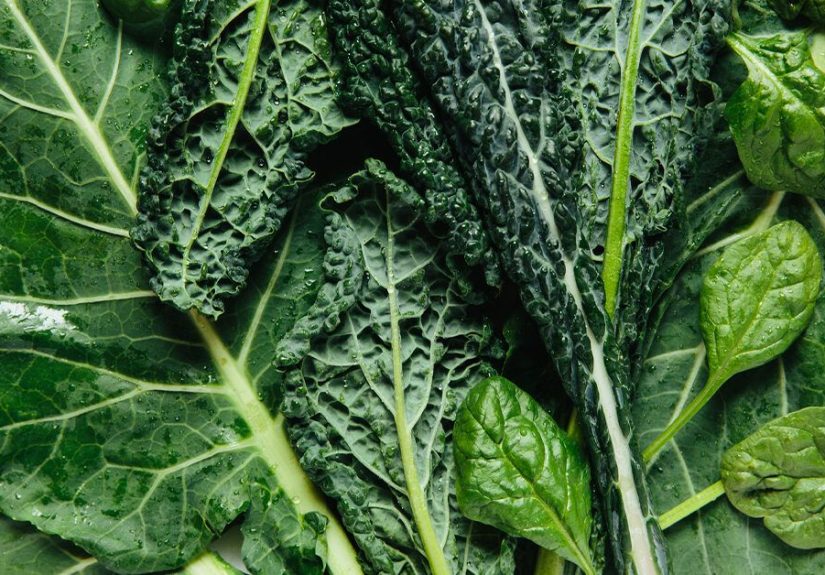
Leafy Greens: The Lutein Heavyweights
- Spinach (raw or cooked)
- Kale
- Collard greens
- Swiss chard
- Turnip greens
How to eat them without suffering: sauté spinach in olive oil with garlic; toss kale into soups; blend greens into smoothies with frozen fruit; or “hide” chopped greens in pasta sauce, chili, or omelets. Your taste buds adapt faster than you think.
Bright Vegetables and Other Strong Sources
- Green peas
- Broccoli
- Zucchini
- Brussels sprouts
- Corn (also notable for zeaxanthin)
- Pumpkin and certain squashes
These foods are especially helpful for people who can’t make peace with kale (it’s okay; kale can be emotionally intense).
Egg Yolks: Lower Amount, Higher Absorption
Egg yolks contain lutein and zeaxanthin, and even though the absolute amount may be lower than a bowl of greens, the carotenoids in eggs are often more bioavailable because they come with fatthe thing your body needs to absorb these compounds efficiently.
Try this: an egg-and-spinach scramble, a veggie frittata, or a hard-boiled egg chopped into a salad. You get lutein plus a protein boost, and suddenly lunch feels like a plan instead of a panic.
Nuts and Extras
- Pistachios (a snackable source that feels suspiciously like a loophole)
- Avocado (pairs well with greens and helps absorption)
- Kiwi and other fruits (smaller contributions, still helpful)
Approximate Lutein + Zeaxanthin in Common Foods
Amounts vary by variety, freshness, and preparation. The numbers below are rough, practical estimates to help you compare foodsnot a reason to start weighing spinach leaves on a jewelry scale.
| Food (Typical Serving) | Approx. Lutein + Zeaxanthin | Easy Ways to Use It |
|---|---|---|
| Spinach, raw (1 cup) | ~3–4 mg | Salads, smoothies, quick sauté |
| Kale (1 cup, chopped; raw or lightly cooked) | ~3–6 mg (can be higher cooked) | Soups, chips, sauté with olive oil |
| Green peas (1 cup) | ~3–4 mg | Stir into pasta, rice bowls, salads |
| Broccoli (1 cup) | ~1–2 mg | Roast, steam, add to stir-fries |
| Corn (1 cup) | ~0.5–1 mg | Tacos, salads, bowls (great with avocado) |
| Egg yolk (1 large yolk) | ~0.1–0.3 mg (highly absorbable) | Scramble with greens; top salads |
| Pistachios (1 oz) | ~0.2–0.6 mg | Snack; sprinkle on yogurt or salads |
How to Boost Lutein Absorption (Without Overthinking It)
Lutein is fat-soluble, meaning your body absorbs it better when you eat it with dietary fat. Good news: this is the rare nutrition tip that tastes good.
- Add healthy fats: olive oil, avocado, nuts, seeds, or eggs alongside greens.
- Cook smart: lightly cooking leafy greens can make them easier to eat in larger volumes (and may improve access to carotenoids).
- Be consistent: lutein intake works best as a habit, not a one-time “green cleanse” event.
Should You Take a Lutein Supplement?
Most people can get meaningful lutein from food. Supplements become more relevant in a few situations:
When Supplements May Make Sense
- Intermediate AMD (or advanced AMD in one eye): clinicians often recommend an AREDS2-style formula.
- Low vegetable intake due to access, preferences, or digestive limitations.
- Higher risk due to age, family history, or other factorsafter discussing with a healthcare professional.
Safety Notes
- Food sources are very safe for essentially everyone.
- Supplement safety is generally good at commonly used doses, but more is not automatically better.
- Smokers/former smokers: avoid beta-carotene–containing eye formulas; ask your clinician about AREDS2-style options.
- If you’re pregnant, nursing, managing a chronic condition, or taking medications, talk with your clinician before starting supplements.
Lutein-Rich Meal Ideas (So You Don’t Get Bored on Day 2)
Breakfast
- Spinach-and-egg scramble cooked in olive oil
- Greek yogurt topped with pistachios + kiwi
- Smoothie: frozen mango + spinach + avocado + milk of choice
Lunch
- Kale salad with roasted chickpeas, avocado, and lemon-olive oil dressing
- Turkey sandwich with spinach instead of lettuce (yes, it works)
- Leftover veggie frittata with a side of fruit
Dinner
- Roasted broccoli + salmon + quinoa bowl (add corn for extra color)
- Pasta with peas, spinach, garlic, and parmesan
- Stir-fry with kale, zucchini, eggs or tofu, and sesame oil
Real-World Experiences: What Getting More Lutein Looks Like (About )
Let’s make this practical. Not “perfect,” not “Pinterest,” but real-life, “I have meetings and laundry” practical. Below are a few experience-style scenarios (fictional composites) that mirror what many people run into when they try to improve lutein intake for eye health.
The “Screen-All-Day” Worker
Jordan works in marketing and spends 9–10 hours a day staring at a monitor, followed by an evening “decompression” ritual that suspiciously resembles more screen time. Jordan’s goal isn’t to become a spinach influencer; it’s to feel less visually fried by 4 p.m. The easiest win is adding lutein-rich foods that require minimal lifestyle disruption: a lunchtime salad that includes spinach plus olive oil dressing, and a two-egg breakfast a few days per week. After a couple of weeks, Jordan notices the biggest change isn’t magical super-visionit’s that meals feel more steady, and the afternoon slump is less dramatic. The eye comfort benefits may be subtle, but the habit is sustainable, and that’s the point.
The “I Don’t Like Greens” Honest Person
Sam is upfront: kale tastes like punishment. So Sam starts with peas, broccoli, corn, and zucchinifoods that feel friendly. Dinner becomes a rotation of roasted broccoli and corn tacos with avocado. Then comes the stealth move: blending a small handful of spinach into a mango smoothie. Sam can’t taste it (victory), and suddenly spinach is allowed in the house. A month later, Sam still doesn’t “love greens,” but intake is higher than before, which is what the body cares about.
The “Eye Doctor Mentioned AMD” Wake-Up Call
María has a family history of AMD and recently heard the words “keep an eye on it” during an appointment. That phrase lands like a tiny alarm bell. María doesn’t panic-buy 14 supplements; instead, she builds a food routine: spinach omelets twice a week, kale in soups, and a “green side dish” rule at dinner (even if it’s just sautéed spinach with garlic). She also asks her clinician whether an AREDS2-style supplement is appropriate now or only if the condition progresses. The biggest emotional shift is feeling proactive rather than helplessbecause changes in diet are something she can control.
The “I Travel / I’m Busy / I Forget” Reality
Then there’s Taylor, who travels a lot and eats like a person whose kitchen is mostly decorative. Taylor’s strategy is convenience: pre-washed greens, frozen broccoli, and pistachios. At restaurants, Taylor aims for one lutein move per mealadd a side of broccoli, order a salad with spinach, or choose an omelet with vegetables. The experience here is that “good enough” beats “never.” Over time, Taylor’s default choices improve, even without a perfect routine.
The theme across these experiences is simple: lutein isn’t a one-time rescue mission. It’s a quiet, repeating habitlike brushing your teeth, but for your macula.
Conclusion
Lutein earns its reputation because the science around eye healthespecially macular support and AMD progression risk reduction in the right contextis stronger than most nutrition hype. You don’t need to memorize milligrams or treat salad like a religion. Start by adding one lutein-rich food per day: spinach, kale, peas, broccoli, corn, or eggs. Pair those foods with healthy fats to help absorption, and you’ve built a realistic, evidence-aligned strategy that supports your vision long-term.
If you have AMD or significant risk factors, talk with your eye care professional about whether an AREDS2-style formula makes sense for you. Otherwise, let food do the heavy liftingand let your grocery cart look like it’s auditioning for a colorful TV show.