Table of Contents >> Show >> Hide
- What Are Tolix Vintage Chairs?
- The Story Behind the Metal Legend
- Why Tolix Vintage Chairs Still Matter
- How to Style Tolix Vintage Chairs at Home
- How to Buy Authentic Tolix Vintage Chairs
- Vintage Tolix vs. Tolix-Style Reproductions
- Are Tolix Vintage Chairs Comfortable?
- How to Care for Tolix Vintage Chairs
- Who Should Buy Tolix Vintage Chairs?
- Experience Notes: Living With Tolix Vintage Chairs
- Conclusion
- SEO Tags
If you have ever walked into a stylish café, a loft apartment, a farmhouse kitchen, or the kind of dining room that makes you suddenly question your life choices and your current chairs, chances are you have seen a Tolix chair. Maybe you did not know its name. Maybe you just thought, “Ah yes, the cool metal chair that somehow looks both industrial and charming.” That is the one.
Tolix vintage chairs have earned icon status because they do something very few furniture pieces can pull off: they feel practical, collectible, and stylish at the same time. They are tough enough for busy cafés, beautiful enough for design lovers, and simple enough to work in homes that lean industrial, modern, rustic, French country, or somewhere in the delightful middle. In other words, they are the jeans-and-white-T-shirt of seatingonly made of metal and with much stronger opinions.
This guide breaks down what Tolix vintage chairs are, why they became famous, what makes authentic pieces special, how to style them, and what to know before buying. If you are hunting for real vintage Tolix chairs or just trying to understand why people get starry-eyed over galvanized steel, pull up a seat. Preferably a French one.
What Are Tolix Vintage Chairs?
Tolix vintage chairs are metal chairs inspired by or produced by Tolix, the French company associated with Xavier Pauchard and the now-famous Model A, often called the Marais A chair. The Tolix brand dates back to the late 1920s, and the chair that made the company legendary emerged in the 1930s before becoming a design classic for decades afterward.
What made these chairs different was not some fussy decorative detail. It was the marriage of smart engineering and clean design. Tolix chairs were made from galvanized steel or sheet metal, which made them rust-resistant, durable, and suitable for indoor and outdoor use. They were also stackable, relatively lightweight for metal furniture, and easy to maintain. That combination helped them move from practical public seating into the design hall of fame.
When people say “Tolix vintage chairs” today, they may mean original older chairs from France, later authentic Tolix production, or vintage-market pieces attributed to Xavier Pauchard and the Tolix workshop. In everyday decorating language, the term also influences a broader category of “Tolix-style chairs,” though collectors know there is a big difference between an original and a look-alike.
The Story Behind the Metal Legend
Xavier Pauchard changed the conversation
Xavier Pauchard was a metalworker, not a “celebrity designer” in the modern sense. He built his reputation through technical know-how, especially around galvanization, a process that protects steel from corrosion. That expertise mattered because it turned humble sheet metal into something more durable, more weather-friendly, and far more useful for everyday furniture.
Once Tolix was established, the brand began producing chairs, stools, and other metal furnishings that balanced function with visual clarity. The A chair became the breakout star. It was used in cafés, parks, hospitals, offices, and public settings because it was sturdy, stackable, and easy to live with. Good design sometimes begins with poetry. Other times it begins with, “Can this survive rain, people, and bad decisions?” Tolix managed both.
Why the design caught on
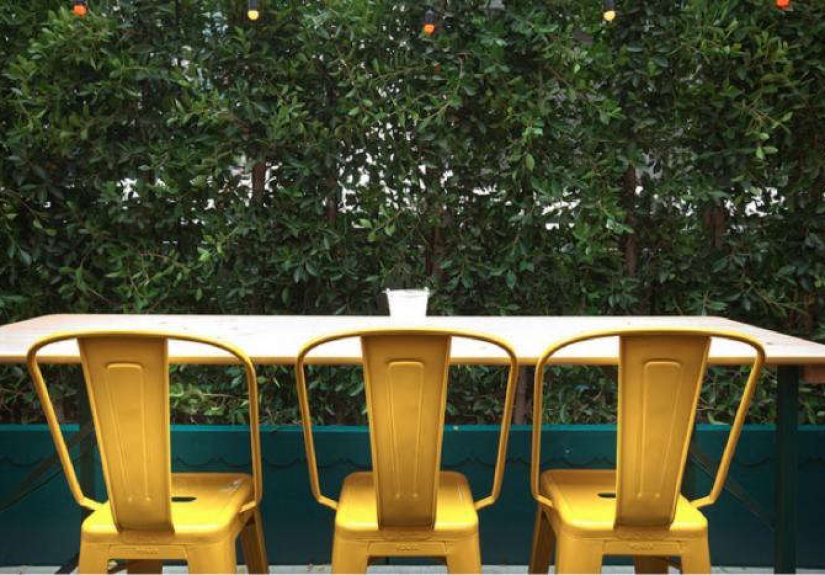
The silhouette is deceptively simple: a curved back, slim legs, a shaped metal seat, and a look that feels crisp without being cold. Some outdoor-ready versions feature perforations in the seat to let rainwater drain. That tiny detail says everything about the chair’s roots. It was not trying to be precious. It was trying to work.
And yet, workmanlike does not mean boring. Over time, Tolix chairs became beloved for their balance of utility and elegance. They found their way from French café terraces into modern interiors, design museums, and vintage collections. That kind of journey only happens when a chair is genuinely useful and visually memorable. Plenty of furniture can be one of those things. Very little manages both.
Why Tolix Vintage Chairs Still Matter
They age with character
One of the biggest reasons people love authentic Tolix vintage chairs is patina. On a mass-produced knockoff, chipped paint can look like a problem. On a vintage Tolix chair, it often looks like evidence of a life well lived. Original finish wear, softened edges, subtle scratches, and the natural variation of aged metal can add depth that brand-new furniture usually has to fake.
That is part of the appeal. Vintage Tolix chairs do not walk into a room trying to look perfect. They walk in with stories. Or at least they look like they have stories, which is almost as useful in interior design.
They fit almost everywhere
Tolix vintage chairs are design chameleons. In an industrial loft, they look native. In a farmhouse dining room, they bring contrast. In a French country kitchen, they add that bistro note people spend far too much money trying to fake with wall signs involving croissants. In a minimalist home, they offer texture without visual clutter.
Design editors and home tours keep returning to the same pairing for a reason: metal Tolix chairs with a warm wood table. The combination works because it balances hardness and warmth, utility and comfort, roughness and refinement. It is not revolutionary. It is just consistently effective.
They are genuinely practical
Some iconic chairs are gorgeous and inconvenient. Others are comfortable but visually sleepy. Tolix chairs built their reputation on durability, stackability, and easy maintenance. That is a huge part of their staying power. Even now, people are drawn to them because they look sharp without behaving like divas.
How to Style Tolix Vintage Chairs at Home
With reclaimed or rustic wood
This is the classic move. Put vintage Tolix chairs around a chunky wooden dining table and the room instantly feels grounded. The wood warms up the metal, while the metal keeps the wood from becoming too rustic or too cabin-core. It is one of the easiest ways to create a collected, designer-ish look without needing a trust fund.
In a kitchen nook or breakfast area
Tolix chairs shine in kitchens because they are visually light and easy to clean. A painted set can bring color to an otherwise neutral room, while galvanized or matte finishes keep the palette more understated. If you want a French café feeling, pair them with a round pedestal table, simple tableware, and the confidence to dramatically stir coffee for no reason.
On patios and covered outdoor spaces
Because the design’s roots are tied to durability and weather resistance, Tolix chairs feel especially at home outdoors. Vintage pieces need thoughtful care depending on condition, but the design language itself belongs naturally on terraces, porches, and garden dining setups.
As accent chairs beyond the dining room
One of the most overlooked things about Tolix vintage chairs is their flexibility. They can work as a desk chair, an entryway perch, a bedroom accent, or extra seating that can be pulled in when guests arrive. That is the beauty of an unfussy icon: it never looks like it is trying too hard.
How to Buy Authentic Tolix Vintage Chairs
Look for maker marks and origin clues
If authenticity matters to you, start with the basics. Trusted vintage-market guidance often points buyers toward an embossed Tolix logo and a clear “Made in France” mark. Those details do not replace good provenance, but they are useful checkpoints when you are sorting originals from imitations.
Study the finish, not just the shape
A lot of chairs copy the silhouette. Fewer capture the feel. Authentic vintage Tolix chairs tend to show convincing age: honest wear, layered paint, good proportions, and a finish that looks lived-in rather than artificially distressed. If a seller uses phrases like “Tolix-style,” “inspired by,” or “industrial café chair,” that usually means reproduction territory.
Ask practical questions
Before buying, ask about dimensions, repairs, repainting, rust, previous use, and whether the chairs still stack properly. Also ask whether the finish is original. Repainting is not always bad, but it changes collector value and the overall look. Some buyers want crisp refinished metal. Others want patina and old scars. Neither camp is wrong. They just should not accidentally buy each other’s chair.
Know what you are paying for
Authentic Tolix chairs and vintage examples usually cost more than generic reproductions because you are paying for design history, materials, brand value, and collectibility. If the price feels suspiciously low, it might be a great deal. It might also be a chair in costume.
Vintage Tolix vs. Tolix-Style Reproductions
This is where buyers need to be honest about their goals. If you want the look, there are many affordable Tolix-style chairs on the market. They can work well in busy homes, commercial spaces, or short-term projects. But if you want the story, the finish quality, the maker’s history, and the collectible factor, reproductions are not the same thing.
Vintage Tolix chairs often have more nuanced construction, more satisfying wear, and more emotional weight. Reproductions can still be useful, but they usually trade authenticity for convenience and price. Think of it as the difference between a vintage leather jacket and a new faux-vintage one. Both can look cool. Only one has actually survived bad weather and questionable music taste.
Are Tolix Vintage Chairs Comfortable?
This is the question everyone asks once they stop admiring the silhouette. The truthful answer is: comfortable enough, especially for dining and short-to-medium sitting sessions, but not lounge-chair comfortable. They were designed for active use, not all-day nesting.
The curved back helps, and many people add seat pads or cushions for longer meals. That said, part of the appeal is that they do not visually disappear under padding and fluff. They stay crisp. They stay honest. They remind you that a dining chair’s job is to support dinner, not become a nap trap.
How to Care for Tolix Vintage Chairs
Care depends on the age and finish of the piece, but the general rules are simple: clean gently, dry thoroughly, and avoid harsh products that can damage original paint or aged surfaces. If your chairs have beautiful patina, treat it like a feature, not a flaw to sand into oblivion.
For everyday upkeep, a soft cloth and mild cleaner usually do the trick. If a vintage piece shows active rust, unstable joints, or rough edges, it may be worth consulting a restoration professional. The goal is preservation, not overcorrection. A vintage Tolix chair should look lived-in, not dipped in regret and glossy enamel.
Who Should Buy Tolix Vintage Chairs?
Tolix vintage chairs make sense for people who want seating with personality and staying power. They are especially good for:
Design lovers who appreciate iconic furniture and industrial history.
Homeowners who want durable chairs that still look stylish years later.
Collectors who value authentic French metal furniture.
Decorators who need a chair that can bridge rustic, modern, industrial, and eclectic schemes.
Anyone tired of fragile dining chairs that wobble the moment someone enthusiastic sits down.
Experience Notes: Living With Tolix Vintage Chairs
Living with Tolix vintage chairs is a little like living with a well-made denim jacket or an old cast-iron skillet. At first, you notice the toughness. Then, over time, you start noticing the charm. They are not trying to win you over with plush upholstery or dramatic curves. They win by being dependable, visually sharp, and strangely adaptable in everyday life.
In a real home, that matters more than people admit. A chair can be iconic on paper and still annoy you every morning. Tolix vintage chairs usually avoid that trap. You can pull one up to a dining table, move another to a desk, slide one onto a porch, and keep an extra stacked nearby for guests. They have a quiet usefulness that feels increasingly luxurious in a world full of furniture that looks good online and behaves badly offline.
There is also something satisfying about the sound and feel of them. The slight scrape across an old wood floor, the coolness of the metal in the morning, the visual weight they bring without actually making a room feel heavythose details create an experience that photographs do not fully capture. They make a room feel awake. Not stiff. Not precious. Just alert.
Vintage versions especially carry a different energy. A nick in the paint, a softened edge, a surface that has lost some of its factory perfectionthose are the details that make them feel settled and real. You do not worry about the first scratch because that chapter is already long over. In a funny way, that makes them easier to live with than many brand-new chairs. They are already broken in, aesthetically speaking. Life can happen around them without turning into a crisis.
They also shape the mood of a room. Put a set around a farm table and everything feels more edited. Add them to a white kitchen and the space gets instant backbone. Mix them with linen, leather, or old wood and they stop reading “cold metal chair” and start reading “curated, confident, slightly Parisian, but not in an annoying way.”
Guests usually notice them, too. Not always by name, but by vibe. Someone will ask where you found them. Someone else will say they remember seeing chairs like that in a café. Another person will sit down cautiously, expecting something severe, then admit they are more comfortable than expected. That is the Tolix effect: practical enough to use, distinctive enough to remember.
And perhaps that is the best thing about Tolix vintage chairs. They make everyday moments look a little better without demanding center stage. Breakfast feels cooler. A work call at the dining table feels less tragic. An evening with friends feels more relaxed, more layered, more lived-in. Good furniture does not need to shout. These chairs never do. They just keep showing up, keep working, and keep looking like they belong. Decade after decade, that is a pretty impressive trick for a metal chair.
Conclusion
Tolix vintage chairs remain relevant because they solve a rare design puzzle: they are useful, durable, iconic, and easy to style. Their roots in galvanized steel and hardworking public spaces gave them practical credibility. Their clean lines, stackable form, and aged finishes gave them lasting aesthetic value. Whether you want a true collector’s piece or simply love the industrial French look, Tolix chairs offer a blend of history and everyday function that still feels fresh.
They are not flashy. They are not fragile. And they definitely are not trend bait. They are the kind of furniture that earns its reputation the old-fashioned wayby surviving, adapting, and looking fantastic while doing it. If your space needs seating with grit, charm, and a little café soul, Tolix vintage chairs are still one of the smartest choices in the room.