Table of Contents >> Show >> Hide
- Why inhalers are such a big deal in COPD
- The two main ways to classify COPD inhalers
- Quick-relief inhalers for sudden symptoms
- Maintenance inhalers for daily control
- Device types: same goal, different delivery
- How doctors decide which COPD inhaler is right
- Common inhaler mistakes that cause big problems
- Possible side effects to know about
- Real-world experiences with COPD inhalers
- Final thoughts
If you have chronic obstructive pulmonary disease, the word inhaler can start to feel like a family reunion where everyone wears the same outfit and has a confusing nickname. One doctor says you need a rescue inhaler. Another mentions a controller. Then someone casually drops terms like LABA, LAMA, ICS, or triple therapy, as if the alphabet itself went to medical school.
Take a deep breath, preferably through the inhaler your clinician told you to use. COPD inhalers are not one-size-fits-all. Some are designed to open the airways fast when breathing suddenly gets harder. Others are meant for daily maintenance, helping keep symptoms and flare-ups under better control over time. Some reduce inflammation. Some relax the muscles around the airways. Some do both. And yes, the device itself matters almost as much as the medicine inside it.
This guide breaks down the main types of inhalers for COPD in plain American English, with enough depth to be useful and enough personality to keep your eyes from glazing over halfway through the alphabet soup.
Why inhalers are such a big deal in COPD
COPD is a long-term lung disease that includes chronic bronchitis, emphysema, or both. The main problem is that airflow becomes limited, which can lead to shortness of breath, coughing, wheezing, chest tightness, and that frustrating feeling that your lungs have decided to work part-time.
Inhalers are commonly used because they send medicine straight to the lungs instead of making it take the scenic route through the entire body first. That direct delivery can improve breathing, reduce day-to-day symptoms, lower the risk of flare-ups in some people, and sometimes reduce side effects compared with medications taken by mouth.
But here is the part that trips people up: when someone asks, “What type of inhaler do you use?” they might mean one of two different things. They may be asking what medicine class is inside the inhaler, or they may be asking what device style you use. Both matter.
The two main ways to classify COPD inhalers
1. By the medication inside
This is usually the most important category medically. The main COPD inhaler medicine types include:
- Short-acting beta-agonists, or SABAs
- Short-acting muscarinic antagonists, or SAMAs
- Long-acting beta-agonists, or LABAs
- Long-acting muscarinic antagonists, or LAMAs
- Inhaled corticosteroids, or ICS, usually in combination inhalers for COPD
- Combination inhalers such as LABA/LAMA, ICS/LABA, or ICS/LABA/LAMA
2. By the device that delivers it
Even if two inhalers treat COPD, they may work through completely different devices. Common device types include:
- Metered-dose inhalers (MDIs)
- Dry-powder inhalers (DPIs)
- Soft mist inhalers (SMIs)
- Nebulizers, which are not technically handheld inhalers but still deliver inhaled medicine and are often part of COPD treatment
Now let’s get into the inhaler lineup, starting with the ones people usually think of first.
Quick-relief inhalers for sudden symptoms
Quick-relief inhalers are the sprinters of the COPD world. They are meant to work fast when symptoms flare up. They are not there to win an award for long-term consistency. They are there to help right now.
SABAs: The classic rescue inhalers
Short-acting beta-agonists, or SABAs, relax the muscles around the airways within minutes. This opens the airways and makes breathing easier fairly quickly. Common examples include albuterol and levalbuterol.
These inhalers are often called rescue inhalers because they are used when breathing suddenly gets worse. Some people with mild COPD may use them only occasionally. Others keep one with them even when they also take daily maintenance inhalers.
The big advantage is speed. The drawback is that they do not last all day. If you find yourself reaching for your rescue inhaler often, that is usually a clue that your COPD may not be controlled as well as it should be.
Common side effects can include shakiness, a racing heartbeat, or feeling a bit jittery, like you accidentally drank coffee that had opinions.
SAMAs: Another short-acting option
Short-acting muscarinic antagonists, or SAMAs, also help open the airways, but they do it through a different pathway. Ipratropium is the classic example. In some cases, it may be used alone, but it is also combined with albuterol in certain inhalers.
These medicines may help with bronchospasm and can also be useful when mucus is part of the problem. They are not typically the first inhaler people think of when they hear “rescue,” but they are still part of the short-acting COPD toolkit.
Maintenance inhalers for daily control
If rescue inhalers are the firefighters, maintenance inhalers are the home safety system. They are used regularly to help prevent symptoms from getting out of control in the first place.
LABAs: Long-acting bronchodilators
Long-acting beta-agonists, or LABAs, open the airways and keep them open longer than SABAs. Depending on the product, they may last around 12 to 24 hours. Examples include formoterol, salmeterol, olodaterol, indacaterol, and vilanterol.
LABAs are used for maintenance, not for sudden breathing trouble. That distinction matters a lot. A LABA inhaler is not the friend you call during a last-minute emergency. It is the reliable friend who helps keep life calmer so the emergency is less likely to happen.
For people with persistent COPD symptoms, LABAs can reduce breathlessness and improve day-to-day function. They are commonly prescribed once or twice daily, depending on the inhaler.
LAMAs: Long-acting anticholinergic inhalers
Long-acting muscarinic antagonists, or LAMAs, are another major category of maintenance inhalers. Examples include tiotropium, umeclidinium, glycopyrrolate, and aclidinium.
LAMAs help prevent airway narrowing and may also help with mucus-related symptoms. In COPD, they are often a cornerstone treatment, especially for people with ongoing shortness of breath or frequent symptoms.
Possible side effects can include dry mouth, urinary trouble in some people, and eye-related problems if the mist accidentally gets into the eyes. That is one reason proper technique is so important.
LABA/LAMA combination inhalers
Sometimes one bronchodilator is good, but two are better. LABA/LAMA combination inhalers pair a long-acting beta-agonist with a long-acting muscarinic antagonist in one device. This gives two different bronchodilator mechanisms working together.
For many people with symptomatic COPD, this type of dual bronchodilator inhaler is a strong maintenance option. It can simplify treatment by combining two medicines into one inhaler, which is helpful because remembering one inhaler is easier than maintaining a personal relationship with six.
Examples include combinations such as tiotropium/olodaterol or umeclidinium/vilanterol. These are for daily maintenance, not for immediate symptom relief.
ICS/LABA combination inhalers
Now we get to the inhalers that contain an inhaled corticosteroid, or ICS. In COPD, ICS medicines are usually not used alone. Instead, they are typically combined with a LABA.
These inhalers may be especially useful for people who have frequent COPD flare-ups, higher eosinophil counts, or features that overlap with asthma. In other words, not every person with COPD needs an inhaled steroid, and that is why this choice is more individualized than many people realize.
Examples of ICS/LABA combinations include fluticasone/salmeterol, budesonide/formoterol, and fluticasone furoate/vilanterol.
One very practical point: after using an ICS-containing inhaler, you should rinse your mouth and spit. This helps reduce the risk of oral thrush and irritation. It is the least glamorous part of treatment, but it matters.
Triple therapy inhalers: ICS/LABA/LAMA
Triple therapy combines three medication types in one inhaler: an inhaled corticosteroid, a LABA, and a LAMA. This approach is often used for people with more severe symptoms, a history of exacerbations, or both.
Triple therapy can be a smart option when a single long-acting inhaler or even a dual bronchodilator is not enough. A well-known example is fluticasone furoate/umeclidinium/vilanterol.
These inhalers are maintenance medicines. They are not rescue inhalers. That rule is worth repeating because a lot of COPD confusion starts when people assume every inhaler is supposed to work instantly. Some are built for speed. Others are built for strategy.
Device types: same goal, different delivery
Now let’s switch from medicine classes to the delivery devices themselves. The “best” device depends on your symptoms, hand strength, coordination, inspiratory flow, and what you can realistically use correctly every day.
Metered-dose inhalers (MDIs)
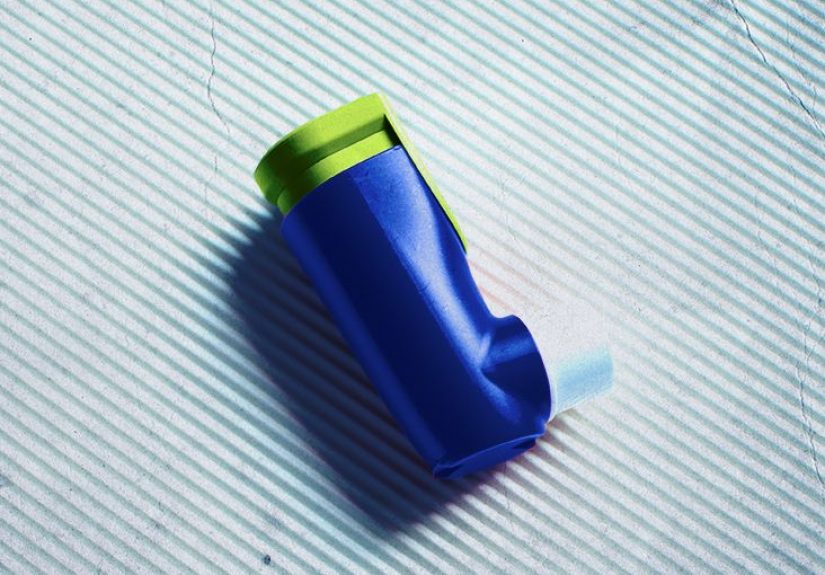
An MDI is the classic canister-style inhaler. Press the top, get a measured puff. These devices can work very well, but timing matters. You need to coordinate pressing the inhaler and breathing in slowly at the same time.
For people who struggle with that coordination, a spacer or valved holding chamber may help. A spacer gives the medicine a little extra room, so you do not have to win a timing contest with your own lungs.
Dry-powder inhalers (DPIs)
DPIs deliver medicine as a dry powder rather than a spray. Instead of pressing a canister, you inhale the medication by taking a strong, deep breath through the device. That means DPIs can be convenient, but they do require enough inhalation force to work properly.
Some people love them because there is less coordination involved. Others do better with a different device, especially during bad flare-ups or if taking a strong breath is difficult.
Soft mist inhalers (SMIs)
Soft mist inhalers create a slower-moving mist, which can make inhalation easier for some people. They are still handheld and portable, but the spray is different from a traditional MDI. For some patients, this makes the medicine easier to inhale effectively.
Nebulizers
Nebulizers are not the same as handheld inhalers, but they are part of inhaled COPD therapy. They turn liquid medicine into a mist you breathe in through a mouthpiece or mask. These can be useful during flare-ups or for people who have trouble using handheld devices correctly.
Nebulizers are often less portable and take longer to use, so they are not always the most convenient daily option. Still, for the right person, convenience is less important than getting the medicine into the lungs successfully.
How doctors decide which COPD inhaler is right
Choosing a COPD inhaler is not supposed to be a random spin of the pharmacy wheel. Clinicians usually consider several factors:
- How often you have symptoms
- Whether you have flare-ups or hospitalizations
- Whether you likely need rescue medicine, maintenance medicine, or both
- Whether an inhaled corticosteroid makes sense for your pattern of disease
- Your ability to use a specific device correctly
- Side effects, cost, insurance coverage, and personal preference
This is why two people with COPD may both have “an inhaler” but end up using very different medications. One might carry albuterol for occasional symptoms. Another might use a LAMA every morning. Someone else may use a once-daily triple therapy inhaler plus a rescue inhaler as needed.
Common inhaler mistakes that cause big problems
Sometimes the medicine is right, but the technique is wrong. That is more common than many people think. A few common mistakes include:
- Using a maintenance inhaler like a rescue inhaler
- Not inhaling strongly enough with a dry-powder inhaler
- Inhaling too fast with an MDI
- Forgetting to prime or clean the device when needed
- Skipping daily doses because symptoms seem “not that bad today”
- Not rinsing after an ICS-containing inhaler
If your inhaler “doesn’t work,” it is worth asking a clinician, nurse, or respiratory therapist to watch your technique. That five-minute check can be more useful than an hour of internet spiraling and dramatically less stressful.
Possible side effects to know about
Every inhaler class has potential side effects. Rescue beta-agonists may cause tremor, nervousness, or a faster heart rate. Anticholinergic inhalers may cause dry mouth and, in some people, urinary problems or blurred vision if the medicine gets into the eyes. ICS-containing inhalers may raise the risk of oral thrush and can increase pneumonia risk in some COPD patients, which is one reason they are prescribed selectively rather than automatically.
None of this means inhalers are bad. It means the right inhaler should match the right patient, used the right way, for the right reason. Medicine loves a good matchmaker.
Real-world experiences with COPD inhalers
Living with COPD inhalers in real life is often less about memorizing acronyms and more about building routines that actually stick. Many people say the first few weeks are the hardest. Not because the inhaler is impossible, but because it changes the rhythm of the day. Suddenly there is a morning puff, an evening dose, a rescue inhaler in the pocket, maybe a spacer in the kitchen drawer, and a quiet fear of doing it wrong.
One of the most common experiences is confusion between a fast inhaler and a daily inhaler. People often expect every device to bring instant relief. When a maintenance inhaler does not create that dramatic “I can breathe better right now” moment, they may assume it is not helping. In reality, many controller inhalers are playing the long game. They are meant to reduce symptoms over time, keep airways more open throughout the day, and lower the chance of flare-ups. It is not flashy. It is effective.
Another common experience is learning that inhaler technique matters more than people expect. Some patients feel embarrassed when a clinician corrects the way they inhale, but that is incredibly normal. COPD care teams see this all the time. A person may be prescribed an excellent medicine and still get poor results simply because the timing is off, the breath is too weak for a dry-powder device, or the inhaler is being held incorrectly. Once technique improves, the same inhaler can suddenly feel like a much better fit.
Many caregivers also notice a pattern: the patient says, “My inhaler doesn’t work,” when what they really mean is, “This device doesn’t fit my habits, strength, or routine.” That is an important distinction. Some people do better with an MDI and spacer. Others prefer a soft mist inhaler because the spray feels easier to inhale. Others still succeed with a nebulizer at home because it removes the pressure of coordinating each puff. Good COPD treatment is not just about the drug. It is about the match between the person and the device.
There is also the emotional side. Carrying a rescue inhaler can feel reassuring, but it can also become a little security blanket. People sometimes track how often they use it without meaning to. A busy day? More puffs. Cold air? More puffs. Stairs? Definitely more puffs. Over time, that pattern can become useful information. It helps patients and clinicians see whether the daily treatment plan is truly working.
Then there are the practical experiences no one brags about: rinsing after steroid inhalers, replacing devices on time, checking dose counters, keeping inhalers away from extreme heat, remembering refills before weekends, and trying not to panic when an inhaler suddenly feels empty at the worst possible moment. COPD treatment is often won in these small, boring moments. Glamorous? No. Important? Absolutely.
Perhaps the most encouraging experience people describe is this: once the right inhaler routine is found, breathing can feel more predictable. Not perfect. Not magically restored to teenage lungs. But steadier, safer, and less chaotic. And in COPD care, “steadier” is a very big win.
Final thoughts
So, what types of inhalers are there for COPD? The short answer is: quite a few, and they are not interchangeable. Some are quick-relief inhalers like SABAs or short-acting combinations. Others are long-term maintenance inhalers such as LABAs, LAMAs, dual bronchodilators, ICS/LABA combinations, or triple therapy. On top of that, the medicine may come in an MDI, DPI, soft mist inhaler, or nebulized form.
The best COPD inhaler is not the one with the most impressive name or the most syllables. It is the one that matches your symptoms, your flare-up history, your inhaler technique, and your daily life. If your breathing is not improving, your rescue inhaler use is climbing, or your device feels like a tiny plastic puzzle designed by chaos itself, it is worth asking your healthcare team for a medication and technique review.
Educational note: This article is for informational purposes only and is not a substitute for personalized medical advice, diagnosis, or treatment.