Table of Contents >> Show >> Hide
- The $53 Amazon Sneakers Nurses Keep Talking About
- Why Nurses Are So Picky About Shoes (And Why You Should Be, Too)
- What Makes These Nortiv 8 Sneakers Feel “Nurse-Approved”
- Who These $53 Amazon Sneakers Are Best For
- How to Buy Comfort Sneakers on Amazon Without Regret
- If You Have Plantar Fasciitis or Heel Pain, Here’s What to Watch For
- How These Compare to the Big-Name Nurse Favorites
- Care Tips: Make Your Comfy Sneakers Last Longer
- The Bottom Line
- Real-World Experiences: What Long-Shift Comfort Actually Feels Like
If you’ve ever watched a nurse work, you know the job description is basically: walk fast, stand longer, pivot on a dime,
and somehow still smile like you’re not running on caffeine and pure willpower. A “typical” 12-hour shift can mean miles
of hallway laps, quick turns into patient rooms, and that special kind of standing where your feet start negotiating for
better working conditions by hour eight.
That’s why nurses have become unofficial footwear critics. They don’t care about hype. They care about the moment your
heel hits the floor for the 9,000th time and your shoes either support you… or betray you like a bad cafeteria coffee.
So when nurses start raving about a budget-friendly pair of sneakersespecially one hovering around $53 on Amazon
(price varies by size/color and sales)it’s worth a closer look.
The $53 Amazon Sneakers Nurses Keep Talking About
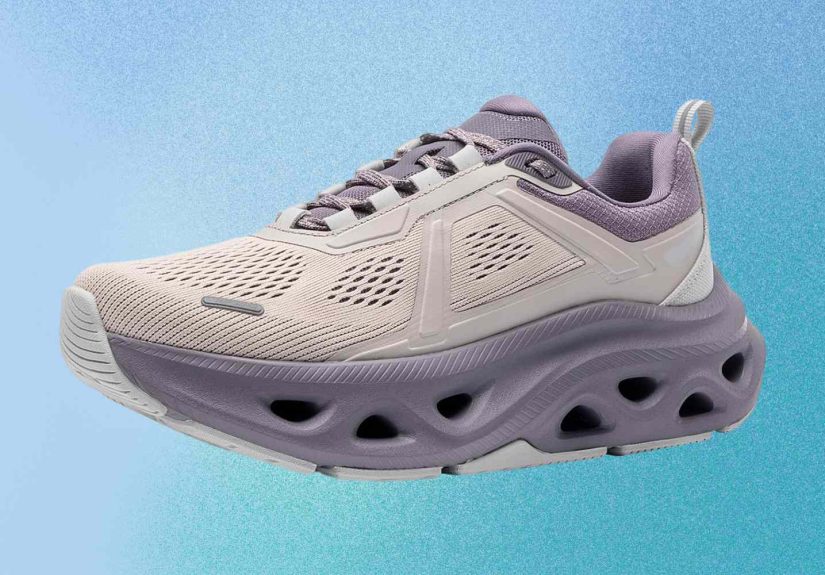
The buzz centers on Nortiv 8 Running Shoes, a pair that’s been popping up in nurse-shared recommendations and
Amazon review threads because they feel unexpectedly “premium” for a non-premium price. The features nurses keep pointing
out are refreshingly practical:
- Breathable upper for airflow (aka: fewer “my feet are a sauna” moments)
- Thick, supportive midsole designed to cushion impact on hard floors
- Rubber, slip-resistant outsole for better grip when life (or the floor) gets messy
- Roomy toe area that can feel friendlier for wider feet
- Reflective details for visibility on early-morning commutes or nighttime dog walks
The most telling part isn’t the spec listit’s the job they’re being used for. Reviewers who identify as nurses describe
wearing them for long shifts and high step counts, then buying multiple colors. That “I’m getting backups” energy is the
closest thing the internet has to a medical-grade endorsement.
Why Nurses Are So Picky About Shoes (And Why You Should Be, Too)
Nurses don’t just standthey stand, walk, lift, turn, and repeat on hard surfaces for hours. That repetitive impact can
show up as foot fatigue, sore knees, or back pain. If you’ve ever limped to your car after a long day and thought,
“Wow, I’ve aged 40 years since lunch,” you get it.
Comfort isn’t a luxuryit’s a support system
Foot specialists consistently emphasize supportive footwear for people dealing with heel pain and plantar fasciitis, often
calling out the importance of cushioning, arch support, and not wearing worn-out shoes that stop doing their job.
Translation: when your shoes lose support, your feet start doing unpaid overtime.
Traction matters more than you think
Hospitals, clinics, and long-term care facilities can have slick spotsspills happen, floors get polished, and sometimes
you’re moving quickly on a surface that doesn’t care about your balance. Slip-resistant traction is a real factor for
workplace safety, especially in jobs where you can’t exactly “walk slowly and be careful” during a busy shift.
What Makes These Nortiv 8 Sneakers Feel “Nurse-Approved”
1) Cushioning that doesn’t collapse after lunch
Plenty of sneakers feel fine for the first hourthen the cushioning flattens out and you’re essentially walking on a
determined pancake. Nurses gravitate toward shoes that stay cushy and supportive across a full shift. Nortiv 8’s thicker
midsole design is one reason reviewers describe the shoes as “bouncy” and comfortable even during long days.
2) A roomier toe box: small detail, huge difference
A cramped toe area can make long shifts feel even longer. Nurses often prefer a bit of breathing room up front, especially
if they deal with swelling by the end of the day or have foot issues like bunions. Reviewers repeatedly mention that these
feel roomy in the toes, which can reduce that end-of-shift “please remove my feet from my feet” sensation.
3) Grip for real life, not just treadmill fantasies
A good outsole is about trust. The slip-resistant rubber outsole is a big part of why people feel comfortable wearing these
at work, traveling, and running errands. Even if your job isn’t clinical, traction helps if you’re on tile, wet sidewalks,
grocery store floors, or anywhere else gravity tries to humble you.
4) Breathability for hot feet and long hours
Nursing shifts don’t always allow for “shoe breaks.” A breathable upper helps keep feet cooler, especially in warm settings
or during high-motion work. Less heat can mean less discomfortand fewer moments where you wonder if your socks are secretly
training for a marathon.
Who These $53 Amazon Sneakers Are Best For
The Nortiv 8 running-style build is most appealing for people who:
- Work long shifts on hard floors (healthcare, hospitality, retail, warehouses)
- Need all-day comfort without paying triple digits
- Prefer a lightweight, athletic feel over clogs or heavy work shoes
- Want a roomier fit (or at least don’t want a narrow toe squeeze)
- Care about shock absorption for knees/hips/back during long standing and walking
They can also be a solid “starter” comfort sneaker if you’re trying to figure out what your feet like. Not everyone needs
a specialty shoe immediately; sometimes you need a comfortable baseline and a few shifts of feedback from your own body.
How to Buy Comfort Sneakers on Amazon Without Regret
Check your real-world use case
If you work in a setting with frequent fluid exposure, you may prefer something easier to wipe down (some nursing shoes
use water-resistant uppers for exactly that reason). A breathable mesh sneaker can feel amazing, but mesh isn’t the best
friend of splashes. Know your environment before you commit.
Get picky about fit (future-you will thank you)
Comfort depends on fit. When you try them on, use the same type of socks you’ll wear at work, and test these quick checks:
- Toe space: you should be able to wiggle your toes without rubbing.
- Heel security: your heel shouldn’t slide up and down when you walk.
- Midfoot support: the shoe should feel stable, not like your foot is drifting sideways.
Rotate shoes if you do long shifts
This sounds extra until you try it: alternating between two pairs can help cushioning recover and may reduce wear and tear.
If you’re logging big step counts, it can also keep one pair from breaking down too quickly.
Consider simple add-ons for “shift-proofing”
If your workplace allows them, supportive insoles and quality socks can change the game. Some workplace health research also
notes that interventions like inserts and compression stockings are commonly used to reduce discomfort from prolonged standing.
Shoes are the foundation, but the full comfort setup is a team sport.
If You Have Plantar Fasciitis or Heel Pain, Here’s What to Watch For
Many shoppers specifically mention plantar fasciitis relief when talking about supportive sneakers. While no shoe is a magic
cure, foot-health guidance often recommends thick soles, cushioning, and arch supportand avoiding worn-out
shoes or walking barefoot when pain is flaring.
If heel pain keeps returning, treat it like your body sending you a push notification: don’t ignore it. Consider getting
advice from a clinician (especially if pain is sharp, persistent, or changing how you walk). The “right shoe” varies by foot
type and gait, and sometimes the best fix is a mix of footwear + stretching + inserts rather than just swapping brands.
How These Compare to the Big-Name Nurse Favorites
Let’s be real: a $53 sneaker is not trying to be a $180 max-cushion workhorse in disguise. But it can still be a smart buy
if it hits the comfort basics that matter for long shifts: cushioning, stability, fit, and traction.
Big brands nurses commonly lovethink ultra-cushioned options and slip-resistant work modelsoften add features like
specialized stability systems, water-resistant uppers, or structured support designed for specific gait patterns.
Those upgrades can be worth it if you need them. The surprise with the Nortiv 8 pair is that many reviewers feel they’re
getting enough comfort to compete with pricier shoes for everyday shift use.
A practical way to think about it:
- Try Nortiv 8 if you want a budget-friendly comfort sneaker for standing and walking all day.
- Go premium if you need stronger slip resistance, easy-clean uppers, or highly specific support needs.
Care Tips: Make Your Comfy Sneakers Last Longer
- Air them out after shifts (don’t trap sweat in a locker forever).
- Use a rotation if you’re wearing them daily.
- Replace before they look destroyedcushioning can break down quietly even if the upper looks fine.
- Watch the outsole: if traction is wearing smooth, that’s your cue.
The goal isn’t to “get every last mile” out of a shoe if it costs you pain. Comfort shoes are like good coworkers: you want
them reliable, not heroic.
The Bottom Line
Nurses have the ultimate stress test for sneakers: long shifts, hard floors, nonstop motion, and zero patience for footwear
that can’t keep up. The reason these $53 Nortiv 8 running shoes keep getting love is simplethey check the
boxes that matter for all-day comfort: cushioning that feels supportive, a roomy fit, breathable materials, and an outsole
built for grip.
Are they the only great option? Of course not. But if you want an affordable, nurse-approved-feeling sneaker for standing all
day, this is one of those rare Amazon finds that doesn’t rely on hypeit relies on people who actually have to survive a
shift in them.
: experiences section
Real-World Experiences: What Long-Shift Comfort Actually Feels Like
“Comfort” is a slippery word until you attach it to a real day. Nurses don’t measure shoe quality in complimentsthey measure
it in how their feet feel when they finally sit down, peel off their badge, and realize they’ve been running around for
twelve hours like a very caring, very tired pinball.
Here’s what the experience often looks like when a sneaker truly works on the job, based on patterns that show up again and
again in nurse reviews and long-shift shoe testing advice:
The first hour: your feet are cautiously optimistic
At the start of a shift, most shoes feel “fine.” The difference is whether “fine” stays fine after the hallway sprints, the
med passes, the standing charting sessions, and the sudden detours that happen because someone needs you right now. Nurses
who like these Nortiv 8s often describe that early cushioning as noticeably soft and springy. That bounce matters because the
first few thousand steps set the toneif your feet are already aching early, the rest of the day becomes a negotiation.
Hour five: the floor starts feeling harder (unless your shoes are doing their job)
Mid-shift is where weak cushioning gets exposed. This is the phase where you might start shifting your weight from foot to
foot, or doing that tiny stretch at the supply cabinet like you’re trying to look casual while your arches file a complaint.
Nurses who rave about supportive sneakers often mention two make-or-break details: the midsole still feels protective, and
the shoe stays stable when you pivot quickly. A roomy toe area can also become a quiet hero herefeet can swell during long
days, and extra space keeps toes from feeling compressed.
Hour nine: traction becomes a personality trait
Late in a shift, you’re moving fast but you’re also tired, and that’s when slips and awkward steps tend to happen. A grippy
outsole can keep you feeling confident when floors are slick or when you’re hustling around corners. Nurses often prioritize
this because the job isn’t always slow, and “being careful” isn’t a realistic strategy when you’re responding to call bells,
alarms, and everything else that doesn’t wait for perfect conditions.
The end of the shift: the true test is how you feel walking to your car
The clearest “review” happens after clock-out. Nurses talk about shoes that let them get home with less foot and back pain,
and they notice when they’re not limping around the kitchen afterward. That’s where budget-friendly shoes can win big:
if a $53 sneaker helps you finish a long day without feeling wrecked, it doesn’t matter that it wasn’t a trendy, pricey
brand. It becomes the shoe you recommend to coworkers, buy in a second color, and keep by the door like a trusted tool.
In other words, the hype isn’t really about sneakers. It’s about relief. For nursesand for anyone who spends the day on
their feetfinding a shoe that reduces fatigue feels like gaining back a small piece of your life. And if that shoe happens
to come from Amazon for around $53? That’s not just a deal. That’s a win.