Table of Contents >> Show >> Hide
- What Is the Can Armchair & Sofa Collection?
- Why the Design Still Feels Fresh
- Can Armchair vs. Can Sofa: Which One Makes More Sense?
- Comfort: What the Sit Actually Feels Like
- Materials, Construction, and Why They Matter
- Where the Can Collection Works Best
- How to Style a Can Armchair & Sofa Without Making It Look Too Serious
- Who Should Buy Itand Who Probably Shouldn’t
- Living With the Can Armchair & Sofa: A Real-World Experience
- Final Thoughts
Some furniture tries way too hard. It arrives looking important, sits in the room like a celebrity with bad manners, and demands the rest of the space adjust accordingly. The HAY Can Armchair & Sofa collection takes the opposite route. It is modern without being icy, low-profile without disappearing, and smart without making you feel as if you need a design degree just to sit down. In a furniture world full of overstuffed giants and stiff “look-don’t-touch” pieces, the Can collection lands in a sweet spot: casual, architectural, and genuinely livable.
Designed by Ronan and Erwan Bouroullec for HAY, the Can line has become one of those rare contemporary seating families that manages to feel both design-forward and approachable. That matters because a sofa is not just a purchase. It is a commitment. It is where you read, scroll, nap, snack, overthink your life choices, host friends, and pretend you are only going to watch one episode. If a piece is going to hold all that human chaos, it had better be more than pretty.
This is exactly why the Can Armchair & Sofa deserves a closer look. Whether you are eyeing the one-seater for a reading corner or the larger sofa for your living room, this collection offers something many modern seating designs promise but do not always deliver: visual lightness paired with real comfort. It also has one major advantage that apartment dwellers, urban movers, and anyone with a staircase from the underworld will appreciate. Unlike traditional bulky seating, the Can collection was conceived to be simpler to handle, easier to transport, and less intimidating to assemble.
What Is the Can Armchair & Sofa Collection?
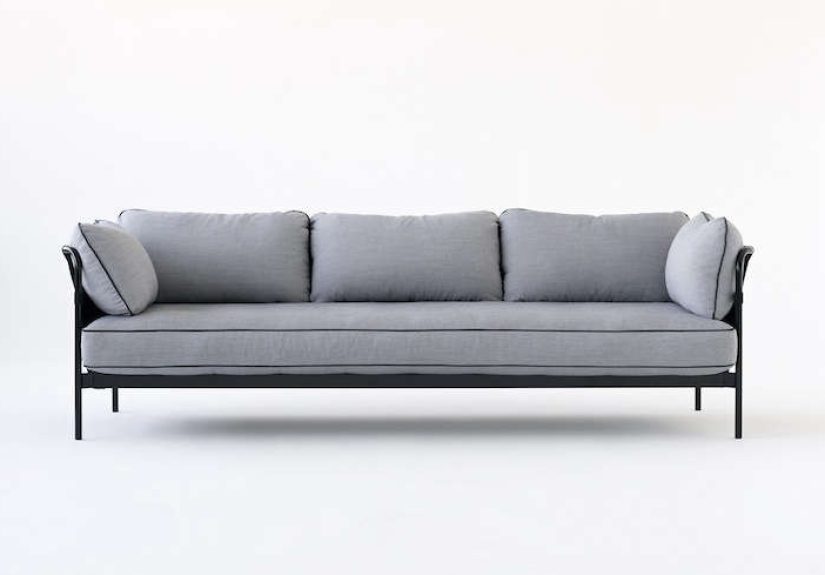
At its core, the Can collection is HAY’s answer to a classic design problem: why does a sofa have to be such a complicated beast? Traditional sofas often hide their structure under thick upholstery and bulky volume. The Can concept flips that logic. Instead of pretending the frame does not exist, it celebrates it. You see the slender steel structure. You notice the stretched textile support. Then the cushions arrive and soften the whole composition. The result is a piece that looks open, airy, and neatly engineered.
The collection usually includes a one-seater armchair and two- and three-seat sofa versions, all sharing the same DNA. That consistency is part of its appeal. You can use the Can armchair as an accent chair in a bedroom, office, or lounge corner, then pair it with a matching sofa in a larger living room without the space looking overly coordinated. It feels intentional, not forced. Think “design-conscious adult” rather than “showroom that smells faintly of candles and panic.”
Why the Design Still Feels Fresh
The Can Armchair & Sofa is modern, but it is not chasing trends. That is a big reason it has aged so well. Today’s sofa conversation still leans toward low profiles, visually lighter silhouettes, and comfort that does not swallow the room whole. The Can collection fits that mood beautifully. It has the relaxed posture people want from contemporary seating, but it avoids the marshmallow effect of some ultra-plush pieces that can make a room feel heavy.
One of the collection’s cleverest design moves is contrast. The exposed frame is crisp and structured. The cushions are soft and inviting. The textile sling adds a slightly utilitarian note, almost like campaign furniture got a Scandinavian design education and came back with better posture. That contrast is what keeps the piece interesting. It is not just soft. It is not just minimal. It lives in the tension between the two.
This balance also helps the Can work in different interiors. In a loft, it looks clean and architectural. In a small apartment, it feels visually lighter than a big skirted sofa. In a more eclectic room, it plays nicely with wood, color, vintage pieces, and textured rugs because it is composed rather than loud. It has personality, but it is not the kind that hijacks the conversation.
Can Armchair vs. Can Sofa: Which One Makes More Sense?
The right choice depends less on style and more on how you actually live. The Can armchair is ideal for people who want a sculptural seat with a relaxed lounge feel. It works beautifully in corners that need purpose: next to a bookcase, near a window, across from a bed, or as a companion to a larger sofa. It is especially effective when you want a chair that feels lighter than a chunky recliner but cozier than a rigid accent seat.
The Can sofa, meanwhile, is better for households that need the room’s main seating piece to do a lot of heavy lifting. The two-seater is a smart choice for apartments, condos, studios, and smaller living rooms where every inch matters. The three-seater works better in rooms that need more lounging space but still benefit from a visually open frame. If you entertain often, a sofa paired with one or two smaller chairs can create a better conversation zone than a giant sectional that eats the floor plan for breakfast.
If you are torn, ask yourself one brutally honest question: do you mostly sit upright, or do you collapse like a Victorian heroine after checking your email? The answer matters. The Can collection leans relaxed. It is comfortable and welcoming, but it is not trying to mimic a formal upright sofa. It is better for lounging, reading, chatting, and stretching out than for perching stiffly on the edge like you are waiting at a dentist’s office.
Comfort: What the Sit Actually Feels Like
Comfort is where many beautiful sofas start making excuses. The Can collection does not need too many. Its sit is generally best described as low, relaxed, and lounge-friendly. The frame gives the design its shape, while the suspended textile base and generous cushions create the softness. That combination gives the seating a casual, slightly nested feeling rather than a super-firm perched experience.
This makes it a strong option for people who like to curl up, sit cross-legged, or settle in for a long conversation or movie night. It is not the sofa equivalent of a hard dining chair wearing a fancy outfit. That said, comfort is personal. Some people love deep, soft seating; others prefer something more upright and supportive. If you are taller, you may appreciate the lounge-like posture. If you prefer a seat that keeps you very erect, the Can may feel a little too laid-back for all-day task-style sitting.
The good news is that the collection does not rely on puffiness alone. Its comfort comes from thoughtful layering: supportive structure below, softer materials above, and a design that lets the body relax naturally. In everyday English, that means it looks tidy without feeling punishing.
Materials, Construction, and Why They Matter
The Can Armchair & Sofa gets much of its identity from how honestly it is built. The exposed tubular steel frame is not just a style move; it is the skeleton that gives the piece its graphic shape and durable edge. The canvas or textile support panel stretches across the structure, creating a suspended base for the cushions. Then the upholstered cushions add volume, softness, and the lived-in comfort people actually want from lounge seating.
This layered construction matters for two reasons. First, it creates a lighter visual footprint than a fully upholstered block sofa. You can see around and under it more easily, which helps a room feel less crowded. Second, it makes the collection especially appealing for people who dread maneuvering a traditional sofa through hallways, elevators, and narrow doors. The Can concept was built around easier transport and simpler assembly, which is not exactly romantic, but it is deeply attractive when you live on the third floor and your building staircase was clearly designed by enemies.
Upholstery choice also plays a big role in the final look. Neutral fabrics make the Can collection feel calm, tailored, and adaptable. Richer tones or more textured upholstery push it into statement territory. Because the silhouette is fairly restrained, it can handle color without becoming chaotic. That is a gift. Some sofas wear bold fabric like a tuxedo wears flip-flops. The Can usually keeps its composure.
Where the Can Collection Works Best
One of the smartest things about the Can Armchair & Sofa is that it suits modern life, not just modern photos. It is especially effective in:
- apartments and condos where bulky furniture feels overwhelming,
- open-plan living rooms that benefit from lighter-looking seating,
- home offices or reading corners that need an armchair with real presence,
- design-focused interiors that mix contemporary and classic pieces,
- homes where delivery access and assembly logistics matter almost as much as style.
Its low profile helps preserve sight lines, which is useful in smaller spaces and rooms with big windows. The visible frame also gives it a more breathable look than many upholstered sofas. If your space already contains chunky cabinetry, a large media console, or a dense rug pattern, that visual openness can be a lifesaver.
How to Style a Can Armchair & Sofa Without Making It Look Too Serious
The Can collection looks best when styled with intention, not excess. Start with contrast. If your upholstery is smooth and neutral, add pillows or a throw with texture. Bouclé, linen, velvet, or a woven wool accent can keep the setup from feeling flat. Avoid matching every pillow exactly to the upholstery unless you are aiming for a very controlled tonal look. Too much matching can make even a great sofa feel like it wandered off a sales floor display.
The collection also pairs well with warm materials. A wood coffee table, a soft rug, a ceramic lamp, or a leather side chair can balance the steel frame and keep the room from skewing too cool. If you are using a Can armchair with a sofa, let one of the pieces be the hero and let the other support it. A neutral sofa with a bolder armchair works beautifully. So does a quieter armchair paired with art, books, and a side table that add personality around it.
In smaller rooms, resist the urge to shrink everything else around the seating. The Can already has a leaner visual footprint. It can handle a substantial rug or a solid coffee table. In fact, that contrast often makes the room feel more grounded and finished.
Who Should Buy Itand Who Probably Shouldn’t
The Can Armchair & Sofa is a strong choice for design lovers who want a modern sofa with a clear point of view, people furnishing smaller homes, and anyone who appreciates lounge seating that looks lighter than it feels. It is also excellent for buyers who care about engineering, ease of delivery, and furniture that does not resemble a padded brick.
It may be less ideal for shoppers who want a highly traditional sofa, a very high-back upright sit, or an ultra-cushy “sink-and-disappear” cloud couch. If you want enormous rolled arms, deep tufting, or something that screams classic American family room, this is probably not your soulmate. The Can collection is more refined, more architectural, and more deliberate than that.
Living With the Can Armchair & Sofa: A Real-World Experience
The best way to understand the Can collection is to imagine living with it for a while. Not admiring it in a showroom under flattering lighting. Not tapping a cushion once and declaring yourself an expert. Actually living with it on an ordinary Tuesday when the coffee is lukewarm, your phone battery is at 12 percent, and your dog thinks the sofa was purchased exclusively for dramatic sighing.
In the morning, the Can armchair is the kind of seat that makes a corner feel finished. Set it near a window with a floor lamp and a small side table, and suddenly you have a reading spot that looks pulled together without feeling staged. Because the frame is visible and the silhouette stays open, it does not clog the room. That matters more than people realize. Some chairs sit like they are guarding buried treasure. The Can armchair sits like it is happy to be invited.
By afternoon, the sofa starts proving why thoughtful construction beats flashy bulk. It feels relaxed, but it does not visually flatten the room. If you have a compact living area, that is huge. You can walk around it, see past it, and still feel like you have a real sofa instead of a compromise piece. It gives you the psychological comfort of proper seating without turning your apartment into one giant cushion.
Then evening happens, and this is where the Can sofa really earns its place. You sink in enough to feel at ease, but the piece still looks composed. A throw over one side, two pillows in contrasting textures, maybe a book left face down because you promised yourself you would only read one chapterthis collection wears daily life well. It does not look offended by use. That is a bigger compliment than it sounds.
There is also something satisfying about the honesty of the design over time. You notice the frame. You appreciate the interplay between the taut support material and the cushier upholstery. You realize the whole thing is visually lighter than most sofas with comparable comfort. And if you have ever moved furniture through a narrow hallway while whispering words that would shock a sailor, you may find its more manageable concept genuinely charming.
Socially, the Can collection performs well too. The armchair feels substantial enough for guests rather than like an afterthought perch. The sofa invites conversation because it is relaxed without becoming sloppy. It works for movie nights, coffee chats, solo reading sessions, and those strange fifteen-minute “rests” that somehow turn into accidental naps. No judgment. The sofa knows what it did.
Over time, what stands out most is not one dramatic feature. It is the collection’s balance. It looks clean but not cold. Soft but not puffy. practical but not plain. That balance is why the Can Armchair & Sofa remains relevant. It understands modern living rooms are not museums. They are active, messy, personal spaces that need furniture with style, yes, but also patience. The Can collection has both.
Final Thoughts
The HAY Can Armchair & Sofa collection succeeds because it solves real problems without losing its design soul. It makes modern seating look lighter, move more easily, and live more casually. It respects comfort, but it does not bury it under excess bulk. It respects aesthetics, but it does not become fussy. And in a category where furniture often swings too far toward either “beautiful but annoying” or “comfortable but clumsy,” that balance is worth celebrating.
If you want a sofa or armchair that feels current, clever, and genuinely usable, the Can collection deserves a place on your shortlist. It is not trying to be all things to all people. It is simply trying to be a better kind of lounge seating. Frankly, that is a much more attractive ambition.