Table of Contents >> Show >> Hide
- Meet the Photographer Behind the “Bin Safari”
- Why Photograph Street Trash Bins?
- What Trash Bins Reveal About Cities (When You Actually Look)
- The Not-So-Fun Truth: Litter and Marine Debris Don’t Stay Put
- Bins That Actually Change the Game: Practical Design Lessons
- Real-World Examples: When Cities Get Weirdly Brilliant About Bins
- How This Photo Project Becomes Subtle Environmental Activism
- If You Want to Try It: A Traveler’s Guide to “Bin-Spotting”
- Conclusion: The World Through a Lid and a Liner
- Extra: Practical “Bin Travel” Experiences (A 500-Word Field Guide)
Some travelers collect stamps. Some collect fridge magnets. Some collect “I survived the airport security line” trauma.
And then there’s the French photographer who collects something far more honest: street trash bins.
At first, it sounds like a jokeuntil you realize trash bins are basically a city’s unfiltered personality. They’re the
one piece of street furniture that has to deal with everyone, all day, every day, and still look presentable (or at least
not leak something mysterious onto your shoes).
This article dives into the surprisingly addictive photo project of a French photographer who documents public litter bins
across the globeand what those humble containers reveal about culture, urban design, travel, and our relationship with
waste. Along the way, we’ll talk real-world examples from major cities, how better bins can reduce litter, and why a trash
can might be the most underrated subject in street photography.
Meet the Photographer Behind the “Bin Safari”
The project widely shared online is associated with French travel photographer Myriam Leforestier, who has
photographed street trash bins across dozens of countries over many years. Her “collection” isn’t about mocking cities or
turning garbage into a punchline. It’s about noticing the small, overlooked systems that keep public spaces livableplus,
let’s be honest, some bins have incredible style.
What makes this project work isn’t just the novelty. It’s the consistency: the same subject (a public trash can) framed in
wildly different contextsancient streets, seaside promenades, parks, historic sites, modern downtowns. Each image becomes
a miniature portrait of how a place expects people to behave.
Why Photograph Street Trash Bins?
Street trash bin photography sits at the intersection of travel photography, street photography,
and sustainability storytelling. It takes something functionalalmost invisible to localsand turns it into
a visual question:
How does this city handle the stuff nobody wants to think about?
Because bins are a cultural “tell”
You can learn a lot about a place by what it celebrates. You can learn even more by how it manages what it discards.
Public waste bins are tiny policy decisions made physical. Do they prioritize convenience? Aesthetics? Wildlife control?
Recycling and composting? Or are they basically saying, “Good luck out there, pal”?
Because design influences behavior (yes, even yours)
A bin with a clear opening, a visible color, and a spot that makes sense (near seating, food vendors, transit stops)
gets used more. A bin hidden behind a bush like it’s in witness protection? Less so. The photographer’s images turn this
into a simple, global comparison: you see where bins are celebrated as part of public spaceand where they’re treated like
an embarrassing relative at a family reunion.
Because “waste” is a massive storyand bins are the front door
In the United States alone, municipal solid waste adds up to hundreds of millions of tons per year. Big numbers can feel
abstract, but a street bin is personal. You and the bin. Your coffee cup. Your snack wrapper. Your “I’ll just carry this
until I find a trash can” liefollowed by the sudden relief when you actually find one.
What Trash Bins Reveal About Cities (When You Actually Look)
1) A city’s priorities: beauty, speed, or survival
Some places blend bins into their surroundingsclassic metal, muted colors, tucked into architectural lines. Others go
loud: bright bins that practically shout, “Feed me your trash!” Both approaches can work, but they broadcast different
values. “We care about visual harmony” versus “We care that you don’t throw that on the ground.”
2) Tourism pressure and “main character” litter
Tourist zones are where good intentions go to die. People eat while walking, juggling phones and maps, and their trash
multiplies like it’s auditioning for a magic show. That’s why bins near landmarks tend to be larger, more frequent, and
sometimes engineered to handle specific annoyanceslike pizza boxes (we’ll get to that glorious moment).
3) Climate, animals, and the local chaos factor
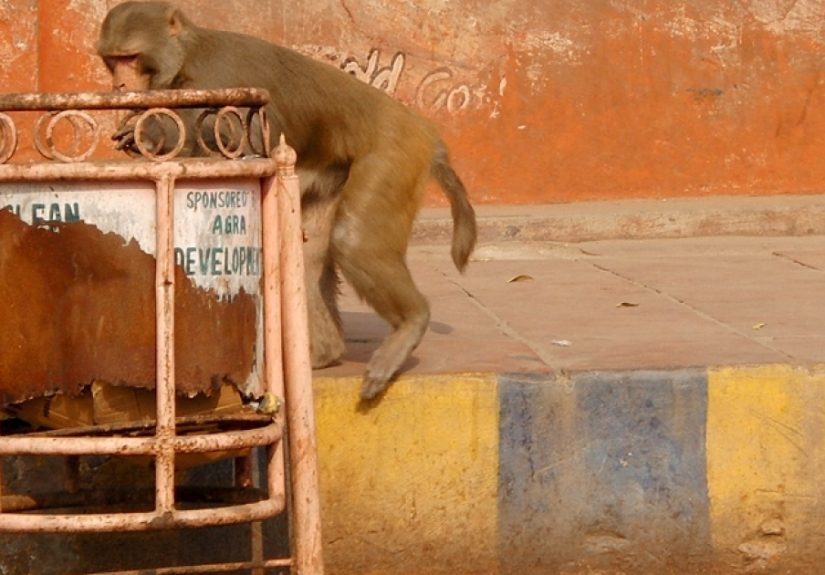
In some regions, bins are designed to keep out raccoons, rats, monkeys, gulls, or whatever local creature has a PhD in
“free snacks.” In rainy climates, lids matter. In windy places, weight matters. In very hot places, odor control becomes
an art form. The bin is where urban planning meets naturesometimes politely, sometimes like a bar fight.
The Not-So-Fun Truth: Litter and Marine Debris Don’t Stay Put
A street bin might look like a local concern, but litter travels. Wind moves it. Storm drains funnel it. Rivers deliver it.
And suddenly your “tiny” piece of trash is someone else’s beach problem, fishing problem, navigation problem, or wildlife
problem.
In coastal cleanup data year after year, volunteers collect a parade of familiar villainscigarette butts, food packaging,
bottle caps, plastic bottles, bags. That’s not because people are uniquely evil; it’s because small, lightweight items
are easy to drop and hard to recover once they spread.
The point isn’t guilt. The point is systems. A good bin in the right spot is a simple system that helps prevent a long chain
of harmespecially when paired with collection, education, and realistic rules.
Bins That Actually Change the Game: Practical Design Lessons
Make it obvious
If a bin is easy to find, people use it. Color helps. Clear signage helps. Consistent design across a city helps. When every
bin looks like it belongs, you don’t waste mental energy searching. You just throw things away like a responsible adult,
which is already a miracle some days.
Match the “waste moment”
A park needs different bins than a nightlife street. A waterfront needs bins designed for wind and volume. A food-heavy area
needs openings that don’t jam and lids that reduce odor. Cities that treat bins as part of user experiencenot just sanitation
tend to look cleaner.
Containerization: the boring word that can make streets way better
The United States is in a visible transition: more cities are shifting from loose bags on sidewalks to sealed containers.
The reason is simple: loose trash attracts pests and spreads mess. When you put trash into lidded bins, streets get cleaner,
collections get more efficient, and rats lose one of their favorite hobbies.
Real-World Examples: When Cities Get Weirdly Brilliant About Bins
New York City’s push to contain the mess
New York has long been famous for curbside trash bags (iconic, in the way a dumpster fire is technically “iconic”). But the city
has been moving toward containerizationrequiring trash to be set out in bins instead of loose bags for many properties, and rolling
requirements out in phases. It’s a deeply unglamorous policy with a very glamorous outcome: fewer spills, fewer pests, and streets that
look like humans live there on purpose.
San Francisco’s “bin system” mindsetand the pizza box plot twist
San Francisco has spent decades treating waste sorting as part of everyday life, with systems that separate trash, recycling, and organics.
But here’s the part that feels ripped from a sitcom: in early 2026, North Beach introduced custom pizza box-shaped trash cans designed to reduce
pizza-box littercomplete with wide slots so boxes don’t jam or overflow standard bins. The message is clear: “We see your walking-slice lifestyle,
and we’re adapting the infrastructure accordingly.”
High-tech waste collection: vacuum tubes (yes, really)
If you want futuristic bins, some cities are experimenting with pneumatic collectiontrash whisked through underground tubes to a central station.
It reduces truck traffic, noise, and street clutter, but it’s expensive and complex to retrofit. Still, it’s a reminder that the humble act of tossing
something “away” is backed by engineering that can range from simple metal baskets to sci-fi infrastructure.
How This Photo Project Becomes Subtle Environmental Activism
The photographer isn’t standing in the frame holding a sign that says, “STOP LITTERING.” She’s doing something smarter: making bins interesting.
If you notice the bin, you remember the bin. If you remember the bin, you might actually use the bin.
That matters because behavior change is often about friction. People don’t wake up excited to “practice proper disposal.” They respond to what’s easy,
what’s visible, what feels normal. A bin that looks intentionalclean, designed, placed wellmakes the “right choice” feel like the default.
Plus, photographing bins flips the script. Instead of showcasing only the perfect postcard moments, it honors the backstage work of cities: the systems
that prevent streets from turning into accidental landfills.
If You Want to Try It: A Traveler’s Guide to “Bin-Spotting”
Step 1: Treat the bin like a portrait subject
Don’t just snap it like evidence. Frame it. Include contextstreet texture, local architecture, landscape, signage, or the way people move around it.
The bin becomes a character in the scene, not just an object.
Step 2: Look for patterns
Are bins standardized across a city? Do parks use a different style than downtown? Are recycling and trash clearly separated? Are the bins maintained?
Repetition is where the story appears.
Step 3: Use it as a mindfulness trick
The unexpected side effect of this project is that it makes you more aware of your own waste. If you’re hunting bins, you’re also thinking,
“What am I carrying? What will I do with it? Is there a recycling option?” It turns disposal into an intentional moment instead of an afterthought.
Conclusion: The World Through a Lid and a Liner
A street trash bin isn’t glamorous. It won’t get the same love as skylines, street food, or sunsets. But it might be one of the most revealing objects
in any cityshowing how people share space, how governments design for real behavior, and how societies deal with the stuff that never makes it into the
travel brochure.
That’s why a French photographer’s global trash-bin photo series works so well: it’s funny at first glance, then unexpectedly meaningful. The images say,
“Look closer.” And once you do, you’ll never unsee the quiet design decisions that keep public life from collapsing into chaos.
Extra: Practical “Bin Travel” Experiences (A 500-Word Field Guide)
If you’re tempted to copy this project, here’s what the experience tends to feel like in real lifeless like a formal photography assignment and more
like a scavenger hunt designed by an urban planner with a sense of humor.
First, you’ll start noticing bins everywhere, the way you suddenly notice your own name in a crowded room. Your brain flips a switch:
Oh, that’s a nice bin. That thought will surprise you. Accept it. This is your life now.
In historic districts, bins often play “don’t ruin the vibe.” They hide in plain sightmuted colors, traditional shapes, sometimes dressed up in wood or
metal that matches the architecture. Photographing them becomes an exercise in patience: you wait for a gap in foot traffic, you dodge the tour group,
you try not to look like you’re collecting evidence for a trash-can heist. The best shots usually happen when the bin is doing its job quietly, not when
it’s overflowing like a cry for help.
In busy commercial areas, you’ll learn the “waste moment” rhythm. Near transit, bins catch coffee cups and snack wrappers. Near street food, bins become
the final boss battle for napkins, sauce packets, and whatever that mystery fork is made of. You’ll also learn that bin placement can be surprisingly
emotional: when bins are frequent and obvious, you feel taken care of; when they’re rare, you feel personally betrayed by the concept of civilization.
The funniest experience is realizing how often you’ll change your own behavior just because you’re paying attention. You’ll hold onto trash longer because
you want to “do it right.” You’ll pause to separate recyclables if the signage is clear. You’ll notice whether openings are too small, whether lids swing
back like a cartoon prank, whether the bin is placed exactly where your hands naturally want it to be. Suddenly you’re evaluating user experience the way
you’d review a hotel: “Great location, solid lid action, would dispose again.”
And then you’ll get the deeper payoff: bins become a lens for empathy. You see the labor behind clean streets. You see why simple systems matter. You see
that “throwing something away” isn’t a vanishing actit’s a logistical process that works best when design matches real human habits. If you end up with a
camera roll full of bins, you won’t just have a quirky travel souvenir. You’ll have a map of how different places take responsibility for shared space.