Table of Contents >> Show >> Hide
- What Is the Hotaru Marker Light 2016?
- The Design Story Behind It
- Materials, Construction, and Why They Matter
- Why the 2016 Marker Still Feels Current
- Best Rooms and Styling Ideas
- How to Hang It Well
- Things to Consider Before Buying
- Who Is This Light Really For?
- Experience Section: Living With the Hotaru Marker Light 2016
- Final Thoughts
If you stumbled across the phrase “Hotaru Marker Light 2016” and thought it sounded like either a futuristic gadget or a suspiciously elegant car part, you are not alone. It is actually a designer lighting piece: a sculptural paper pendant from the Hotaru family by Barber & Osgerby. And yes, the name sounds delightfully mysterious. The truth is much simpler and much more interesting. This light sits at the crossroads of contemporary European design and traditional Japanese lantern craft, which is exactly the kind of design marriage that makes interior lovers start speaking in dramatic whispers.
What makes the Hotaru Marker Light 2016 special is not just its shape, but the way it translates old-world craftsmanship into a modern interior object that still feels current. It is airy without being flimsy, soft without looking sentimental, and sculptural without begging for attention like an overcaffeinated chandelier. In a market full of lights that scream, this one glows. Politely. Confidently. A little smugly, even.
What Is the Hotaru Marker Light 2016?
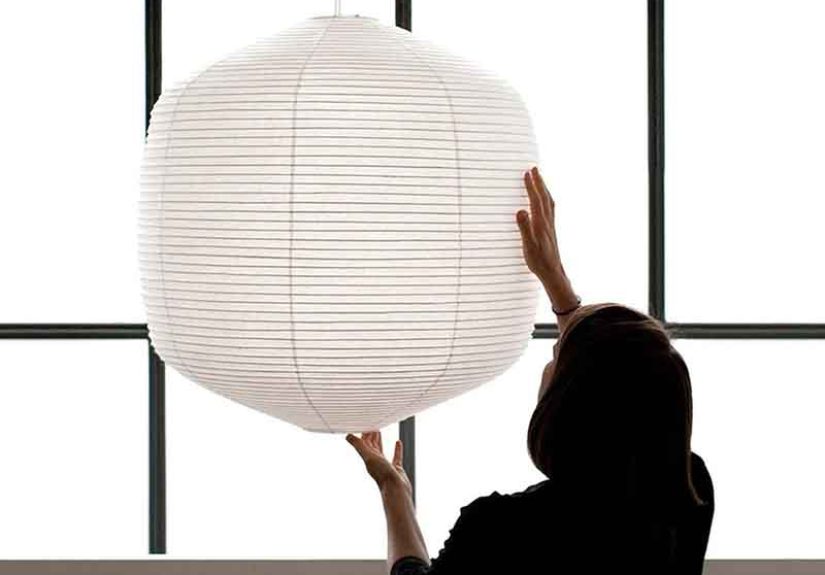
The Hotaru Marker is part of the Hotaru lighting collection, a series of paper lantern-inspired lights designed by Edward Barber and Jay Osgerby. The “2016” attached to the product name is tied to the year the Marker form was introduced. In other words, this is not a model number in the usual consumer-electronics sense. It is a design date, and a useful clue. It tells you that the Marker was added after the earlier Hotaru forms, expanding the collection with a new silhouette that feels both buoyant and architectural.
The piece is often described as a paper pendant light, but that undersells it. This is a design object with real visual presence. The shape is rounded but not purely spherical, soft but still geometric, traditional in material but contemporary in attitude. That balance is the secret sauce. Plenty of lights can illuminate a room. Far fewer can do it while also making the room look calmer, smarter, and more expensive than it really is.
The Design Story Behind It
The story of the Hotaru Marker Light starts with Barber & Osgerby’s fascination with Japanese paper lanterns. Their interest became a real project after contact with Ozeki, a long-established lantern maker in Gifu, Japan. That matters because this is not a superficial “inspired by tradition” object. The design is rooted in an actual craft lineage.
The broader Hotaru family draws on the heritage of Japanese lantern-making, especially the use of washi paper and bamboo structure. The word Hotaru means “firefly,” which is a wonderfully fitting name for a light that seems to float more than hang. That sense of weightlessness is central to the design. The Marker does not dominate a room in the way a brass chandelier might. Instead, it softens the room, almost as if the ceiling has learned some manners.
Design-wise, the Marker belongs to that rare category of objects that manage to be both historical and contemporary at once. It nods to craft traditions, yet its silhouette feels crisp and edited rather than nostalgic. That is why it works so well in modern interiors, quiet luxury spaces, Japandi rooms, minimalist dining areas, and homes that want warmth without clutter.
Materials, Construction, and Why They Matter
The Hotaru Marker Light 2016 uses translucent mulberry-bark washi paper stretched over a bamboo structure. Those materials are not decorative afterthoughts; they are the heart of the design. Washi diffuses light in a way that feels soft, warm, and flattering. Bamboo gives the form shape while keeping the lantern visually light. Together, they produce that signature paper-lantern glow people keep trying to imitate with frosted glass and acrylic. Sometimes technology wins. Sometimes paper still has the better personality.
This material choice also explains why the light feels timeless. Good paper lanterns are less about trend and more about atmosphere. The shade does not throw aggressive glare. Instead, it creates a mellow, ambient light that makes dining rooms look more intimate, living rooms more relaxed, and corners more intentional. It is not the light you choose because you want drama at all costs. It is the light you choose because you want a room to exhale.
Another important point: because the material is delicate-looking, people often assume it is fragile in everyday use. In practice, well-made paper lantern designs have endured for decades as a major design category. That staying power is one reason paper lantern pendants remain relevant. They are visual softeners in a world crowded with hard edges, flat surfaces, and enough black metal to build a small bridge.
Why the 2016 Marker Still Feels Current
Some lighting designs age badly. A few years pass, and suddenly the fixture looks like it should come with an apology and a matching espresso machine. The Hotaru Marker Light 2016 has held up better because it was never chasing novelty in the first place. Its appeal comes from proportion, craft, and restraint.
That restraint is exactly why it still works in 2026 interiors. Current design trends continue to favor natural materials, sculptural forms, layered lighting, and pieces that add texture without visual clutter. The Marker checks every one of those boxes. It gives you shape, softness, and presence without looking fussy. It works beautifully in spaces that lean minimalist, but it also plays nicely with wood-heavy interiors, vintage furniture, plaster walls, stone surfaces, and understated color palettes.
In other words, this is not a trend-chasing pendant. It is a modern paper lantern light with enough design discipline to outlive trend cycles. That is the difference between a fixture you replace after two years and one you keep defending to guests with the phrase, “No, no, look at the craftsmanship.”
Best Rooms and Styling Ideas
Dining Rooms
The Marker is especially strong over a dining table. Its diffused glow creates a gentle focal point, and its volume helps define the dining zone without making the room feel heavy. Because the fixture is sculptural but soft, it suits both formal and casual dining spaces. A walnut table, linen curtains, and one Hotaru Marker overhead? Very convincing. Almost annoyingly convincing.
Living Rooms
In a living room, the Marker works best when you want ambient light and a visual anchor. It is particularly effective in rooms with natural textures: wood, wool, stone, limewash, cane, boucle, and matte ceramics. It can also soften stricter architectural spaces that might otherwise feel too sharp or cold.
Bedrooms
Bedrooms benefit from lighting that feels calm rather than clinical. The Marker’s paper shade helps create that low-stress atmosphere. It is not a task light for reading tiny print from across the room, but it is excellent for mood and softness. Pair it with bedside lamps or wall sconces for layered lighting.
Entryways and Open-Plan Spaces
Because the silhouette is expressive without being loud, the fixture can work in an entryway or open-plan room where you need a visible focal point. It signals taste without descending into “look at me” territory. That is harder to achieve than Pinterest makes it seem.
How to Hang It Well
A beautiful pendant can look awkward if it is installed poorly. The most common mistake is hanging it too high, where it loses intimacy, or too low, where it becomes an obstacle with opinions.
For table-centered placement, the general rule used by lighting guides is to hang pendants about 28 to 36 inches above the tabletop. In dining rooms, many experts land around 30 inches above the table as a reliable visual starting point. In taller rooms, you can raise the fixture slightly. The goal is simple: keep the light low enough to create presence and warmth, but high enough to preserve sightlines and comfort.
Scale matters too. A pendant should feel proportionate to the table or zone beneath it. If the table is visually large and the pendant too small, the whole arrangement looks timid. If the pendant is oversized for the surface, it can feel top-heavy. The Marker’s generous shape makes it especially good at anchoring medium to large tables without needing multiple competing fixtures.
A dimmer is a very smart move here. Paper lantern-style fixtures shine brightest, figuratively speaking, when you can tune the mood. Dinner party? Lower it. Midday gloom? Lift the brightness. Existential Sunday afternoon? The dimmer understands.
Things to Consider Before Buying
It Is Ambient, Not Hardcore Task Lighting
The Hotaru Marker pendant is best for glow and atmosphere. If you need sharp work light, use it alongside recessed lighting, sconces, or table lamps. Think of it as the lead singer of the room, not the entire band.
Paper Needs a Little Respect
Paper lanterns are timeless, but they are not indestructible. They are better suited to dry interior environments than spaces with constant moisture or grime buildup. A well-placed pendant in a dining room, living room, or bedroom makes more sense than a steamy bathroom or a heavily splattering stovetop situation.
Check Electrical Compatibility
Because design products can be sold through different markets, buyers should always verify wiring standards, bulb compatibility, and certification details with the retailer before purchasing. That is not a criticism of the product. It is just grown-up lighting behavior, like measuring before buying and pretending you always planned to do that.
Who Is This Light Really For?
The Hotaru Marker Light 2016 is ideal for people who like interiors that feel thoughtful, soft, and understated. It is for the homeowner who would rather invest in one memorable fixture than buy three trendier ones that age like milk. It is for those who appreciate the intersection of craft and modern design. It is also for anyone who has stared at a room and thought, “This space needs warmth, but I refuse to solve it with another beige throw blanket.”
This light suits collectors of modern design, lovers of Japanese-inspired interiors, and anyone building a home around texture rather than clutter. It also makes sense for designers specifying pieces that need to work visually in daylight and at night. Some fixtures disappear when turned off. The Marker still reads as sculpture.
Experience Section: Living With the Hotaru Marker Light 2016
To understand why the Hotaru Marker Light 2016 has such lasting appeal, it helps to think beyond the catalog description and imagine what it actually brings to daily life. Not in a fantasy “my home is a museum and I float through it wearing linen” way, but in the real-world sense of how a room feels at breakfast, at dinner, and during those odd in-between moments when lighting quietly decides whether a space feels harsh or humane.
Picture the Marker over a dining table on an ordinary weekday evening. The table might be oak, the dishes might not match, and one chair may secretly be the squeaky chair nobody claims responsibility for. Yet the room feels more composed the minute the light is switched on. The washi shade does something many fixtures fail to do: it removes the sense of interrogation. Instead of blasting the table from above, it wraps the space in a softer pool of brightness. Food looks better. Faces look kinder. Even leftovers gain a little dignity.
During the day, the pendant works differently. When sunlight is moving through the room, the Marker still holds its own as an object. It does not rely on being illuminated to have value. The shape reads as calm sculpture, a suspended volume that gives the room rhythm. In a neutral interior, it adds softness. In a more layered room, it acts like a visual pause. That is one of the best experiences of living with a light like this: it earns its keep when off as well as on.
In open-plan homes, the experience can be even stronger. One well-placed Marker can define a zone without building a wall or creating visual clutter. The dining area feels intentional. The room feels edited. You get that subtle architectural benefit without needing a renovation budget, a contractor, or the emotional resilience required to choose grout.
There is also the tactile, almost emotional quality of paper lantern lighting. Hard materials dominate many modern interiors: stone counters, steel frames, glass partitions, polished plaster, engineered wood, and enough matte black hardware to make every room feel mildly serious. A paper lantern interrupts that hardness. It introduces vulnerability, softness, and human craft. The experience is not flashy, but it is memorable. People may not ask for the bulb wattage. They will, however, ask, “What is that light?” which is usually the design-world equivalent of applause.
Even maintenance affects the ownership experience. A light like this encourages a slightly more careful relationship with your objects. You do not manhandle it. You live with it attentively. That may sound fussy, but it is also part of the pleasure. In an era of disposable decor, a piece that asks for a little awareness can feel refreshing. It slows the room down. It slows you down a bit too, in a good way.
And perhaps that is the clearest experience attached to the Hotaru Marker: it changes the emotional temperature of a room. Not by shouting, sparkling, or performing tricks, but by glowing with confidence and restraint. Some lights simply help you see. This one helps the room feel seen.
Final Thoughts
The Hotaru Marker Light 2016 is more than a pendant with a nice shape. It is a contemporary design piece grounded in traditional lantern craft, and that combination gives it rare staying power. It offers soft light, sculptural form, and material warmth without becoming theatrical. It belongs to the category of objects that improve a room quietly, which is often the most sophisticated thing a design can do.
If you want a light that feels modern but not cold, iconic but not overexposed, and artisanal without looking overly precious, the Marker makes a strong case for itself. It proves that sometimes the smartest lighting decision is not the boldest one. Sometimes it is the one that glows softly above the table and makes the whole room feel more alive.