Table of Contents >> Show >> Hide
- The “Layers of Flavor” Game Plan (So Your Lasagna Doesn’t Turn Into Soup)
- 7 Creative Lasagna Recipes with Layers of Flavor
- 1) The “Sunday Night” Bolognese + Béchamel Lasagna (Deep, Rich, Classicbut Not Boring)
- 2) White Chicken Lasagna with Spinach + Ricotta (Creamy, Garlicky, Weeknight-Friendly)
- 3) Spinach-Artichoke Lasagna (Basically the Dip, But With Actual Layers)
- 4) Roasted Vegetable + Goat Cheese Lasagna (Sweet, Savory, and Not Even a Little Soggy)
- 5) Butternut Squash + Sage Lasagna (Cozy Autumn Energy All Year Long)
- 6) Pesto Lasagna with Pesto-Béchamel (Herby, Bright, and Totally Not Subtle)
- 7) Taco Lasagna (Tortilla Layers, Cheddar Glory, and Taco Tuesday Meets Sunday Casserole)
- Make-Ahead, Storage, and Reheating Tips (Because Future-You Deserves Nice Things)
- Lasagna Experiences: The Good, the Messy, and the “Why Is My Pan Boiling?” Moments (500+ Words)
- Conclusion
Lasagna is basically edible architecture: sturdy foundation, dramatic middle floors, and a rooftop of bubbling cheese that makes the whole neighborhood jealous. But if your lasagna routine has gotten a little… “same casserole, different Tuesday,” it’s time to remix the blueprint.
Below are seven creative lasagna recipes (and smart shortcuts) that keep the comfort-food soul of homemade lasagna while adding new layers of flavorthink pesto-bechamel, roasted veggie sweetness, taco-night chaos (the good kind), and a mushroom-forward version that tastes like you own a tiny cabin in the woods (even if your “cabin” is a studio apartment with a brave houseplant).
The “Layers of Flavor” Game Plan (So Your Lasagna Doesn’t Turn Into Soup)
1) Control moisture like it owes you money
- Cook watery vegetables first (spinach, zucchini, mushrooms). Sauté or roast to drive off liquid and concentrate flavor.
- Squeeze greens (especially spinach) until they stop “crying.” This is not the time for mercy.
2) Think in contrasts: creamy + acidic + salty + herbaceous
- Creamy layers (ricotta, béchamel, or both) need bright counterpoints (tomatoes, lemon zest, vinegar-y salsa, or fresh herbs).
- Salt and umami come from Parmesan, Romano, miso (yes, really), mushrooms, or browned meat.
3) Let it rest before slicing
Fresh-from-the-oven lasagna is lava in disguise. Resting helps the layers set so you get clean slices instead of a delicious landslide. (Still delicious. Just… emotionally unstable.)
7 Creative Lasagna Recipes with Layers of Flavor
1) The “Sunday Night” Bolognese + Béchamel Lasagna (Deep, Rich, Classicbut Not Boring)
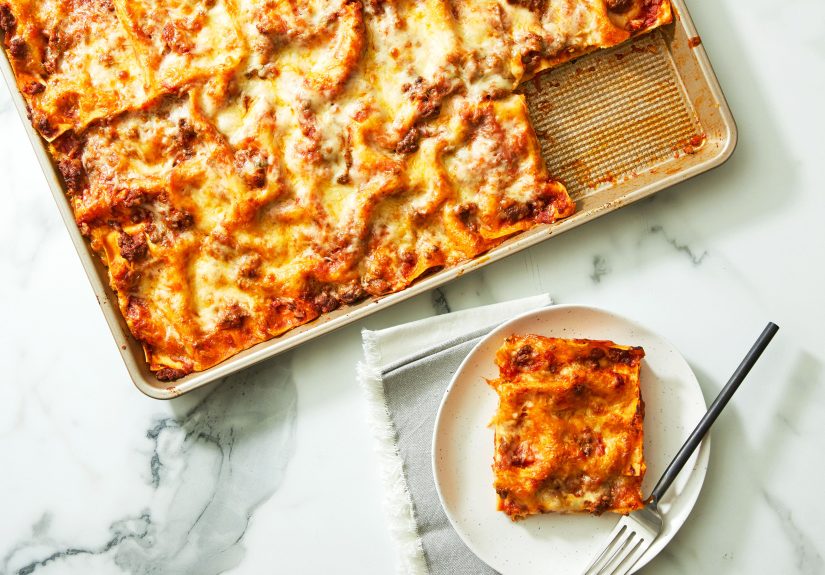
This is the lasagna for when you want maximum coziness and minimum regrets. The flavor trick is pairing a slow-simmered meat sauce (tomato + aromatics) with a silky béchamel layer. Tomato brings acidity; béchamel brings velvet; Parmesan brings the mic drop.
Key layers: ragù (or meat sauce), noodles, béchamel, Parmesan + mozzarella.
Make it taste “restaurant-y”: add a splash of milk to the meat sauce while it simmers (it softens and rounds the flavor), and finish with a thin Parmesan layer right under the top cheese for extra browned edges.
Assembly tip: keep the bottom saucy so the pasta cooks evenly. If using oven-ready noodles, make sure there’s enough liquid in the dish.
2) White Chicken Lasagna with Spinach + Ricotta (Creamy, Garlicky, Weeknight-Friendly)
If red sauce feels too “heavy metal” tonight, go white and silky. This version uses shredded chicken (rotisserie is totally allowed), a simple béchamel, and a ricotta-spinach filling that hits creamy, savory, and herby in every bite.
Key layers: béchamel (garlic + Parmesan), noodles, ricotta + spinach, shredded chicken, mozzarella.
Flavor booster: fold in lemon zest and a pinch of nutmeg to the béchamel. It won’t taste like lemon or nutmegit’ll taste like “wow.”
Shortcut that doesn’t taste like a shortcut: use rotisserie chicken, but warm it briefly in a spoonful of sauce so it stays juicy.
3) Spinach-Artichoke Lasagna (Basically the Dip, But With Actual Layers)
This one is for anyone who has ever said, “I’ll just have one more bite,” while standing over the kitchen counter like a raccoon guarding treasure. Spinach-artichoke flavor is already a proven crowd-pleaser; turning it into a lasagna makes it dinner-approved.
Key layers: creamy sauce (béchamel or a light cream sauce), noodles, spinach + artichoke + ricotta mixture, mozzarella, Parmesan.
How to keep it bright: chop artichokes well and add a squeeze of lemon to the filling. It cuts the richness and keeps the flavor from feeling flat.
Optional power move: a thin layer of marinara on the bottom (not everywhere) adds just enough acidity without changing the “white lasagna” vibe.
4) Roasted Vegetable + Goat Cheese Lasagna (Sweet, Savory, and Not Even a Little Soggy)
Roasting vegetables is like giving them a personality upgrade: zucchini gets sweeter, peppers get smoky, onions get jammy, and suddenly your lasagna tastes like it has a passport. Goat cheese adds tang that keeps everything lively.
Key layers: roasted veggies, marinara, noodles, ricotta (or cottage cheese), goat cheese crumbles, mozzarella.
Moisture control: roast on a hot sheet pan until edges caramelize, then cool before layering. If you toss veggies in raw, the lasagna will release water and turn into a casserole puddle.
Flavor tip: add fresh basil or parsley at the end (not during baking) for a pop of “fresh” that makes everything taste more vibrant.
5) Butternut Squash + Sage Lasagna (Cozy Autumn Energy All Year Long)
This is the lasagna that shows up wearing a sweater and carrying a candle. Roasted butternut squash brings sweetness; sage brings that woodsy, savory aroma; and a creamy ricotta layer ties it together like the world’s tastiest scarf.
Key layers: roasted squash, ricotta-cream mixture, noodles, mozzarella, sage + Parmesan.
Why it works: squash is naturally sweet, so the lasagna tastes “complex” without extra effort. Sage and nutmeg keep it from becoming dessert.
Optional upgrade: brown the butter for the sauce or drizzle. That nutty flavor makes the whole pan taste deeper and more “special occasion.”
6) Pesto Lasagna with Pesto-Béchamel (Herby, Bright, and Totally Not Subtle)
If classic lasagna is a cozy flannel shirt, pesto lasagna is a crisp linen button-down: fresh, aromatic, and a little fancy without trying too hard. The trick is combining pesto with béchamel so every layer stays creamy while still tasting like basil, garlic, and Parmesan.
Key layers: pesto-béchamel, noodles, ricotta (or mascarpone if you’re feeling bold), mozzarella, Parmesan.
Balance tip: pesto can be intense, so mix it into a creamy sauce rather than slathering it straight. You’ll get flavor in every bite without feeling like you ate a basil plant whole.
Great add-ins: sautéed zucchini ribbons, shredded rotisserie chicken, or a layer of roasted cherry tomatoes for sweetness and acidity.
7) Taco Lasagna (Tortilla Layers, Cheddar Glory, and Taco Tuesday Meets Sunday Casserole)
This is what happens when lasagna and tacos meet in a parking lot and decide to become best friends. Instead of noodles, you layer tortillas with seasoned meat, beans, salsa, cheese, and a creamy element (sour cream, crema, or a quick lime-y yogurt sauce).
Key layers: tortillas (corn or flour), taco-seasoned beef or turkey, black beans, salsa, creamed corn (optional), cheddar + pepper jack, crema/sour cream.
Why it works: tortillas soak up flavor like pasta does, but they bring their own toasty corn/wheat tasteplus they’re faster than boiling noodles.
Keep it from getting watery: use thicker salsa, drain beans, and don’t overdo the fresh tomatoes inside the bakesave pico for topping.
Serve like a legend: shredded lettuce, jalapeños, cilantro, lime wedges, and crushed tortilla chips for crunch.
Make-Ahead, Storage, and Reheating Tips (Because Future-You Deserves Nice Things)
- Make-ahead assembly: build the lasagna, cover tightly, and refrigerate overnight. Add a few extra minutes of bake time if it’s cold from the fridge.
- Freezer-friendly: wrap tightly and freeze for a month or two for best quality. Label it so you don’t discover “mystery casserole” later.
- Foil trick: lightly oil or spray the foil before covering so your cheese doesn’t weld itself to the foil like a tragic romance.
- Reheating: warm slices covered in the oven for best texture, or microwave in short bursts (cover it so it heats evenly).
Lasagna Experiences: The Good, the Messy, and the “Why Is My Pan Boiling?” Moments (500+ Words)
Everyone has a lasagna story. Even people who claim they “don’t really cook” somehow have a memory of lasagnausually involving a big pan, a bigger appetite, and at least one slightly chaotic family gathering where someone inevitably says, “Did we make enough?” while standing next to a casserole the size of a small boat.
The first time you make lasagna, it feels like assembling a delicious mattress. There’s pasta. There’s sauce. There’s cheese. There’s the sudden realization that your kitchen now contains three mixing bowls, a saucepan, a skillet, and one spoon you keep losing and finding like it’s playing hide-and-seek. You start with calm confidence, and by layer three you’re whispering motivational speeches to the noodles: “Stay strong. Hold the line.”
Then comes the oven phasewhen you discover lasagna has two personalities. Personality one is “quietly baking.” Personality two is “boiling at the edges like it’s auditioning to be a hot spring.” If you’ve ever watched sauce bubble over and caramelize on the bottom of the oven, you know the emotional arc: curiosity → mild concern → frantic foil-tenting → acceptance. (And later, the inevitable scraping sound of a spatula removing baked-on sauce from the pan like you’re excavating ancient ruins.)
But the payoff is real. Lasagna is one of those foods that makes people drift into the kitchen “just to check on things,” then accidentally hover until it’s done. It’s also a rare dinner that gets better the next daylike leftovers that went to finishing school overnight. The flavors meld, the layers firm up, and suddenly your lunch tastes like you planned your life with intention. Even a basic slice eaten cold from the fridge has a weird little magic to it. (Not that anyone would do that. Definitely not. Absolutely not.)
Some of the best lasagna memories come from improvisation. Maybe you made pesto lasagna because you had basil that was one day away from becoming compost. Or you tried taco lasagna because the household couldn’t agree on “Italian” versus “Mexican,” and you refused to mediate another dinner debate like a culinary diplomat. Or you made roasted vegetable lasagna after a farmers market haul and felt smugly accomplished, like a person in a rom-com who “totally has it together.”
And then there’s the communal side: lasagna as a gift. It’s what you bring to a friend who just had a baby, or to someone going through a rough week, or to a potluck where you want to contribute something that will disappear fast. It’s hard to be mad at the world while holding a warm plate of cheesy layers. Lasagna is comfort food with structureliterally and emotionally.
The most “pro” lasagna lesson you learn over time is also the simplest: let it rest. The first time you wait those extra minutes before slicing, you feel like you’ve unlocked a secret level. The pieces come out neat. The layers stay stacked. People compliment your “technique,” and you nod thoughtfully like you didn’t learn this from a moment of impatient failure five lasagnas ago. That’s the lasagna journey: messy beginnings, better layers, and eventuallyconfidence that no matter what happens, cheese will make it okay.
Conclusion
The best part about creative lasagna recipes is that they’re flexible: you can go classic and luxurious with béchamel, bright and herby with pesto, cozy and seasonal with butternut squash, or bold and crowd-pleasing with taco layers. Master moisture, balance creamy with acidic, and rest before slicingand your lasagna will come out with clean layers and big flavor every time.