Table of Contents >> Show >> Hide
- Why This Roasted Acorn Squash Salad Works
- Roasted Acorn Squash Salad Recipe (Base Version)
- Best Ingredient Combinations for a More Flavorful Fall Salad
- Three Delicious Variations You Can Try
- Tips for Roasting Acorn Squash Perfectly
- Make-Ahead, Storage, and Leftover Tips
- Serving Ideas: When to Make This Salad
- Troubleshooting: Common Mistakes and Easy Fixes
- Conclusion
- Extended Reader Experience: Real-Life Moments with Roasted Acorn Squash Salad (Added 500+ Words)
If summer salads are the breezy friend who always wears linen, this roasted acorn squash salad is their cooler-weather cousin in a chunky sweater who still knows how to have fun. It’s warm, crisp, sweet, tangy, savory, and just fancy enough to make people assume you own matching serving bowls.
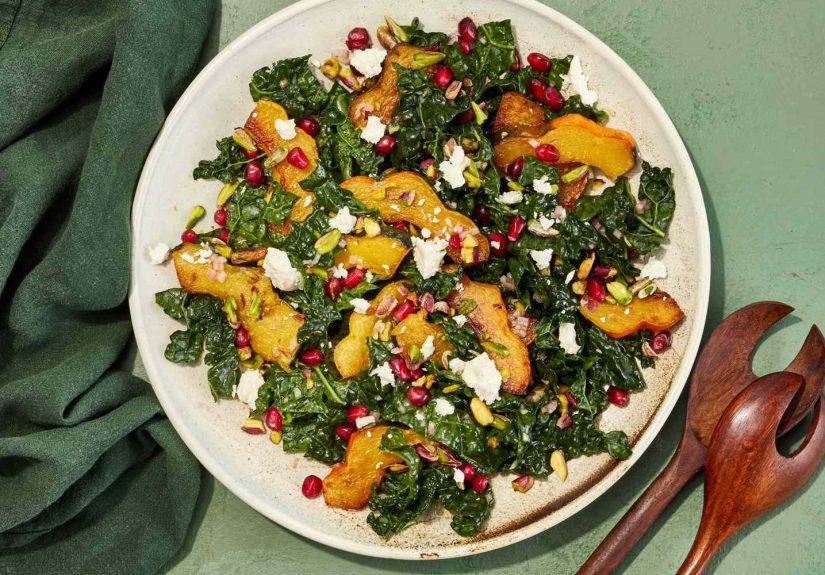
This roasted acorn squash salad recipe is built for real life: a weeknight dinner, a holiday side dish, a meal-prep lunch, or that “I want vegetables, but I also want joy” moment. Roasted acorn squash brings caramelized edges and a buttery texture. Greens add freshness. Crunchy nuts or seeds keep things interesting. A punchy vinaigrette ties everything together like a very competent group chat organizer.
Below, you’ll get a reliable base recipe plus smart variations, make-ahead tips, troubleshooting, and serving ideas so you can make it once and then riff on it forever.
Why This Roasted Acorn Squash Salad Works
The magic of a good fall squash salad is contrast. Acorn squash is naturally sweet and turns even sweeter when roasted. Pair that with bitter or peppery greens (like arugula or kale), a tangy dressing, and a salty cheese, and suddenly you’ve got a balanced dish that tastes like you planned your life.
Flavor + Texture Balance
- Sweet: roasted acorn squash, maple syrup, dried fruit, pomegranate arils
- Tangy: apple cider vinegar or lemon juice in the dressing
- Salty: feta, goat cheese, or Parmesan shavings
- Crunchy: pepitas, pecans, pistachios, almonds, toasted breadcrumbs
- Fresh/Bitter: kale, arugula, radicchio, escarole, mixed greens
It’s Flexible Without Becoming Chaos
You can keep it vegetarian, make it vegan, bulk it up with grains or protein, or turn it into a holiday centerpiece platter. Unlike fragile lettuce-only salads that wilt if you glance at them too long, this one has enough structure to survive dinner prep and second helpings.
Roasted Acorn Squash Salad Recipe (Base Version)
Servings
4 as a main dish, or 6–8 as a side
Prep + Cook Time
Prep: 20 minutes | Cook: 25–30 minutes | Total: About 50 minutes
Ingredients
For the roasted acorn squash
- 1 medium acorn squash (about 1 1/2 to 2 pounds)
- 1 1/2 tablespoons extra-virgin olive oil
- 1 tablespoon maple syrup (optional, but excellent)
- 1/2 teaspoon kosher salt
- 1/4 teaspoon black pepper
- 1/2 teaspoon ground cumin
- 1/4 teaspoon ground cinnamon (optional, for a warm fall note)
For the salad
- 5–6 cups greens (baby kale, arugula, mixed greens, or a combo)
- 1/3 cup pomegranate arils (or dried cranberries/chopped dates)
- 1/3 cup toasted pepitas or chopped pecans
- 1/4 small red onion, thinly sliced (optional)
- 1/3 cup crumbled feta or goat cheese (optional)
- 1 small apple or pear, thinly sliced (optional, but very good)
For the maple Dijon vinaigrette
- 3 tablespoons extra-virgin olive oil
- 1 1/2 tablespoons apple cider vinegar
- 1 teaspoon Dijon mustard
- 1–2 teaspoons maple syrup
- 1 small shallot, finely minced (or 1 teaspoon very finely minced red onion)
- Pinch of salt and black pepper, to taste
How to Make Roasted Acorn Squash Salad
1) Prep the squash
Preheat your oven to 425°F. Line a sheet pan with parchment paper for easier cleanup.
Cut the acorn squash in half, scoop out the seeds, and slice into 1/2-inch crescents or bite-size chunks. (You can leave the skin on if you like; it softens when roasted, especially on thinner slices. If you prefer a softer bite, peel it.)
2) Roast until caramelized
Toss the squash with olive oil, maple syrup, salt, pepper, cumin, and cinnamon. Spread in a single layerno overlapping, no crowding, no squash traffic jam.
Roast for 25–30 minutes, flipping halfway, until tender and browned at the edges. If your pieces are smaller, start checking at 20 minutes. Let cool slightly so the salad stays lively instead of steamed.
3) Make the vinaigrette
In a small bowl or jar, whisk together olive oil, apple cider vinegar, Dijon mustard, maple syrup, shallot, salt, and pepper. Taste and adjust. Want more brightness? Add a squeeze of lemon. Want more sweetness? Another drizzle of maple.
4) Build the salad
Add greens to a large bowl. If using kale, drizzle in a little dressing and massage for 1–2 minutes to soften it. (Yes, massage the kale. It’s been through a lot.)
Add the roasted squash, pomegranate arils, pepitas, red onion, and apple or pear. Drizzle with dressing and toss gently. Finish with feta or goat cheese right before serving.
5) Serve warm or room temperature
This salad is best when the squash is still slightly warm and the greens are cool and crisp. That temperature contrast is a big part of why it tastes so good.
Best Ingredient Combinations for a More Flavorful Fall Salad
A great roasted acorn squash salad is more than a recipeit’s a formula. Once you understand the building blocks, you can adapt it to whatever’s in your fridge without ending up with “mystery salad.”
Greens That Pair Well with Acorn Squash
- Kale: sturdy, hearty, ideal for make-ahead salads
- Arugula: peppery and fresh; great if you want a lighter feel
- Radicchio: bitter, beautiful, and excellent with sweet squash
- Mixed greens: easy and crowd-friendly
- Spinach: tender and mild; toss gently
Crunchy Toppings
- Pepitas (pumpkin seeds)
- Toasted pecans or walnuts
- Pistachios for color and saltiness
- Hazelnuts for a deeper, roasted flavor
- Homemade croutons if you want a panzanella-inspired twist
Cheese Options
- Feta: salty and crumbly
- Goat cheese: creamy and tangy
- Blue cheese: bolder, great with bitter greens
- Parmesan: nutty and savory
- Skip it: for a vegan winter squash salad
Fruits That Add Pop
- Pomegranate arils (classic and festive)
- Thinly sliced apple (Honeycrisp, Gala, or Granny Smith)
- Pear slices
- Dried cranberries
- Chopped dates for caramel-like sweetness
Three Delicious Variations You Can Try
1) Maple Tahini Acorn Squash Salad
Swap the vinaigrette for a tahini dressing (tahini + lemon juice + maple syrup + water + salt). This version is creamy, nutty, and especially good with kale, dates, and almonds.
2) Holiday Roasted Acorn Squash Salad Platter
Use arugula + radicchio, add pomegranate, toasted pecans, feta, and maybe a few slices of roasted red onion. Arrange it on a platter instead of tossing everything together. It looks dramatic, and people will assume you watched a plating tutorial.
3) Make-It-a-Meal Grain Bowl Salad
Add cooked farro, quinoa, or wild rice and top with chickpeas, roasted chicken, or salmon. The salad becomes a hearty lunch that actually keeps you full past 3 p.m.
Tips for Roasting Acorn Squash Perfectly
Cut It Evenly
Uneven pieces roast unevenly. Some burn while others stay undercooked, which is a great way to learn patience but not a great way to make salad. Aim for similar thickness throughout.
Don’t Crowd the Pan
If the squash is packed too tightly, it steams instead of caramelizing. Use two pans if needed. Brown edges = flavor.
Use High Heat
Roasting at 400–425°F is ideal for getting tenderness and caramelization. Lower heat can work, but you’ll usually lose some of that deep roasted flavor.
Dress the Salad at the Right Time
Dress tender greens right before serving. If using kale, it can handle dressing earliersometimes it tastes even better after sitting a bit.
Make-Ahead, Storage, and Leftover Tips
What You Can Prep Ahead
- Roast the acorn squash up to 2 days ahead
- Make the dressing 2–4 days ahead
- Wash and dry greens ahead of time
- Toast nuts/seeds in advance
- Assemble just before serving for the best texture
How to Store Leftovers
Store leftover salad in an airtight container in the refrigerator. If possible, keep dressing separate so the greens don’t get soggy. Undressed components hold up much better than a fully dressed salad.
If the salad includes leafy greens and dressing, it’s best the same day or next day. Roasted squash on its own reheats well and can be reused in grain bowls, wraps, omelets, or a very ambitious grilled cheese.
Food Safety Basics (Worth Knowing)
For mixed salad and leftovers, refrigerate promptly and avoid leaving perishable ingredients out too long at room temperature. Use shallow containers for faster cooling and reheat leftover roasted squash (if reheating) until hot throughout. These simple habits keep your delicious dinner from turning into a regrettable science project.
Serving Ideas: When to Make This Salad
- Thanksgiving or Friendsgiving: a standout holiday side dish
- Weeknight dinner: pair with roast chicken or soup
- Lunch meal prep: keep dressing separate and add protein
- Potluck: bring on a platter and dress just before serving
- Date night at home: yes, salad can be romantic if there’s roasted squash involved
Troubleshooting: Common Mistakes and Easy Fixes
The Squash Is Mushy
Pieces were likely cut too small, overcooked, or crowded on the pan. Next time: larger pieces, more space, and check earlier.
The Salad Tastes Flat
Add more acid (vinegar or lemon), a pinch of salt, or something crunchy. Most “meh” salads are one of those three things away from being excellent.
The Kale Is Too Tough
Massage it with a little dressing for 1–2 minutes, or slice it thinner. Kale needs a bit of help before it becomes everyone’s favorite leafy overachiever.
The Dressing Is Too Sharp
Balance it with a little more olive oil or maple syrup. You can also add a spoonful of tahini or yogurt for a creamier, softer finish.
Conclusion
A roasted acorn squash salad recipe is the kind of dish that earns repeat status because it’s both practical and impressive. It uses simple ingredients, rewards good technique, and adapts to whatever you’re cooking around it. Whether you make it with kale and maple Dijon vinaigrette, dress it up with pomegranate and feta, or go creamy with tahini, the formula stays reliable: roasted squash + fresh greens + crunch + contrast.
In other words, it’s a salad that doesn’t feel like a compromise. It feels like dinner showed up dressed nicely.
Extended Reader Experience: Real-Life Moments with Roasted Acorn Squash Salad (Added 500+ Words)
One of the most relatable experiences with this salad is the first time someone makes it “for a side” and then quietly realizes it is stealing the entire meal. That happens a lot with roasted acorn squash salads because the warm squash gives the dish real substance. People expect salad to be light and polite. This one is light and persuasive.
A common kitchen moment: the squash comes out of the oven looking deeply golden at the edges, and suddenly everyone in the house appears near the sheet pan “just to check on dinner.” A few pieces disappear before the salad is assembled. This is normal. Consider it quality control.
Another frequent experience is discovering how much the salad changes depending on the greens. With arugula, it feels bright, peppery, and a little elegantgreat for serving with fish or roast chicken. With kale, it becomes heartier and more meal-like, the kind of lunch that actually carries you through the afternoon. With radicchio mixed in, it gets a grown-up bitterness that pairs beautifully with sweet squash and salty cheese. Same recipe family, completely different personality.
This dish also tends to become a “holiday problem solver.” Need a vegetable side that isn’t another casserole? Roasted acorn squash salad. Need something colorful on a table full of beige foods? Roasted acorn squash salad. Need a dish that can be partially prepped ahead so you’re not whisking dressing while the oven timer, doorbell, and relatives all go off at once? Again, roasted acorn squash salad.
Home cooks often report that the biggest breakthrough is learning to season and roast the squash boldly enough. The first attempt is sometimes under-seasoned because people assume the dressing will do all the work. Then they make it again, add a little more salt, maybe maple syrup, maybe cumin, let the squash get a bit more colorand suddenly the salad goes from “pretty good” to “please send me that recipe.”
There’s also the make-ahead lesson many cooks learn after one soggy-bowl incident: keep the dressing separate until serving, especially with tender greens. Once you do that, this recipe becomes dramatically more reliable for potlucks and meal prep. Roast the squash. Toast the seeds. Mix the dressing. Wash the greens. Then assemble at the last minute like a composed, unbothered person (even if your kitchen looks like a squash-themed tornado passed through).
For families, this salad can be surprisingly kid- and skeptic-friendly if you serve the components separately at first. A little pile of roasted squash, a few apple slices, some pepitas, greens on the side, dressing offered instead of forcedsuddenly people who “don’t do salad” are building their own bowls. The roasted squash is usually the gateway ingredient.
Another real-world benefit is how well leftovers evolve. Extra roasted squash can become tomorrow’s grain bowl, folded into scrambled eggs, blended into soup, or tucked into a wrap with greens and cheese. So even if the salad itself is a one-night star, the roasted squash keeps helping out. It’s the reliable supporting actor that ends up winning the award.
And finally, there’s the experience every cook loves: serving something that looks festive and tastes balanced without requiring complicated technique. No deep frying. No obscure equipment. No twelve-step sauce. Just good roasting, a sharp dressing, and smart layering. That’s why this recipe keeps coming back every fall and winterit feels seasonal, flexible, and genuinely satisfying, which is exactly what most home cooks want when they search for a roasted acorn squash salad recipe in the first place.