Table of Contents >> Show >> Hide
- Why This Kitchen Has People Talking (and Squinting at the Light)
- The Reflect Look, Decoded
- Materials and Construction: The Nerdy Details That Actually Matter
- How Reflect Behaves in Real Homes: Light, Space, and the “Open Shelving” Illusion
- Reflect in an American Kitchen: Styling Playbook (No Beret Required)
- Which Version Should You Choose: Reflect Metal vs Reflect Black?
- What to Ask Before You Commit (Especially If You’re Renovating)
- Wrap-Up: A Kitchen That Changes With You
- Real-World Experiences: Living With a Reflective, Ridged-Metal Kitchen (Extra )
- SEO Tags
Some kitchens are where you make dinner. Others are where you accidentally make eye contact with yourself while grabbing a spoon and briefly contemplate every decision that led you here. Reform’s Reflect kitchen by Jean Nouvel is firmly in the second categoryin the best way.
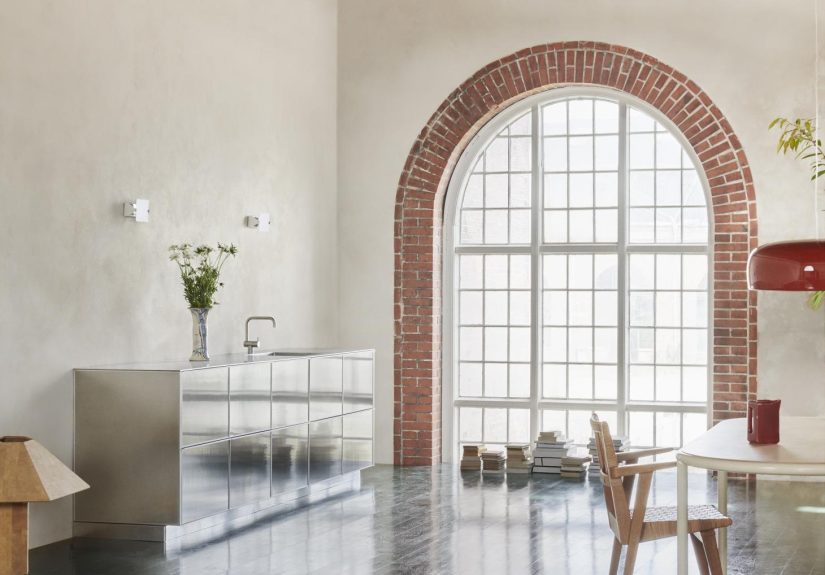
Built around ridged stainless-steel fronts that catch and scatter light, Reflect is a modular kitchen system that behaves less like cabinetry and more like a mood ring for your home. Morning sun? Soft shimmer. Overcast afternoon? Smoky calm. Evening pendant lights? Hello, cinematic glow. It’s architectural dramaserved with practical storage.
Why This Kitchen Has People Talking (and Squinting at the Light)
Jean Nouvel has built museums and landmarks by treating light like a building material, not an afterthought. Reflect pulls that same philosophy into the most lived-in room of the house: the kitchen. The concept is simple: create a surface that changes as you move, as daylight shifts, and as the room fills with life. Reform describes the result as an “ever-changing backdrop for life,” and that’s not marketing fluffit’s basically physics with better styling.
Design outlets didn’t latch onto Reflect because it’s loud; they latched on because it’s subtle in a way that still feels bold. The ridges don’t reflect like a mirror. They break light into softer, directional highlights, so the kitchen reads as luminous rather than shiny. Think: “gallery wall,” not “disco ball.”
The Reflect Look, Decoded
1) The ridges are the whole point
Reflect’s signature move is its vertical micro-ridged metal surface. Those grooves act like tiny prisms, grabbing light and tossing it around the room in a quieter, more forgiving way than a flat glossy panel. The effect can make the cabinetry feel almost translucentlike you’re seeing a hint of depth without actually giving up the sanity of closed storage.
2) Two finishes: “Metal” and “Black”
Reflect comes in two primary personalities: Natural metal (a steel-forward look that reads airy and architectural) and black (a darker, sleeker version that can feel like modern Art Deco without the top hat and cane). If natural metal is the confident extrovert who wears crisp white sneakers, black is the mysterious friend who always looks expensive in a plain T-shirt.
3) It’s modular, not precious
This isn’t a “please don’t breathe near the cabinets” design object. Reflect is a kitchen system meant for real layoutsruns, wall cabinets, islands, appliance towersbuilt for homes where cooking happens and cereal boxes exist.
Materials and Construction: The Nerdy Details That Actually Matter
Reflect looks like a design stunt until you dig into how it’s made. The fronts use a thin embossed stainless-steel sheet over a colored core and are framed on all sides by anodized aluminum profiles. The handle is integrated into that aluminum framing, so you don’t get extra hardware clutter interrupting the lines.
Front build (what your hands touch every day)
- Embossed stainless steel front: 0.8 mm sheet with vertical ridges
- Core: 16 mm colored MFC (melamine-faced chipboard)
- Frame/edge: anodized aluminum profiles
- Protective finish: clear anti-fingerprint varnish; black version uses black PVD + clear protective coating
Thickness and feel (yes, it changes the vibe)
The fronts are designed to feel substantial: the total thickness is listed at 20 mm for doors/drawers, and the overall thickness including the integrated aluminum handle is about 35 mm. Translation: it feels intentionally “architectural,” not flimsy.
Countertop options that keep the story consistent
Nouvel recommends pairing the metal fronts with a stainless-steel countertop for a continuous, industrial-metal narrative. But Reform also points to Fenix NTM laminate (in gray or black, with ABS edges) as a softer, ultra-matte counterpointgreat if you want the cabinets to be the star and the counter to be the calm supporting actor.
Care and cleaning (because fingerprints are a lifestyle)
The official guidance is refreshingly normal: a soft cloth, warm water, and mild household detergentthen dry with a soft cloth. The anti-fingerprint varnish helps, but it’s not magic; it’s more like a helpful friend who shows up early, not a miracle worker who cleans your whole apartment.
How Reflect Behaves in Real Homes: Light, Space, and the “Open Shelving” Illusion
Here’s the design trick Reflect pulls off: it gives you some of the airy feeling people chase with open shelvingwithout forcing you to curate your dish stacks like they’re auditioning for a magazine shoot.
In small kitchens, reflective (not mirrored) cabinetry can make corners feel less heavy. That’s why you’ll see Reflect pop up in tighter layouts: brick-walled loft moments, compact city kitchens, and light-obsessed Scandinavian-inspired spaces where daylight is treated like a limited-edition collectible.
A practical design pairing that keeps showing up
The best Reflect installations tend to balance “industrial” with “human.” Think warm woods, soft stone, textiles, or even painted brick. The metal becomes a crisp counterpoint instead of the whole personality of the room.
- Warm wood: oak or smoked oak tones make the steel feel inviting rather than chilly
- Stone: marble or richly veined surfaces can add depth and keep the look from becoming too clinical
- Matte counters: Fenix-style matte surfaces reduce glare and let the ridges do the reflecting
Reflect in an American Kitchen: Styling Playbook (No Beret Required)
Go “gallery clean,” not “operating room”
Reflect loves restraint. If everything is also glossy, shiny, mirrored, or chrome, the room can start to feel like it’s hosting a sci-fi convention. Pair it with quieter finishes: matte paint, plaster-like walls, honed stone, or wood with visible grain.
Use lighting like a co-designer
Because Reflect responds to light, lighting choices become extra important:
- Warm, diffused pendants: create soft highlights that move across the ridges
- Under-cabinet lighting: turns the backsplash into a glow zone and makes prep feel luxe
- Avoid harsh glare: very bright, unshaded bulbs can create “hot spots” on metal surfaces
Choose your chaos level
If you like a calm kitchen, the black version can hide visual noise better (think: fewer reflections of countertop clutter). If you want the room to feel bigger and brighter, natural metal tends to bounce light around more.
Which Version Should You Choose: Reflect Metal vs Reflect Black?
Reflect Metal
Best for: smaller kitchens, darker rooms, and anyone who wants that “architect’s apartment” energy without removing all signs of human life. Natural metal is brighter, more obviously reflective, and great at turning daylight into a design feature.
Reflect Black
Best for: open-plan spaces, dramatic interiors, and people who want the kitchen to feel like a tailored suitsharp, controlled, and quietly powerful. It can be moodier and arguably more forgiving in terms of reflections.
Quick reality check: both will show some smudges
The protective coatings help, but if your household includes kids, pets, or that one friend who always leans on everything, plan for routine wipe-downs. Luckily, the cleaning routine is straightforward and doesn’t require a shrine to specialty polishes.
What to Ask Before You Commit (Especially If You’re Renovating)
Reflect is visually iconic, but the smartest installs happen when you treat it like a system, not a finish. Before you order, ask (or test) these:
- See a sample in your lighting: ridged steel looks different under warm bulbs vs cool daylight
- Countertop pairing: stainless for continuity, or matte laminate/stone for contrast
- Edge and traffic zones: how will the metal wear near pulls, corners, and seating areas?
- Ventilation plan: reflective surfaces amplify the visual impact of steam, splatter, and grease if the hood is underpowered
- Storage strategy: decide where you want “show” areas vs “hide the cereal box” zones
Wrap-Up: A Kitchen That Changes With You
Reflect is proof that “minimal” doesn’t have to mean “blank.” It’s a kitchen that stays visually active without relying on loud colors or fussy details. The ridged metal fronts create movement, depth, and softnesswhile the modular system keeps everything grounded in real-world function.
If you want a kitchen that feels architectural, plays well with light, and still lets you close the door on your disorganized spice drawer, Reflect is a compelling, very grown-up kind of statement.
Real-World Experiences: Living With a Reflective, Ridged-Metal Kitchen (Extra )
A reflective kitchen sounds glamorous until you remember you live in a world where fingers exist. The good news: Reflect isn’t a flat mirror finish, so it doesn’t behave like a giant selfie screen that captures every smudge in 4K. The ridges scatter reflections and soften outlines, which means “daily life” shows up as a gentle haze rather than a crime-scene spotlight on your fingerprints.
Still, the first week tends to be an adjustment. You’ll notice new thingshow morning sun crawls across the grooves, how under-cabinet lighting turns your backsplash into a stage, and how the kitchen looks different depending on whether you’re standing at the sink or walking past with a cup of coffee. Some homeowners describe it as the kitchen “moving” even when nothing is moving. That’s the ridged steel doing what it does best: turning light into texture and texture into atmosphere.
The most common “aha” moment is also the most practical: Reflect can make a small kitchen feel less boxed-in. When light hits the cabinet fronts, the room gets an extra layer of depthalmost like the edges of the space loosen up a bit. In compact city kitchens, that matters. A corner that used to read as dark and heavy can start to feel airy, especially if you pair the metal with warm flooring or wood details that keep the space from leaning too industrial.
Another experience people don’t expect: Reflect is oddly good at disguising kitchen clutter without pretending it doesn’t exist. The ridges can blur what’s on the counter, especially at a distance. That doesn’t mean you can abandon organization, but it does mean the kitchen won’t punish you for having a toaster, a fruit bowl, and a life. If you’re the kind of person who wants the vibe of open shelving but knows you won’t maintain “open-shelf discipline,” this is where Reflect quietly wins.
On the flip side, Reflect will make you think harder about lighting than you ever wanted to. The cabinets are responsive, so lighting choices show up more. Warm, shaded pendants can make the ridges glow. Bare bulbs can create glare points. If you’ve ever walked into a bathroom and thought, “Why does this light make me look like a Victorian ghost?”same principle. The fix isn’t complicated: prioritize diffused light sources, add under-cabinet task lighting for function, and avoid placing the harshest fixtures where they’ll bounce straight off the metal into your eyeballs.
Maintenance-wise, the experience is refreshingly normal. You wipe it down. You dry it. You move on with your day. The cabinet fronts are designed to be durable, but like any premium finish, they reward gentle routines over aggressive scrubbing. The black version can feel calmer visually and can hide reflections of countertop chaos a little better, while the natural metal version tends to brighten a space and exaggerate daylightgreat if your kitchen is short on windows or long on winter.
The last “experience” is emotional, not technical: Reflect turns the kitchen into a backdrop that feels alive. When you walk in at different times of day, it doesn’t look identical. It’s the same cabinetry, but not the same moment. For people who love design, that can be a small daily delighta kitchen that feels less like a fixed object and more like a room that participates in your life (without asking you to dust open shelves every other day like it’s your second job).