Table of Contents >> Show >> Hide
- Why a Light-Up Harness Matters So Much After Dark
- What Makes a Great Light-Up Harness
- Why Harnesses Often Beat Collars for Evening Walks
- How to Use a Light-Up Harness the Right Way
- Who Benefits Most From a Light-Up Harness?
- The Small Details That Make a Big Difference
- Common Mistakes to Avoid
- Why This Kind of Gear Feels Like a Real Upgrade
- Real-Life Experience: Why Evening Walks Feel Different With a Light-Up Harness
- Final Thoughts
- SEO Tags
There are two kinds of evening dog walks. In the first, you glide down the sidewalk like a competent, organized adult who definitely remembers where the poop bags are. In the second, you’re squinting into the dark, wondering whether that moving shadow is your dog, a shrub, or your own bad decision-making. A good light-up harness moves you firmly into the first category.
That may sound dramatic, but anyone who walks a dog after sunset knows how quickly visibility becomes the whole game. The path is dim. Drivers are distracted. Bikes appear out of nowhere like they’re auditioning for an action movie. And dogs, bless them, have a magical ability to become invisible the exact moment they sniff something fascinating in a patch of darkness.
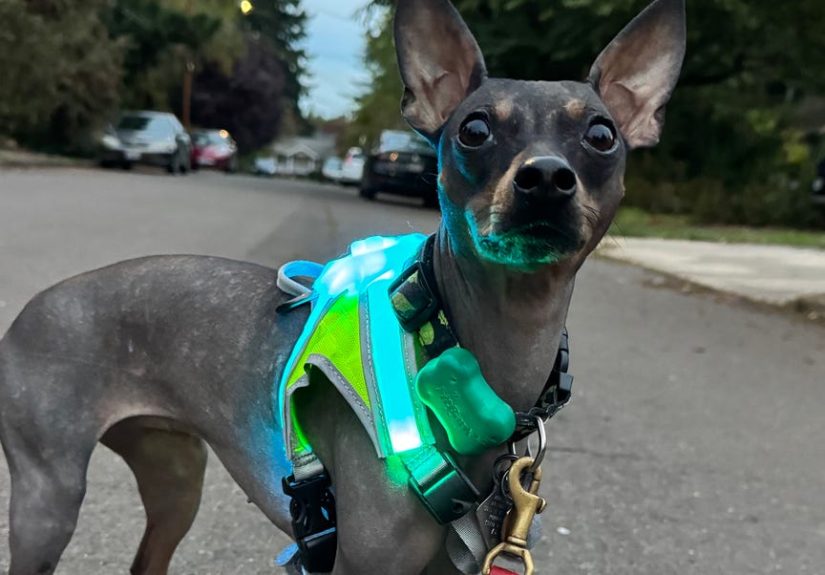
That is why a light-up harness can feel less like a cute accessory and more like a real safety upgrade. It does not replace common sense, a secure leash, or choosing well-lit routes. But it adds one thing that every evening walk needs more of: visibility. And when visibility improves, comfort, confidence, and control usually improve right along with it.
For dog owners who walk early in the morning, after work, in winter, in the rain, or basically anytime the sky says, “Good luck out there,” this kind of gear can make the entire routine smoother. Better yet, many modern harnesses do more than glow. They combine reflective trim, adjustable straps, padded materials, secure clips, and leash attachment options that help the harness work as actual walking equipment, not just a wearable flashlight.
Why a Light-Up Harness Matters So Much After Dark
Evening walks are popular for good reasons. Temperatures are cooler. Busy schedules calm down. Some dogs are less overstimulated at night than they are during peak daytime chaos. But the tradeoff is obvious: you and your dog are harder to see.
A light-up harness addresses that problem in a simple, practical way. Unlike a basic collar that may disappear under long fur or only be visible from certain angles, a harness covers more of the dog’s body. That broader shape can make your dog easier to spot from the front, side, and sometimes even from behind depending on the design. Add built-in LED lighting or reflective detailing, and your dog becomes far more noticeable in low-light conditions.
That matters not just for cars, but for cyclists, runners, neighbors backing out of driveways, and other dog walkers rounding a corner. It also matters for you. If your dog is dark-coated, small, fluffy, or highly committed to wandering into the least visible section of the yard, a glowing harness makes tracking their movement much easier.
In other words, this is not about turning your pup into Times Square. It is about giving everyone around you a better chance to see where your dog is, where you are, and where not to roll, drive, jog, or stumble.
What Makes a Great Light-Up Harness
Not all harnesses are created equal. Some look fantastic online and then fit like an awkward backpack built by a raccoon. Others glow beautifully but ignore the basics of comfort and control. The best light-up harnesses balance visibility with fit, movement, and durability.
1. A secure, comfortable fit
The first job of any harness is to fit well. If it is too loose, your dog can back out of it like a furry escape artist. If it is too tight, it can rub, pinch, or restrict movement. A good harness should sit snugly without chafing, especially around the chest, shoulders, and underarm area. Your dog should be able to walk naturally, extend their front legs comfortably, and move without that stiff little “I do not approve of this outfit” gait.
Adjustability matters here. Multiple adjustment points help you customize the fit to your dog’s body shape, which is important because dogs, like humans, do not all come in one convenient geometry. A dachshund, a French bulldog, and a lanky shepherd mix are not shopping from the same blueprint.
2. Real visibility features
Some harnesses are reflective. Some are illuminated. Some offer both, which is the sweet spot. Reflective material helps when headlights or other light sources hit it. LED lighting provides its own glow, which can be especially helpful in darker areas where ambient light is limited.
If your neighborhood has poor lighting, an LED harness may offer the bigger boost. If you mostly walk in areas with passing traffic and occasional headlights, reflective trim can still do a lot of work. If you want the gold standard for low-light walks, choose a harness that combines reflective material with built-in lighting.
3. Leash attachment that suits your dog
Back-clip harnesses are common and easy to use for everyday strolling. Front-clip or dual-clip styles can offer more control for dogs that pull. The right choice depends on your dog’s size, training level, and walking style. A light-up harness is most useful when it also helps you manage the walk without putting strain on the neck.
4. Durable, weather-friendly materials
Evening walks do not always happen in perfect weather. You may be dealing with drizzle, damp sidewalks, cold air, or the mysterious neighborhood puddle your dog insists on visiting every single time. Look for materials that dry reasonably well, resist wear, and hold up to regular use. Rechargeable lighting is especially helpful if you walk often and do not want to develop a side hobby in replacing tiny batteries.
5. Easy on, easy off design
Convenience matters more than people admit. If a harness takes twelve minutes, three deep sighs, and a hostage negotiation to put on, you are not going to love it for long. A good light-up harness should be intuitive to fasten and easy to adjust. Quick-snap buckles, clear strap layouts, and simple charging access make a real difference in daily life.
Why Harnesses Often Beat Collars for Evening Walks
There is nothing wrong with a collar for identification tags, but for many dogs, a harness is the more practical walking choice. It distributes pressure across the chest and shoulders rather than the throat, which can be more comfortable, especially for small dogs, brachycephalic breeds, or enthusiastic pullers who treat every walk like a sled competition.
That comfort becomes even more valuable at night. When visibility is lower, you may need slightly quicker guidance or closer handling around curbs, driveways, other dogs, or moving bikes. A well-fitted harness can make that communication feel smoother and safer. It can also reduce the odds of a dog slipping out if startled by a loud sound, sudden headlights, or a surprise rabbit with terrible timing.
For long-haired dogs, a harness can also offer better overall visibility than a glowing collar alone, since thick coats can hide neck-based lights. If your dog looks like a moving cloud or a sentient throw blanket, body-level illumination is a smart upgrade.
How to Use a Light-Up Harness the Right Way
Owning the harness is the easy part. Using it well is what turns it into a game changer.
Charge it before you need it
The most advanced light-up harness in the world becomes emotionally symbolic at best if the battery is dead. Build charging into your routine. Plug it in when you refill treats, restock waste bags, or mutter about how many tennis balls your dog somehow owns.
Test visibility from different angles
Put the harness on your dog and step back. Check how visible it looks from the front, side, and rear. Long fur, jackets, and body shape can change how well the light shows. A harness that glows nicely from one angle but disappears from another may need a companion accessory like a reflective leash or clip-on light.
Pair it with human visibility too
Your dog should not be the only one glowing like a hero in a safety commercial. Wear reflective or bright clothing yourself, and carry a flashlight or headlamp when needed. The safest night walk is one where both ends of the leash are easy to see.
Still choose smart routes
A light-up harness improves visibility, but it does not turn a risky route into a wise one. Favor sidewalks, well-lit streets, low-traffic areas, and predictable crossings. Avoid distractions, especially headphones that block out approaching bikes, vehicles, or other walkers.
Watch your dog’s comfort
Check for rubbing after walks, especially under the front legs and along the chest. If your dog seems hesitant, stiff, or itchy, the fit may need adjustment. The glow should be noticeable. The harness itself should feel almost forgettable to your dog.
Who Benefits Most From a Light-Up Harness?
Honestly? A lot of dogs. But some benefit even more than others.
- Dark-coated dogs: Black, brown, and gray dogs can vanish fast in low light.
- Small dogs: Their lower profile makes them harder for drivers and cyclists to notice.
- Fluffy dogs: Their fur may hide a collar light, making a body harness more effective.
- Pullers and excitable walkers: A harness offers better handling and comfort than relying on a collar alone.
- Winter walkers: When sunset shows up absurdly early, visibility gear stops being optional and starts feeling essential.
- Busy pet parents: If your schedule means dawn or dusk walks are the norm, this is gear you will actually use.
The Small Details That Make a Big Difference
Sometimes the magic is not just the lighting. It is everything around it.
A padded chest panel can improve comfort on longer walks. A top handle can help guide a dog past distractions or over tricky terrain. Reflective stitching adds passive visibility even if the battery runs low. A sturdy D-ring, strong buckle, and sensible strap placement can turn a gimmicky product into a genuinely useful one.
It is also worth noticing how your dog behaves in the harness. Do they move more freely? Pull less? Seem calmer? Many owners find that once the fit is right, the dog settles faster into the walk. That calm, plus improved visibility, often changes the whole mood of the outing. Evening walks stop feeling like a mildly stressful mission and start feeling like what they should be: peaceful, routine, and even enjoyable.
Common Mistakes to Avoid
Even good gear can be undermined by bad habits. Here are the big mistakes to skip:
- Choosing glow over fit. A bright harness that rubs or slips is not a win.
- Assuming white or light-colored fur is enough for visibility. It is not.
- Using the harness without checking battery life or reflective wear over time.
- Walking in dark clothing while your dog does all the safety work.
- Ignoring route safety because the harness feels protective. Visibility helps, but awareness still matters.
- Forgetting to recheck fit after grooming, weight changes, or seasonal coat changes.
Why This Kind of Gear Feels Like a Real Upgrade
Some pet products solve problems you did not know you had. Others solve problems you definitely knew you had but were too tired to fix properly. A light-up harness belongs in the second category.
It tackles a real issue with a simple idea: make your dog easier to see and easier to walk safely. That alone can make nighttime outings feel less stressful. But the bigger win is psychological. You stop second-guessing every dim corner. You stop losing visual contact every time your dog drifts toward a hedge. You stop feeling like you are one dark hoodie away from invisibility yourself.
Instead, the walk becomes calmer. More organized. More pleasant. A little less “chaos goblin on leash,” a little more “competent dog parent with a plan.” That is a meaningful upgrade for something you do almost every day.
Real-Life Experience: Why Evening Walks Feel Different With a Light-Up Harness
The biggest change is not just that the dog is visible. It is that everything about the walk feels easier. Before using a light-up harness, evening walks can feel like an obstacle course built by poor lighting and wishful thinking. You are watching traffic, listening for bikes, tracking your dog’s movements, and trying not to step in whatever mystery the sidewalk has prepared for you. It is manageable, but not exactly relaxing.
Once a dog starts wearing a light-up harness, the difference is immediate. You can see where your dog is without constantly leaning forward like a detective in a low-budget crime show. If your pup pauses to sniff near a driveway, you notice faster. If they drift toward the curb, you correct sooner. If another person approaches with a dog, both sides have more time to read the situation and give each other space. The walk feels less reactive and more intentional.
There is also a surprising confidence boost for the human. You are not wondering whether a driver sees your dog. You are not hoping a jogger notices that tiny moving shape near the bushes. You know your dog stands out better, and that changes how you carry yourself. You walk with less tension in your shoulders. You are more likely to keep the routine consistent. And consistency matters, because dogs thrive on routines that feel calm and predictable.
Another real-world benefit is how much easier it becomes to manage multiple little tasks at once. Night walks often involve keys, waste bags, phones, crossing signals, and neighborhood distractions. A harness that is easy to put on, comfortable for the dog, and clearly visible removes one layer of stress from the whole process. That may not sound glamorous, but in daily life, practical wins are often the best wins.
Then there is the dog’s side of the experience. Many dogs seem more at ease in a well-fitted harness than in a collar, especially if they pull, lunge, or get excited by movement. When the harness also improves visibility, the walk feels safer for both of you. You guide more gently. You react earlier. The dog gets clearer signals. Fewer awkward leash corrections usually means a smoother outing.
For owners of dark-coated dogs, the difference can feel borderline miraculous. One second your dog used to disappear into the background. The next, you can track their position instantly. It is not dramatic in a movie sense. It is dramatic in a “wow, this is so much less annoying and nerve-racking than before” sense, which is often the more valuable category.
A light-up harness also tends to improve those quick late-night potty breaks. You know the ones. You are tired, the dog suddenly remembers biology, and the whole mission is supposed to take four minutes. Those are exactly the moments when poor visibility is most irritating. A glowing harness speeds everything up because you spend less time locating your dog and more time getting the job done so everyone can go back inside.
Maybe the best part is that evening walks start to feel enjoyable again. Not rushed. Not tense. Not like you are improvising your way through darkness with a leash and optimism. Just a good walk, with better visibility, better awareness, and a dog who looks oddly proud of their glowing gear. And honestly, they should be. They are out there doing excellent work.
Final Thoughts
If you regularly walk your dog after sunset, a light-up harness is one of those purchases that earns its keep quickly. It supports visibility, improves awareness, and pairs well with the comfort and control that many dogs already get from a properly fitted harness. It is not magic, and it is not a substitute for safe habits, but it does make evening walks feel noticeably more manageable.
Choose one that fits well, allows full movement, offers reliable visibility, and works with your dog’s walking style. Then pair it with smart route choices, your own reflective gear, and a charged battery. The result is a safer, calmer, and far less squinty version of the nighttime dog walk.
And that, for many dog owners, is absolutely a game changer.