Table of Contents >> Show >> Hide
- Why the “No Visible Edge” Look Matters
- Materials and Tools You’ll Want
- Step 1: Plan the Layout Like a Pro
- Step 2: Build the Hidden Support System
- Step 3: Build a Faux Beam Without a Visible Edge
- Step 4: Sand, Blend, and Finish for the “Solid Beam” Illusion
- Step 5: Install the Beam Shell (Without Ruining the Seam Work)
- How to Hide Seams on Long Beams
- Common Mistakes That Make Faux Beams Look Fake
- Safety Notes for DIY Ceiling Beam Projects
- Final Thoughts
- DIY Experience Notes (Extended 500+ Word Real-World Section)
- Conclusion
If you love the look of chunky ceiling beams but not the price, weight, or “why is there a seam staring at me?” problem, welcome to the club. A DIY faux wood beam is one of the best high-impact upgrades you can make to a room. It adds warmth, texture, and architectural character without requiring a structural engineer, a crane, or a second mortgage.
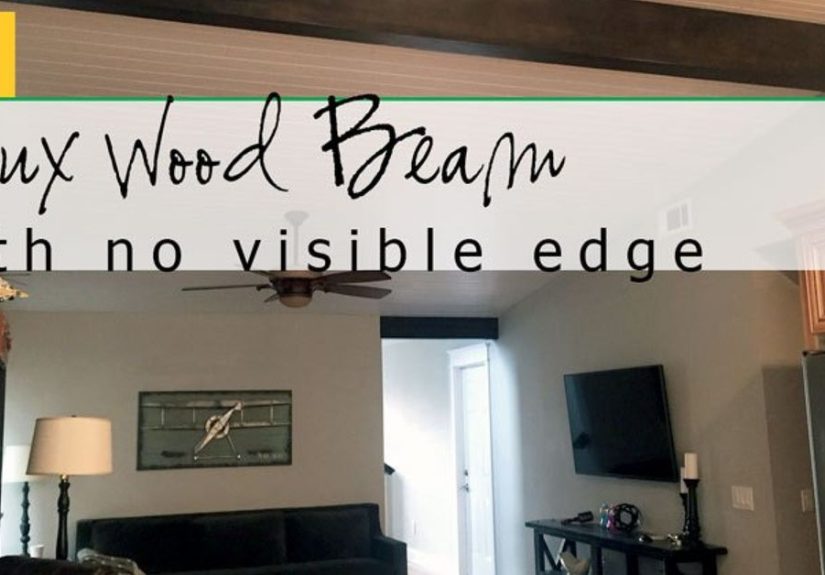
The trick, though, is getting that real beam lookespecially the corners. A lot of DIY faux beams look great from across the room and then betray themselves up close because the edges are square-cut and obvious. The good news: you can build a box beam with mitered edges so the corners look nearly seamless, like one solid timber. That’s the whole game.
In this guide, you’ll learn how to build a DIY faux wood beam without a visible edge using beginner-friendly methods, smart layout planning, and finishing tricks that hide seams like a magician hiding a card. We’ll also cover installation tips, stain prep, ceiling irregularities, and the little “don’t do what I did” lessons that make the difference between “nice DIY” and “wait… you built that?!”
Why the “No Visible Edge” Look Matters
A faux beam is usually a hollow U-shaped beam (also called a box beam) installed over ceiling blocking or cleats. That part is standard. The difference between a “good” faux beam and a “wow” faux beam is mostly in the corners.
If you simply butt three boards together with square edges, you’ll almost always see the joint lines. With stained wood, those lines can scream “DIY project” from the floor. But when you miter the long edges at 45 degrees, glue them, and fold the beam shell together, the corners become much more natural-looking. After sanding and finishing, the joint line is minimized enough that most people assume it’s a solid beam.
In other words: the invisible edge look is less about fancy tools and more about smart joinery + careful prep.
Materials and Tools You’ll Want
Wood Options for Faux Beams
You can build faux beams from common boards, pine, alder, cypress, or even plywood depending on your budget and finish goals. Pine is budget-friendly and easy to find. Alder and cypress can give you a richer grain. Plywood can be a great option when you want stability or need to wrap an existing beam.
If your main goal is a stain-grade beam, spend extra time picking straight boards. Warped boards are the fastest route to visible seams, extra filler, and dramatic sighing in the garage.
Typical Tool List
- Stud finder
- Tape measure and pencil
- Chalk line or laser level
- Miter saw (for length cuts)
- Table saw (best for long 45° edge miters)
- Drill/driver
- Construction screws
- Wood glue
- Construction adhesive
- Brad nailer or finish nailer (optional but helpful)
- Sandpaper (80 grit and 220 grit are common picks)
- Wood filler and paintable/stainable caulk (depending on finish)
- Wood conditioner and stain (for a stained look)
- Ladder and proper safety gear
If you’re using prefab polyurethane beams instead of building your own wood shell, the install process is similar (cleats/blocking + adhesive + screws), but the seam-hiding strategy is different. This article focuses on the DIY wood faux beam method because it gives you the most control over a natural, no-visible-edge finish.
Step 1: Plan the Layout Like a Pro
Before cutting anything, figure out where the beams will go and what they need to hide (or avoid). Marking layout first saves a lot of recutting later.
Measure the Room and Beam Spacing
Decide how many beams make sense for the room size. Too many beams can make the ceiling look busy; too few can look random. A clean spacing plan usually looks better than “we eyeballed it and hoped for the best.”
Use a chalk line or laser level to mark beam centerlines. If you’re doing multiple beams, measure each beam run separately. Walls and ceilings are rarely perfectly square, and faux beams love to expose that fact.
Locate Ceiling Joists or Anchor Points
Use a stud finder to locate the ceiling joists. These are your best anchor points for blocking, cleats, or nailers. If your beam direction runs parallel to joists, you may need alternate fastening strategies like angled screws and appropriate anchors/toggle solutions where required.
Translation: your ceiling has opinions, and your layout should respect them.
Step 2: Build the Hidden Support System
Most faux beams install over 2×4 blocking or cleats attached to the ceiling. Think of this as the skeleton the beam shell slips over.
Cut Blocking to Fit Inside the Beam
Measure the inside width of your planned beam and cut wood blocking to match. If your finished beam interior is too tight, installation becomes a wrestling match. If it’s too loose, the beam may shift and telegraph gaps at the ceiling line.
A good rule: build in enough tolerance for a snug fit, but still allow a dry-fit without force.
Install Blocking/Cleats Along the Layout Line
Attach blocking along the beam centerline, securing into joists whenever possible. For long runs, install blocking at regular intervals so the beam shell has solid support. Mark the blocking locations on the ceiling or wall so you can hit them later with nails or screws through the beam.
This hidden support system is what makes the final beam look crisp and intentional instead of wavy or saggy.
Step 3: Build a Faux Beam Without a Visible Edge
Here’s the secret sauce. This is the method that gives you the “solid timber” look instead of the obvious three-board box.
Cut the Boards to Length First
Cut your bottom board and side boards to length. Measure each beam separately, even if they “should” be the same. In real rooms, “should” is not a measurement system.
For easier installation, many DIYers cut beams slightly short or dry-fit and trim gradually. If you’re fitting between walls, leave yourself room to test-fit and adjust.
Miter the Long Edges at 45 Degrees
Use a table saw to miter the long edges that will form the visible corners. Typically:
- The bottom board gets a 45° miter on both long edges.
- Each side board gets a matching 45° miter on the edge that meets the bottom board.
When assembled, the three pieces form a U-shaped beam with mitered corners. This is the key to a faux wood beam without a visible edge.
Use the Tape-Hinge Assembly Method
This method is genius because it helps pull the seams tight while the glue cures:
- Lay all three boards face down in the order they’ll assemble.
- Push the mitered edges tightly together.
- Run strong tape (painters tape or reinforced tape) along the seams.
- Carefully flip the assembly over.
- Apply wood glue along the inside mitered edges.
- Fold the sides up into a U shape using the taped seams as a hinge.
- Clamp or tape the beam closed while the glue dries.
This tape-and-fold method helps create tight corners without visible fasteners on the face. It also reduces the chance of a crooked corner line that catches light later.
Close Tiny Gaps Before the Glue Fully Sets
If you see hairline gaps, don’t panic. A common trick is to gently run the rounded side of a screwdriver (or similar smooth tool) along the taped seam to burnish the edge. This can help close minor gaps and make the corner look more unified.
Yes, it feels weird. Yes, it works surprisingly well.
Step 4: Sand, Blend, and Finish for the “Solid Beam” Illusion
Sand the Corners Smartly
Once the glue has cured, remove the tape and sand the beam. Start with a coarser grit only if needed for glue squeeze-out or uneven spots, then finish with a finer grit like 220.
The goal is not to flatten the corners. It’s to soften and blend them just enough that the seam line disappears visually. A tiny amount of edge rounding can make the corner look more like aged, milled wood and less like “fresh-cut geometry homework.”
Use Wood Filler Sparingly
If you’re staining, use stainable wood filler only where absolutely necessary. Too much filler can show under stain. For painted beams, filler is more forgiving.
If the beam meets an uneven ceiling or wall, use caulk at the perimeter after installation. That’s not cheating. That’s finishing.
Condition Before Staining
If you’re using pine, alder, birch, maple, or other blotch-prone woods, apply a pre-stain wood conditioner before stain. This helps even out absorption and reduces streaking and blotchy patches.
Also: do a test piece first. The stain color in your head and the stain color on your actual wood are sometimes distant cousins.
Step 5: Install the Beam Shell (Without Ruining the Seam Work)
Dry-Fit First
Always dry-fit the beam before adhesive. This is where you catch ceiling irregularities, out-of-square corners, and “why is this wall not the same on both ends?” issues.
If needed, lightly scribe and sand the top edges for a tighter fit to the ceiling. You can also hide minor gaps later with caulk, but dry-fitting first dramatically improves the final look.
Adhesive + Fasteners = Stronger Install
Apply construction adhesive where the beam will contact the blocking/cleats, then press the beam into place. Secure it with finish nails or screws into the hidden blocking.
If you use screws, countersink them and fill the holes for a clean finish. If you use a brad/finish nailer and place fasteners carefully, the holes may be tiny enough to disappear with light touch-upespecially on textured or distressed beams.
Mark Blocking Locations Before Lifting the Beam
One of the easiest ways to save time overhead: mark where each block is before the beam goes up. That way you know exactly where to drive nails or screws instead of “fishing” through the face of your beautifully finished beam.
How to Hide Seams on Long Beams
If your ceiling run is longer than your boards, you’ll need a seam somewhere. That doesn’t mean you’ll have a visible edge. It just means you need a plan.
Best Seam-Hiding Strategies
- Place joints over blocking or a continuous nailer: This gives both sections solid backing and keeps the joint line stable.
- Use mitered end joints where possible: A diagonal seam can be less obvious than a blunt butt joint.
- Hide seams intentionally with beam straps or metal brackets: These can look decorative instead of corrective.
- Align grain and stain tone before assembly: Sometimes the “visible seam” problem is really a “mismatched board color” problem.
For extra-long beams, building in sections is normal. The trick is making the transitions look intentional. A faux beam can absolutely span large roomsyou just need seam placement discipline.
Common Mistakes That Make Faux Beams Look Fake
1) Skipping the Mitered Edge
This is the big one. Butt joints on the corners are fast, but they’re hard to hide under stain. If you want the no-visible-edge look, miter the long edges.
2) Using Twisted or Warped Boards
Warped boards fight you during glue-up and installation. Even a tiny twist can open a seam and ruin the illusion. Start with the straightest boards you can find.
3) Not Dry-Fitting Before Adhesive
Ceilings are almost never perfectly flat. Dry-fit first, adjust second, glue third. Your future self will thank you from the top of the ladder.
4) Overusing Filler on Stain-Grade Beams
Filler can rescue small issues, but too much filler under stain stands out. Prioritize tight cuts and seam burnishing first, then use filler lightly.
5) Ignoring Ceiling Safety
Overhead work is awkward. Use a stable ladder, don’t overreach, and don’t move a ladder while someone is on it. Beam projects are fun; emergency room stories are not.
Safety Notes for DIY Ceiling Beam Projects
Even a decorative beam project involves ladders, power tools, and overhead fastening, so take safety seriously:
- Wear eye protection and hearing protection.
- Use the correct blade and cutting setup for long miter cuts.
- Keep your ladder on a stable, level surface.
- Don’t shift or move the ladder while standing on it.
- If you’re adding lighting inside a beam, run wiring before installation and follow code requirements in your area.
- Have a second person help during lifting and installation.
Two-person installs are not just easierthey’re cleaner. One person holds the beam, the other fastens. Fewer slips, better alignment, fewer words you don’t want your kids repeating.
Final Thoughts
A DIY faux wood beam without a visible edge is one of those projects that looks complicated but becomes very manageable once you break it into stages: layout, blocking, mitered assembly, finishing, and installation. The “seamless” look comes from a handful of small choices done wellespecially mitered edges, tape-hinge glue-up, corner blending, and a careful dry-fit.
If you want the beam to look real, focus less on expensive wood and more on craftsmanship. Straight boards, tight miters, good sanding, and smart seam placement beat fancy materials every time. Whether you’re adding beams to a flat ceiling, a pitched ceiling, or wrapping an existing ugly beam, the same principle applies: build the illusion before you build the install.
And once it’s up there? Everyone will assume you hired it out. You can smile, nod, and casually mention that your biggest challenge was not the joineryit was explaining to the ceiling why it wasn’t square.
DIY Experience Notes (Extended 500+ Word Real-World Section)
If you’re planning this project for the first time, here’s the part most tutorials don’t fully explain: the beam itself is usually not the hardest part. The room is. Real-world ceilings, walls, and corners are messy. They dip, bow, drift, and occasionally seem to have been built by someone measuring in vibes instead of inches. That’s why the best DIY faux beam projects succeed when the builder expects a little chaos and plans for it.
A very common experience is building a beam shell that looks perfect on sawhorses, then lifting it to the ceiling and discovering a gap along one edge. This is normal. The fix is usually not “start over.” It’s a mix of dry-fitting, slight sanding/scribing, and finishing caulk at the beam-to-ceiling line. A lot of DIYers think a perfect fit means no caulk at all, but in real rooms, a tiny caulk line is often what makes the beam look professionally installed.
Another frequent surprise: board behavior. Long boards can bend or twist just enough to make your miter seams open while assembling the U-shape. That’s why the tape-hinge method is so lovedit gives you control during glue-up. Some people also use clamps, but tape is often faster and less fussy on long pieces. The “invisible edge” look usually comes from patience here: tape, glue, fold, adjust, then let it cure fully instead of rushing to sand.
Stain is another area where expectations and reality like to wrestle. Two boards from the same stack can stain differently. That’s why test pieces matter, and why wood conditioner is such a practical step on softer or porous woods. Many DIYers also stain boards before final installation because overhead finishing is annoying, messy, and much harder to control. Pre-finishing visible faces keeps drips off the ceiling and helps you see seam quality in good light before the beam goes up.
When it comes to installation, most people underestimate how helpful it is to mark the hidden blocking locations ahead of time. Once the beam is overhead, every extra second you spend searching for where to fasten it feels like ten minutes. Marking support points makes the install smoother, faster, and cleaner. It also reduces the chance of random nail holes in the wrong placegreat for your beam, not so great for your mood.
Long beam runs bring another shared experience: section seams. If your room is wider than your lumber, you’ll probably build in sections. That’s totally fine. The best-looking projects treat seam placement like a design choice, not an accident. Put seams over backing, line up grain direction, and if needed, use decorative straps or brackets to make the transition look intentional. A visible seam is only a problem if it looks accidental.
Finally, there’s the ladder factor. Ceiling projects are physically awkward. Even experienced DIYers will tell you the hardest part can be holding a beam in place while trying to fasten it without overreaching. A helper makes an enormous difference. One person stabilizes and aligns, the other secures. Fewer slips, better seams, and way less frustration. If you remember nothing else from this section, remember this: a faux beam project is a lot more fun when you treat it like a two-person job.
The good news is that once you finish one beam, the process clicks fast. The second beam is smoother, the third beam is faster, and by the end you’ll be eyeing other rooms like, “You know what this ceiling needs…” That’s how faux beam projects start. One upgrade. Then suddenly every plain ceiling in the house looks suspiciously unfinished.
Conclusion
If your goal is a high-end ceiling upgrade on a realistic DIY budget, this is one of the best projects you can tackle. Focus on mitered edges, tight glue-up, clean sanding, and a well-planned support system, and your faux beam will read like a real wood beam from floor leveland even up close. The hidden edge look is not a gimmick; it’s just good technique. Build it carefully, finish it thoughtfully, and your ceiling becomes the feature everyone notices first.