Table of Contents >> Show >> Hide
- What Is Peruvian Salsa Criolla?
- Why This Pepper and Lime Salsa Works
- Ingredients for Peruvian Pepper and Lime Salsa Criolla
- How to Make Peruvian Salsa Criolla
- Complete Recipe Card
- What to Serve With Salsa Criolla
- Tips for the Best Salsa Criolla
- Common Variations
- How to Store Salsa Criolla
- Flavor Analysis: Why Lime, Onion, and Pepper Are Such a Great Team
- Helpful Examples for Using This Recipe
- Experience Notes: Cooking, Serving, and Enjoying Salsa Criolla at Home
- Conclusion
- SEO Tags
If your dinner has ever looked at you with a blank stare and whispered, “I need something bright,” Peruvian salsa criolla is the answer. This pepper and lime salsa is crunchy, citrusy, lightly spicy, and so easy to make that it almost feels like cheating. In Peru, salsa criolla is not just a garnish. It is the cheerful sidekick that jumps onto sandwiches, roasted meats, fried seafood, beans, potatoes, rice dishes, and grilled chicken like it owns the plate. Honestly, it kind of does.
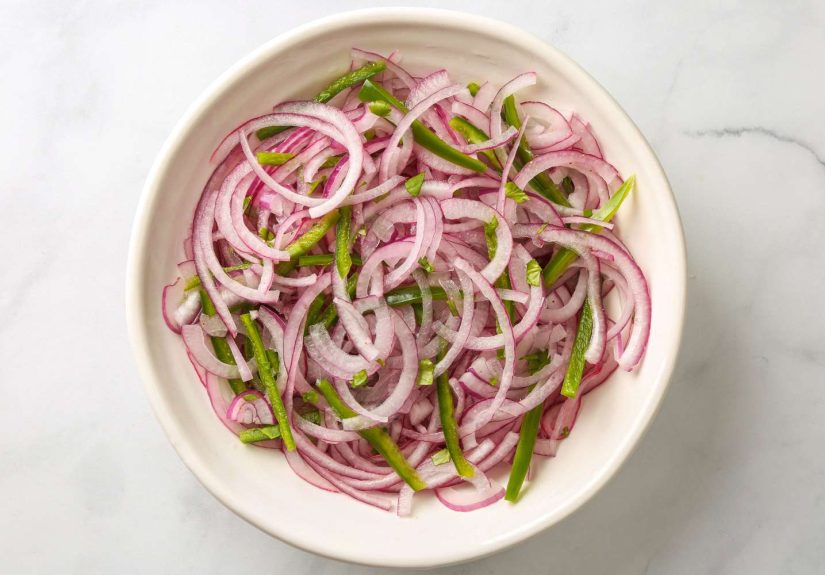
This Peruvian pepper and lime salsa criolla recipe is built around thinly sliced red onion, fresh lime juice, ají amarillo or a good pepper substitute, cilantro, salt, and a tiny splash of oil or vinegar depending on your preferred style. The result is not a heavy tomato salsa or a blended sauce. It is more like a quick onion relish: crisp, juicy, tangy, and punchy enough to wake up anything from grilled steak to a humble bowl of rice.
Below, you will learn how to make salsa criolla at home, how to choose the right pepper, how to tame strong onions, what to serve it with, and how to adjust the recipe without accidentally turning it into “random onions having a lime bath.” Let’s slice, squeeze, toss, and bring some Peruvian sparkle to the table.
What Is Peruvian Salsa Criolla?
Salsa criolla is a traditional Peruvian onion and pepper relish made with red onions, lime juice, chile pepper, cilantro, and salt. Depending on the cook, it may also include vinegar, a little neutral oil, parsley, tomato, or black pepper. The essential character, however, stays the same: thin onions, bright acid, fresh herbs, and a lively chile kick.
The word “criolla” often refers to Creole-style preparations influenced by Spanish, Indigenous, African, and local Latin American food traditions. In Peru, salsa criolla is closely tied to everyday cooking. It appears beside classic dishes like butifarra sandwiches, chicharrón, tamales, grilled meats, roasted chicken, beans, fried seafood, and lomo saltado. Think of it as the condiment that says, “Don’t worry, I brought the flavor.”
Unlike many jarred salsas, Peruvian salsa criolla is not cooked. The lime juice softens the onion slightly while keeping the texture crisp. That contrast is the magic. You get crunch, heat, tang, aroma, and freshness in one forkful. It is fast enough for weeknights but bold enough for a weekend cookout.
Why This Pepper and Lime Salsa Works
The beauty of this recipe is balance. Red onion provides sweetness and sharpness. Lime juice brings acidity. Ají amarillo adds fruity heat. Cilantro gives freshness. Salt pulls everything together. A little oil rounds the edges, while vinegar, if used, gives the salsa a sharper pickle-like bite.
The most important technique is slicing the onion very thinly. Thick onion chunks can feel aggressive, like they arrived at the party wearing steel-toed boots. Thin slices absorb the lime better and create the delicate, feather-like texture associated with salsa criolla. If you have a sharp knife, use it. If you have a mandoline, use it carefully. Your fingertips are not part of the recipe.
Another key step is rinsing or soaking the onions. A short soak in cold water removes some of the harsh sulfur bite, leaving the onions crisp but less bossy. After soaking, drain them well so the salsa does not become watery. Lime should dress the onions, not float them like tiny purple pool noodles.
Ingredients for Peruvian Pepper and Lime Salsa Criolla
Main Ingredients
- 2 medium red onions: Thinly sliced into half-moons or feather-like strips.
- 1 ají amarillo pepper: Seeded and thinly sliced. If unavailable, use jalapeño, serrano, Fresno pepper, or 1 to 2 teaspoons ají amarillo paste.
- 3 tablespoons fresh lime juice: Use fresh limes, not bottled juice. Bottled lime juice is where brightness goes to retire.
- 1 tablespoon white vinegar: Optional, but helpful if you like a sharper relish.
- 2 tablespoons chopped fresh cilantro: Parsley can be used if cilantro tastes soapy to you.
- 1 tablespoon neutral oil: Optional, but it softens the acidity and gives the salsa a silky finish.
- 1/2 teaspoon kosher salt: Plus more to taste.
- Freshly ground black pepper: Optional, but pleasant.
Best Pepper Options
The most traditional pepper for Peruvian salsa criolla is ají amarillo, a yellow-orange chile with fruity heat and a sunny flavor. Fresh ají amarillo can be difficult to find in many U.S. grocery stores, but Latin markets often carry frozen peppers, jarred paste, or bottled sauce. If you cannot find it, do not cancel dinner. Jalapeño gives clean green heat, serrano is sharper and hotter, and Fresno pepper adds a red, lightly fruity kick.
For a mild version, use a small amount of bell pepper with just a pinch of minced hot chile. For a spicy version, leave some chile ribs intact. For a family-friendly version, serve sliced chile on the side and let brave diners personalize their own bowls. This prevents dinner from becoming a sweat-based trust exercise.
How to Make Peruvian Salsa Criolla
Step 1: Slice the Onions Thinly
Peel the red onions, cut them in half from top to root, and slice them lengthwise into very thin half-moons. Aim for delicate strips rather than chunky pieces. Thin onion slices make the salsa easier to eat and allow the lime juice to work quickly.
Step 2: Soak and Rinse
Place the sliced onions in a bowl of cold water for 10 minutes. For a gentler onion flavor, add a pinch of salt to the water. Drain thoroughly and pat dry with a clean kitchen towel or paper towels. This step is small, but it makes a big difference. It removes harshness while keeping the onion crunchy.
Step 3: Add Pepper, Lime, and Seasoning
Transfer the drained onions to a mixing bowl. Add the sliced ají amarillo or pepper substitute, fresh lime juice, vinegar if using, chopped cilantro, salt, black pepper, and oil if desired. Toss gently with clean hands or tongs until everything is well coated.
Step 4: Let It Rest
Let the salsa sit for 10 to 15 minutes before serving. During this short rest, the onions soften slightly, the lime juice becomes more fragrant, and the pepper flavor spreads through the bowl. The color also becomes gorgeous: purple onion, green herbs, and golden or red chile. It is basically edible confetti, but with better manners.
Step 5: Taste and Adjust
Before serving, taste the salsa. If it seems flat, add a pinch more salt. If it needs more brightness, add lime. If it is too sharp, add a few drops of oil or a tiny pinch of sugar. If it is too spicy, add more onion or cilantro. Salsa criolla is flexible, so trust your palate.
Complete Recipe Card
Peruvian Pepper and Lime Salsa Criolla
Prep time: 15 minutes
Rest time: 10 minutes
Total time: 25 minutes
Servings: 4 to 6
Ingredients
- 2 medium red onions, very thinly sliced
- 1 ají amarillo pepper, seeded and thinly sliced, or 1 jalapeño/Fresno pepper
- 3 tablespoons fresh lime juice
- 1 tablespoon white vinegar, optional
- 2 tablespoons chopped fresh cilantro
- 1 tablespoon neutral oil or extra-virgin olive oil, optional
- 1/2 teaspoon kosher salt, plus more to taste
- Freshly ground black pepper, to taste
Instructions
- Slice the red onions into very thin half-moons.
- Soak the onions in cold water for 10 minutes, then drain and pat dry.
- Add the onions to a bowl with the sliced pepper, lime juice, vinegar, cilantro, oil, salt, and black pepper.
- Toss gently until the onions are evenly coated.
- Let the salsa rest for 10 to 15 minutes.
- Taste and adjust with more salt, lime juice, or pepper before serving.
What to Serve With Salsa Criolla
Salsa criolla is one of those condiments that makes you wonder why your refrigerator has been wasting space on boring toppings. It works with rich, salty, fried, smoky, and starchy foods because its acidity cuts through heaviness.
Serve It With Peruvian Classics
Spoon salsa criolla over lomo saltado, Peru’s famous beef stir-fry with onions, tomatoes, soy sauce, vinegar, rice, and fries. The salsa adds freshness to the savory sauce and crispy potatoes. It is also excellent with pollo a la brasa, the beloved Peruvian-style roasted chicken, especially when served with rice, beans, and creamy green sauce.
It also belongs on a butifarra sandwich, traditionally made with jamón del país, a seasoned Peruvian pork. The onion relish gives the sandwich crunch and acidity, keeping the pork from tasting too heavy. Add it to tamales, humitas, or chicharrón, and suddenly the whole plate feels brighter.
Use It Beyond Peruvian Food
You do not need a full Peruvian menu to enjoy salsa criolla. Pile it on grilled steak, roasted pork, fish tacos, turkey burgers, black beans, avocado toast, rice bowls, scrambled eggs, or baked potatoes. It can turn leftover chicken into a lunch worth bragging about. It can make canned beans taste like someone cared. It can even rescue a dry sandwich, which is noble work.
Tips for the Best Salsa Criolla
Use Fresh Lime Juice
Fresh lime juice is essential. Bottled lime juice often tastes dull or bitter, and salsa criolla depends on lively acidity. Roll your limes on the counter before cutting to release more juice. If your limes are very tart, start with less juice and add more after tasting.
Do Not Skip the Onion Soak
Raw red onion can be sharp enough to interrupt conversations. A quick soak in cold water softens the bite while keeping the crunch. If you love a stronger onion flavor, soak for only 5 minutes. If you want a gentler salsa, soak for 15 minutes.
Cut Everything Thin
Salsa criolla is about texture. Thin onion and pepper strips blend together beautifully. Thick slices are not wrong, but they can dominate each bite. The goal is a relish that drapes over food, not one that demands a steak knife.
Let the Salsa Rest, But Not Forever
A 10- to 15-minute rest helps the flavors mingle. After several hours, the onions soften more and become lightly pickled. That can be delicious, but the salsa loses some crispness. For the freshest texture, make it shortly before serving.
Common Variations
Tomato Salsa Criolla
Add 1 small seeded tomato, thinly sliced or diced. Tomato gives the salsa extra juiciness and makes it feel more like a salad. This version is great with grilled fish, rice bowls, and roasted chicken.
Extra-Spicy Salsa Criolla
Use serrano pepper or add a little ají amarillo paste. You can also include a few chile seeds, but go slowly. Salsa criolla should sparkle, not set off the smoke alarm.
No-Cilantro Version
If cilantro is not your thing, use parsley. The flavor will be less citrusy and herbal, but still clean and fresh. A mix of parsley and a small amount of mint can also work with grilled lamb or fish.
Oil-Free Version
Skip the oil for a sharper, lighter salsa. This version is especially good with fatty meats, fried seafood, or anything that benefits from a stronger acidic punch.
How to Store Salsa Criolla
Store salsa criolla in an airtight container in the refrigerator for up to 24 hours for the best texture. It may last a little longer, but the onions will continue to soften and the herbs may darken. If making it ahead, consider slicing the onions and peppers in advance, then adding lime juice and cilantro closer to serving time.
If the salsa releases liquid in the fridge, simply toss it before serving. If it tastes muted after chilling, add a fresh squeeze of lime and a pinch of salt. Cold temperatures can dull flavors, and lime is the culinary equivalent of turning the lights back on.
Flavor Analysis: Why Lime, Onion, and Pepper Are Such a Great Team
The flavor of salsa criolla works because each ingredient has a job. Red onion provides sulfurous sharpness, natural sweetness, and crunch. Lime juice contributes acidity that brightens the onion and makes rich foods feel lighter. Chile pepper brings heat and fruitiness. Cilantro adds a leafy aroma that keeps the salsa from tasting one-dimensional. Salt intensifies everything.
When you toss these ingredients together, you create contrast. That is why the salsa tastes so good on grilled meats, fried foods, and starchy sides. Rich foods need acidity. Soft foods need crunch. Mild foods need spark. Salsa criolla delivers all three without needing cooking, blending, or a mysterious appliance attachment hiding in the back of your cabinet.
Helpful Examples for Using This Recipe
For a weeknight dinner, serve salsa criolla over grilled chicken thighs with white rice and avocado. The onions cut through the richness of the chicken, while the lime keeps the plate fresh. For a vegetarian meal, spoon it over black beans, roasted sweet potatoes, and quinoa. The salsa gives the bowl enough energy that nobody will ask, “Where is the meat?”
For a party, make a double batch and serve it with grilled steak, sausages, roasted potatoes, and crusty bread. Place the salsa in a bowl with tongs so guests can add it themselves. It is colorful, inexpensive, and much more interesting than another bowl of sad lettuce pretending to be salad.
Experience Notes: Cooking, Serving, and Enjoying Salsa Criolla at Home
The first time you make Peruvian pepper and lime salsa criolla, it may feel almost too simple. You slice onions, add lime, toss in pepper and herbs, and suddenly you have something that tastes like it took far more effort than it did. That is part of its charm. Some recipes impress because they require patience, technique, and three pans. Salsa criolla impresses because it understands the assignment immediately.
One of the best experiences with this recipe is watching how quickly it changes a meal. A plate of roasted chicken and rice can be comforting but a little quiet. Add a spoonful of salsa criolla, and the whole dish wakes up. The lime sharpens the chicken skin, the onions add crunch, and the pepper brings just enough heat to keep each bite interesting. It is the kind of condiment that makes you take a second bite before you finish thinking about the first one.
Another memorable way to enjoy it is at a backyard cookout. Grilled foods love salsa criolla. Smoke and char can be deep and savory, but they need freshness to stay balanced. Put this salsa beside grilled steak, pork chops, chicken skewers, or portobello mushrooms, and it becomes the thing people keep reaching for. Someone will ask what is in it. Someone else will say, “It is just onions?” And then everyone will pretend they were not quietly eating it straight from the bowl.
For home cooks, the biggest lesson is that small details matter. When the onions are sliced thin and soaked briefly, the salsa tastes polished. When the lime is fresh, the whole bowl feels alive. When the pepper is chosen thoughtfully, the heat supports the dish instead of bullying it. These details are simple, but they create the difference between a decent onion salad and a bright Peruvian-style relish that earns a permanent spot in your rotation.
This recipe is also a good reminder that condiments do not have to be complicated to be powerful. Many meals need only one fresh element to feel complete. Salsa criolla can be that element. It adds color to beige plates, acidity to heavy foods, crunch to soft dishes, and personality to leftovers. Keep a small bowl in the fridge, and yesterday’s grilled chicken becomes today’s sandwich. A scoop of beans becomes lunch. A fried egg becomes brunch with confidence.
Perhaps the most enjoyable part is how forgiving it is. Too spicy? Add more onion. Too sharp? Add a drizzle of oil. Too mild? Add another squeeze of lime or a little more chile. Once you understand the balance, you can adjust it by instinct. That makes salsa criolla feel less like a strict recipe and more like a kitchen habit. And honestly, it is a very good habit to have.
Conclusion
Peruvian pepper and lime salsa criolla is proof that a few fresh ingredients can do big, delicious work. With red onion, lime juice, ají amarillo or another chile, cilantro, and salt, you can create a bright, crunchy relish that improves grilled meats, sandwiches, seafood, beans, rice bowls, and weeknight leftovers. It is quick, flexible, affordable, and full of personality.
The secret is balance: slice the onions thin, soak them briefly, use fresh lime juice, choose the right pepper for your heat level, and let everything rest before serving. Whether you keep it traditional with ají amarillo or adapt it with jalapeño or Fresno pepper, this salsa brings a lively Peruvian accent to almost any meal. Make it once, and you may start looking at every plate and thinking, “This could use a little salsa criolla.” You will probably be right.
Note: This article is written in original American English for web publication and is based on widely used Peruvian salsa criolla techniques, ingredient traditions, and practical home-cooking adaptations.