Table of Contents >> Show >> Hide
- What Is Whipped Cream Frosting?
- Why This Easy Whipped Cream Frosting Recipe Works
- Easy to Make Whipped Cream Frosting Recipe
- Ingredient Tips That Make a Big Difference
- How to Frost Cakes and Cupcakes with Whipped Cream Frosting
- Common Mistakes and How to Fix Them
- Variations You Can Try
- How to Store Whipped Cream Frosting
- When to Choose Whipped Cream Frosting Over Buttercream
- Kitchen Experience and Practical Lessons from Making Whipped Cream Frosting
- Final Thoughts
There are two kinds of people in the dessert world: the ones who proudly pile on thick, sugary buttercream, and the ones who take one bite and immediately reach for a glass of water. If you belong to the second group, welcome home. This easy to make whipped cream frosting recipe is your ticket to a lighter, fluffier, less aggressively sweet dessert topping that still looks beautiful on cakes and cupcakes.
Whipped cream frosting has a lot going for it. It is silky, airy, creamy, and just fancy enough to make people think you suddenly enrolled in pastry school. It spreads easily, pipes surprisingly well when stabilized, and pairs with everything from vanilla sheet cake to chocolate cupcakes to fresh berry desserts. In other words, it is the frosting equivalent of the friend who shows up on time, brings snacks, and never starts drama.
In this guide, you will learn exactly how to make whipped cream frosting at home, why it works, what ingredients matter most, how to fix common mistakes, and how to make it sturdy enough for decorating. You will also get practical kitchen notes and real-life baking experiences at the end so the recipe feels less like a science experiment and more like something you will actually want to make on a Tuesday night.
What Is Whipped Cream Frosting?
Whipped cream frosting is a soft, fluffy frosting made primarily from heavy cream, a sweetener, and flavoring such as vanilla. Unlike traditional buttercream, which relies heavily on butter and powdered sugar, whipped cream frosting has a lighter texture and a cleaner dairy flavor. It tastes fresh, creamy, and delicate rather than dense and sugary.
The catch is that classic whipped cream can be a bit dramatic. It looks gorgeous, then an hour later it starts slumping like it just heard bad news. That is why many bakers use a stabilized version for frosting cakes and cupcakes. Stabilized whipped cream frosting still feels light, but it holds its shape much better. A small amount of cream cheese in the recipe below makes that job easier without turning the frosting into full-on cream cheese frosting.
So if you have ever wanted a frosting that feels less like a sugar bomb and more like a cloud with a purpose, this is it.
Why This Easy Whipped Cream Frosting Recipe Works
1. It is light but still stable
The combination of heavy cream and a little cream cheese creates a frosting that stays fluffy while being strong enough to spread, swirl, and pipe. That means you get the softness of whipped cream with more structure than the classic bowl-of-whipped-cream situation.
2. It is not overly sweet
Many frosting recipes seem determined to turn dessert into a dental event. This one keeps the sweetness under control, which makes it especially good for fruit cakes, sponge cakes, angel food cake, and cupcakes with flavorful fillings.
3. It is beginner-friendly
You do not need a candy thermometer, a double boiler, or nerves of steel. If you can use a mixer and resist the urge to walk away at the stiff peak stage, you can make this frosting.
4. It plays well with other flavors
Vanilla is the classic choice, but this frosting also works with lemon zest, almond extract, freeze-dried fruit powder, cocoa, espresso, or a spoonful of jam. It is basically the little black dress of frosting.
Easy to Make Whipped Cream Frosting Recipe
Ingredients
- 8 ounces full-fat cream cheese, softened
- 3/4 cup powdered sugar
- 1 teaspoon pure vanilla extract
- 2 cups cold heavy cream
- Pinch of salt
Optional Flavor Add-Ins
- 1 teaspoon lemon zest for a brighter flavor
- 1 to 2 tablespoons cocoa powder for a chocolate version
- 1 teaspoon espresso powder for a mocha twist
- 2 tablespoons seedless berry jam, folded in gently
Equipment
- Large mixing bowl
- Hand mixer or stand mixer with whisk attachment
- Rubber spatula
- Offset spatula or piping bag, if decorating
Directions
- Chill your tools. Place your mixing bowl and beaters or whisk attachment in the refrigerator or freezer for 10 to 15 minutes. Cold equipment helps the cream whip faster and more evenly.
- Beat the cream cheese base. In the chilled bowl, beat the softened cream cheese, powdered sugar, vanilla extract, and pinch of salt until smooth and creamy. Scrape down the bowl so there are no sneaky lumps hiding along the sides.
- Add the heavy cream slowly. With the mixer on low to medium-low, pour in the cold heavy cream a little at a time. This helps the mixture stay smooth instead of splashing all over your kitchen like dairy confetti.
- Whip until medium-stiff peaks form. Once all the cream is added, increase the mixer speed to medium-high. Beat until the frosting becomes thick, fluffy, and holds its shape. Stop once you reach medium-stiff peaks. The frosting should look smooth, airy, and easy to spread.
- Use immediately or chill briefly. Frost cupcakes or cakes right away, or refrigerate the frosting for 15 to 20 minutes if you want it a little firmer for piping.
Yield
This recipe makes enough to frost about 12 to 16 cupcakes generously or one 8-inch layer cake with a light, elegant coating. If you like dramatic bakery-style swirls, make a little extra. Cupcakes have a strange ability to demand more frosting than logic suggests.
Ingredient Tips That Make a Big Difference
Use heavy cream, not random dairy optimism
The fat content in heavy cream is what allows the frosting to whip up with volume and body. Lower-fat dairy products simply do not give the same structure. This is not the time to experiment with half-and-half and wishful thinking.
Powdered sugar is better than granulated sugar
Powdered sugar blends in smoothly and helps keep the texture silky. Granulated sugar can leave the frosting gritty, which is a terrible surprise when you are aiming for cloud-like elegance.
Softened cream cheese should be smooth, not warm
Room-temperature cream cheese blends beautifully, but if it gets too warm, the frosting can lose structure. You want it soft enough to mix, not so soft that it starts acting like dip.
Vanilla matters
Because this frosting has such a simple flavor profile, good vanilla extract makes a noticeable difference. Use pure vanilla if possible. Artificial vanilla is not a crime, but this frosting definitely notices.
How to Frost Cakes and Cupcakes with Whipped Cream Frosting
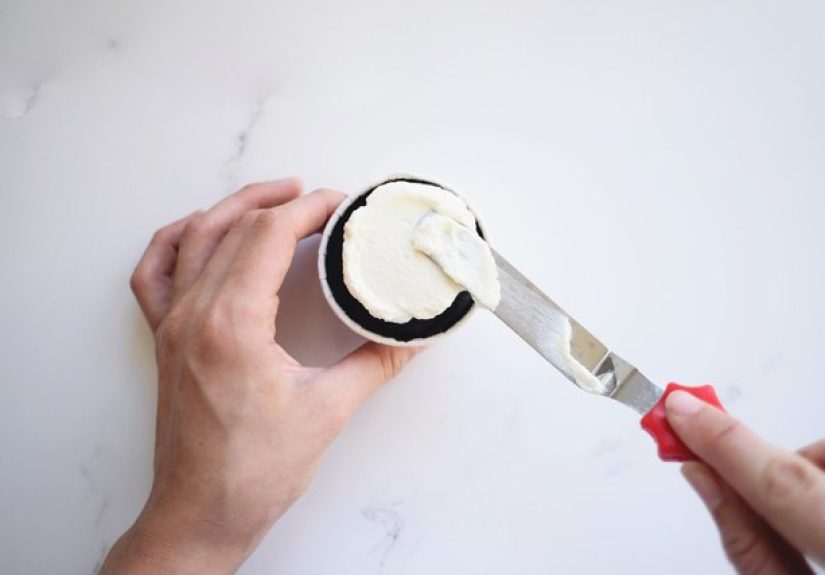
This frosting is perfect when you want a softer, prettier finish rather than a thick crusting buttercream. For cupcakes, pipe simple swirls using a star tip or round tip. For cakes, use an offset spatula to create soft swoops and swooshes. It looks especially pretty on naked cakes, berry cakes, vanilla sponge cakes, and chocolate cakes.
If you are frosting a layer cake, make sure the cake layers are completely cooled. A warm cake and whipped frosting are not friends. One melts, the other cries, and suddenly your dessert looks like it lost a fight in the back seat of a car.
For the neatest finish, chill your cake layers before frosting. Cold cake crumbs behave better, and the frosting spreads more cleanly. That one small step can make the difference between “rustic and charming” and “why does this cake look windblown?”
Common Mistakes and How to Fix Them
The frosting is too runny
Usually this happens because the cream was not cold enough, the bowl was warm, or the frosting was under-whipped. Pop the bowl in the refrigerator for 10 to 15 minutes, then whip again briefly. If the mixture still feels loose, it may need a little more whipping time.
The frosting looks grainy or curdled
That is the classic sign of overwhipping. Do not panic. Add a tablespoon or two of cold heavy cream and gently mix on low speed just until the texture smooths out. Stop as soon as it looks creamy again.
There are cream cheese lumps
Your cream cheese was probably too cold when you started. Beat the cream cheese with the sugar thoroughly before adding the heavy cream. If needed, press the base against the bowl with a spatula before whipping further.
The frosting will not hold a piped shape
Chill it for 15 to 20 minutes before piping, and make sure you whipped it to medium-stiff peaks. If you need a very firm decorating frosting for warm weather or long events, consider an extra stabilizing helper such as a little instant pudding mix, dry milk, or another tested stabilizer in future batches.
Variations You Can Try
Vanilla Bean Whipped Cream Frosting
Add vanilla bean paste instead of extract for a richer look and flavor. Those little specks make even a simple cupcake feel expensive.
Chocolate Whipped Cream Frosting
Sift in 1 to 2 tablespoons of cocoa powder with the powdered sugar. The result is light, creamy, and less heavy than classic chocolate buttercream.
Lemon Whipped Cream Frosting
Add lemon zest and a tiny splash of lemon extract. This version is excellent with blueberry cake, strawberry cupcakes, or vanilla sheet cake.
Berry Whipped Frosting
Fold in a little seedless strawberry or raspberry jam, or add freeze-dried fruit powder for concentrated flavor without watering down the frosting.
How to Store Whipped Cream Frosting
Store whipped cream frosting in the refrigerator in an airtight container. It is best used the same day for the fluffiest texture, though stabilized versions generally hold up better than plain whipped cream. If the frosting sits for a while, give it a quick stir or short re-whip before using.
Cakes or cupcakes frosted with whipped cream frosting should also be refrigerated. Let them sit at cool room temperature for a short time before serving so the texture softens slightly and the flavor comes through better. Cold frosting tastes good; slightly softened frosting tastes like it got its life together.
When to Choose Whipped Cream Frosting Over Buttercream
Choose whipped cream frosting when you want elegance, freshness, and balance. It is ideal for spring and summer desserts, fruit-forward cakes, shortcakes, chiffon cakes, icebox cakes, and desserts where a heavy frosting would overpower the crumb. It is also a great choice for people who say they “do not like frosting,” because what they often mean is they do not like frosting that tastes like sweet furniture polish.
On the other hand, if you need a frosting that can sit at a warm outdoor party for hours, travel long distances in a car, or support elaborate decorative flowers and sharp edges, buttercream still wins. Whipped cream frosting is lovely, but it does not enjoy being treated like construction material.
Kitchen Experience and Practical Lessons from Making Whipped Cream Frosting
One of the most useful things about this easy whipped cream frosting recipe is how often it saves desserts that feel a little too heavy. Bakers frequently run into the same problem: the cake itself is delicious, but once a thick buttercream goes on top, the whole dessert becomes overwhelming. That is where whipped cream frosting shines in real kitchen life. It softens the whole experience. A chocolate cupcake tastes more balanced. A vanilla cake tastes fresher. A berry dessert finally gets to taste like berries instead of sugar wearing a disguise.
In everyday baking, the biggest lesson people learn is that temperature is everything. A cold bowl, cold heavy cream, and a not-too-warm kitchen make the process smooth and fast. Try making whipped cream frosting in a hot kitchen while the oven is still radiating heat, and suddenly the recipe becomes less “easy” and more “character building.” Bakers who chill their tools in advance almost always get better volume and a more reliable texture. It feels like a small step, but it changes the result in a very noticeable way.
Another common experience is discovering that whipped cream frosting is surprisingly forgiving if you pay attention. Underwhipped frosting can usually be fixed with a little more mixing. Overwhipped frosting often looks like the batch is ruined, but a splash of cold cream can bring it back. That makes this frosting feel less intimidating than meringue-based frostings, which can sometimes act like they are grading your performance.
Many home bakers also find that this frosting becomes their go-to for family gatherings because it pleases a wider range of people. Kids like the soft sweetness. Adults appreciate that it is not overly sugary. Grandparents often call it “old-fashioned” in the best possible way, especially on fruit cakes or sponge cakes. And then someone asks for the recipe because they assumed it came from a bakery. That is one of the great joys of baking with whipped cream frosting: it looks polished without demanding a full weekend of labor.
This frosting also teaches an important decorating lesson: not every cake needs sharp corners and dramatic swirls. Some of the prettiest desserts are the simplest ones. A soft layer of whipped cream frosting, a spoon dragged across the top, a handful of berries, maybe a little lemon zest, and suddenly the dessert looks effortless and elegant. It is the kind of frosting that rewards restraint. It does not need every trick in the decorating aisle to look good.
Another real-world benefit shows up when baking for birthdays or small celebrations. Whipped cream frosting has a way of making homemade cakes feel special without feeling overly rich after a big meal. People usually finish the slice. That sounds small, but it is actually a glowing review in the cake world. Plenty of beautiful cakes get admired, photographed, and then abandoned halfway through because the frosting is too much. This one tends to disappear.
There is also something satisfying about how adaptable it is. Once bakers get comfortable with the base recipe, they start changing it depending on the season. In spring, it gets paired with strawberries and lemon. In summer, peaches and vanilla. In fall, a cinnamon-spiced cupcake suddenly feels lighter and more balanced with whipped frosting than with standard buttercream. During the holidays, a chocolate cake with whipped cream frosting and peppermint on top can feel festive without being overly dense.
Perhaps the most relatable experience of all is learning not to overmix. Nearly everyone does it once. You look away for ten seconds, answer one text, come back, and the frosting has gone from silky to suspicious. After that, you never leave the mixer unattended again. In a strange way, whipped cream frosting turns you into a better baker because it teaches attentiveness. It asks you to stay present, watch the texture, and stop at the right moment. And when you do, the reward is a frosting that feels light, fresh, and genuinely homemade in the best possible way.
Final Thoughts
This easy to make whipped cream frosting recipe is the kind of recipe every baker should keep nearby. It is simple, elegant, flexible, and far less sugary than traditional frosting options. Whether you are topping cupcakes for a birthday, frosting a vanilla cake for brunch, or dressing up a berry dessert just because your refrigerator has excellent ideas, whipped cream frosting is a smart move.
Keep your ingredients cold, whip with intention, and do not overthink it. The best desserts are often the ones that taste light, feel fresh, and disappear first.