Table of Contents >> Show >> Hide
- What St. Germain Brings to a “Champagne Cocktail”
- The Classic Idea, Without the Alcohol Play-by-Play
- St. Germain–Inspired Champagne Mocktail (Zero-Proof Recipe)
- Make It Taste “Grown-Up” (Even Without Alcohol)
- Variations That Feel Like Different Outfits
- Glassware, Garnishes, and Serving Tips
- FAQ: Quick Answers to Common Questions
- Experience Notes: What You’ll Notice When You “Test Kitchen” This Drink (About )
Pop quiz: What do weddings, New Year’s Eve, brunch, and “I survived this week” celebrations have in common? They all love something sparkly in a flute. And if there’s one floral flavor that practically wears a tiny tuxedo, it’s elderfloweraka the signature vibe behind St. Germain.
Now, a quick housekeeping note before we start clinking imaginary glasses: St. Germain is an alcoholic liqueur, and Champagne is, well, famously Champagne. Because this post is meant for broad web audiences (including readers who don’t drink alcohol), I’m going to do two things:
- Explain what makes the classic St. Germain + Champagne-style cocktail work (without giving alcohol mixing instructions).
- Give you a zero-proof, St. Germain–inspired “Champagne cocktail” recipe that nails the same floral, citrusy, bubbly personalityperfect for anyone who wants the taste and ritual without the alcohol.
Either way, you’ll walk away with a party-ready drink that tastes like it belongs next to a charcuterie board that has its own LinkedIn profile.
What St. Germain Brings to a “Champagne Cocktail”
The flavor profile in plain English
St. Germain is elderflower-forward: floral, lightly sweet, and perfumed in a way that feels “fancy” without tasting like a candle shop. The reason it plays so well with bubbly drinks is simple: elderflower reads bright and aromatic, so it can make sparkling wine taste more expressive without burying its crispness.
When people describe St. Germain’s character, you’ll often hear notes like pear, stone fruit, and citrusthe kind of flavors that naturally harmonize with sparkling beverages and fresh garnishes like lemon peel, cucumber, or berries.
Why bubbles + floral sweetness works
Sparkling drinks are basically sensory fireworks: carbonation lifts aromas up to your nose, and acidity keeps sweetness from getting sticky. Elderflower (whether in liqueur form or syrup/cordial form) adds a bouquet-like aroma that feels celebratory even in small amounts. In other words: it’s a “special occasion” shortcut.
The Classic Idea, Without the Alcohol Play-by-Play
The popular St. Germain “Champagne cocktail” concept is a spritz-style build: floral elderflower + something bubbly + a bright garnish. Some versions add a splash of soda water to keep it light and refreshing, and many lean on lemon peel (or lemon wheels) to sharpen the edges.
If you’ve ever tried a traditional Champagne cocktail (the old-school kind with sugar, bitters, and a twist), the goal is similar: aroma + sparkle + balance. The St. Germain twist simply swaps “spiced bitterness” for “floral perfume,” which is why it tends to be a crowd-pleasereven for people who claim they “don’t like sweet drinks” (while ordering dessert, unironically).
St. Germain–Inspired Champagne Mocktail (Zero-Proof Recipe)
This is the alcohol-free version that captures the same vibe: floral, crisp, bubbly, and photogenic enough to star in your group chat. Think of it as a “bubbly elderflower celebration drink” with Champagne-cocktail energy.
Ingredients
- Elderflower syrup or elderflower cordial (store-bought or homemade)
- Non-alcoholic sparkling wine or sparkling white grape juice (chilled)
- Fresh lemon juice (optional, but recommended for balance)
- Cold soda water (optional, for a lighter spritz feel)
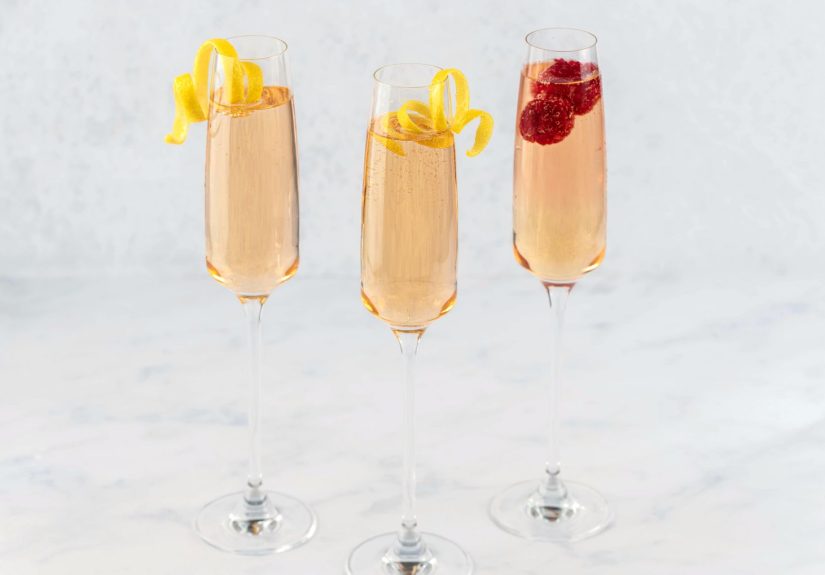
- Garnish: lemon twist or wheel, cucumber ribbon, mint sprig, or berries
Best bubbly base: what to choose
Non-alcoholic sparkling wine tends to taste more “Champagne-like” (dryer, more complex, finer bubbles). Sparkling white grape juice is often sweeter and fruitier, which can be greatbut you’ll want more lemon to keep it from tasting like fancy soda.
How to make it (single serving)
- Chill everything: bubbly base, soda water (if using), and your glass. Cold ingredients = tighter bubbles and cleaner flavor.
- Add elderflower syrup to a flute, coupe, or wine glass. Start smallyou can always add more.
- Add a squeeze of lemon (if your bubbly base is sweet, lemon is your best friend).
- Top with your bubbly base slowly to preserve fizz.
- Optional: add a splash of soda water for an even lighter spritz texture.
- Garnish with a lemon twist (classic), cucumber (spa-day elegant), or a mint sprig (fresh and aromatic).
How to batch it for a party
If you’re serving a crowd, the main rule is: batch the flavor, add the bubbles last.
- In a pitcher, stir together elderflower syrup + lemon juice with a small amount of cold water (this helps distribute sweetness evenly).
- Refrigerate until very cold.
- When guests arrive (or when the playlist hits its stride), pour the bubbly into glasses and top each with a little of the elderflower-lemon mix.
- Garnish right before serving so everything looks fresh.
Make It Taste “Grown-Up” (Even Without Alcohol)
The secret to mocktails that don’t taste like juice in disguise is the same secret behind great cocktails: structure. You want sweetness, acidity, aroma, and a tiny bit of “grip.” Here’s how to get it.
1) Balance sweetness with acid
Elderflower syrup is charming, but it can go from “spring garden” to “perfume aisle” if it’s too sweet. Lemon brings everything back into focus. If your base is sparkling grape juice, lemon is basically mandatory. If you’re using non-alcoholic sparkling wine that’s already dry, you can use less.
2) Add aroma on purpose
Garnish isn’t just decorationit’s the first thing your nose experiences. A lemon twist expresses oils; mint releases aroma when you gently clap it between your hands; cucumber adds a clean, fresh perfume. Choose one garnish and let it shine.
3) Control dilution
For spritz-style drinks, dilution is part of the design. Big, cold ice in a wine glass keeps the drink crisp without melting instantly. In a flute, you usually skip iceso chilling the ingredients matters even more.
4) Keep the bubbles happy
Pour bubbly gently along the side of the glass. Stirring aggressively is how you turn “sparkling celebration” into “mildly disappointed lemonade.” If you must stir, do it once or twicelike you’re handling a tiny, carbonated secret.
Variations That Feel Like Different Outfits
Once you’ve got the core formulaelderflower + bubbles + bright citrusyou can pivot it for seasons, themes, and whatever fruit is currently looking irresistible at the store.
Pomegranate Elderflower Sparkler (Holiday-friendly)
Add a small pour of pomegranate juice to your elderflower base before topping with bubbles. It turns the drink rosy, adds tartness, and screams “festive” without needing glitter (no offense to glitter).
Cucumber-Lemon Elderflower Spritz (Brunch energy)
Use cucumber ribbons or thin slices, plus a lemon twist. If you want extra “spa water sophistication,” add a tiny pinch of salt to the elderflower-lemon mix before you top with bubbles.
Berry Elderflower Fizz (Spring and summer)
Muddle two or three raspberries or strawberries in the bottom of a wine glass, add elderflower syrup and lemon, then top with bubbles. The berries give color and a gentle fruitiness that plays well with floral notes.
French 75-Inspired Zero-Proof (Sharper, more cocktail-like)
Keep lemon in the mix, use a drier non-alcoholic sparkling wine if you can, and consider adding a small splash of strong chilled tea (like green tea) for structure. It’s a clever way to mimic the “backbone” that spirits normally provide.
Glassware, Garnishes, and Serving Tips
Flute vs. coupe vs. wine glass
- Flute: best for maximum bubbles and a classic celebration look.
- Coupe: stylish, but bubbles fade fasterserve immediately.
- Large wine glass: best for spritz-style drinks with ice and garnishes.
Garnish ideas that actually make sense
- Lemon twist: clean, classic, aromatic.
- Mint sprig: fresh and “garden party.”
- Cucumber ribbon: crisp and elegant.
- Frozen berries: pretty and functional (they chill the drink).
FAQ: Quick Answers to Common Questions
What can I use if I can’t find elderflower syrup?
Look for elderflower cordial (often sold in mixers/soda aisles). If you’re totally stuck, a light floral syrup (like a tiny amount of honey-lavender syrup) can work, but elderflower is the closest match to that St. Germain-style profile.
Can I make elderflower syrup at home?
Yes. A classic approach is a simple syrup base infused with elderflower (often dried elderflowers), plus lemon and a touch of citric acid for brightness and shelf life. Let it infuse, strain, chill, and keep it refrigerated.
How do I keep it from tasting too sweet?
Use less syrup than you think, add lemon, and choose a drier bubbly base if possible. Also: chill everything. Cold temperatures reduce perceived sweetness.
Is non-alcoholic sparkling wine worth it?
If you want a more Champagne-like experiencedrier finish, more complexity, finer bubblesyes. Sparkling grape juice is fun and accessible, but it often needs extra lemon to keep it balanced.
Experience Notes: What You’ll Notice When You “Test Kitchen” This Drink (About )
If you’ve ever made a bubbly drink for guests, you already know the truth: it’s never just the recipe. It’s the temperature of the bottle, the speed of the pour, the size of the ice, and whether someone keeps “helpfully” stirring the glass like they’re trying to summon carbonation from the underworld.
When people first try an elderflower-and-bubbles drink (even a zero-proof one), the immediate reaction is usually a surprised smilethe kind that says, “Wait… this tastes expensive.” That’s the elderflower doing its thing. It delivers aroma before sweetness, which makes the drink feel more sophisticated than it technically has any right to be. It’s also why this flavor combo works so well for milestone moments: the perfume reads celebratory, almost like a bouquet in a glass.
The second thing you’ll notice is how much the bubbly base changes the whole personality. Use sparkling white grape juice and the drink leans playful and candy-adjacentin a good way, like the “fancy punch” people reach for twice. Switch to a drier non-alcoholic sparkling wine and suddenly it feels sharper, cleaner, and more “cocktail-coded.” Same elderflower. Same garnish. Totally different energy. If you’re serving a mixed crowd, this is the easiest way to offer two versions without doubling your workload: keep one dry, keep one fruity, label them with a tiny card, and watch people debate their favorite like it’s a reality show finale.
Balance is where the magic lives. Elderflower syrup is charming, but it can also sprint past “floral” into “perfumey” if it’s heavy-handed. The fix is almost always acidusually lemon. And here’s the funny part: when you nail the lemon level, nobody says, “Ah yes, delightful acidity.” They just say, “This is so refreshing,” and then they mysteriously appear again five minutes later with an empty glass. That’s when you know you hit the sweet spot.
Presentation matters more than people admit. A lemon twist makes the drink smell bright before it even hits the tongue. Cucumber makes it feel spa-like. Mint makes it feel garden-party friendly. Even the choice between a flute and a wine glass changes the experience: flutes feel formal and celebratory; wine glasses feel relaxed and social, like everyone is allowed to laugh loudly and nobody’s judging your snack choices.
Finally, the most “test kitchen” insight of all: batching makes you look like a genius. When you pre-mix the elderflower and lemon component and keep it icy cold, serving becomes effortless. You pour bubbles, add a splash of the mix, garnish, and you’re doneno sticky measuring spoons, no chaos, no “hang on, I think I lost the syrup cap.” The drink stays consistent, guests stay happy, and you get to enjoy the party instead of operating a one-person beverage factory. Truly, the dream.