Table of Contents >> Show >> Hide
- What Is Kuzu Tandır?
- Why This Turkish Roasted Lamb Recipe Works
- Ingredients for Turkish Roasted Lamb
- Best Cut of Lamb for Kuzu Tandır
- How to Make Turkish Roasted Lamb
- Food Safety and Doneness Tips
- What to Serve with Kuzu Tandır
- Simple Sumac Onion Side
- Make-Ahead and Storage Tips
- Common Mistakes to Avoid
- Flavor Variations
- Turkish Roasted Lamb Recipe Card
- Personal Cooking Experience: What Kuzu Tandır Teaches You
- Conclusion
- SEO Tags
Some recipes walk into the kitchen wearing sunglasses and a leather jacket. Turkish Roasted Lamb, or Kuzu Tandır, is one of them. It looks grand, smells like a holiday, and tastes as if you hired a Turkish grandmother with a secret spice drawer. The funny part? This dish is surprisingly simple. The real ingredient is patience, which, admittedly, is harder to find than good olive oil on a Monday.
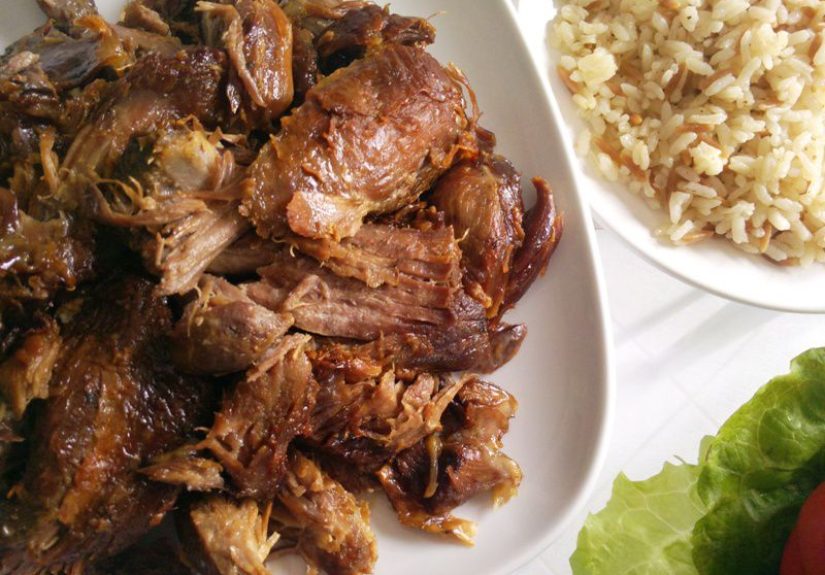
Kuzu Tandır is a classic Turkish lamb dish known for its tender, pull-apart texture. Traditionally, lamb was cooked slowly in a tandır, a clay or underground oven that trapped heat beautifully and transformed tough cuts into buttery meat. Today, most home cooks use a regular oven, a roasting pan, and a little kitchen courage. The result is still deeply satisfying: juicy lamb, savory pan juices, crisp edges, and a flavor that makes rice pilaf suddenly feel like royalty.
This recipe focuses on a practical American home-kitchen version of Turkish roasted lamb. You do not need a clay oven, a restaurant kitchen, or a dramatic soundtrack. You need lamb, olive oil, lemon, garlic, herbs, salt, pepper, and a slow oven. That is it. The oven does the heavy lifting while you accept compliments you technically did not earn.
What Is Kuzu Tandır?
Kuzu means lamb in Turkish, while tandır refers to the traditional slow-cooking method associated with a clay oven. In old-style tandır cooking, meat could cook for hours in a hot, enclosed space until the fibers softened and the fat melted into the meat. That is the magic: low heat, time, and moisture working together like a very delicious committee.
Modern Kuzu Tandır is often made with lamb shoulder, lamb shanks, or leg of lamb. Shoulder and shank are rich in connective tissue, so they become wonderfully tender when cooked slowly. Leg of lamb is leaner but still excellent when roasted carefully and basted with its own juices. For this recipe, bone-in lamb shoulder or bone-in leg of lamb both work well. If you want the most forgiving, fall-apart result, choose shoulder. If you want a more elegant roast for slicing and serving, choose leg.
Why This Turkish Roasted Lamb Recipe Works
The secret is not complicated. Kuzu Tandır succeeds because it respects the lamb. Instead of burying it under twelve loud spices, this dish leans on simple aromatics: garlic, lemon, olive oil, rosemary or thyme, bay leaves, salt, and black pepper. The goal is not to disguise the lamb. The goal is to make it taste like the best version of itself, like lamb after a relaxing spa weekend.
Slow roasting allows the meat to tenderize gradually. A little water or stock in the pan creates steam, which helps prevent dryness. Covering the roast for most of the cooking time keeps the environment moist, while uncovering it near the end gives the surface a beautiful roasted finish. Finally, resting the meat keeps the juices where they belong: inside the lamb, not running across your cutting board like a tragic little river.
Ingredients for Turkish Roasted Lamb
Main Ingredients
- 4 to 5 pounds bone-in lamb shoulder or bone-in leg of lamb
- 3 tablespoons extra-virgin olive oil
- 2 tablespoons fresh lemon juice
- 5 garlic cloves, minced or grated
- 2 teaspoons kosher salt, plus more to taste
- 1 teaspoon freshly ground black pepper
- 1 teaspoon dried thyme or 2 teaspoons fresh thyme leaves
- 1 teaspoon chopped fresh rosemary, optional
- 2 bay leaves
- 1 cup hot water, lamb stock, or low-sodium broth
- 1 large onion, sliced thickly
Optional Flavor Boosters
- 1 teaspoon mild paprika for color
- 1/2 teaspoon cumin for earthy warmth
- 1 tablespoon Turkish pepper paste or tomato paste
- Fresh parsley for garnish
- Sumac onions for serving
Traditional versions are often quite simple, but home cooks can gently customize. Paprika adds color, cumin brings warmth, and pepper paste adds Turkish depth. Still, do not turn this into a spice parade. Kuzu Tandır is supposed to be elegant, not confused.
Best Cut of Lamb for Kuzu Tandır
Lamb shoulder is the easiest choice for a fall-apart texture. It has enough fat and connective tissue to stay moist during long cooking. If your goal is shredded lamb tucked into flatbread or served over pilaf, shoulder is your friend.
Leg of lamb is leaner and more formal. It can be sliced beautifully, making it a strong choice for Easter, family gatherings, or dinner guests who pretend they “just threw something together” while clearly wearing ironed linen. Because leg is leaner, be careful not to overcook it unless you are intentionally going for a very slow-braised texture.
Lamb shanks also work wonderfully. They cook into rich, tender portions and are perfect for smaller dinners. If using shanks, reduce the cooking time slightly and check for tenderness after about 2 1/2 to 3 hours.
How to Make Turkish Roasted Lamb
Step 1: Prepare the Marinade
In a small bowl, mix olive oil, lemon juice, garlic, salt, black pepper, thyme, rosemary, and optional paprika or cumin. Stir until you have a loose paste. It should smell bright, savory, and confident.
Step 2: Season the Lamb
Pat the lamb dry with paper towels. This helps the seasoning cling and encourages better browning later. Rub the marinade all over the lamb, including the sides and any natural openings in the meat. If you have time, cover and refrigerate it for at least 4 hours or overnight. If dinner is already looking at you with hungry eyes, even 30 minutes at room temperature helps.
Step 3: Build the Roasting Base
Preheat the oven to 325°F. Place thick onion slices in the bottom of a roasting pan or Dutch oven. Set the lamb on top of the onions. Add bay leaves and pour hot water or stock around the meat, not directly over it. The onions will soften into the juices and become the quiet heroes of the pan.
Step 4: Slow Roast the Lamb
Cover the pan tightly with foil or a lid. Roast for about 3 to 4 hours, depending on the cut and size. Baste the lamb every hour with the pan juices. If the pan looks dry, add a splash more hot water or stock. For shoulder, cook until the meat pulls apart easily with a fork. For leg of lamb, cook until tender and juicy, checking with a meat thermometer for your preferred doneness.
Step 5: Brown the Surface
Once the lamb is tender, remove the cover and increase the oven temperature to 425°F. Roast uncovered for 15 to 25 minutes, basting once or twice, until the outside turns golden and slightly crisp. This final blast of heat gives you those irresistible roasted edges. These are the pieces people “taste-test” until half the roast mysteriously disappears.
Step 6: Rest, Shred, or Slice
Transfer the lamb to a cutting board and let it rest for 15 to 20 minutes. Shoulder can be pulled into chunks with forks. Leg of lamb can be sliced against the grain. Spoon the pan juices over the meat before serving. If the pan juices are too fatty, skim the top lightly, but do not remove all the richness. That would be like taking the bass line out of a song.
Food Safety and Doneness Tips
For whole lamb roasts, the U.S. food-safety recommendation is to cook lamb to a minimum internal temperature of 145°F followed by a rest. Ground lamb should be cooked to 160°F. For slow-roasted Kuzu Tandır, especially shoulder, many cooks go beyond minimum doneness because the goal is tenderness rather than a pink center. Shoulder often becomes most luxurious when cooked until it is fork-tender.
Use a meat thermometer instead of guessing. Lamb can look done before it is tender, and it can smell amazing long before the connective tissue has softened. The thermometer tells you safety; the fork tells you texture. For Kuzu Tandır, you want both to be on your side.
What to Serve with Kuzu Tandır
The classic partner is Turkish rice pilaf, often made with butter, rice, and tiny toasted pasta pieces such as orzo or vermicelli. The pilaf soaks up the lamb juices in a way that feels almost unfair to other side dishes.
You can also serve Kuzu Tandır with warm flatbread, roasted tomatoes, grilled peppers, yogurt sauce, cucumber salad, or sumac onions. A squeeze of lemon at the table brightens the richness. Fresh parsley adds color and a clean herbal finish. If you want a full Turkish-inspired spread, add hummus, ezme, shepherd’s salad, olives, and a bowl of thick yogurt with garlic and mint.
Simple Sumac Onion Side
Thinly slice one red onion and toss it with 1 teaspoon sumac, a pinch of salt, 1 tablespoon lemon juice, and 2 tablespoons chopped parsley. Let it sit for 10 minutes. The onion softens, the sumac adds tang, and suddenly your lamb has a lively best friend.
Make-Ahead and Storage Tips
Kuzu Tandır is excellent for entertaining because it reheats well. Cook it a day ahead, cool it, and refrigerate it with the pan juices. The next day, remove excess solidified fat if desired, cover the pan, and reheat gently at 300°F until warmed through. Add a splash of water or stock if needed.
Store leftovers in an airtight container in the refrigerator for up to 3 to 4 days. For longer storage, freeze the lamb with some of its juices. The juices protect the meat from drying out and make reheating much easier. Leftover lamb is fantastic in wraps, rice bowls, sandwiches, soups, and even breakfast hash with potatoes and eggs.
Common Mistakes to Avoid
Using Too Little Salt
Lamb is rich, and it needs proper seasoning. Salt early enough so it can penetrate the surface. If the final dish tastes flat, it probably needed a little more salt or lemon.
Cooking Too Fast
Kuzu Tandır is not a sprint. High heat may brown the outside quickly, but the inside needs time to soften. Low-and-slow roasting is what gives the dish its signature tenderness.
Letting the Pan Dry Out
A dry pan can lead to dry meat and burned drippings. Keep some liquid in the bottom of the pan during covered cooking. You are roasting, yes, but you are also creating a moist environment.
Skipping the Rest
Resting is not optional. It allows juices to redistribute and makes the lamb easier to slice or pull. Cutting immediately is tempting, but so is eating frosting with a spoon. We must maintain some standards.
Flavor Variations
For a more Anatolian-style flavor, add a spoonful of pepper paste to the marinade. For a brighter Mediterranean version, increase the lemon juice and add oregano. For a deeper winter roast, add carrots and potatoes under the lamb during the last 90 minutes of cooking. They will absorb the juices and become dangerously good.
If you enjoy smoky flavor but do not own a tandır oven, use smoked paprika sparingly or finish the lamb under the broiler for a more charred edge. You can also grill the cooked lamb pieces briefly before serving. Just do not dry them out. The mission is tenderness, not lamb jerky.
Turkish Roasted Lamb Recipe Card
Prep Time
20 minutes, plus optional marinating time
Cook Time
3 to 4 hours
Total Time
About 4 hours, not including overnight marinating
Servings
6 to 8 servings
Instructions Summary
- Mix olive oil, lemon juice, garlic, salt, pepper, thyme, rosemary, and optional spices.
- Rub the mixture all over the lamb and marinate if time allows.
- Place onions in a roasting pan and set lamb on top.
- Add bay leaves and hot water or stock to the pan.
- Cover tightly and roast at 325°F for 3 to 4 hours.
- Baste occasionally and add liquid if the pan becomes dry.
- Uncover, raise heat to 425°F, and roast until browned.
- Rest 15 to 20 minutes, then slice or pull apart and serve with pan juices.
Personal Cooking Experience: What Kuzu Tandır Teaches You
Cooking Turkish Roasted Lamb is one of those kitchen experiences that changes the mood of the entire house. At first, nothing dramatic happens. You season the lamb, slide it into the oven, and wonder if something so simple can really become dinner-party material. Then, about an hour later, the smell begins to move through the rooms. Garlic shows up first. Then rosemary. Then the unmistakable savory richness of lamb. By hour two, people start wandering into the kitchen pretending they need water.
The first lesson Kuzu Tandır teaches is trust. You have to trust the slow process. Modern cooking often pushes speed: 20-minute dinners, air-fryer miracles, five-ingredient shortcuts. Those are useful, of course, but Kuzu Tandır belongs to a different rhythm. It says, “Relax. I have been doing this for centuries.” The meat does not become tender because you fuss with it every five minutes. It becomes tender because you give it time, moisture, and steady heat.
The second lesson is restraint. Many cooks, especially enthusiastic ones, want to add everything: cinnamon, coriander, chili flakes, seven herbs, maybe a motivational speech. But the most memorable versions of Kuzu Tandır are usually simple. Lamb has character. Olive oil, lemon, garlic, bay leaves, and herbs are enough to frame that character without stealing the stage. When the lamb is good and the cooking is patient, you do not need to shout.
The third lesson is that side dishes matter. The first time you spoon lamb juices over buttery rice pilaf, you understand why this dish has such staying power. The pilaf catches every drop. Sumac onions cut through the richness. Yogurt cools everything down. Flatbread turns the meal into a hands-on event. Suddenly, dinner becomes less like a plate of food and more like a table full of small decisions, all of them correct.
There is also a wonderful confidence that comes with serving Kuzu Tandır. It looks impressive without requiring fancy plating. You can bring the lamb to the table whole and let guests watch it fall apart. That moment never gets old. Someone will say, “Wow, how did you make it so tender?” You can smile mysteriously, even though the honest answer is, “I covered it and waited.” Cooking has many complicated techniques, but sometimes the best one is simply not panicking.
Leftovers may be the final reward. The next day, shredded lamb tucked into warm flatbread with yogurt, onions, and parsley is almost better than the original dinner. Almost. Add rice, cucumbers, tomatoes, and a spoonful of pan juices, and you have a lunch bowl that makes sad desk salads question their life choices. Kuzu Tandır is generous that way. It feeds people well on day one and keeps giving on day two.
Most of all, this recipe reminds us that great food does not always need to be complicated. It needs intention. Season well. Cook slowly. Rest the meat. Serve it with something bright. Share it while it is warm. That is the heart of Turkish Roasted Lamb, and honestly, it is not a bad philosophy for dinner in general.
Conclusion
Turkish Roasted Lamb (Kuzu Tandır) is a beautiful example of how simple ingredients can become something unforgettable. With lamb, olive oil, lemon, garlic, herbs, and slow heat, you can create a tender, aromatic roast that feels both rustic and special. Whether you serve it with Turkish rice pilaf, warm flatbread, yogurt, or sumac onions, this dish brings comfort and celebration to the table.
The key is patience. Let the oven do its quiet work. Keep the lamb moist, give it time to soften, brown it at the end, and always let it rest before serving. Do that, and you will have a Kuzu Tandır recipe worthy of repeat requests, happy silence at the dinner table, and at least one person asking for “just a tiny bit more” while holding a very large plate.