Table of Contents >> Show >> Hide
- What Is a Hammer Pattern Petal Teapot?
- Why This Teapot Design Works So Well
- Best Teas to Brew in a Hammer Pattern Petal Teapot
- How to Brew Tea in a Hammer Pattern Petal Teapot
- What to Look for Before Buying One
- How to Care for a Hammer Pattern Petal Teapot
- Why This Teapot Fits Modern Tea Culture
- Final Thoughts
- Tea Table Diary: Experiences Related to the Hammer Pattern Petal Teapot
- SEO Tags
If a regular teapot is a reliable sedan, the Hammer Pattern Petal Teapot is the stylish little roadster that makes the neighbors peek over the fence. It is functional, yes, but it also knows how to make an entrance. With its hammered texture, flower-like silhouette, and clear glass charm, this kind of teapot turns an everyday cup of tea into a small performance worth watching.
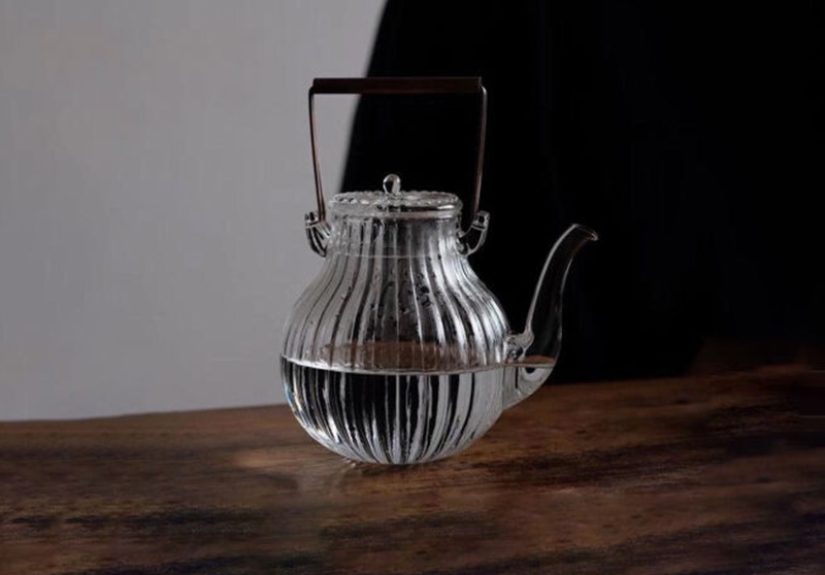
That is exactly why interest in the hammer pattern petal teapot keeps growing among tea drinkers, design lovers, and people who want their kitchen shelves to look a little less “college apartment” and a little more “I have my life together, and I also own good loose-leaf tea.” In current retail use, the name is commonly associated with a transparent glass teapot in a medium-size format, often around 30 ounces, with a petal-inspired body and a textured surface that catches light beautifully.
But this teapot is more than a pretty face. A good one gives you visual control while brewing, supports loose-leaf tea rituals, works beautifully for floral teas and lighter infusions, and adds a calm, handcrafted mood to the table. In this guide, we will break down what makes a Hammer Pattern Petal Teapot special, how to use one well, which teas suit it best, how to care for it, and why it has become such a beloved piece of modern teaware.
What Is a Hammer Pattern Petal Teapot?
A Hammer Pattern Petal Teapot is usually a glass teapot designed with two standout visual details. The first is the hammer pattern, a textured finish made up of small dimples or ripples across the surface. The second is the petal form, meaning the body, lid, or profile has soft curves inspired by flower petals rather than a plain round pot.
Together, those details create a teapot that feels both delicate and lively. The hammered surface plays with light, while the petal shape softens the look. The result is a piece that can feel Japanese-inspired, minimalist, floral, and artisanal all at once. Not bad for an object whose main job is to help leaves sit in hot water for a few minutes.
Many versions are made from heat-resistant glass, often borosilicate-style glass, because that material allows the tea drinker to see the leaves unfurl and the liquor change color during brewing. Some models come with an infuser or strainer, while others are best paired with an external tea strainer. The best examples balance form and function: attractive enough for display, practical enough for daily use.
Why This Teapot Design Works So Well
The Hammered Texture Adds Movement
The hammered finish is not just decorative. It creates visual depth. When sunlight hits the pot, the surface seems to shimmer. When steam rises inside, the texture gives the glass more character than a flat, plain wall ever could. It is the difference between wearing a crisp white shirt and wearing a crisp white shirt with perfect tailoring. Same category, very different mood.
The Petal Shape Softens the Entire Piece
Flower-inspired lines make the pot look warmer and more inviting. A petal silhouette avoids the sharp, clinical feeling that some modern tea gear can have. Instead, it feels gentle, organic, and a little romantic without becoming overly fussy. It fits beautifully into a natural wood kitchen, a calm tea corner, or a table set with linen napkins and ceramic cups.
Clear Glass Turns Brewing Into Theater
One of the biggest appeals of a glass petal teapot is that it lets you watch the brewing process. Green tea slowly glows pale gold. Black tea deepens into amber and copper. Floral blends swirl like little watercolor clouds. Blooming teas, especially, become a visual event. A good glass teapot does not just brew tea; it lets the tea introduce itself.
Best Teas to Brew in a Hammer Pattern Petal Teapot
The beauty of this teapot is that it works with many tea styles, but some leaves are especially well suited to it.
Green Tea
Green tea looks fantastic in clear glass because you can watch the liquor shift from pale straw to yellow-green. It also benefits from visual monitoring, since green tea is more delicate than black tea and can become bitter if the water is too hot or the steep runs too long. In a glass teapot, you can literally see when the brew has reached that sweet spot.
White Tea
White tea is subtle, floral, and elegant, which makes it a natural match for a Hammer Pattern Petal Teapot. The gentle look of the vessel suits the tea’s softer personality. When brewed properly, white tea creates a light, almost glowing liquor that feels right at home in a petal-shaped glass pot.
Oolong Tea
Oolong is where this teapot starts showing off. Rolled oolong leaves unfurl dramatically, and that visual transformation is half the fun. A medium-size glass pot gives those leaves room to expand while letting you admire the process. If your tea ritual includes a quiet five-minute stare into the pot while pretending to be extremely profound, oolong is your friend.
Blooming and Floral Teas
If the teapot is clear and beautifully shaped, blooming teas are the obvious headliner. Jasmine blooms, flower balls, and floral blends create a visual display that makes the hammered pattern sparkle even more. This pairing is not subtle. It is tea with stage lighting, and honestly, that is part of the appeal.
Black Tea and Herbal Infusions
Yes, black tea and herbals work well too. Rich amber tea against clear textured glass has a warm, jewel-like appearance. Herbal blends with hibiscus, chamomile, mint, citrus peel, or spices also look striking in glass. The key is to match water temperature and steeping time to the tea, not to assume one method fits everything.
How to Brew Tea in a Hammer Pattern Petal Teapot
Owning a beautiful teapot is easy. Brewing tea properly in it is what separates “tea ritual” from “hot leaf confusion.” Here is a practical method that works well.
1. Warm the Teapot First
Rinse the pot with warm or hot water before brewing. This helps stabilize temperature and gives your tea a better start, especially for black tea and oolong. A cold pot can rob heat from the water too quickly, which is a rude way to treat perfectly innocent tea leaves.
2. Measure the Tea Leaves
A good starting point is about 1 teaspoon of loose tea per 8 to 10 ounces of water, then adjust to taste. If you are working with large rolled leaves or fluffy white tea, you may need more leaf by volume. If your model includes an infuser, do not pack it too tightly. Leaves need space to expand.
3. Match Water Temperature to the Tea
For green tea, use water below a full boil. For white tea, use moderately hot water. For oolong, go hotter. For black tea and herbal infusions, near-boiling to boiling water usually works well. The clear body of the teapot helps you observe extraction, which is one reason glass remains so popular for visual brewing.
4. Time the Steep
As a general rule, green tea likes shorter steeps, white tea usually lands in the short-to-medium range, oolong varies by style, and black tea often needs several minutes. Herbal infusions can go longer. Timing matters more than people think. The line between “balanced and delicious” and “why does this taste like a regret?” is often just one extra minute.
5. Remove the Leaves or Strain Promptly
Once the tea is ready, separate the leaves from the liquid if possible. This keeps the brew from getting stronger and more bitter while you sip. If your petal teapot does not have a built-in infuser, pour through a fine strainer. Easy, elegant, and far less crunchy.
What to Look for Before Buying One
Not every pretty teapot deserves counter space. If you are shopping for a hammered glass teapot or a petal teapot, pay attention to these practical details:
Capacity
Many versions of this style fall in the small-to-medium range, which is ideal for solo tea sessions or serving two to three small cups. If you mostly drink alone, that size is charming and manageable. If you host large brunches, you may want a backup pot unless you enjoy sprinting to the kettle every seven minutes.
Heat Compatibility
Never assume all glass teapots are stovetop-safe. Some are fine for direct heat on compatible surfaces, while others are strictly for pouring hot water into the pot. Always check the manufacturer’s instructions before exposing glass to flame, stove heat, or the microwave.
Lid Fit and Pour Control
A gorgeous pot that dribbles tea down the spout is a tiny household villain. Look for a lid that sits securely and a spout shaped for smooth, controlled pouring. Good design should feel calm and clean, not like a balancing act.
Handle Comfort
The handle should feel balanced when the pot is full. A light empty pot can hide awkward ergonomics, so imagine the vessel filled with hot tea. If the handle seems too narrow or decorative, your wrist may have opinions later.
Ease of Cleaning
Hammered texture looks beautiful, but the inside of the pot should still be easy to rinse and wipe. Tea stains happen. Choose a shape that allows a bottle brush or sponge to reach the interior without requiring the dexterity of a watchmaker.
How to Care for a Hammer Pattern Petal Teapot
A Hammer Pattern Petal Teapot can last beautifully if treated with common sense and a little tenderness.
Avoid Sudden Temperature Shock
Even heat-resistant glass deserves respect. Do not pour boiling water into an icy-cold pot straight from a chilly room or refrigerator. Let the vessel warm gradually first. Glass is graceful, but it does not enjoy being emotionally ambushed.
Inspect for Chips or Cracks
Before use, look over the rim, handle, lid, and body. A tiny crack can become a much bigger problem once heat and liquid enter the scene. If the pot is damaged, retire it with dignity.
Use Soft Cleaning Tools
Skip abrasive scrubbers. Use warm water, mild soap if needed, and a soft sponge or brush. Tea residue usually comes off with a gentle rinse if you clean the pot soon after use. Dry thoroughly to prevent water marks, especially if you care about that crystal-clear look.
Follow the Manufacturer’s Heat Rules
If the product says it is safe for certain stovetops, use moderate heat and never heat it empty. If it says hand-wash only, believe it. If it says “not for stovetop use,” do not decide you are the chosen exception. The pot will not reward your confidence.
Why This Teapot Fits Modern Tea Culture
Today’s tea lovers are not just buying tools; they are building rituals. The Hammer Pattern Petal Teapot fits perfectly into that shift. It is practical enough for a weekday cup, photogenic enough for social sharing, and thoughtful enough to feel like a genuine object of design rather than disposable kitchenware.
It also aligns with a wider preference for tactile, visually calming items in the home. Texture matters. Light matters. A vessel that looks soft and handmade can make an ordinary tea break feel more intentional. In a noisy world, that small sense of ceremony has real value.
And let us be honest: some kitchen tools are invisible until you need them. This teapot is not one of those tools. It wants to be seen. Fortunately, it usually earns the attention.
Final Thoughts
The Hammer Pattern Petal Teapot succeeds because it combines beauty with usefulness. The hammered texture catches light. The petal shape adds softness and personality. The clear body lets you watch tea transform in real time. And when the pot is well made, it becomes more than tabletop décor. It becomes part of the ritual itself.
If you love loose-leaf tea, floral blends, blooming teas, or simply the idea of slowing down with a vessel that makes the moment feel special, this style is worth serious consideration. It is elegant without being stiff, artistic without being impractical, and charming without trying too hard. Unlike some trendy kitchen pieces, it can actually earn its keep.
In short, the Hammer Pattern Petal Teapot is what happens when tea gear remembers it is allowed to be useful and beautiful. A rare and delightful combination.
Tea Table Diary: Experiences Related to the Hammer Pattern Petal Teapot
One of the most memorable things about using a Hammer Pattern Petal Teapot is how quickly it changes the mood of a room. People expect tea to be comforting, but they do not always expect the teapot itself to become part of the comfort. With this style, that happens almost immediately. Morning tea feels brighter because the hammered glass catches the window light. Afternoon tea feels calmer because the rounded petal form softens the table. Even before the first sip, the experience already feels a little more deliberate and a lot less rushed.
Many tea drinkers notice that this teapot encourages them to slow down. A plain mug invites speed. A petal teapot invites attention. You watch the leaves open, the color deepen, and the steam gather under the lid. With green tea, the liquor shifts gradually and rewards patience. With oolong, the leaves expand in a way that feels almost theatrical. With floral teas, the whole pot can look like a tiny glass lantern. It is hard to gulp your drink and answer email with one eye on the screen when the teapot is politely asking for a little admiration.
There is also a strong tactile element to the experience. The hammered texture does not just reflect light; it gives the hand and eye something to respond to. The pot feels more artisanal, more alive, less factory-flat. Set it next to smooth cups or a wooden tray and it immediately becomes the centerpiece. Guests notice it. They ask where it came from. They say things like, “Okay, now this is a tea moment,” which is modern language for “your teapot has stolen the show, and I respect it.”
In real-life use, the medium capacity is part of the charm. It is large enough to share a thoughtful pot with a friend, but small enough that the tea still feels personal. It works beautifully for quiet reading sessions, weekend breakfasts, and those oddly glamorous moments when you decide a plain Tuesday deserves jasmine tea in a beautiful pot for absolutely no reason. And that, honestly, is reason enough.
Of course, the experience is not only about beauty. Owners often learn quickly that a glass teapot rewards gentle handling and good habits. Warming the vessel first, keeping steep times sensible, and cleaning it soon after use all make a difference. In that way, the teapot teaches a small discipline. It asks for care, but it gives atmosphere in return. That is a fair trade.
Perhaps the most lasting experience, though, is emotional rather than technical. A Hammer Pattern Petal Teapot has a way of making tea feel less like a beverage and more like a pause button. It makes routine feel ceremonial. It makes a shelf look curated. It makes a quick cup feel like an event. And in homes where daily life moves fast, that little pocket of beauty can matter more than people expect. The tea is still tea, of course. But somehow it arrives with better manners.