Table of Contents >> Show >> Hide
- Why Are Street Lights Turning Purple in the First Place?
- Why This Happened in So Many Places Across the U.S.
- Are Purple Street Lights Dangerous?
- Do Purple Street Lights Mean Black Lights, Surveillance, or a Secret Program?
- What Cities, Utilities, and Manufacturers Usually Do About It
- Could the Same Thing Happen Again?
- What You Should Do If the Street Light Near You Turns Purple
- Final Thoughts: The Real Reason Street Lights Turn Purple
- The Experience of Living With Purple Street Lights
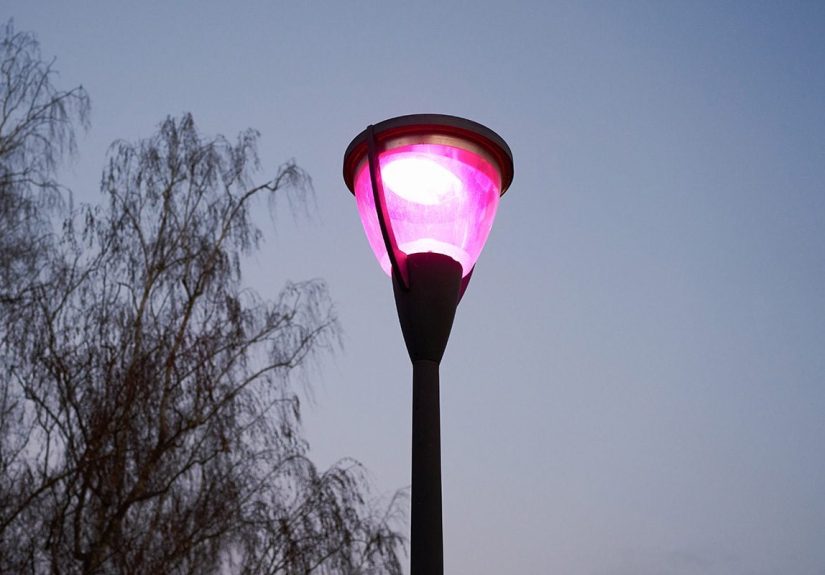
One night your street looks normal. The next night it looks like a superhero movie, a vaporwave album cover, or a very committed alien welcome party. Purple street lights have been popping up across the United States for several years, confusing drivers, entertaining group chats, and inspiring some wildly creative conspiracy theories. But the real reason is much less dramatic than “government black-light program” and much more familiar to anyone who has ever owned a gadget that failed at the worst possible moment: a product defect.
The surprising reason many street lights turn purple is that certain white LED fixtures develop a failure in the materials that help create white light. When that internal layer breaks down, the lamp can shift from white to blue, violet, or a very noticeable purple hue. In other words, the light is not trying a bold new look. It is malfunctioning.
This matters because street lighting is supposed to do one very unglamorous but important job: help people see roads, sidewalks, signs, and each other clearly at night. Once the color drifts off-spec, the fixture may still be glowing, but it is no longer performing as intended. So let’s unpack why street lights are turning purple, what is actually happening inside the LED, whether it is dangerous, and why this weird phenomenon has shown up in so many American cities.
Why Are Street Lights Turning Purple in the First Place?
The basic explanation is simple: many affected street lights are LED fixtures that were designed to produce white light, but a key light-converting layer inside them degraded over time. When that happens, the lamp starts leaking more blue-violet light than it should, and your street suddenly looks like it is auditioning for a sci-fi remake.
How White LED Streetlights Normally Work
Most people assume a white LED naturally makes white light. Not exactly. In many street lights, the LED chip itself emits blue light. That blue light then passes through a phosphor-based material, often embedded in a coating or silicone layer, which converts part of the blue light into longer wavelengths. Your eyes blend those wavelengths together and perceive the result as white.
That white light is what cities and utilities want because it improves efficiency, visibility, and color recognition compared with older technologies such as high-pressure sodium lamps, which gave roads that familiar orange glow. LEDs save energy, last longer, and can reduce maintenance costs. That is why municipalities across the U.S. switched to them so aggressively in the first place.
What Fails Inside the Fixture
The problem begins when the phosphor-related layer no longer stays stable. In some affected products, the phosphor material can shift, crack, delaminate, or otherwise degrade after years of operation. Once that conversion layer is compromised, too much of the underlying blue light shines through. Instead of crisp white, the output can look blue, violet, or purple.
Think of it like this: white LED light is basically a carefully managed recipe. If one ingredient goes bad, the whole dish changes flavor. Except in this case, the “dish” is your neighborhood intersection, and the flavor is “Prince concert parking lot.”
Why This Happened in So Many Places Across the U.S.
One purple street light might seem like a fluke. Thousands of them across multiple states? That points to a broader manufacturing and supply-chain issue. Many utilities and transportation agencies purchased large numbers of similar LED fixtures during major upgrade cycles. If a component problem exists in a certain production period or fixture family, the same odd color shift can appear across many locations years later.
That helps explain why reports have surfaced in states such as Florida, Massachusetts, Texas, Kentucky, Maryland, Connecticut, Minnesota, Pennsylvania, and beyond. The lights are not “spreading” like a disease. They are aging into failure in clusters because large groups were installed around the same time.
Why Purple Lights Often Show Up in Clusters
Cities and departments rarely buy one random street light at a time. They buy in batches. A transportation agency may install hundreds of the same fixture model along a corridor or across a district. If a certain batch contains components prone to phosphor displacement or similar failure, neighboring fixtures may start turning purple within the same general window.
That is why drivers often notice several purple lights along one highway stretch instead of a single mysterious lamp standing alone like the chosen one.
Why the Color Shift Takes Time
Another reason this story feels strange is that the lights do not usually turn purple immediately after installation. In many reported cases, the shift appears years later. That delay makes sense. Heat, operating conditions, vibration, weather exposure, and long-term material stress can slowly weaken the internal package until the color output drifts.
So yes, your street light may have looked fine for years before it suddenly decided it belonged in a synthwave poster.
Are Purple Street Lights Dangerous?
“Dangerous” depends on what you mean. Purple street lights are generally not treated as an immediate emergency in the same way as a dark, nonworking fixture. They still emit light. But that does not mean they are ideal, or that agencies are thrilled about them.
Street lighting standards are built around visibility, uniformity, and color performance. When a lamp shifts from white to purple, it may affect how well people see detail, contrast, and color at night. Reading signs, spotting debris, judging distance, and noticing pedestrians can all become less comfortable when the light source is off-spec.
What Drivers and Pedestrians Notice
People often describe purple street lighting as eerie, dim-looking, or simply harder to see under, even when the fixture is technically still producing light. That reaction is not just imagination. White roadway lighting is used because it supports clearer visual perception for the tasks people perform at night. Purple or blue-heavy light can feel harsher and less natural, and it may not support the same level of visual clarity.
In plain English: the road might still be lit, but it is not lit well. That is a big difference.
Why Agencies Replace Them Anyway
Even when officials say the lights still provide some safety benefit, replacement programs usually follow. Why? Because the goal is not merely “some glow exists.” The goal is consistent, compliant, reliable illumination. Purple fixtures also trigger complaints, confuse the public, and raise liability concerns if people feel visibility is compromised.
So while a purple street light is not typically treated like a live electrical hazard dangling over traffic, it is still a problem municipalities want fixed.
Do Purple Street Lights Mean Black Lights, Surveillance, or a Secret Program?
No. Purple street lights are not a covert surveillance upgrade. They are not designed to reveal bodily fluids, expose vaccinated people, read your thoughts, or help traffic cameras see your soul. The internet has had fun with this topic, but the boring truth is still the correct truth: defective LED components are the main reason.
This rumor cycle actually says something interesting about modern infrastructure. When public technology changes color without explanation, people fill the silence with theories. A lamp that quietly fails in a normal way does not become local legend. A lamp that turns your block into a haunted lavender runway absolutely does.
What Cities, Utilities, and Manufacturers Usually Do About It
In most cases, the fix is replacement. Agencies identify affected fixtures, work with manufacturers, and swap out the failing light engines, boards, or full fixtures depending on the product design and warranty arrangement.
Warranty Is a Big Part of the Story
Many reported cases involve fixtures that were replaced under warranty because the issue was tied to manufacturing defects or component failure rather than normal end-of-life wear. That matters for budgets. Streetlight conversions were sold partly on the promise of lower maintenance costs, so unexpected large-scale replacements are exactly the kind of surprise finance departments do not enjoy.
It is the municipal version of buying “long-life” batteries and then discovering they have the emotional resilience of a soap bubble.
Asset Management Lessons
The purple-light saga has also become a lesson in product testing, procurement, and reliability standards. It is not enough for a fixture to perform well in the short term. Cities need confidence that the LED package, phosphor system, driver, housing, and thermal design will stay stable for years in real outdoor conditions.
That means better reliability data, tighter specifications, smarter vendor oversight, and stronger follow-through when failures appear in the field.
Could the Same Thing Happen Again?
Yes, but that does not mean every LED street light is doomed to become purple. The broader LED street-light transition is still considered valuable because LEDs remain more efficient and generally longer-lasting than many older lighting technologies. The purple phenomenon is a defect story, not proof that all LED roadway lighting is bad.
Still, it is a reminder that “energy efficient” and “maintenance free” are not the same sentence. Materials age. Packaging matters. Heat is rude. Outdoor environments are unforgiving. And one weak component in a complicated system can turn a practical public utility into the most discussed object on your street.
What You Should Do If the Street Light Near You Turns Purple
If the purple light is outside your home, near a crosswalk, or along a road you use often, report it to the agency responsible for the fixture. That might be your city public works department, your local electric utility, or your state transportation department depending on who owns the roadway and pole.
When you report it, include the location, pole number if visible, and a note that the street light has changed color from white to purple. This helps maintenance teams identify it as a known LED failure rather than a simple outage.
In many places, there is already a process for this because you are definitely not the first person to ask why the neighborhood suddenly looks like an underlit aquarium.
Final Thoughts: The Real Reason Street Lights Turn Purple
So, why are street lights turning purple? The surprising reason is not a secret government project or a futuristic lighting experiment. It is a failure inside certain LED systems, usually involving the phosphor-based layer that helps convert blue LED output into white light. Once that layer degrades, the lamp’s color shifts, and the result is the now-famous purple glow.
The story is a perfect little modern infrastructure drama: good technology, mass rollout, hidden materials problem, public confusion, and a very visible symptom that looks far more intentional than it really is. The purple street light is not a message. It is a malfunction.
And while it may give your late-night drive an unexpectedly cinematic vibe, cities still want those fixtures replaced for a simple reason: streets are supposed to be illuminated for safety and comfort, not to look like a space-themed bowling alley.
The Experience of Living With Purple Street Lights
There is also the human side of this story, and it is oddly memorable. When street lights turn purple, the change is immediate enough to feel surreal but ordinary enough to become part of daily life almost overnight. You notice it first while driving home. A familiar block suddenly looks unfamiliar. The pavement changes tone. Parked cars pick up a bluish cast. White lane markings stop looking white. Even trees and sidewalks seem flatter, stranger, less real. It is not darkness, exactly. It is more like the neighborhood has slipped into the wrong filter.
Then come the reactions. Kids think it is cool. Teenagers think it is aesthetic. Adults think something is probably broken, but they also stop to take a picture because, honestly, it does look weirdly dramatic. People walking dogs slow down and stare up at the fixture. Neighbors ask each other if the city changed the lights on purpose. Someone inevitably says it looks like a black light. Someone else swears it must be connected to new cameras. Within a few days, the street light has become the unofficial celebrity of the block.
The experience is even stranger in places where only a few lamps have shifted color. One pool of normal white light, then one pool of purple, then white again. Driving through it feels like moving between different worlds every fifty yards. Your eyes keep adjusting. Your brain keeps trying to decide whether the purple area is brighter, dimmer, or just wrong. That “wrongness” is probably what people remember most. The light is still on, but your senses insist that something is off.
For pedestrians, the effect can be more noticeable than for drivers. Walking under purple street lights often feels less comfortable because skin tones, clothing colors, and the texture of the ground look altered. A red car does not look quite red. A concrete sidewalk can seem gray-blue. A face can look drained of detail. Even when you can technically see, it may not feel like good seeing. That is a subtle difference, but a real one.
There is also a funny emotional split in how people talk about these lights. On one hand, they are a municipal headache, a maintenance problem, and a sign that expensive infrastructure did not age the way it should have. On the other hand, people kind of love talking about them. Purple street lights are rare enough to feel special and common enough to become a shared local experience. They give a routine errand a strange little plot twist.
Maybe that is part of why this topic stuck around. Most public-works problems are invisible until something stops working entirely. Purple street lights are the opposite. They fail loudly, visually, and with flair. They turn a technical issue inside an LED package into a neighborhood conversation piece. For a while, every trip to the grocery store, every late-night drive, every walk home from the bus stop comes with an odd reminder that even the most practical parts of a city can become unexpectedly theatrical.