Table of Contents >> Show >> Hide
Winter dressing has a reputation problem. The season shows up with icy sidewalks, dry lips, and an unofficial dress code of black, gray, and “whatever matches my giant coat.” But stylists and fashion editors have been pushing a different idea lately: cold-weather style looks far more interesting when you treat color like a layering tool instead of a summer-only privilege.
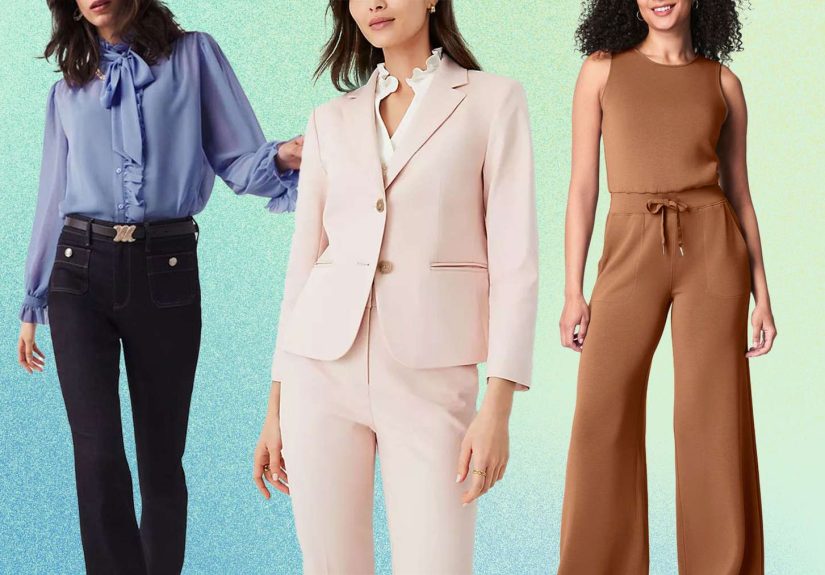
That does not mean dressing like a holiday gift bag. It means choosing shades that feel rich, flattering, and easy to mix with the staples you already own. Think chocolate brown instead of plain black, icy blue instead of predictable beige, or a deep burgundy knit that makes your entire outfit look more expensive than it really is. Which, frankly, is the kind of winter magic we can all support.
If your closet has become a sea of dark neutrals with the occasional lonely plaid scarf drifting by, this guide is your stylish intervention. Below are 13 stylist-approved colors to add to your winter wardrobe, along with practical ideas for wearing them in real life, not just in the fantasy land where everyone owns a perfect wool coat and never spills coffee.
Why Winter Color Matters
The right winter wardrobe colors do more than brighten a gloomy forecast. They add dimension to layered outfits, make basics feel fresher, and help a practical wardrobe still look intentional. A color-forward winter capsule wardrobe also gives you more styling mileage. One pair of trousers can feel classic with camel, bold with cherry red, relaxed with olive, and polished with winter white.
In other words, color is not extra. It is strategy.
The 13 Best Colors to Add to Your Winter Wardrobe
1. Chocolate Brown
Chocolate brown is the overachiever of winter fashion colors. It is warm, grounded, sophisticated, and somehow makes knitwear, leather, suede, and wool all look better. If black can sometimes feel a little severe, chocolate brown softens the outfit without losing polish.
Try it in a tailored coat, wide-leg trousers, a ribbed sweater, or knee-high boots. Pair chocolate brown with cream, powder pink, burgundy, icy blue, or olive for a look that feels modern and expensive. This is the shade for anyone who wants a neutral with more personality.
2. Burgundy
Burgundy remains a winter favorite because it hits the sweet spot between classic and dramatic. It brings color into an outfit without shouting for attention like a neon sign in a snowstorm. Deep wine tones work especially well in wool coats, knit dresses, handbags, and loafers.
Burgundy plays beautifully with gray, navy, camel, and even blush pink. A burgundy sweater tucked into charcoal trousers looks office-ready. A burgundy scarf tossed over a cream coat looks like you planned your life. Even if you did not.
3. Winter White
Winter white is proof that pale colors belong in cold weather. It feels crisp, elevated, and quietly luxurious, especially in textured fabrics like cashmere, bouclé, and brushed wool. Unlike bright optic white, winter white has a softer effect that works better with seasonal layers.
Use it in sweaters, trousers, long coats, or monochrome outfits with tonal cream accessories. If you are nervous about wearing light colors in winter, start with a knit and pair it with darker bottoms. Yes, it may require slightly more caution around red wine and subway seats, but the payoff is worth it.
4. Camel
Camel is a timeless winter wardrobe color because it instantly makes an outfit look refined. It works as a bridge between beige, tan, and brown, which means it is easy to style with almost every color on this list. Camel outerwear is especially useful because it lightens darker outfits without losing seriousness.
A camel wrap coat over a navy knit and dark jeans is a classic for a reason. Camel also works beautifully with icy blue, cherry red, olive green, and winter white. If your goal is effortless elegance, camel is your friend.
5. Navy Blue
Navy is often treated like the quiet cousin of black, but in winter it deserves lead-role status. It is deep and versatile, yet slightly softer and easier to style with warm neutrals and jewel tones. Navy also works for people who want color without stepping too far outside their comfort zone.
Use navy in tailored coats, cashmere crewnecks, trousers, or long skirts. It looks especially sharp with camel, gray, burgundy, and icy blue. A navy coat with silver jewelry and dark denim feels polished without trying too hard.
6. Icy Blue
Icy blue is one of the most refreshing colors to show up in winter style. It mirrors the season without becoming gloomy, and it adds brightness in a way that still feels elegant. This shade works beautifully in knitwear, scarves, structured handbags, and satin accents.
Think of icy blue as a cool-toned wake-up call for a wardrobe full of dark basics. It pairs especially well with camel, charcoal, navy, cream, and chocolate brown. An icy blue sweater under a camel coat is basically the fashion equivalent of fresh air.
7. Olive Green
Olive green has become a reliable winter staple because it behaves like a neutral while still bringing depth and character. It feels practical, sophisticated, and slightly utilitarian in the best possible way. If black and gray have started to bore you, olive is a smart next move.
Olive trousers, quilted jackets, leather skirts, and chunky knits all work well in winter. Style olive with cream, camel, burgundy, or mustard-toned accessories. It also pairs surprisingly well with powder pink, which sounds risky until you see how chic it looks.
8. Emerald Green
Emerald green is for the days when you want your outfit to have a pulse. Rich jewel tones naturally suit winter because heavier fabrics absorb and reflect color beautifully, and emerald is one of the most wearable statement shades. It looks luxurious in velvet, satin, wool, and even leather.
If you are new to it, start with an emerald sweater or bag against black, navy, or chocolate brown. If you are feeling bolder, try a monochrome green moment with different textures. It is festive without being costume-y, which is a very fine line in December.
9. Powder Pink
Powder pink brings softness to winter outfits that might otherwise feel too dark or heavy. This is not bubblegum pink. It is a muted, elegant blush that works surprisingly well in cold-weather wardrobes, especially when styled with richer shades.
Try a powder pink turtleneck with gray trousers, a blush coat with burgundy accessories, or a pink knit set against brown leather boots. The contrast between delicate color and sturdy winter textures is exactly what makes it interesting.
10. Cherry Red
Cherry red gives a winter outfit energy. It is bold, cheerful, and unapologetically attention-grabbing, which can be useful in a season when everybody else looks like a stylish crow. The trick is deciding whether you want red to lead the outfit or punctuate it.
A red coat or sweater makes a strong statement, while red shoes, gloves, or a bag add a focused pop. Cherry red looks fantastic with gray, navy, winter white, camel, and even purple-toned shades. One small hit of red can make a basic outfit feel editorial.
11. Aubergine
Aubergine, eggplant, deep plum, whatever name you like best, this color has serious winter presence. It sits between purple and brown, which makes it rich and moody without becoming loud. It is ideal for people who want something unusual that still feels refined.
Aubergine coats, knit dresses, leather gloves, and boots all work beautifully. Pair it with dark gray, navy, camel, or burgundy for tonal richness. It can also look striking next to cherry red if you like your outfits with a little drama.
12. Charcoal Gray
Gray might not sound exciting at first, but charcoal deserves an upgrade from “office basic” to “essential power neutral.” It is softer than black, sharper than beige, and endlessly useful in winter layering. In a season full of coats and knits, charcoal gives structure without flattening the outfit.
Use it as the anchor for brighter colors like powder pink, cherry red, emerald, or icy blue. A charcoal wool coat, pleated trousers, or cashmere sweater will support almost any palette you build. It is the behind-the-scenes hero of a good winter wardrobe.
13. Teal
Teal is the cool, stylish cousin of blue and green, and it deserves more winter airtime. It feels richer than turquoise and fresher than forest green, which makes it ideal for adding personality without veering into novelty. Teal is especially strong in knitwear, satin tops, and statement accessories.
Wear teal with navy for tonal depth, with camel for warmth, or with winter white for contrast. It is also excellent for evening outfits when black feels too predictable. A teal sweater with dark denim and a camel coat is an easy outfit that still looks creative.
How to Wear These Winter Colors Without Overthinking It
The easiest way to add more color to a winter wardrobe is to keep one part of the outfit familiar and let one part do the talking. Start with your foundation pieces: trousers, jeans, boots, coats, and knits you already wear on repeat. Then swap in one strategic color.
For example, if you live in black pants and loafers, add a burgundy sweater. If your daily uniform is blue jeans and a wool coat, try a powder pink scarf or icy blue knit. If you love neutrals, build around chocolate brown, camel, navy, and winter white, then add emerald or cherry red in smaller doses.
Another smart styling trick is to combine one muted color with one saturated one. Camel and icy blue. Charcoal and cherry red. Olive and powder pink. Navy and teal. Winter white and burgundy. This keeps the outfit dynamic without making it feel random.
Texture matters too. In winter, color looks best when it has some material depth. A cherry red cashmere sweater feels richer than a thin jersey top. An olive suede bag has more presence than a flat synthetic version. When the weather gives you wool, velvet, leather, and brushed knits, let them do part of the styling work.
Real-Life Winter Wardrobe Experiences: What These Colors Actually Feel Like to Wear
In real winter life, the most successful wardrobe colors are usually the ones that solve a problem. Chocolate brown solves the “I am bored of black but still need to look pulled together at 8 a.m.” problem. You put on a brown coat, dark jeans, and cream knit, and suddenly the outfit feels intentional instead of accidental. It is subtle, but the effect is immediate. Brown has warmth, and in winter that warmth reads as approachable and polished.
Burgundy tends to become the color people reach for when they want compliments without wearing anything too wild. A burgundy sweater dress for dinner, a wine-colored scarf on a gray day, or oxblood loafers peeking out under wide-leg trousers all have that effect. People often notice the richness before they identify the exact shade. It makes the outfit feel more considered, almost like you planned for the season instead of simply surviving it.
Winter white creates a different experience. It feels calm, bright, and a little elevated, especially on days when the sky is doing its best impression of wet concrete. Wearing cream or soft white knits can make even a simple outfit feel fresh. Many people hesitate because they assume light colors are impractical in winter, but in everyday styling, a winter white sweater or coat often ends up being one of the most useful pieces in the closet because it lifts everything around it.
Icy blue and powder pink often surprise people the most. On the hanger, they can seem too delicate for winter. On the body, especially with wool coats, boots, and denim, they bring balance. They soften heavy layers and make cold-weather outfits feel less dense. Someone who usually dresses in gray and navy may discover that a pale blue sweater changes the whole mood of a workday outfit. It still looks professional, but it feels less predictable.
Then there are the bolder experiences: cherry red, emerald, teal, and aubergine. These shades tend to shift the energy of an outfit and, honestly, the energy of the person wearing it. A red scarf on a dull day adds confidence. An emerald knit at a holiday gathering looks festive without trying too hard. Teal feels creative. Aubergine feels mysterious in a very adult, very stylish way. These are not just colors; they are mood setters.
Olive, navy, charcoal, and camel often become the practical heroes over time. They are easy to rewear, easy to layer, and easy to mix into a winter capsule wardrobe. You may not get dramatic reactions to an olive coat or camel trousers, but you will get repeated use, and that matters more. These colors are what make the brighter choices feel wearable day after day.
The overall experience of adding color to a winter wardrobe is less about becoming louder and more about becoming more interesting. A few strategic shades can make old basics feel new, make layering feel deliberate, and make getting dressed in cold weather a little less repetitive. And during a season that already asks a lot from us, that small bit of joy is not frivolous. It is functional.
Final Thoughts
The best winter wardrobe colors are the ones that work with your real life, not just your saved photos folder. Start with shades that feel easy, like chocolate brown, camel, navy, or burgundy. Then experiment with contrast through icy blue, powder pink, teal, or cherry red. You do not need a full closet makeover. A single knit, scarf, coat, or handbag in the right color can completely change how your winter outfits feel.
So yes, black will always have a place in cold-weather dressing. But winter style gets much more interesting when black is part of the conversation instead of the whole speech.