Table of Contents >> Show >> Hide
- Why Glass Shower Doors Get Cloudy So Fast
- Before You Start: What You Will Need
- Way 1: Clean Glass Shower Doors With Vinegar and Dish Soap
- Way 2: Use Baking Soda for Stubborn Buildup
- Common Mistakes That Leave Shower Doors Dull
- How to Keep Glass Shower Doors Clean Longer
- How Often Should You Clean Glass Shower Doors?
- Final Thoughts
- Real-Life Cleaning Experiences and Lessons From Sparkling Shower Doors
- SEO Tags
Glass shower doors are a little like white sneakers: gorgeous when they are clean, suspiciously dramatic when they are not. One missed week turns into a foggy film, a constellation of hard water spots, and that streaky layer of soap scum that somehow makes a perfectly nice bathroom look like it has given up on life. The good news? You do not need a chemistry degree, a hazmat suit, or a cart full of expensive cleaners to bring them back.
If you have been wondering how to clean glass shower doors so they actually sparkle, the easiest answer is this: match the cleaner to the mess. For everyday cloudy buildup, a vinegar-and-dish-soap spray works beautifully. For stubborn residue that laughs in the face of sprays, a baking soda scrub gives you more muscle without turning your shower into a scratch test.
In this guide, you will learn two effective ways to clean glass shower doors, when to use each one, what mistakes to avoid, and how to keep your doors cleaner for longer so you are not deep-cleaning the shower every weekend like it is your side hustle.
Why Glass Shower Doors Get Cloudy So Fast
Before you start scrubbing, it helps to know what you are fighting. Most glass shower door grime is a tag-team effort between soap scum and hard water stains. Soap scum forms when soap ingredients react with minerals in water, leaving behind a dull, sticky film. Hard water stains show up when mineral-rich water dries on the glass and leaves deposits behind. Add shampoo splashes, body wash, conditioner overspray, and humid bathroom air, and your shower door becomes a magnet for buildup.
That is why regular glass cleaner often disappoints here. It may remove fingerprints and fresh smudges, but it usually is not strong enough to dissolve mineral deposits or cut through thick bathroom residue. To really clean shower glass, you need ingredients that can loosen grime, break up buildup, and still be gentle enough not to scratch the surface.
Before You Start: What You Will Need
Set yourself up before you begin so you are not standing in a damp shower, holding a microfiber cloth in one hand and wondering where the baking soda went.
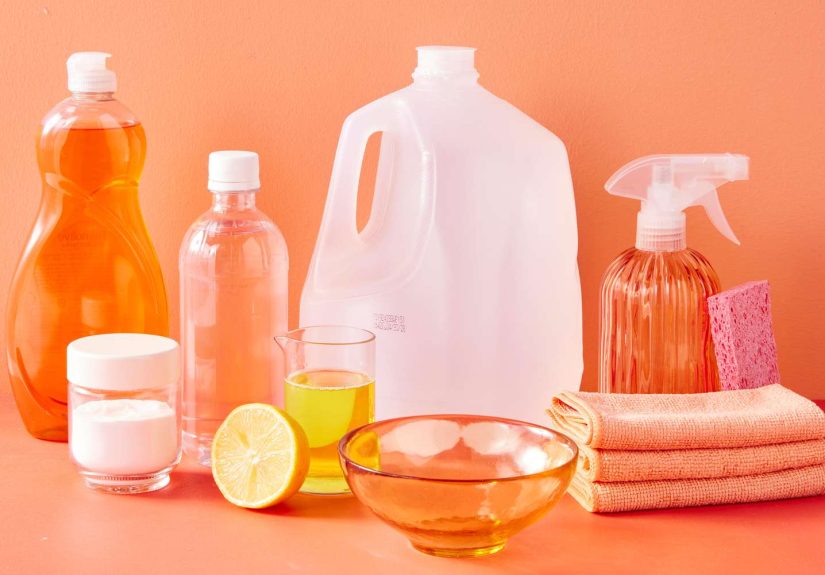
Basic supplies
- Distilled white vinegar
- Dish soap
- Baking soda
- Warm water
- Spray bottle
- Microfiber cloths
- Non-scratch sponge or soft cloth
- Soft toothbrush for edges and tracks
- Squeegee
- Rubber gloves
A quick caution before the fun begins
If your shower includes natural stone such as marble, limestone, or granite near the glass, avoid letting vinegar sit on those surfaces. Acidic cleaners can damage stone and some grout over time. Also, if your shower door has a factory-applied protective coating, check the manufacturer’s care instructions before using anything abrasive. In other words, your goal is sparkle, not an accidental home-improvement plot twist.
Way 1: Clean Glass Shower Doors With Vinegar and Dish Soap
This is the classic method for a reason. A vinegar-and-dish-soap shower door cleaner is simple, affordable, and especially effective on everyday soap scum, light hard water haze, and general bathroom film. The vinegar helps loosen mineral residue, while dish soap cuts through oily body product buildup.
Best for
- Weekly or biweekly cleaning
- Cloudy glass
- Light to moderate soap scum
- Mild water spots
How to make the cleaner
In a spray bottle, combine equal parts warm distilled white vinegar and dish soap. If you want a slightly lighter formula, you can also add a little warm distilled water. The key is to keep the solution strong enough to cut residue but still easy to spray and spread.
How to use it
- Warm up the shower first. Run hot water in the shower for a few minutes, then turn it off. The steam helps soften buildup on the glass.
- Spray generously. Coat the glass door from top to bottom, including the corners and lower edge where grime likes to build a permanent residence.
- Let it sit. Give the cleaner 10 to 20 minutes to work. This matters more than heroic scrubbing. Let the ingredients do the heavy lifting.
- Wipe or gently scrub. Use a non-scratch sponge or microfiber cloth to loosen the film. For edges, hinges, and tracks, use a soft toothbrush.
- Rinse thoroughly. Use warm water to rinse away the residue. A handheld showerhead makes this easier, but a clean damp cloth works too.
- Dry immediately. Finish with a microfiber cloth or squeegee. This step is what turns “clean” into “sparkly.”
Why this method works
When people search for the best way to clean glass shower doors, they usually want something that actually removes buildup instead of just moving it around. This method works because it targets the two most common problems at once: soap residue and mineral haze. It is easy, effective, and ideal for doors that are dirty but not yet at the “we may need to sell the house” stage.
Pro tips for better results
- Use distilled water if you are diluting the mixture. It helps reduce extra spotting.
- Do not use a rough scrub pad. Glass may seem tough, but scratches are forever.
- If residue remains after one round, repeat instead of scrubbing harder like you are trying to remove a tattoo.
Way 2: Use Baking Soda for Stubborn Buildup
If your shower door has thick soap scum, crusty corners, or hard water spots that survived the spray method, baking soda is your backup singer who suddenly steals the show. It gives you a gentle abrasive action that helps lift stubborn residue without the harshness of steel wool or aggressive scrubbers.
Best for
- Heavy soap scum
- Stubborn hard water stains
- Sticky residue near handles and edges
- Deep cleaning once buildup has already settled in
How to make the paste
Mix baking soda with a small amount of water until it forms a spreadable paste. You want the texture of frosting, not soup. If you already used the vinegar-and-dish-soap spray, you can also apply baking soda afterward for extra scrubbing power on trouble spots.
How to use it
- Dampen the glass first. Start with a lightly wet surface so the paste spreads more easily.
- Apply the paste. Focus on cloudy areas, bottom edges, door handles, and any spot that looks like it has seen things.
- Let it sit briefly. Allow the paste to rest for 5 to 10 minutes on stubborn buildup.
- Scrub gently. Use a soft sponge or microfiber cloth in circular motions. For small crevices, use a soft toothbrush.
- Rinse well. Remove all residue with warm water.
- Dry the glass. Wipe dry with a lint-free microfiber cloth or use a squeegee.
When to combine both methods
For truly grimy doors, the smartest approach is often a one-two punch. Start with the vinegar-and-dish-soap spray to soften and loosen buildup. Then use baking soda paste only where residue remains. This saves time, reduces unnecessary scrubbing, and gives you better results than jumping straight into aggressive cleaning.
What not to do
Do not treat baking soda like permission to scrub with wild abandon. It is gentle, but your tools still matter. Stick with soft cloths, non-abrasive sponges, and patience. Also, rinse thoroughly. Leftover paste can dry into a film that makes your freshly cleaned door look weirdly dusty, which is not the sparkling finale you were going for.
Common Mistakes That Leave Shower Doors Dull
1. Using the wrong tools
Scouring pads, stiff brushes, and harsh powders can damage glass or protective coatings. Even if the door looks dirty enough to deserve punishment, it does not.
2. Skipping dwell time
Spray, wait, then scrub. If you spray and immediately start wiping, you are making the job harder than it needs to be.
3. Forgetting to dry the glass
Rinsing is not the end. Water left on the surface can dry into new spots. Always finish with a dry microfiber cloth or squeegee.
4. Ignoring the shower tracks and edges
The glass may be the star, but the tracks and trim are where grime likes to hide. Cleaning only the center of the door is how bathrooms end up looking “almost clean,” which is honestly one of the rudest aesthetic categories.
5. Using vinegar around the wrong materials
Vinegar is useful, but it is not universal. Be careful around natural stone, some grout, and certain specialty finishes. When in doubt, spot-test first or use a mild soap-and-water approach nearby.
How to Keep Glass Shower Doors Clean Longer
Once your shower doors are sparkling, the real trick is not letting them slide back into cloudy chaos. A few simple habits can make a huge difference.
Squeegee after every shower
This is the single easiest way to prevent water spots and soap scum from building up. It takes less than a minute and saves you a lot of scrubbing later.
Wipe moisture off metal and tracks
Use a microfiber cloth to dry the frame, handle, and bottom track. Standing water in those areas encourages mineral buildup and grime.
Improve ventilation
Run the bathroom fan, open a window if possible, or leave the shower door open after bathing. Better airflow helps moisture evaporate faster and discourages mildew.
Use a quick weekly maintenance spray
Even if you do not deep clean weekly, a light spray-and-wipe session can stop buildup from becoming a full-blown project. Think of it as brushing your bathroom’s teeth.
Switch from bar soap if buildup is constant
Some bar soaps leave more residue than liquid body wash. If your glass gets cloudy at record speed, this small change may help reduce soap scum.
How Often Should You Clean Glass Shower Doors?
For most homes, a quick wipe-down or squeegee after each shower and a more thorough clean once a week works well. If you have hard water, multiple daily showers, or a household full of people who somehow treat every bathroom like a steam room at a spa, you may need to deep clean more often.
The best cleaning schedule is the one that prevents buildup from becoming stubborn. It is much easier to clean a slightly cloudy door than one that has been quietly collecting minerals since last season.
Final Thoughts
If you want to know how to clean glass shower doors so they sparkle, the answer is refreshingly simple. Use vinegar and dish soap for everyday haze and soap scum, and bring in baking soda when the buildup is stubborn and needs a little extra persuasion. Keep your tools soft, dry the glass after rinsing, and build a few maintenance habits into your routine.
The result is not just cleaner glass. It is a bathroom that looks brighter, fresher, and far more expensive than it actually is. And really, that is the dream: a shower that says luxury hotel, not “I meant to clean this three Saturdays ago.”
Real-Life Cleaning Experiences and Lessons From Sparkling Shower Doors
One of the most common experiences people have with cleaning shower glass is realizing that the door did not get dirty overnight. It happened slowly, one shower at a time, which is exactly why the buildup can be so sneaky. At first, the glass just looks a little dull. Then one morning, sunlight hits it from the side and suddenly the door looks like it has been laminated in disappointment. That moment tends to inspire a cleaning sprint.
In real homes, the biggest lesson is that consistency beats intensity. People often assume the answer is a stronger cleaner, more elbow grease, or a dramatic product haul. In practice, the better move is usually gentler and simpler: clean more regularly, let the product sit longer, and dry the glass well. Many people find that once they start using a squeegee after each shower, the need for heavy scrubbing drops fast. It feels almost annoyingly effective.
Another common experience is discovering that not all cloudy glass is the same. Sometimes a door looks dirty, but the problem is mostly hard water. Other times, it is thick soap scum from body wash, shaving cream, conditioner, and whatever else the shower has been asked to survive. That is why one cleaner may work beautifully in one bathroom and only halfway in another. Understanding the type of buildup makes cleaning feel less random and much more successful.
People also learn pretty quickly that the bottom of the door is where all the drama lives. The lower edge, the track, the corners near the hinges, and the handle area usually collect the heaviest grime. These spots are easy to overlook during a quick wipe-down, but they make a huge difference in how clean the shower looks overall. Many deep cleans become noticeably more effective the moment those small areas get proper attention.
There is also the very relatable experience of overdoing it the first time. Plenty of people attack shower doors with rough scrubbers, harsh powders, or an “I am ending this today” attitude, only to realize that aggressive tools are not the best answer. A soft sponge, microfiber cloth, and a little patience usually produce better results. The cleaner matters, but the method matters too.
Finally, one of the most useful lessons is psychological, not chemical: a clean shower door changes the whole room. Even if the bathroom is small or simple, sparkling glass makes the space feel brighter and more polished. It reflects light better, makes tile look cleaner, and gives the room that fresh, pulled-together appearance people often chase with bigger renovations. In other words, cleaning the shower door is one of those rare chores that gives surprisingly high visual returns. It is still a chore, yes, but at least this one pays rent.