Table of Contents >> Show >> Hide
- Why Cottage Cheese Works So Well as a Bedtime Snack
- Cottage Cheese Nutrition: What Is Actually in the Bowl?
- Does Cottage Cheese Help You Sleep?
- Healthy Ways to Eat Cottage Cheese at Night
- Who Should Be Careful with Cottage Cheese Before Bed?
- Is Cottage Cheese Better Than Other Bedtime Snacks?
- How Much Cottage Cheese Should You Eat Before Bed?
- Common Mistakes When Eating Cottage Cheese at Night
- 500-Word Experience Section: Real-Life Thoughts on Cottage Cheese Before Bed
- Final Verdict: Is Cottage Cheese a Nutritious Bedtime Snack?
Note: This article is written for general nutrition education and is not a substitute for personalized medical advice. Anyone with dairy allergies, lactose intolerance, kidney disease, reflux, or a sodium-restricted eating plan should choose bedtime snacks with guidance from a qualified health professional.
Cottage cheese has had one of the strangest glow-ups in the grocery aisle. One minute it was sitting quietly beside the sour cream, minding its own curds. The next minute, it was being whipped into dips, folded into pancakes, blended into ice cream, and crowned the unofficial mascot of high-protein snacking. But the question many late-night fridge philosophers are asking is simple: is cottage cheese a nutritious bedtime snack?
The short answer is yesfor many people, plain cottage cheese can be a smart, protein-rich snack before bed. It contains slow-digesting casein protein, offers a satisfying creamy texture, and can pair beautifully with fruit, oats, nuts, cinnamon, or whole-grain crackers. It may help curb hunger without the sugar rush of cookies or the greasy regret of leftover pizza at 11:47 p.m. However, cottage cheese is not perfect for everyone. Some varieties are high in sodium, some people do not tolerate dairy well, and eating too close to bedtime may aggravate heartburn.
So, let’s spoon into the factspolitely, because cottage cheese already looks like it has been through enough.
Why Cottage Cheese Works So Well as a Bedtime Snack
A good bedtime snack should do three things: satisfy hunger, avoid digestive drama, and support steady energy through the night. Cottage cheese checks many of those boxes because it is high in protein, relatively low in sugar when plain, and easy to portion. A half-cup serving of low-fat cottage cheese typically provides around 80 to 100 calories and about 12 to 14 grams of protein, depending on the brand and fat level.
That protein content is the main reason cottage cheese is often recommended as a late-night snack. Unlike candy, sweet cereal, or pastries, cottage cheese does not rely on a quick blast of refined carbohydrates. Instead, it digests more slowly and may help you feel satisfied longer. In everyday terms, it is the difference between your stomach calmly saying, “Thank you, I’m good,” and your stomach banging pots together at 2 a.m.
The Casein Protein Advantage
Cottage cheese is rich in casein protein, the main protein found in milk. Casein digests slowly compared with faster proteins such as whey. This slow release of amino acids is why athletes, active adults, and people trying to meet protein needs often like cottage cheese before bed.
Research on pre-sleep proteinespecially caseinsuggests that consuming protein before sleep can support overnight muscle protein synthesis, particularly when combined with regular resistance training. This does not mean cottage cheese turns your body into a superhero factory while you sleep. Sadly, no cape is included. But it does mean that a protein-rich bedtime snack may help the body repair and maintain muscle tissue overnight, especially after exercise.
For most people, the goal is not to eat a giant bowl before bed. A modest portion is the sweet spot: enough to satisfy hunger, not enough to make your digestive system file a complaint.
Cottage Cheese Nutrition: What Is Actually in the Bowl?
Plain cottage cheese is nutrient-dense, meaning it delivers a useful amount of nutrition without requiring a huge serving. Depending on the brand and variety, cottage cheese may provide:
- High-quality protein for satiety and muscle maintenance
- Calcium and phosphorus to support bones and teeth
- Vitamin B12, important for red blood cells and nerve function
- Riboflavin, a B vitamin involved in energy metabolism
- Selenium, a mineral that supports antioxidant defenses
- Low added sugar when you choose plain varieties
That said, cottage cheese nutrition varies widely. A no-salt-added low-fat cottage cheese is very different from a sweetened fruit-on-the-bottom version. Full-fat cottage cheese is creamier and more satisfying for some people, while low-fat versions may offer more protein per calorie. Neither is automatically “good” or “bad.” The best choice depends on your overall diet, taste preferences, health needs, and how your body feels after eating it.
Low-Fat, Full-Fat, or No-Salt-Added?
If you are choosing cottage cheese as a bedtime snack, start with the label. Plain low-fat cottage cheese is a popular option because it gives you plenty of protein with moderate calories. Full-fat cottage cheese can be more filling and flavorful, which may help if you feel unsatisfied by lower-fat dairy. No-salt-added cottage cheese is useful for people watching sodium intake.
The biggest label issue is usually sodium. Cottage cheese can be surprisingly salty. Some half-cup servings contain several hundred milligrams of sodium, and that can add up quickly if your meals already include packaged foods, restaurant meals, deli meats, soups, sauces, or salty snacks. If sodium is a concern, compare brands and look for “low sodium” or “no salt added” options.
Does Cottage Cheese Help You Sleep?
Cottage cheese is not a sleeping pill in a bowl. It will not tuck you in, silence your phone, or convince your brain to stop replaying an awkward conversation from 2019. But it may support better sleep indirectly.
First, a small protein-rich snack can reduce bedtime hunger. Going to bed hungry can make it harder to fall asleep or stay asleep. Second, dairy foods contain the amino acid tryptophan, which the body uses in pathways related to serotonin and melatonin. Third, when paired with a fiber-rich carbohydrate like berries, banana slices, or oats, cottage cheese can make a balanced snack that feels satisfying without being heavy.
The key word is balanced. A bowl of plain cottage cheese with berries is very different from a giant late-night dessert disguised as a “protein recipe” with chocolate syrup, crushed cookies, and enough whipped topping to insulate a roof.
Best Time to Eat Cottage Cheese Before Bed
For many people, eating cottage cheese about 30 to 90 minutes before bed works well. If you are prone to acid reflux, heartburn, or indigestion, you may do better eating earlierpossibly two to three hours before lying down. Digestion is generally more comfortable when you are upright, and lying down soon after eating can worsen reflux for some people.
Pay attention to your own pattern. If cottage cheese before bed helps you feel calm and satisfied, great. If it makes you feel bloated, thirsty, or uncomfortable, your body has voted. Respect the vote.
Healthy Ways to Eat Cottage Cheese at Night
The best bedtime cottage cheese snack is simple, moderate, and not loaded with added sugar. Think of cottage cheese as the base, then add ingredients that bring flavor, fiber, crunch, or natural sweetness.
1. Cottage Cheese with Berries
This is the classic choice for a reason. Berries add fiber, color, antioxidants, and natural sweetness. Blueberries, strawberries, raspberries, or blackberries all work well. Add cinnamon if you want dessert energy without turning the bowl into a sugar festival.
2. Cottage Cheese with Banana and Cinnamon
Banana adds gentle sweetness and a creamy texture. Cinnamon gives the snack a cozy flavor, like banana pudding’s responsible cousin who pays bills on time.
3. Savory Cottage Cheese Bowl
If sweet snacks are not your thing, try cottage cheese with cucumber, cherry tomatoes, cracked black pepper, and a small drizzle of olive oil. This works especially well when you want something refreshing rather than dessert-like.
4. Cottage Cheese with Whole-Grain Crackers
Whole-grain crackers add crunch and carbohydrates, making the snack more satisfying. Keep the portion moderate, especially if you are eating close to bedtime.
5. Whipped Cottage Cheese
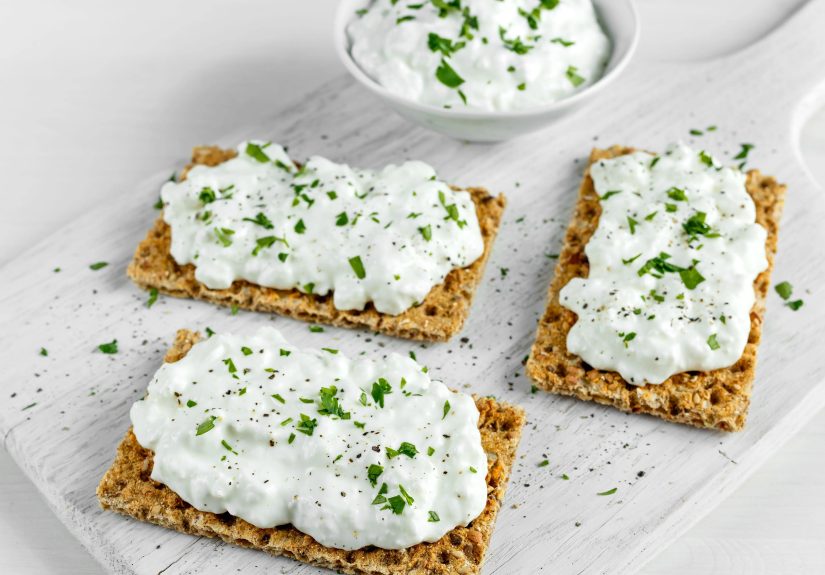
If the texture of curds makes you suspicious, blend cottage cheese until smooth. Whipped cottage cheese can become a creamy dip, spread, or pudding-style snack. Add vanilla and fruit for sweet, or herbs and pepper for savory.
Who Should Be Careful with Cottage Cheese Before Bed?
Cottage cheese is nutritious, but it is not universally ideal. Some people should be more selective or choose another bedtime snack.
People with Lactose Intolerance
Cottage cheese contains lactose, the natural sugar in milk. Some people tolerate it better than milk; others do not. If dairy causes gas, bloating, cramps, or bathroom urgency, cottage cheese before bed may be less “peaceful night” and more “digestive jazz concert.” Lactose-free cottage cheese or non-dairy alternatives may be better options.
People with Milk Allergy
A milk allergy is different from lactose intolerance. If you have a true milk allergy, cottage cheese is not appropriate. Choose a safe alternative recommended by your healthcare provider.
People Watching Sodium
Because cottage cheese can be high in sodium, people with high blood pressure, kidney disease, heart failure, or sodium-restricted diets should check labels carefully. No-salt-added varieties may be useful, but individual needs vary.
People with Reflux or Heartburn
If eating before lying down triggers heartburn, cottage cheese may not be the problemthe timing may be. Try moving the snack earlier or keeping the portion smaller. If nighttime reflux is frequent, it is worth discussing with a clinician.
Is Cottage Cheese Better Than Other Bedtime Snacks?
It depends on what you compare it to. Cottage cheese is generally more nutritious than candy, chips, cookies, or sugary cereal. It offers protein, minerals, and satiety instead of just a quick hit of sugar, salt, or fat. Compared with Greek yogurt, cottage cheese is similar in protein but often saltier. Compared with nuts, it is usually lower in fat and calories per serving, but nuts provide more magnesium and healthy fats. Compared with toast and peanut butter, cottage cheese has more protein but fewer carbohydrates.
The “best” bedtime snack is the one that fits your body, your hunger level, your nutrition needs, and your sleep. Nutrition is not a cage match. Greek yogurt and cottage cheese do not need to fight under fluorescent grocery-store lights. Both can be useful.
How Much Cottage Cheese Should You Eat Before Bed?
A common bedtime portion is one-half cup to one cup, depending on hunger, activity level, and overall eating pattern. A half-cup is enough for a light snack. A full cup may fit someone who is very active, had an early dinner, or needs more protein.
If you are eating cottage cheese for muscle recovery, the research on pre-sleep protein often uses larger protein doses than a tiny spoonful provides. However, everyday nutrition does not need to copy a lab study exactly. Most people benefit more from consistencygetting enough total protein during the daythan from obsessing over one nighttime bowl.
Simple Portion Guide
- Light hunger: 1/2 cup cottage cheese with berries
- Moderate hunger: 3/4 cup cottage cheese with fruit and cinnamon
- After evening exercise: 1 cup cottage cheese with banana or oats
- Reflux-prone stomach: smaller serving, eaten earlier in the evening
Common Mistakes When Eating Cottage Cheese at Night
The first mistake is choosing a sweetened cottage cheese cup without checking added sugar. Fruit-flavored varieties can be convenient, but some contain extra sugar that turns a smart snack into dessert wearing a tiny nutrition hat.
The second mistake is ignoring sodium. Cottage cheese tastes mild, so people forget it can be salty. If you wake up thirsty or already eat many high-sodium foods, compare brands.
The third mistake is eating too much too late. Even healthy food can interfere with sleep when the portion is large. A mountain of cottage cheese at midnight is still a mountain. Your stomach does not care that it is high in protein; it still has to process it.
The fourth mistake is expecting one snack to fix poor sleep habits. Cottage cheese cannot outwork caffeine at 5 p.m., late-night doom-scrolling, irregular sleep schedules, or a bedroom that feels like a laptop repair shop. Use it as one small part of a better evening routine.
500-Word Experience Section: Real-Life Thoughts on Cottage Cheese Before Bed
In real life, cottage cheese as a bedtime snack is less glamorous than wellness influencers make it lookand that is part of its charm. It is not a sparkling moon milk latte with edible flowers. It is not a hand-carved tropical smoothie bowl photographed beside linen sheets. It is a practical little bowl of dairy that says, “You seem hungry, but let’s not make this weird.”
One common experience is that cottage cheese works best when it is prepared simply. A half-cup with blueberries and cinnamon feels like a snack, not a project. That matters because bedtime snacks should not require a cutting board, three pans, and emotional recovery. When the goal is better sleep, the kitchen should not turn into a cooking competition judged by Gordon Ramsay and your sleepy future self.
People who exercise in the evening often find cottage cheese especially useful. After a workout, hunger can arrive late, dramatic and unreasonable, like it paid rent. A bowl of cottage cheese with banana or oats can feel more satisfying than fruit alone because the protein gives it staying power. Instead of crawling into bed and thinking about sandwiches, you get a snack that supports recovery and lets your brain move on to more important bedtime activities, such as wondering why the ceiling fan makes that one tiny noise.
Texture is the great cottage cheese debate. Some people love the curds. Others look at them like they just received confusing news. The good news is that blending changes everything. Whipped cottage cheese becomes smooth, creamy, and much easier to use as a dip or pudding-style snack. Add a little vanilla and berries, and it feels like a high-protein dessert. Add herbs, pepper, and cucumber, and it becomes a cool savory bowl. Cottage cheese is surprisingly flexible once you stop judging it by its lumpy first impression.
Another practical lesson: sodium matters more than people expect. Some brands taste mild but contain a noticeable amount of sodium. If you eat a salty dinner and then add salty cottage cheese before bed, you may wake up thirsty enough to question every decision you made after 8 p.m. Choosing a lower-sodium version can make the snack feel lighter and more sleep-friendly.
For people with sensitive digestion, timing is everything. Cottage cheese eaten right before lying down may feel too heavy, especially for those with reflux. Eating it earlier in the evening can make a big difference. A snack that feels great at 8:30 p.m. may feel like a tiny dairy brick at 11:30 p.m. Bodies are specific like that.
The best experience comes from treating cottage cheese as a tool, not a rule. It can be a nutritious bedtime snack when it fits your appetite, digestion, and routine. It is not mandatory. It is not magical. But when you want something creamy, filling, protein-rich, and easy, cottage cheese is a strong candidate. It is humble, useful, and very willing to hang out with berries. Honestly, we should all have a friend with that kind of range.
Final Verdict: Is Cottage Cheese a Nutritious Bedtime Snack?
Yes, cottage cheese can be a nutritious bedtime snack, especially when you choose a plain variety, keep the portion reasonable, and pair it with fruit, whole grains, or other nutrient-rich ingredients. Its slow-digesting casein protein may help with fullness and overnight muscle repair, while its vitamins and minerals add more nutrition than many typical late-night snacks.
Still, it is not perfect for every person or every night. Watch the sodium, avoid heavily sweetened versions, and be careful with timing if you have reflux. If your body tolerates dairy well and you enjoy the taste, cottage cheese can be one of the most practical snacks to keep in the fridge. It is not flashy, but neither are socksand we all know how important those become when life gets chilly.