Table of Contents >> Show >> Hide
- What Diastolic Blood Pressure Means
- 1. Rebuild Your Plate With a DASH-Style Eating Pattern
- 2. Move More and Manage Weight Without Turning Exercise Into Punishment
- 3. Cut the Hidden Pressure Boosters: Alcohol, Nicotine, Poor Sleep, and Chronic Stress
- 4. Measure Blood Pressure Correctly, Follow Up, and Use Medication When Needed
- Mistakes That Keep Diastolic Blood Pressure Stubbornly High
- What People Often Experience While Trying to Lower Diastolic Blood Pressure
- Final Thoughts
- SEO Tags
Diastolic blood pressure is the bottom number in a blood pressure reading, and while it does not get quite as much celebrity status as systolic pressure, it still matters a lot. Think of it as the pressure in your arteries while your heart is resting between beats. If that number keeps running high, your blood vessels are basically living in a constant state of “please calm down,” which is not a great long-term plan.
The good news is that lowering diastolic blood pressure usually does not require a dramatic life reinvention involving wheatgrass at sunrise and jogs up mountains you did not ask for. In many cases, steady lifestyle changes can help move the number in the right direction. And when lifestyle changes are not enough, medical treatment can absolutely be part of a smart, effective plan.
This guide breaks down four practical, evidence-based ways to lower diastolic blood pressure, along with common mistakes, realistic examples, and what the process often feels like in everyday life. It is written for web readers, not cardiology robots, so expect clear advice in plain English. Still, one serious note: this article is informational and should not replace care from a licensed healthcare professional, especially if your readings stay elevated or you already have heart, kidney, or metabolic conditions.
What Diastolic Blood Pressure Means
A blood pressure reading has two numbers. The top number, systolic pressure, measures the force against artery walls when the heart contracts. The bottom number, diastolic pressure, measures that force while the heart relaxes between beats. In a normal reading, the diastolic number is under 80.
Why does that matter? Because the heart does not just work when it squeezes. The “resting” phase matters too. If diastolic pressure stays high over time, it can contribute to damage in blood vessels and increase the risk of heart disease, stroke, and kidney problems. So no, the bottom number is not just decorative.
Also important: one weird reading after bad sleep, a stressful commute, or three coffees does not necessarily mean you have a chronic problem. Blood pressure moves around. What matters is the pattern over time and whether those readings stay elevated when measured correctly.
1. Rebuild Your Plate With a DASH-Style Eating Pattern
Why food matters so much
If you want to lower diastolic blood pressure, your kitchen is one of the most powerful places to start. A heart-healthy eating pattern can help your arteries relax, reduce fluid retention tied to excess sodium, and improve overall vascular health. The best-known approach is the DASH diet, which stands for Dietary Approaches to Stop Hypertension. It sounds a little formal, but the actual idea is refreshingly simple: eat more foods that help blood pressure and less food that behaves like it is auditioning for trouble.
DASH emphasizes vegetables, fruits, beans, nuts, seeds, whole grains, lean proteins, and low-fat dairy, while pulling back on highly processed foods, salty packaged meals, processed meats, and foods high in saturated fat. It is not a fad diet. It is an eating pattern built around nutrient density, especially potassium, calcium, magnesium, fiber, and protein, while keeping sodium under control.
Lower sodium without making life miserable
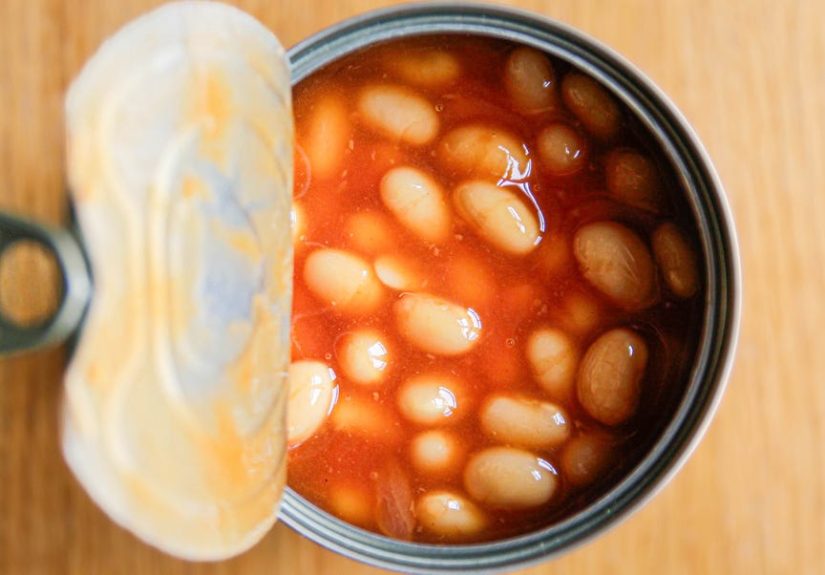
One of the biggest nutrition levers for blood pressure is sodium. Many adults consume far more sodium than they realize because most of it comes from restaurant meals, sauces, breads, deli meats, canned soups, frozen meals, and snack foods, not just the salt shaker on the table. That means you can be “barely salting anything” and still quietly eating your way into a higher blood pressure reading.
A practical goal is to reduce sodium by cooking more at home, reading Nutrition Facts labels, and choosing lower-sodium versions of common staples. A few swaps can go a long way: plain oatmeal instead of instant flavored packets, unsalted nuts instead of salty mixes, roasted chicken instead of deli turkey, and plain Greek yogurt instead of heavily processed savory snacks. Your taste buds usually adjust within a couple of weeks, which is wonderful because bland food is not a personality trait anyone wants.
Bring in more potassium-rich foods
Potassium helps counterbalance sodium’s effects on blood pressure, which is one reason fruits, vegetables, beans, potatoes, yogurt, and leafy greens show up so often in blood pressure advice. A simple rule is this: the more your plate looks like actual food and the less it looks like something peeled out of shiny plastic, the better your odds.
That said, people with kidney disease or certain medical conditions should talk with a clinician before intentionally increasing potassium. More is not always better in every body.
A realistic plate example
Lunch does not need to become a morality play. A better blood-pressure meal can be as normal as grilled salmon, brown rice, roasted vegetables, and fruit. Or bean chili with a side salad. Or a turkey and avocado sandwich on whole-grain bread with carrot sticks and plain yogurt. The goal is consistency, not culinary sainthood.
2. Move More and Manage Weight Without Turning Exercise Into Punishment
Exercise helps the arteries behave better
Regular physical activity is one of the most reliable ways to lower blood pressure, including the diastolic number. Aerobic activity helps the heart work more efficiently, improves blood vessel function, supports weight control, and reduces some of the stress chemistry that can keep blood pressure elevated.
A strong baseline goal is at least 150 minutes of moderate-intensity aerobic activity each week. That can mean brisk walking, cycling, swimming, dancing, active yard work, or anything that gets your heart rate up and your breathing a little heavier while still letting you talk in short sentences. You do not need to become the kind of person who posts motivational sunrise workout photos. You just need a routine you will actually keep.
Resistance training counts too
Strength training helps as well. Two or more sessions a week using body weight, resistance bands, machines, or dumbbells can support healthier blood pressure, better insulin sensitivity, and easier weight management. A balanced plan often works better than an all-cardio, all-the-time approach. Your arteries like variety almost as much as your knees do.
Weight loss can make a real difference
If you are carrying excess weight, even modest weight loss can help lower blood pressure. This is one of those frustrating truths that is also, annoyingly, very useful. You do not need to chase a dramatic transformation. Losing a relatively small percentage of body weight can improve blood pressure and reduce strain on the heart and blood vessels.
That is why the most effective strategy is usually not “go hard for two weeks.” It is building habits that hold up in normal life: walking after dinner, taking the stairs, cooking more meals at home, keeping protein and fiber high enough to stay satisfied, and making exercise appointments feel as non-negotiable as meetings.
Example: the non-gym path
Someone who starts with three 10-minute brisk walks a day, adds two short strength sessions each week, and swaps a daily drive-thru lunch for a homemade meal has not done anything flashy. But they have built exactly the kind of routine that can move blood pressure in the right direction. Quiet routines often beat dramatic intentions.
3. Cut the Hidden Pressure Boosters: Alcohol, Nicotine, Poor Sleep, and Chronic Stress
Alcohol can quietly push the numbers up
Alcohol has a sneaky reputation because it can look harmless in moderation and still become “a bit much” in real life. Too much alcohol can raise blood pressure. Keeping intake limited, or avoiding alcohol entirely, may help bring numbers down. For many people, this is less about never having a drink again and more about noticing patterns: nightly pours that became oversized, weekends that stretch, or stress drinking disguised as “taking the edge off.”
If you are trying to lower diastolic blood pressure, it helps to be brutally honest about what “just a couple” means in your actual glassware.
Nicotine is not doing your arteries any favors
Smoking and other nicotine products can temporarily raise blood pressure and damage blood vessels over time. That includes cigarettes, vaping products, and nicotine pouches. If you need another reason to quit beyond literally everything else, there it is. Lower blood pressure and healthier arteries are both on the prize list.
Sleep matters more than people think
Short sleep and poor-quality sleep are associated with high blood pressure. If you routinely sleep less than seven hours, wake often, snore loudly, or feel exhausted despite a full night in bed, sleep deserves a place in the blood pressure conversation. Sleep is not lazy. It is maintenance.
Helpful basics include keeping a regular sleep schedule, cutting back late caffeine, reducing alcohol close to bedtime, limiting screens late at night, and asking about evaluation for sleep apnea if symptoms fit. In some people, the missing blood pressure strategy is not a fancy supplement. It is a better pillow, a darker room, and finally admitting that five hours of sleep is not a personality strength.
Stress management helps, but keep expectations realistic
Stress can raise blood pressure in the short term, and chronic stress often pushes people toward habits that worsen it, such as overeating, drinking more, sleeping less, or skipping exercise. Relaxation techniques, deep breathing, mindfulness, yoga, and other stress-management tools may help, though they usually work best as part of a larger lifestyle plan rather than a magic trick by themselves.
Think of stress reduction as taking your foot off the gas pedal. It may not solve everything, but it makes the rest of the plan work better.
4. Measure Blood Pressure Correctly, Follow Up, and Use Medication When Needed
Bad technique creates bad data
You cannot manage what you are measuring badly. Home blood pressure readings are helpful, but only if you take them correctly. Sit quietly for a few minutes first. Keep your back supported, feet flat on the floor, and arm supported at heart level. Do not talk during the reading. Use the correct cuff size. Try not to check it right after exercise, smoking, or a stressful argument about group chat drama.
If you are tracking readings at home, take them around the same time each day and write them down or store them in an app. Patterns are far more helpful than random numbers collected whenever you happen to remember.
Know when lifestyle changes are enough and when they are not
Lifestyle changes can be very effective, but they are not a moral test. Some people still need medication, and that is not failure. It is treatment. High blood pressure can be influenced by genetics, age, kidney disease, hormone issues, sleep apnea, and other factors that cannot be fixed with spinach and optimism alone.
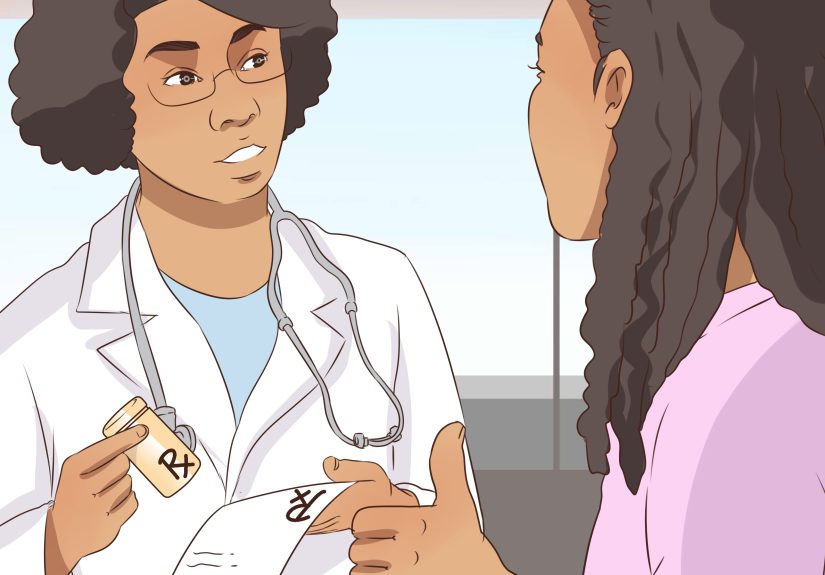
If your diastolic pressure stays elevated despite consistent lifestyle changes, or if your clinician recommends medication from the start, following that plan can reduce long-term risk. Blood pressure medicines work in different ways, and sometimes more than one is needed. The goal is not to “win without meds.” The goal is to protect your heart, brain, kidneys, and blood vessels.
When to talk with a clinician sooner
Make an appointment promptly if your home readings stay high, if you already have heart disease, kidney disease, diabetes, or pregnancy-related concerns, or if you are unsure whether your current medicine plan is working. Blood pressure is one of those things that rewards early action. Waiting around for it to become dramatic is rarely the best plot twist.
Mistakes That Keep Diastolic Blood Pressure Stubbornly High
- Assuming the bottom number does not matter as long as the top number looks decent.
- Focusing only on table salt while ignoring processed foods and restaurant meals.
- Exercising hard twice a week and sitting the rest of the time like a decorative statue.
- Sleeping poorly for months and treating exhaustion like it is normal adulthood.
- Taking blood pressure at random, with bad technique, and then panicking over single readings.
- Quitting medication without medical guidance because the numbers improved once.
What People Often Experience While Trying to Lower Diastolic Blood Pressure
One of the most common experiences is surprise. A lot of people expect high blood pressure to feel dramatic, but it usually does not. There is often no headline symptom, no obvious warning bell, just a number that keeps showing up higher than expected. That can make the process emotionally strange. You may feel totally fine and still need to make meaningful changes, which can be hard for the brain to accept because the brain loves visible proof and hates preventive maintenance.
Another common experience is discovering that the “healthy enough” routine was not actually helping much. People often realize they were walking occasionally but sitting all day, cooking at home but using lots of salty sauces, or sleeping poorly for years without connecting it to blood pressure. That does not mean they were doing everything wrong. It means blood pressure is influenced by patterns, not isolated good intentions. Many people see progress only when they tighten up several daily habits at the same time.
There is also usually an adjustment phase. Food may taste less exciting for a week or two when sodium drops. Brisk walks may feel suspiciously rude at first if you are deconditioned. Going to bed earlier can feel weirdly rebellious when you are used to doom-scrolling at midnight. But those early annoyances often settle down. Taste buds adapt. Stamina improves. Sleep becomes more restorative. The routine stops feeling like punishment and starts feeling normal.
Many people also notice that progress is not perfectly linear. Blood pressure can improve overall while still bouncing around from day to day. Stressful workdays, poor sleep, dehydration, illness, or a restaurant-heavy weekend can cause temporary bumps. That is why home monitoring works best when you look at trends instead of obsessing over every individual reading. A higher reading on Tuesday does not erase three better weeks. It just means your body is a body, not a spreadsheet.
Emotionally, some people feel frustrated that lifestyle changes take consistency before they show up in the numbers. The payoff can be gradual. But that is also what makes the progress durable. Lowering diastolic blood pressure is often less like flipping a switch and more like turning a big ship. The change may start slowly, then become noticeable, then eventually feel built into your everyday life.
Finally, many people feel relieved once they stop treating treatment options as opposing teams. Lifestyle changes and medication can work together. Walking, eating better, sleeping more, and limiting alcohol are not “Plan A” while medication is “giving up.” For some people, the winning combination is both. And honestly, the heart does not care which part of the plan gets the credit. It just appreciates the support.
Final Thoughts
If you want to lower diastolic blood pressure, the most effective plan is usually not exotic. It is a steady combination of better food choices, less sodium, more movement, healthier weight management, less alcohol and nicotine, better sleep, smarter stress control, and accurate monitoring. When needed, medication belongs in that picture too.
The bottom number may not get all the attention, but it deserves real respect. Lowering it is not about chasing perfection. It is about reducing strain on your arteries, lowering long-term risk, and making everyday habits work in your favor instead of against you. In other words, fewer pressure spikes, fewer bad surprises, and a much calmer future for your cardiovascular system.