Table of Contents >> Show >> Hide
- Why I Decided to Pack Light for Italy
- The Rules I Used Before I Packed a Single Thing
- What I Actually Packed for My Italy Trip
- How I Made a Carry-on-Only Strategy Work
- What I Did Not Pack
- The Biggest Packing Mistakes I Avoided
- My Best Tips for Anyone Packing Light for Italy
- What Packing Light Actually Felt Like in Italy
- Conclusion
I used to pack for trips like I was preparing for a fashion show, a weather emergency, and a surprise hiking expedition all at once. One suitcase became two. One “just in case” outfit became six. By the time I got to the airport, I looked less like a traveler and more like a small moving company.
Then I planned my trip to Italy and finally got honest with myself. Italy is not the place where I wanted to drag a giant suitcase over cobblestones, wrestle it onto trains, wedge it into a tiny hotel room, or carry it up three flights of stairs while pretending I was “totally fine.” I wanted to move easily, look put together, and leave room for the fun stuff: espresso stops, spontaneous gelato, long walks, and maybe one highly justified souvenir.
So I packed light. Not “survival mode” light. Not “one black T-shirt and a dream” light. I packed smart, stylish, and realistic. I built a simple travel capsule wardrobe, limited myself to versatile shoes, kept my toiletries tiny, and made peace with doing laundry once during the trip. The result was glorious: less stress, less hauling, fewer decisions, and a trip that felt smoother from airport check-in to final train platform dash.
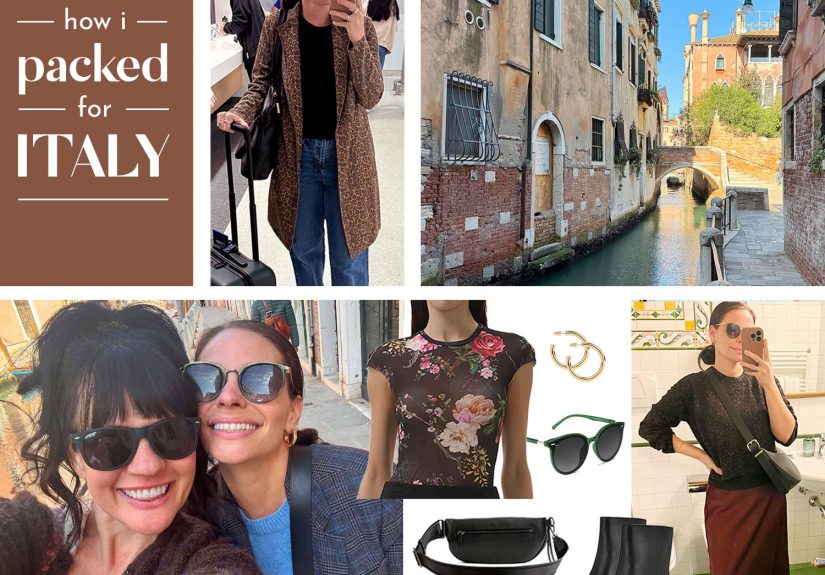
Here’s exactly how I packed light for Italy, what I brought, what I skipped, and why this strategy made the whole trip better.
Why I Decided to Pack Light for Italy
Packing light for Italy was not just about being minimalist for sport. It was about making the trip easier in ways that actually mattered. Italy rewards people who can move. When you’re switching cities, walking through historic centers, hopping on trains, visiting churches, and squeezing into compact hotel rooms, bulky luggage becomes a travel villain.
I also knew I wanted flexibility. I didn’t want to waste time staring at a suitcase every morning, asking myself whether I was a linen-pants person, a dress person, a jeans person, or someone who had made several confusing choices at once. A smaller wardrobe meant fewer decisions and better outfits. Everything had to coordinate. Everything had to earn its place.
Most importantly, I wanted my bag to support the trip, not dominate it. That mindset changed everything. Instead of asking, “What else can I bring?” I asked, “What will I actually use?” That single question is the reason my Italy packing list stayed lean.
The Rules I Used Before I Packed a Single Thing
1. I packed for one week, not the whole trip
This was the mental shift that saved me. Even if the trip lasts 10 days or two weeks, I do not need 10 to 14 different outfits. I need enough clothing for about a week, plus a plan to rewear items and do a quick laundry refresh. Once I accepted that, my suitcase stopped looking like a panic response.
2. I built a capsule wardrobe
I chose a tight color palette so my tops, bottoms, and layers all worked together. Neutral basics did the heavy lifting, and one or two personality pieces kept everything from looking like I was auditioning for the role of “woman who owns only beige.” A capsule wardrobe made every piece more useful because every top could go with every bottom.
3. I stuck to two pairs of shoes
This rule hurt a little, but it was correct. Shoes are bulky, heavy, and alarmingly good at eating half a suitcase. For Italy, I brought one pair of comfortable walking shoes and one pair of slightly nicer shoes that could still handle real sidewalks. That was enough. Italy is magical, but it does not require five shoe identities.
4. I planned layers instead of “outfits”
Italy can surprise you. Mornings can feel cool, afternoons can get warm, and evenings can ask for a light extra layer. Instead of packing separate looks for every possible temperature swing, I packed a few layers that could mix into multiple combinations. This gave me more flexibility with fewer clothes.
5. I gave every item a job
If something could only be worn once, only with one outfit, or only in one very specific fantasy scenario, it stayed home. That included fussy jackets, precious shoes, and several “maybe” items that did not survive the final edit. My rule was simple: if it did not solve a real travel need, it was not coming.
What I Actually Packed for My Italy Trip
Clothing
- 4 tops that could mix and match easily
- 3 bottoms, including one pair I wore on the plane
- 1 lightweight dress or elevated outfit option
- 1 light layer, like a cardigan, overshirt, or blazer
- 1 weather-friendly outer layer, depending on season
- Sleepwear
- Undergarments and socks for about a week
- 1 scarf or wrap
The scarf was one of the smartest things I packed. It added warmth on cooler mornings, made simple outfits feel more polished, and came in handy for church visits where I wanted to be respectful without packing an entirely separate “modesty outfit.” Tiny item, huge usefulness.
Shoes
- 1 pair of comfortable walking shoes
- 1 pair of nicer flats, loafers, sandals, or low-profile shoes
The winning quality here was not trendiness. It was support. Italy is a walking trip. Even when you think you are “just popping out,” somehow you end up walking for miles past piazzas, museums, churches, side streets, and a bakery that absolutely required investigation. I skipped heels, skipped flimsy shoes, and thanked myself later.
Toiletries
- Travel-size skincare and haircare
- Minimal makeup
- Toothbrush, toothpaste, deodorant, and essentials only
- Any medication in an easy-to-reach pouch
- Sunscreen and lip balm
I decanted products into small containers instead of bringing full-size bottles like I was opening a branch location of my bathroom in Rome. I also edited my routine hard. Vacation-me did not need twelve products and a complicated nighttime ritual. Vacation-me needed clean skin, decent hair, and enough energy to go find dinner.
Tech and travel essentials
- Phone and charger
- One plug adapter
- Portable power bank
- Passport and travel documents
- Crossbody bag with secure closure
- Foldable tote
I kept my tech light on purpose. The more gadgets I considered, the heavier the bag became. I brought what I truly used and left the rest at home. My back, my shoulders, and my suitcase all sent thank-you notes.
How I Made a Carry-on-Only Strategy Work
I wore the bulkiest items in transit
My heaviest shoes, my main layer, and anything even slightly chunky went on my body instead of in the suitcase. Airplanes are basically mobile closets if you use them correctly.
I used packing cubes
Packing cubes helped me compress, organize, and stop my suitcase from turning into a fabric avalanche every time I needed one pair of socks. I separated categories so I could find what I needed without unpacking my entire life on a hotel bed.
I repeated outfits without drama
Not every photo requires a new outfit. Not every breakfast deserves a costume change. I rewore pieces in new combinations and nobody fainted. This is the secret to packing light: you are dressing for a trip, not a fashion archive.
I planned one laundry moment
I did not build my whole vacation around laundry, but I accepted that one sink wash or one laundromat stop was a perfectly fair trade for not hauling a giant bag. Quick-dry pieces made this much easier. So did choosing fabrics that looked fine after being worn more than once.
I left room on purpose
This is the part people forget. Packing light is not only about fitting everything into your bag on the way out. It is also about making sure your bag still closes on the way home. I left a little space for snacks, small gifts, and the natural shopping optimism that happens somewhere between Florence and “I absolutely need this leather notebook.”
What I Did Not Pack
- Extra jeans “just in case”
- Three jackets for one trip
- Uncomfortable dress shoes
- Full-size toiletries
- Multiple bags for different moods
- A backup version of everything
- Anything that wrinkled badly or needed special treatment
I also skipped open-top day bags. In busy stations, major tourist areas, and crowded public transit, I preferred a secure bag that zipped and stayed close to my body. That choice made me feel more relaxed, and relaxed is an underrated packing outcome.
The Biggest Packing Mistakes I Avoided
Bringing too many shoes
This is the classic overpacker trap. Shoes are emotional support luggage. I understand. But they are also heavy, awkward, and often unnecessary. For an Italy trip, fewer shoes usually means a better bag and a better back.
Packing random single-use clothes
If a top only worked with one bottom, it was a no. If a dress needed special shoes, special underwear, and special weather, it was also a no. Italy packing works best when your wardrobe acts like a team, not a group project with no communication.
Ignoring the reality of walking
It is easy to imagine breezy café moments and glamorous piazza photos. It is also important to remember stairs, train platforms, uneven streets, and long museum days. I packed for the trip I was taking, not the imaginary version where I floated elegantly from espresso bar to espresso bar without ever sweating.
Overpacking toiletries
I used to pack as though every destination had banned shampoo, soap, and common sense. Not this time. I brought only what I needed, kept it streamlined, and moved on with my life.
Forgetting practicality in churches and day trips
Italy is full of stunning churches and religious sites, so I made sure I had at least one easy, respectful option that covered what needed covering. That saved me from having to skip beautiful places or improvise with a regrettable souvenir T-shirt.
My Best Tips for Anyone Packing Light for Italy
- Choose one bag you can comfortably lift yourself.
- Build your wardrobe around mix-and-match basics.
- Stick to two pairs of shoes whenever possible.
- Pack a scarf or lightweight layer that can do multiple jobs.
- Bring a secure day bag for crowded areas.
- Keep toiletries small and simple.
- Plan for one laundry reset instead of packing your entire closet.
- Leave a little empty space for the trip home.
If I had to sum up my Italy packing strategy in one sentence, it would be this: I packed for movement, not for fantasy. That made every part of the trip easier.
What Packing Light Actually Felt Like in Italy
The best part of packing light was not what happened in my suitcase. It was what happened in the rest of the trip. I noticed it immediately at the airport, where I was not sweating through check-in while trying to redistribute the contents of a bag that had somehow become denser than a collapsed star. I could lift my luggage without performing a dramatic pre-lift pep talk. That alone felt like vacation progress.
I noticed it again when moving between cities. Train travel sounds romantic, and it is, but it is also wonderfully practical when your luggage is under control. I did not have to block aisles, beg gravity for mercy, or apologize to strangers while attempting a three-point turn with a giant suitcase. I could step on, store my bag, sit down, and enjoy the ride. That made travel days feel lighter mentally, not just physically.
Walking through Italy with less stuff also changed my pace in the best way. I could take the stairs instead of hunting for elevators. I could weave through busy streets without feeling like I was dragging a stubborn appliance behind me. In smaller hotel rooms, my bag tucked into a corner instead of becoming the third roommate. That mattered more than I expected. Small spaces feel much calmer when your luggage is not trying to dominate the architecture.
The wardrobe itself worked better than overpacking ever did. Because everything matched, getting dressed took almost no time. I could throw on a top, a bottom, my comfortable shoes, and one small accessory, and I was out the door. I did not spend the morning negotiating with myself over whether I should wear the outfit that looked cute but felt impractical, or the outfit that felt practical but looked like I had packed in the dark. Everything I brought had already passed both tests.
There were also little moments where the strategy really proved itself. A scarf made an outfit feel polished at dinner, then came back into service the next morning when I needed a light extra layer. A simple crossbody bag felt far more useful than a big open tote. My walking shoes did not win any dramatic fashion awards, but they absolutely earned a standing ovation after long days on stone streets. And because I left some room in my suitcase, I could bring home a few thoughtful things without sitting on my luggage like a cartoon.
Most of all, packing light made me feel more available to the trip itself. I was not managing stuff all day. I was paying attention to where I was, what I was eating, what I was seeing, and where I wanted to wander next. That is the real goal. A lighter bag gave me a lighter trip. And honestly, once you experience that in Italy, it is very hard to go back to traveling with half your closet and all your bad decisions.
Conclusion
Packing light for Italy turned out to be one of the smartest travel decisions I could make. It saved time, reduced stress, made moving between cities easier, and helped me focus on the actual experience instead of managing a mountain of stuff. By choosing versatile clothes, limiting shoes, keeping toiletries minimal, and planning for a simple laundry reset, I created a practical Italy packing list that still felt stylish and realistic.
If you are wondering how to pack light for Italy, start with this: bring less, choose better, and trust repetition more than impulse. You do not need a giant suitcase to have a great trip. You need a smart bag, comfortable shoes, a flexible wardrobe, and the willingness to stop packing for imaginary emergencies. Italy will give you enough to carry already, mostly in memories and maybe in snacks.