Table of Contents >> Show >> Hide
- What Are Carbs, Exactly?
- Are There Really “Good” and “Bad” Carbs?
- Why Fiber Changes the Conversation
- Simple vs. Complex Carbs: Helpful, but Incomplete
- Good Carb Foods to Eat More Often
- Carb Foods to Eat Less Often
- How to Read a Carb Label Without Needing a Nap
- What About Glycemic Index?
- Should You Cut Carbs to Be Healthy?
- What Should You Actually Eat?
- The Bottom Line on Good vs. Bad Carbs
- Everyday Experiences With Good vs. Bad Carbs
Carbs have had a rough few decades. Somewhere between low-carb trends, sugar panic, and bread being treated like a criminal mastermind, carbohydrates got slapped with a bad reputation. But here’s the truth: carbs are not the villain in your pantry. They are your body’s preferred source of energy, and many of the healthiest foods on earth contain them. The real question is not whether carbs are “good” or “bad.” It is which carb-rich foods give you lasting energy, fiber, vitamins, and satisfaction and which ones leave you hungry again 47 minutes later, staring into the kitchen like it owes you money.
If you want a practical answer to “good vs. bad carbs,” think less about fear and more about quality. In general, the best carbs come from foods that are minimally processed and naturally rich in fiber and nutrients, such as beans, fruit, vegetables, oats, and whole grains. The less-helpful carbs are usually highly refined, stripped of fiber, and loaded with added sugars, like soda, pastries, candy, and many ultra-processed snack foods. That does not mean you can never eat a cookie again. It just means your daily eating pattern matters more than one dramatic donut.
What Are Carbs, Exactly?
Carbohydrates are one of the three main macronutrients, alongside protein and fat. They include sugars, starches, and fiber. When you eat carbs, your body breaks many of them down into glucose, which your cells use for energy. Your brain, muscles, and nervous system are especially fond of this arrangement. In other words, carbs are not some weird dietary loophole. They are normal fuel.
But all carbs do not behave the same way. Some are digested quickly and can cause a faster rise in blood sugar. Others digest more slowly because they come packaged with fiber, water, protein, or intact grain structure. That is one reason an apple and apple candy are not nutritional twins, even if both can technically be called “carbs.” One is a whole food with fiber and volume; the other is more like sugar dressed up for a party.
Are There Really “Good” and “Bad” Carbs?
Not in a moral sense. A blueberry muffin is not evil. A lentil is not morally superior. Food should not require a courtroom. Still, the phrases “good carbs” and “bad carbs” can be useful shorthand.
What people usually mean by “good carbs”
Good carbs are usually foods that:
- Contain fiber
- Are minimally processed
- Deliver vitamins, minerals, and beneficial plant compounds
- Digest more slowly and help keep you full longer
- Fit into balanced meals without causing a roller coaster of hunger
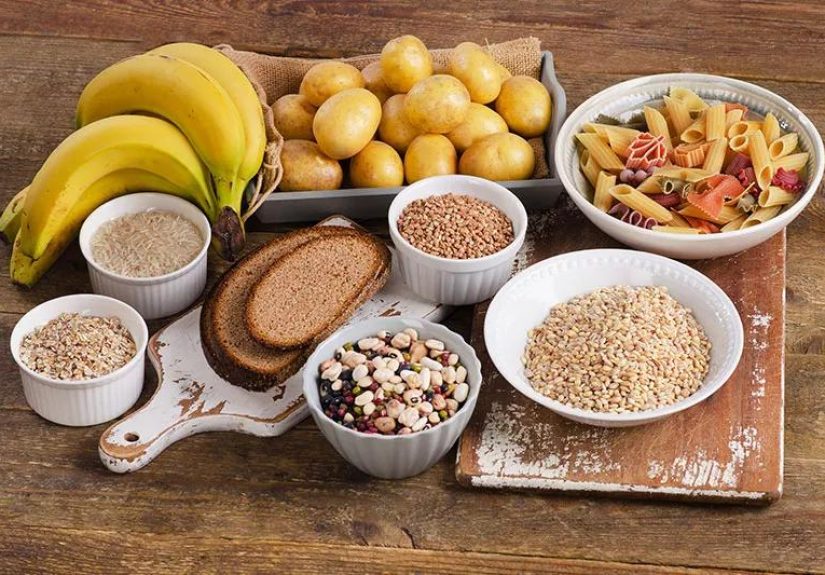
Examples include oats, quinoa, brown rice, barley, beans, lentils, chickpeas, sweet potatoes, fruit, vegetables, and whole-grain breads with simple ingredient lists and meaningful fiber content.
What people usually mean by “bad carbs”
Bad carbs are generally foods that:
- Are heavily refined
- Contain a lot of added sugar
- Have little fiber or protein
- Are easy to overeat without staying full
- Pack calories without much nutrition
Think soda, sugary breakfast cereals, candy, white pastries, frosted snack cakes, and some packaged crackers and chips. These foods are not forbidden, but they should not be mistaken for the nutritional equivalent of oatmeal, black beans, or roasted sweet potatoes.
Why Fiber Changes the Conversation
If carbs had a PR team, fiber would be its best employee. Fiber is a type of carbohydrate your body does not fully digest. That sounds underwhelming until you realize how useful it is. Fiber helps support healthy digestion, improves fullness, and can slow how quickly sugar enters the bloodstream. It also tends to show up in foods that bring along vitamins, minerals, and other helpful nutrients.
This is why whole fruits usually beat fruit juice, and why intact whole grains often beat refined grains. The fiber changes how the food behaves in your body and how satisfied you feel afterward. A bowl of steel-cut oats with berries and walnuts gives you a completely different experience from a giant glazed pastry and a sweet coffee drink, even if both technically “contain carbs.” One is breakfast. The other is a plot twist.
Simple vs. Complex Carbs: Helpful, but Incomplete
You have probably heard that simple carbs are bad and complex carbs are good. That idea is not entirely wrong, but it is too simplistic to do all the work. Simple carbs include sugars that digest quickly. Complex carbs include starches and fiber that often digest more slowly. But food is messy in real life. Some foods with simple sugars, like fruit and plain milk, can still be nutritious. Some complex-carb foods, like heavily processed crackers made from refined flour, are not exactly health food legends.
A better way to judge carbs is to ask:
- How processed is this food?
- How much fiber does it have?
- Does it come with nutrients?
- Will it keep me full?
- What else am I eating it with?
That last question matters. White rice by itself hits differently than white rice eaten with salmon, vegetables, and edamame. Context matters. Meals are teams, not solo acts.
Good Carb Foods to Eat More Often
1. Beans, lentils, and chickpeas
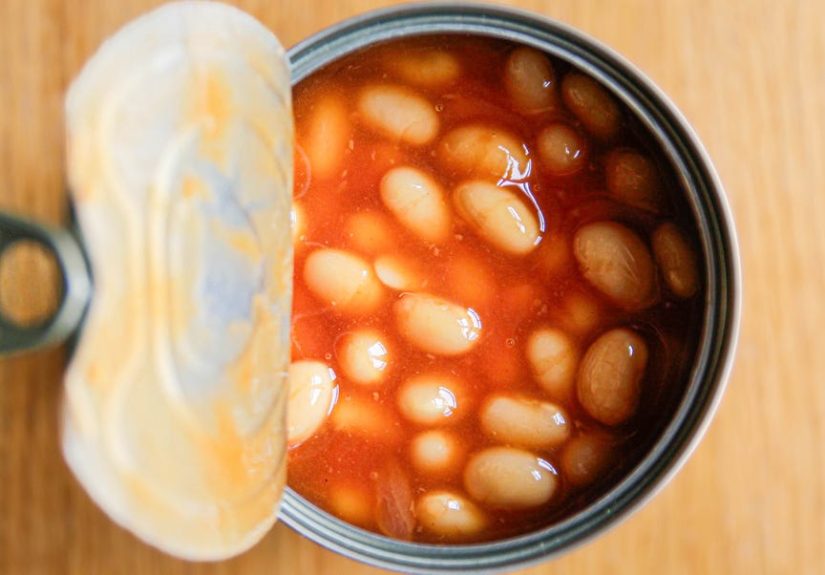
These are carb all-stars. They provide fiber, plant protein, minerals, and staying power. Add them to soups, salads, burrito bowls, pasta dishes, or grain bowls.
2. Whole grains
Oats, brown rice, farro, quinoa, barley, bulgur, and whole-grain breads can give you longer-lasting energy than refined grains. Look for products that list a whole grain as the first ingredient and offer decent fiber per serving.
3. Fruit
Fruit contains natural sugar, yes, but it also brings fiber, water, and phytonutrients. Apples, berries, oranges, pears, bananas, and grapes all deserve a seat at the table. Fruit is not candy with a better publicist.
4. Vegetables and starchy vegetables
Sweet potatoes, corn, peas, winter squash, and potatoes all contain carbs, and that is perfectly fine. They also provide important nutrients. Nonstarchy vegetables like broccoli, spinach, peppers, and cauliflower contain fewer carbs but still contribute fiber and volume.
5. Plain dairy foods and yogurt
Milk and yogurt contain lactose, a natural sugar, but also protein, calcium, and other nutrients. Plain or lower-sugar yogurt is usually a better pick than heavily sweetened dessert-style varieties.
6. Nuts and seeds in supportive roles
These are not carb-heavy foods, but they pair beautifully with carb foods by adding fat, protein, crunch, and satisfaction. Apple plus peanut butter is a much more stable snack than apple plus regret.
Carb Foods to Eat Less Often
You do not need to banish these forever. Just do not let them become the backbone of your diet.
- Sugary drinks like soda, sweet tea, energy drinks, and many coffee beverages
- Candy and desserts with lots of added sugar
- White pastries, donuts, and snack cakes
- Highly refined breakfast cereals with minimal fiber
- White breads, crackers, and chips that offer little beyond fast-digesting starch
- Foods marketed as “low fat” but packed with sugar to make up for the personality loss
The issue is not just the carb content. It is the combination of low fiber, high palatability, and low satiety. Many of these foods are easy to eat quickly and hard to stop eating, which is not a character flaw on your part. That is how many ultra-processed foods are designed.
How to Read a Carb Label Without Needing a Nap
If you are trying to choose smarter carbs, the Nutrition Facts label can help. Start with serving size, because a tiny serving listed on the label can make a food look healthier than the amount people actually eat. Then look at total carbohydrate, dietary fiber, and added sugars.
Here is the quick version:
- Higher fiber usually means a more satisfying carb choice.
- Lower added sugar is usually better for everyday eating.
- Shorter, more recognizable ingredient lists often help.
- Whole grain listed first is a good sign in breads and cereals.
You do not need a calculator and a flashlight in the grocery aisle. Just compare similar products. A cereal with 8 grams of fiber and 4 grams of added sugar is usually a stronger everyday choice than one with 1 gram of fiber and 15 grams of added sugar.
What About Glycemic Index?
The glycemic index, or GI, ranks carb-containing foods by how quickly they raise blood sugar. It can be helpful, especially for people managing blood sugar concerns, but it is not the whole story. The GI of a food can change depending on ripeness, preparation method, what you eat with it, and portion size.
So yes, GI can be one useful tool. No, it should not run your entire kitchen. A balanced plate with fiber, protein, and healthy fat usually matters more than obsessing over a single number attached to one food eaten in a lab-like context.
Should You Cut Carbs to Be Healthy?
Not necessarily. Some people do well on lower-carb eating patterns, especially under medical guidance or for specific health reasons. But for most people, the better move is not to fear carbs it is to upgrade them. Swapping soda for sparkling water, white toast for whole-grain toast, or pastries for oatmeal and fruit can make a bigger long-term difference than dramatically cutting every carb in sight for six heroic days.
Also, cutting carbs too aggressively can backfire. You may feel tired, cranky, obsessed with bread, or more likely to rebound into overeating. Sustainable eating usually works better than nutritional melodrama.
What Should You Actually Eat?
Here is the practical answer: build most meals around high-quality carbs plus protein and healthy fat.
Breakfast ideas
- Oatmeal with berries, walnuts, and plain yogurt
- Whole-grain toast with eggs and avocado
- Greek yogurt with fruit and chia seeds
Lunch ideas
- Brown rice bowl with chicken, black beans, salsa, and vegetables
- Lentil soup with a side salad and whole-grain bread
- Turkey sandwich on whole-grain bread with fruit
Dinner ideas
- Salmon with roasted sweet potatoes and broccoli
- Whole-wheat pasta with vegetables, olive oil, and grilled shrimp
- Bean chili topped with avocado and served with a side salad
Snack ideas
- Apple with peanut butter
- Hummus with vegetables and whole-grain crackers
- Cottage cheese with berries
- Banana with almonds
Notice the pattern? Carbs are welcome here. They are just not showing up alone wearing a sugar cape.
The Bottom Line on Good vs. Bad Carbs
If you remember one thing, let it be this: the healthiest carb choices are usually the least dramatic ones. Whole fruits, vegetables, beans, lentils, and whole grains are carb-rich foods that support energy, fullness, and overall health. Highly refined, sugary foods can still have a place, but they work best as occasional extras rather than daily staples.
So what should you eat? Eat more carbs that still look like food. Eat fewer carbs that look like a food scientist lost a bet. Focus on fiber, quality, and balance. Your body is not asking you to fear carbohydrates. It is just asking for better ones more often.
Everyday Experiences With Good vs. Bad Carbs
In real life, the difference between higher-quality and lower-quality carbs often shows up in how people feel after eating. A lot of people notice that when breakfast is a sugary pastry and a sweet coffee drink, they feel great for about five minutes and then start prowling around for snacks before lunch. The same person may eat oatmeal with fruit and nuts on another day and realize they stay full longer, focus better, and do not spend the entire morning thinking about vending machines like they are old friends.
Another common experience happens at lunch. Someone grabs fast food, fries, and a soda because it is quick. It tastes good, but by midafternoon they feel sleepy, unfocused, and weirdly hungry again. Compare that with a lunch built around rice, beans, grilled chicken, vegetables, and fruit. It is still a carb-containing meal, but the fiber, protein, and overall food quality change the experience. Energy tends to feel steadier, and the “I need a giant cookie immediately” feeling is less intense.
People also notice a big difference when they stop drinking so much of their sugar. Replacing regular soda, sweet tea, or sugary coffee drinks with water, unsweetened tea, or sparkling water can reduce total added sugar without creating a sense of deprivation. Many say they did not even realize how much sweetness they were drinking until they cut back and suddenly ordinary food started tasting more balanced.
Families often run into the carb issue through snacks. Crackers, gummies, sweet granola bars, and frosted cereal are easy, convenient, and aggressively marketed. But they are not always satisfying. Parents and teens alike often find that snacks with a better balance of carbs, protein, and fat work better in the real world. A banana with peanut butter, yogurt with berries, or whole-grain toast with cottage cheese may not sound as flashy as neon-colored snack food, but they usually do a better job of carrying someone to the next meal without a crash.
Then there is the bread question, because bread has become the internet’s favorite suspect. In practice, many people discover that bread is not the problem so much as the type and the company it keeps. Two slices of soft white bread with sugary spread can leave someone hungry fast. Two slices of hearty whole-grain bread with turkey, avocado, and vegetables create a very different outcome. Same category, different result.
Probably the most useful experience people report is this: when they stop labeling all carbs as bad and start choosing better carb sources more often, eating gets easier. Meals become more enjoyable, cravings feel less chaotic, and there is less guilt around normal foods like fruit, potatoes, beans, and oats. That shift is important. A smart approach to carbs is not about punishment. It is about learning which foods help you feel energized, satisfied, and human which, frankly, is a lot more helpful than spending your life being afraid of bananas.