Table of Contents >> Show >> Hide
- Why your body needs fat in the first place
- What people mean by “good fats” and “bad fats”
- The four main types of dietary fat
- Healthy fats vs. unhealthy fats in real foods
- How fats affect cholesterol, heart health, and weight
- How to read a label without squinting like a detective
- Best sources of healthy fats to add to your routine
- Foods to limit more often than not
- Common myths about fats
- Simple swaps that make a real difference
- Real-life experiences: what people often notice when they make better fat choices
- Conclusion
Note: Original, publication-ready article synthesized from current U.S. health guidance. Source links intentionally omitted for clean web publishing.
Fat has had a rough time in the public imagination. For years, it was treated like the villain lurking in your fridge, plotting the downfall of your arteries one spoonful at a time. Then came the avocado era, and suddenly people were lovingly photographing toast with enough olive oil shimmer to start a small Mediterranean fan club. So, what is the truth? Are fats good, bad, or just wildly misunderstood?
Here is the simple version: your body needs fat, but it needs the right kinds of fat in the right amounts. Some fats support cell function, help your body absorb vitamins, keep meals satisfying, and fit beautifully into a healthy eating pattern. Other fats, especially trans fats and too much saturated fat, are linked to less favorable cholesterol levels and a higher risk of heart disease over time. That means the goal is not to fear fat. It is to get smarter about it.
This guide breaks down good fats, bad fats, food labels, everyday swaps, and real-life eating choices in plain English. No nutrition degree required. No kale worship required either.
Why your body needs fat in the first place
Before we sort fats into “better” and “worse” categories, it helps to remember that dietary fat is not optional background scenery. It is an essential nutrient. Your body uses fat for energy, to build cells, to protect organs, and to absorb fat-soluble vitamins such as A, D, E, and K. Fat also helps food taste good and keeps you full longer than a sad rice cake pretending to be lunch.
That said, all fats are calorie-dense. Fat provides more calories per gram than protein or carbohydrates, which is one reason portions still matter. In other words, even healthy fats are not a free-for-all. A drizzle of olive oil can be a smart choice. A half-bottle poured like you are christening a yacht is a different situation.
What people mean by “good fats” and “bad fats”
When nutrition experts talk about good fats, they usually mean unsaturated fats, which include monounsaturated fats and polyunsaturated fats. These fats are commonly found in foods like olive oil, avocados, nuts, seeds, and fatty fish. When they replace saturated fats in the diet, they can support a healthier cholesterol profile and overall heart health.
When people say bad fats, they are usually referring to trans fats and, to a lesser extent, saturated fats. Trans fats are the clear losers in this nutrition tournament. Saturated fats are more nuanced, but most major health organizations still recommend limiting them, especially when they crowd out healthier unsaturated fats.
The key word here is replace. Nutrition is not just about removing one thing. What you eat instead matters. Swapping butter for olive oil is different from swapping butter for a giant sugar bomb disguised as a “fat-free” snack.
The four main types of dietary fat
1. Monounsaturated fats
These are some of the stars of the healthy-fat category. Monounsaturated fats are found in foods like olive oil, canola oil, avocados, almonds, peanuts, and many seeds. They are often liquid at room temperature and can be a practical everyday choice for cooking, dressings, and simple meals.
Why do people like them so much? Because when you use monounsaturated fats in place of saturated fats, they can help improve cholesterol balance. They also make food more satisfying, which is part of why a salad with olive oil and nuts feels like an actual meal instead of edible disappointment.
2. Polyunsaturated fats
Polyunsaturated fats include omega-3 and omega-6 fatty acids. These fats are found in foods such as salmon, sardines, trout, walnuts, flaxseed, soybean oil, and sunflower oil. Some of them are considered essential because your body cannot make them on its own.
Omega-3 fatty acids get a lot of attention, and for good reason. Fatty fish is one of the best-known sources, which is why heart-health guidance often recommends fish about twice a week. Plant foods like walnuts, flaxseed, chia seeds, and canola oil can also contribute useful omega-3s, though they are not identical to the forms found in seafood.
3. Saturated fats
Saturated fats are found in foods like fatty cuts of meat, processed meats, butter, cream, cheese, whole milk, and certain tropical oils such as coconut oil and palm oil. These fats are usually solid at room temperature, though food chemistry loves to keep things interesting and never quite as neat as a classroom chart.
Most U.S. health guidance recommends keeping saturated fat to less than 10% of daily calories. Why? Because diets higher in saturated fat are associated with higher LDL cholesterol, especially when saturated fat is not being replaced with healthier unsaturated fats. This does not mean every bite of cheese is a moral failure. It means the overall pattern matters.
4. Trans fats
Trans fats are the fats you should work hardest to avoid. Artificial trans fats were commonly created through partial hydrogenation, a process that turned liquid oils into more solid, shelf-stable fats for packaged foods. They were once popular in baked goods, fried foods, shortenings, and some margarines. Convenient for food manufacturing, not so charming for your arteries.
Trans fats raise LDL cholesterol, and they have been strongly linked to heart disease risk. The good news is that artificial trans fats from partially hydrogenated oils have largely been removed from the U.S. food supply. The catch is that label-reading still matters, because small amounts can show up in serving-size tricks and some foods contain naturally occurring trans fats in small amounts from animal products.
Healthy fats vs. unhealthy fats in real foods
Nutrition advice makes more sense when you apply it to actual meals instead of treating fat like a chemistry exam. Here are a few everyday examples:
- Better choice: salmon with roasted vegetables and brown rice
Less helpful pattern: fried fish sandwich with heavy sauce and fries - Better choice: oatmeal topped with walnuts and berries
Less helpful pattern: pastry made with shortening and frosting - Better choice: avocado and turkey on whole-grain toast
Less helpful pattern: sausage biscuit with extra cheese - Better choice: hummus with olive oil and vegetables
Less helpful pattern: chips fried in less-healthy oils plus creamy dip - Better choice: homemade vinaigrette with olive oil
Less helpful pattern: “fat-free” dressing loaded with added sugar and stabilizers
This is where a lot of confusion disappears. Instead of asking, “Is fat good or bad?” ask, “What food is this fat coming with?” Olive oil in a bean salad is not the same as trans fat in a packaged snack cake that could survive a meteor strike.
How fats affect cholesterol, heart health, and weight
The quality of fat you eat can influence your cholesterol profile. Unsaturated fats, particularly when they replace saturated and trans fats, are associated with better heart-health outcomes. Saturated fat tends to push LDL cholesterol upward in many people, and trans fat is even more problematic.
But heart health is not the only issue. Fat also affects satiety. Meals that include healthy fats often feel more satisfying than meals built from refined starches and added sugars alone. That matters because a diet full of low-fat but highly processed foods can leave people hungry, snacky, and wondering why their “healthy” afternoon yogurt somehow led to a parking-lot cookie emergency.
Still, healthy fats are not magic. Because all fats are energy-dense, eating very large amounts can work against weight goals. The sweet spot is moderation with quality. Think a handful of nuts, not a family-sized bag casually inhaled during one episode of something dramatic.
How to read a label without squinting like a detective
If you want to make better fat choices, the Nutrition Facts label is your sidekick. Here is what to check:
Look at saturated fat first
Total fat alone does not tell the whole story. A food can contain a decent amount of total fat and still be a smart choice if much of that fat is unsaturated. Saturated fat gives you more useful context.
Check trans fat
If a label says 0 g trans fat, that usually sounds reassuring, but there is a catch: in U.S. labeling rules, a serving can contain less than 0.5 grams and still round down to zero. That means tiny servings can create big illusions.
Read the ingredient list
If you see partially hydrogenated oils, that is a red flag. Ingredient lists can reveal what a front label tries to hide behind buzzwords like “crispy,” “light,” or “made with goodness,” which is not a legally defined nutrition term and sounds like something a fairy godmother would stamp on crackers.
Watch serving size
If the serving size is unrealistically small, the label may look better than your actual intake. Nobody eats four and a half tortilla chips and calls it closure.
Best sources of healthy fats to add to your routine
If you want more good fats in your diet, you do not need a fancy wellness retreat. Start with real, accessible foods:
- Olive oil and canola oil for cooking and dressings
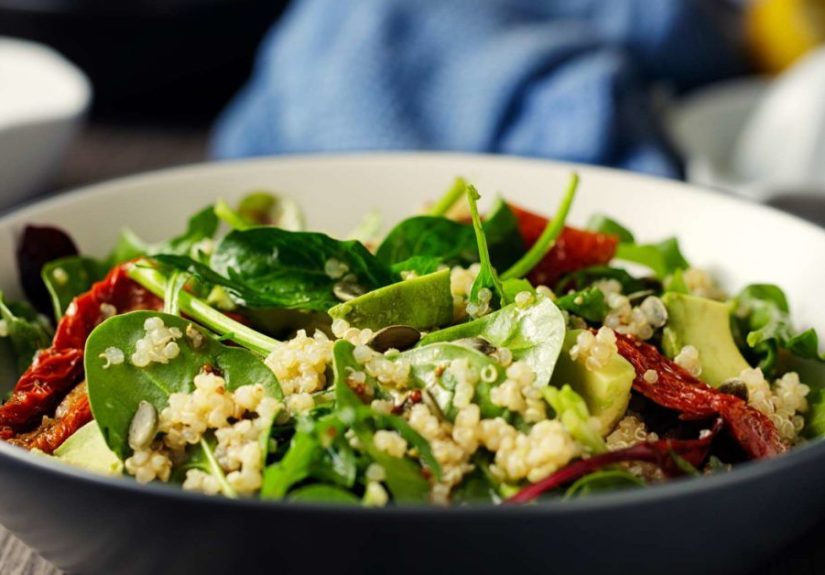
- Avocados for sandwiches, bowls, and salads
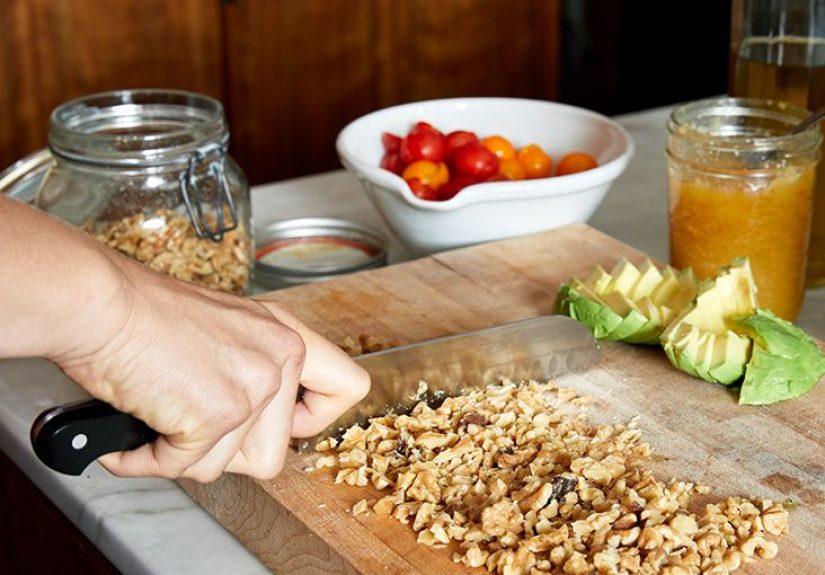
- Nuts such as almonds, walnuts, pistachios, and peanuts
- Seeds such as chia, flax, pumpkin, and sunflower
- Fatty fish like salmon, sardines, trout, and mackerel
- Nut butters with simple ingredient lists
- Soy foods such as edamame and tofu
These foods do more than provide fat. They often come with fiber, protein, vitamins, minerals, and other nutrients that support overall health. That is why nutrition experts tend to emphasize food patterns, not isolated nutrients floating through space.
Foods to limit more often than not
You do not need to panic over every food containing saturated fat, but it is smart to be more intentional with foods such as:
- Processed meats
- Deep-fried fast foods
- Commercial pastries and packaged baked goods
- Shortening-heavy desserts
- Large portions of high-fat cheese, butter, and cream-based dishes
- Foods built around tropical oils without much nutritional upside
The point is not perfection. It is frequency, portion size, and pattern. Birthday cake on your birthday is part of life. Birthday cake on a random Tuesday because the office break room whispered your name is a different conversation.
Common myths about fats
Myth 1: All fat is bad
False. Your body needs fat, and healthier unsaturated fats can absolutely fit into a nutritious eating pattern.
Myth 2: Fat-free foods are always healthier
Also false. Some fat-free products replace fat with added sugar, refined starch, sodium, or fillers. “Fat-free” does not automatically mean balanced, filling, or good for heart health.
Myth 3: If a fat comes from a plant, it must be healthy
Not always. Coconut oil and palm oil are plant-based, but they are still high in saturated fat. Plant origin alone is not a nutrition halo.
Myth 4: Eating healthy fat means you can ignore the rest of your diet
Nice try. A salad drenched in olive oil but followed by a day of ultra-processed snacks is still not the same as a balanced eating pattern built around whole foods.
Simple swaps that make a real difference
- Cook with olive or canola oil instead of butter more often
- Choose fish, beans, or lentils in place of some red and processed meats
- Snack on nuts and fruit instead of pastries or chips
- Use avocado or hummus in sandwiches instead of heavy creamy spreads
- Top yogurt or oatmeal with seeds instead of sugary crumble
- Roast, bake, grill, or air-fry more often instead of deep-frying
These changes are not flashy, but they are powerful because they are realistic. Healthier eating rarely falls apart because people do not understand the concept. It falls apart because the plan only works on a Wednesday when they have unlimited time, perfect groceries, and the emotional stability of a meditation app narrator.
Real-life experiences: what people often notice when they make better fat choices
One of the most common experiences people describe when they begin choosing healthier fats is that meals start to feel more satisfying. Someone who used to eat a low-fat muffin for breakfast and feel hungry an hour later may switch to Greek yogurt with walnuts, fruit, and chia seeds or eggs with avocado on whole-grain toast. The meal is not necessarily huge, but it tends to “stick” better. Instead of chasing snacks all morning, they often feel steadier and more focused.
Another common experience happens in the kitchen. People who start cooking with olive oil, nuts, seeds, beans, and fish often discover that healthy eating tastes better than they expected. They stop thinking of nutrition as a punishment system and start treating it more like smart flavor management. Roasted vegetables with olive oil and herbs feel generous. Salmon with lemon and a crunchy salad does not exactly scream deprivation. Even simple swaps, like using peanut butter with sliced apple instead of reaching for packaged sweets, can make healthy eating feel less like a lecture and more like actual life.
There is also a label-reading phase that almost everyone goes through. At first, it feels a little dramatic. Suddenly, a person who never looked twice at the back of a cracker box is standing in the grocery aisle reading ingredient lists like they are decoding an ancient manuscript. But after a while, they get faster. They learn to spot saturated fat, notice serving sizes, and watch for partially hydrogenated oils. Once that habit forms, shopping becomes less confusing and more intentional.
Many people also realize that “fat-free” was never the miracle they were promised. Some remember years of buying low-fat cookies, low-fat dressings, and low-fat snacks only to discover that those products were often less satisfying and easier to overeat. When they switch to moderate portions of foods with healthier fats, such as almonds, avocado, olive oil, or hummus, they often feel less trapped in a cycle of craving and compensation.
Social eating can be part of the experience too. At restaurants, people learn that small decisions matter. Choosing grilled fish instead of something deep-fried, asking for dressing on the side, or splitting a heavy appetizer can make a meal feel balanced without turning dinner into a sad side salad event. Over time, these choices stop feeling restrictive and start feeling normal.
Perhaps the most important experience is psychological. People often report that once they stop labeling all fat as “bad,” food feels less confusing. The goal becomes clearer: eat more unsaturated fats from whole foods, limit saturated fat, avoid trans fat, and keep portions sensible. That mindset is easier to live with long term. And long-term habits, unlike a three-day panic cleanse fueled by cucumber slices and regret, are what actually move the needle.
Conclusion
The best way to think about fat is not through fear, but through quality and balance. Good fats, especially monounsaturated and polyunsaturated fats, can support heart health and make meals more satisfying when they replace less healthy choices. Bad fats, particularly trans fats and excessive saturated fat, deserve more caution. The smartest move is not to eliminate fat. It is to choose it wisely, read labels carefully, and build meals around foods that do your body a favor.